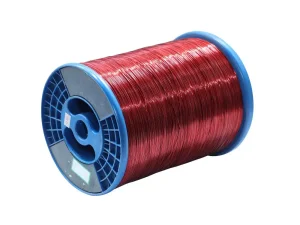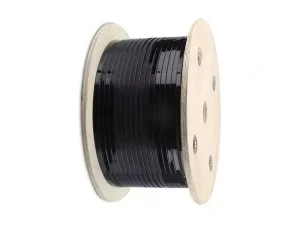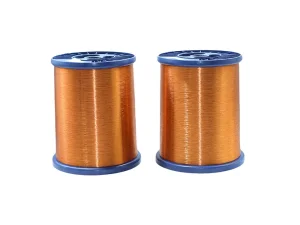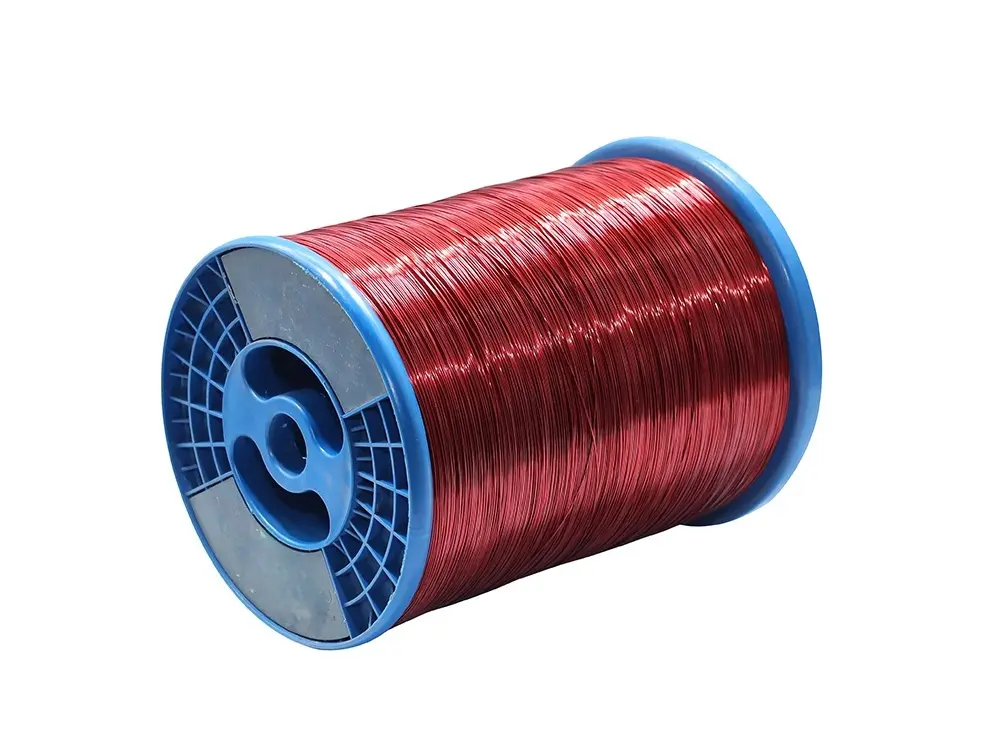
High-performance wire solutions engineered to deliver maximum electrical conductivity, exceptional thermal endurance, and direct solderability.
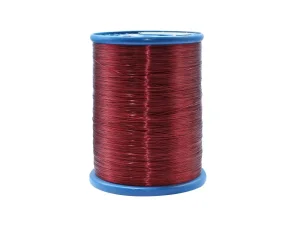
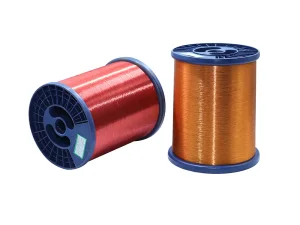
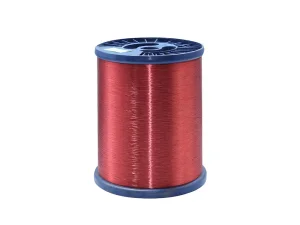
In the modern era of industrial automation, green transport, and high-frequency power grids, the demand for high-grade PEW (Polyurethane Enameled Wire) has witnessed exponential growth. Known for its distinct chemical structure, PEW coated wire represents a pinnacle in magnet wire design. Polyurethane coatings afford a vital metallurgical advantage: direct solderability (self-fluxing) without the prior removal of the insulating film. This mechanical feature minimizes manufacturing steps in automated coil-winding configurations, enhancing throughput and lowering structural reject rates.
"The global magnet wire sector is shifting from standard thermal performance profiles toward micro-tolerance, specialized polymer coatings that withstand high dielectric stress while permitting rapid, flux-free termination at temperatures ranging between 360°C and 450°C."
Across North America, Europe, and the Asia-Pacific region, electrical systems manufacturers are upgrading their raw material guidelines to align with environmental and safety frameworks such as RoHS and REACH. The mechanical resilience, combined with thermal performance classes ranging from Class 130 to Class 220, positions polyurethane enameled copper and aluminum wires as the primary design option for automotive solenoids, high-performance relays, micro-motors, and high-frequency flyback transformers.
Understanding the distinction between insulating systems is critical for field reliability. Polyurethane (PEW/UEW) provides self-fluxing properties but is typically capped at Class 180 thermal limits. In environments exceeding 200°C, design engineers deploy Polyesterimide (EIW) or Polyimide (AIW) coatings, which provide higher thermal performance at the expense of direct solderability. Choosing the correct formulation prevents electrical breakdown, dielectric failures, and thermal aging.
| Insulation Base | Common Acronyms | Thermal Class (°C) | Solderability Characteristic | Primary Application Areas |
|---|---|---|---|---|
| Polyurethane | PEW / UEW | 130, 155, 180 | Direct Solderable (360°C - 400°C) | Micro-relays, automotive coils, small motors, electronics |
| Polyesterimide | EIW | 180, 200 | Requires mechanical stripping | Heavy-duty industrial motors, generator windings |
| Polyesterimide + Polyamideimide | EI/AIW | 200, 220 | Requires mechanical stripping | Automotive drivetrains, EV powertrain traction motors |
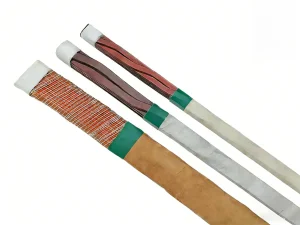
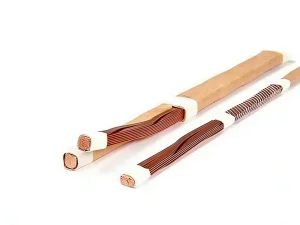
| Continuously Transposed Conductor | CTC | 120 - 180 (paper/mesh wrapper) | Manual termination | Ultra-high voltage (UHV) power transformers |
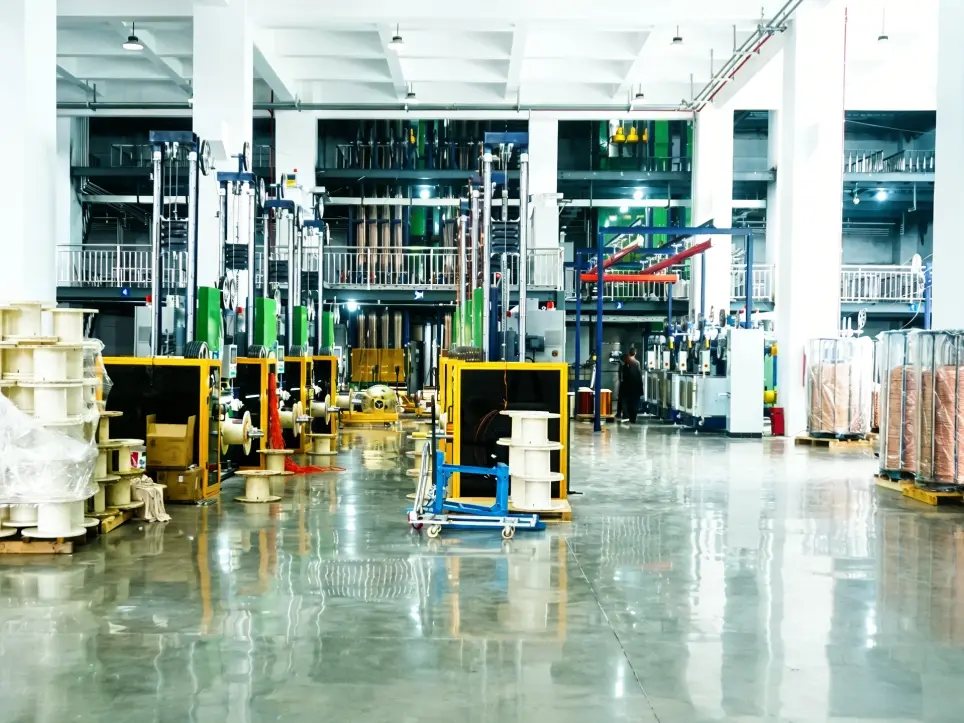
At Suzhou Daiming Electrical Materials Co., Ltd., we serve as a premier wholesale manufacturer and exporter of enameled magnet wires, specialized conductors, and industrial-grade custom flat wires. Spanning a state-of-the-art facility of 258,333.33 ft², our operation runs 30 advanced production lines. This scale allows us to maintain stable, high-volume production, ensuring that global industrial distributors, automotive component manufacturers, and transformer manufacturers receive a consistent supply.
By leveraging precise raw material control, utilizing electrolytic copper cathodes (purity >99.99%) and high-grade aluminum rods, we guarantee optimal conductivity and mechanical ductility. Our manufacturing process conforms to international industrial benchmarks, including IEC, NEMA, and JIS standards, making Suzhou Daiming a preferred partner across major global industrial corridors.



Over a decade of industry expertise combined with strict quality control to guarantee performance, efficiency, and stable supply chains.

Every single spool of magnet wire undergoes inline laser diameter calibration and high-voltage spark testing to ensure paint film uniformity, high breakdown voltage values, and void-free coatings.

Our formulations deliver superior adherence, mechanical scrap resistance, and minimal pinhole propagation even when subjected to dynamic mechanical tension during high-speed winding processes.

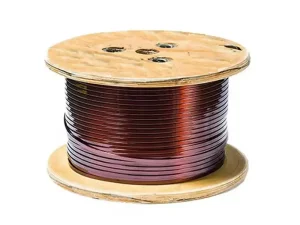
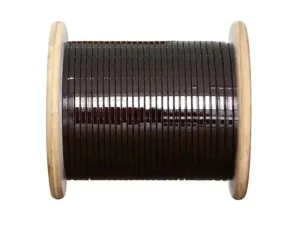
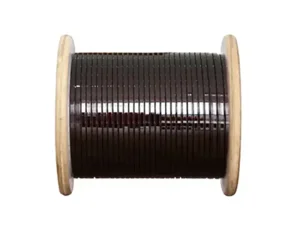
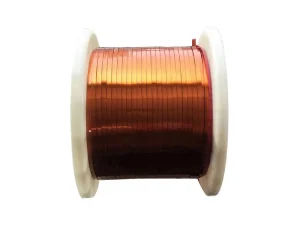
We supply exact wire diameters, varying coat insulation thicknesses (Grades 1, 2, and 3), and custom flat profiles (rectangular layouts) engineered to fit the slot space requirements of high-efficiency motors.

Supported by 30 high-capacity extrusion and drawing production lines, we mitigate market volatility risks, maintaining structural copper/aluminum reserves to fulfill large contracts on time.

We actively formulate eco-friendly, low-emission magnet wires destined for EV drivetrains, solar grid-tied inverters, wind turbine generators, and smart grid automation components.
For global procurement officers and design engineers, sourcing magnet wires from China represents a strategic advantage. It balances quality assurance with cost performance. Suzhou Daiming leverages the localized chemical and metallurgical ecosystem of Jiangsu Province. This spatial advantage reduces raw material shipping costs and optimizes energy consumption during the drawing and curing stages.
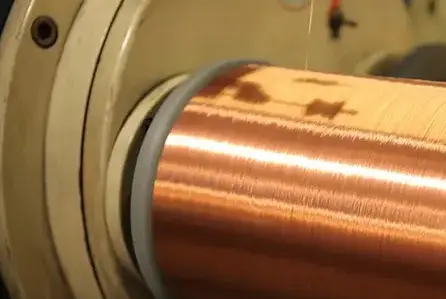
By integrating automated continuous vertical drawing and enamel coating systems, our lines process copper and aluminum wire at high run-speeds without compromising mechanical concentricity. Our computerized inline monitoring systems track defects in real time, detecting anomalies and cutting scrap rates below 0.3%. This combination of high speed, low scrap rates, and localized supply chain integration translates to a 15% to 25% cost saving for international buyers compared to local production in Western markets.
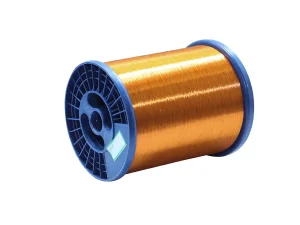
Additionally, we offer customized solutions like Copper-Clad Aluminum (CCA) Enameled Wires. By bonding a high-purity copper cladding to a lightweight aluminum core, CCA wires combine the electrical performance of copper with the weight and cost advantages of aluminum. This helps buyers manage budget pressures during copper market fluctuations.
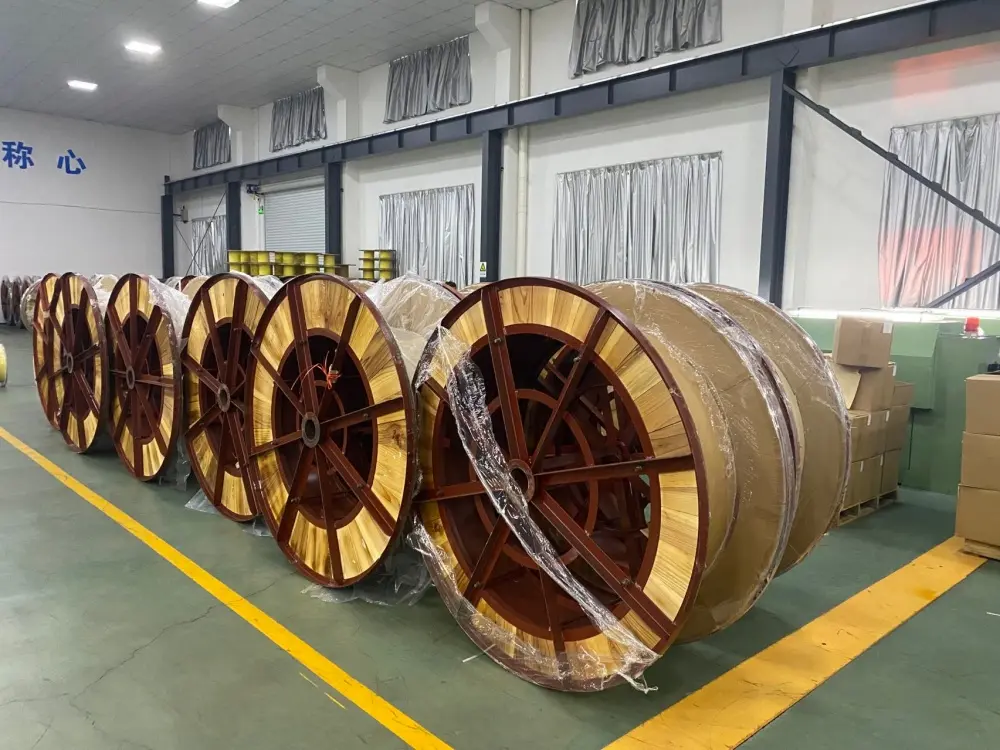
Sourcing industrial components internationally requires careful consideration of transport physics, custom packaging, and storage conditions. Enameled magnet wires are sensitive to impact deformation and moisture absorption. At Suzhou Daiming, our export packaging includes heavy-duty cylindrical plastic spools, vacuum-sealed PE bags, desiccants, and shock-absorbing wooden crates. This packaging safeguards the wire against humidity during sea freight transit, preserving its insulation and surface quality until it reaches our customers' assembly lines.
Our enameled wires and continuous transposed conductors are certified for critical operation within core electromechanical ecosystems.
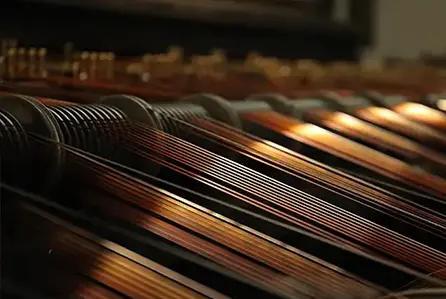
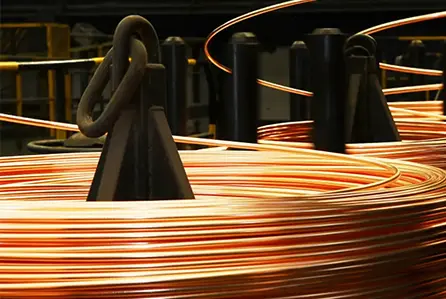
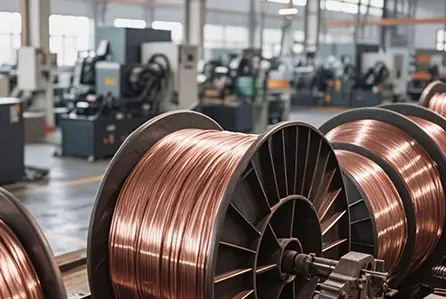
We manufacture a versatile catalog divided into four high-performance categories to match diverse operational requirements.
Updates on export milestones, grid infrastructure projects, and metallurgical engineering developments from our technical team.
Technical and procurement answers designed for electrical engineers, supply chain managers, and distribution partners.
PEW's main advantage is its direct solderability. You don't need to mechanically strip or chemically dissolve the paint layer before soldering. By dipping the wire tip in a solder bath (typically at 360°C to 400°C), the polyurethane layer melts cleanly, allowing for rapid terminations in automated coil-winding machines.
We manufacture magnet wires across a broad range of thermal performance indexes, including Class 130 (B), Class 155 (F), Class 180 (H), Class 200 (N), and Class 220. This allows us to supply both general-purpose electronics and high-temperature automotive applications.
We execute rigorous testing protocols at every stage, including pinhole inspection, high-voltage continuity tests, springback angle analysis, elongation rate verification, and thermal shock testing. Our quality control system is certified to ISO9001 and industrial production criteria.
CCA enameled wire serves as a cost-effective alternative to pure copper. It features a metallurgical core of electrical-grade aluminum clad within a high-conductivity copper skin. This configuration yields a 30-40% weight reduction compared to solid copper, lowering shipping weights and overall product cost while maintaining structural connectivity.
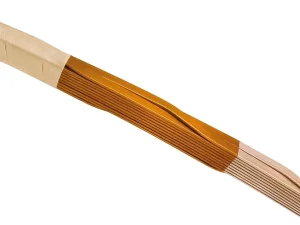
CTC is primarily used in the windings of large-scale power transformers. Because it consists of multiple individual enameled flat wires transposed in a structured configuration, CTC reduces circulating eddy current losses, improves magnetic circuit performance, and enhances mechanical load strength during electrical short circuits.
Explore our full export range of insulation specifications, custom flat wire configurations, and continuous transposed conductors.