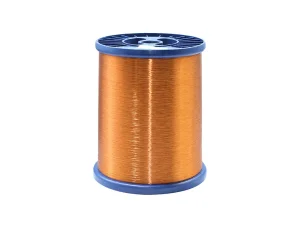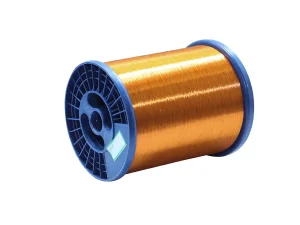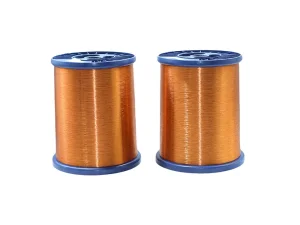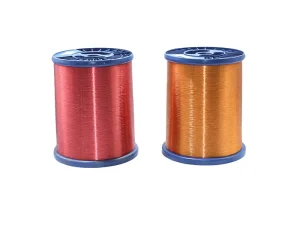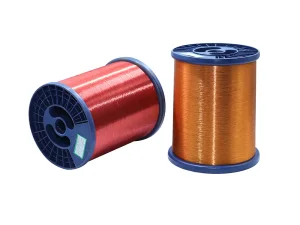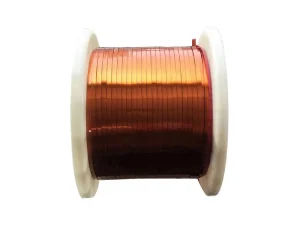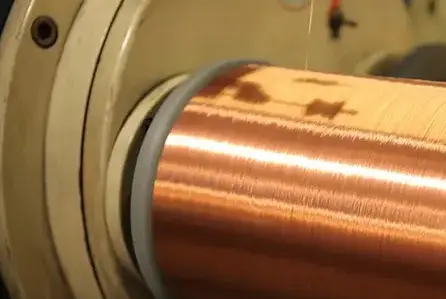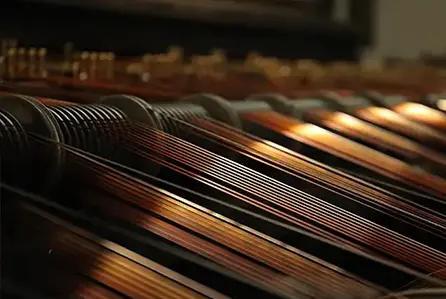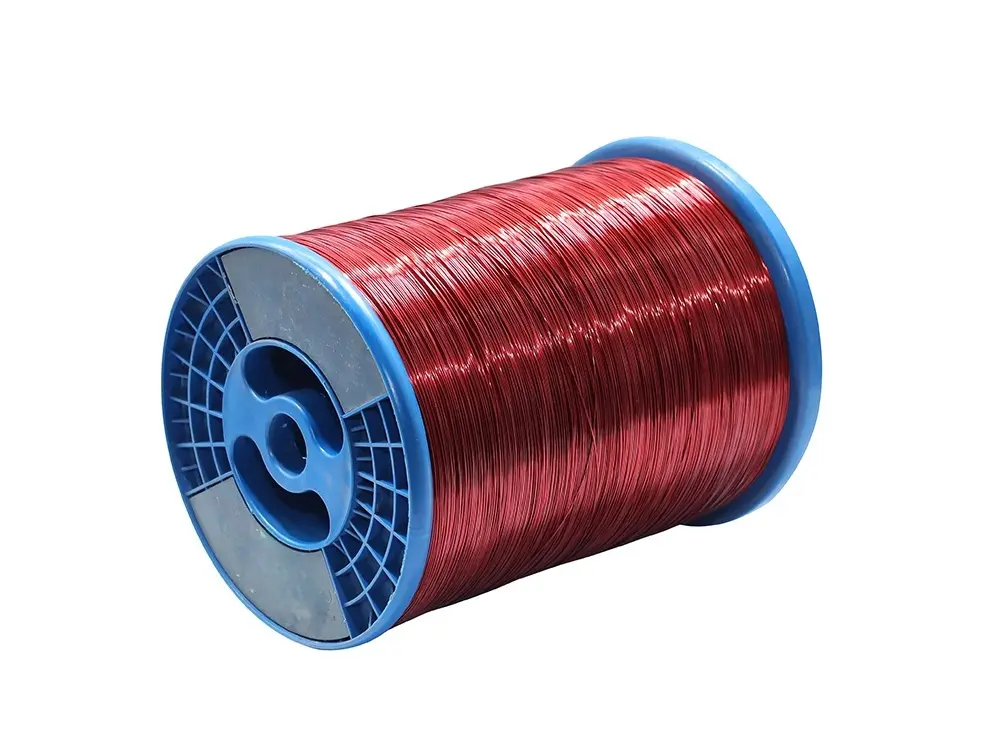
Explore our leading range of high-efficiency enameled conductors designed to operate under intense thermal classifications and heavy industrial loads.
The global electrical manufacturing landscape is undergoing a massive, structural transformation. Driven by the aggressive shift towards electrification, high-power density renewable energy networks, and high-frequency operating environments (such as 800V silicon carbide traction systems for electric drivetrains), the performance margins required of enameled copper and aluminum wires have reached unprecedented levels. Modern magnet wire is no longer just a basic conductor; it is a highly engineered composite system where micro-millimeter tolerances in metallurgy, polymer insulation chemistry, and geometric profiles dictate the limits of industrial electrification.
The deployment of silicon carbide (SiC) inverters in high-voltage drivetrains causes high voltage rise rates (dV/dt), generating intense electrical stresses. This requires wire coatings with high partial discharge inception voltages (PDIV) to prevent premature insulation failure.
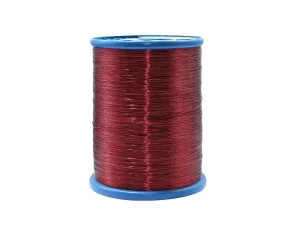
Modern electrical applications span Class 130 to Class 220. Systems operating above 200°C require engineered polymer coatings such as Polyesterimide (EIW) and Polyamide-imide (AIW) to retain elasticity and dielectric strength under permanent thermal stress.
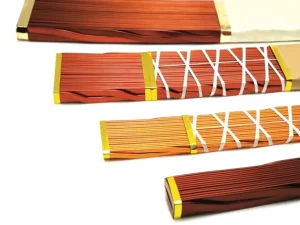
In high-frequency applications, alternating current concentrates on the conductor surface. Specialized CTC (Continuously Transposed Conductors) and flat configurations are increasingly leveraged to redistribute magnetic fields and prevent localized heating.
Engineering and purchasing teams must balance mechanical specifications, electrical conductivity, total weight, and fluctuating commodity pricing. To achieve optimization, it is critical to compare the properties of pure enameled copper, enameled aluminum, and copper-clad aluminum (CCA) alternatives.
| Material Class | Electrical Conductivity (% IACS) | Density (g/cm³) | Thermal Expansion Coefficient | Primary Application Benefit |
|---|---|---|---|---|
| Enameled Copper Wire | 100% - 101% | 8.89 | 16.5 x 10⁻⁶/K | Maximum efficiency, compact winding envelope, low resistance. |
| Enameled Aluminum Wire | 61% - 63% | 2.70 | 23.1 x 10⁻⁶/K | Weight reduction (approx. 60% lighter than copper), cost-effective. |
| Copper-Clad Aluminum (CCA) | 65% - 68% | 3.32 - 3.63 | ~20.0 x 10⁻⁶/K | Balancing copper's surface conductivity with aluminum's low weight. |
While enameled copper remains the industry standard for high-performance and space-constrained applications, the severe spikes in LME copper indexes have shifted interest towards aluminum and CCA wires in cost-sensitive segments. Enameled aluminum wire is widely used in domestic appliance motors and distribution transformers, where spatial limits are secondary to weight and material cost optimizations.
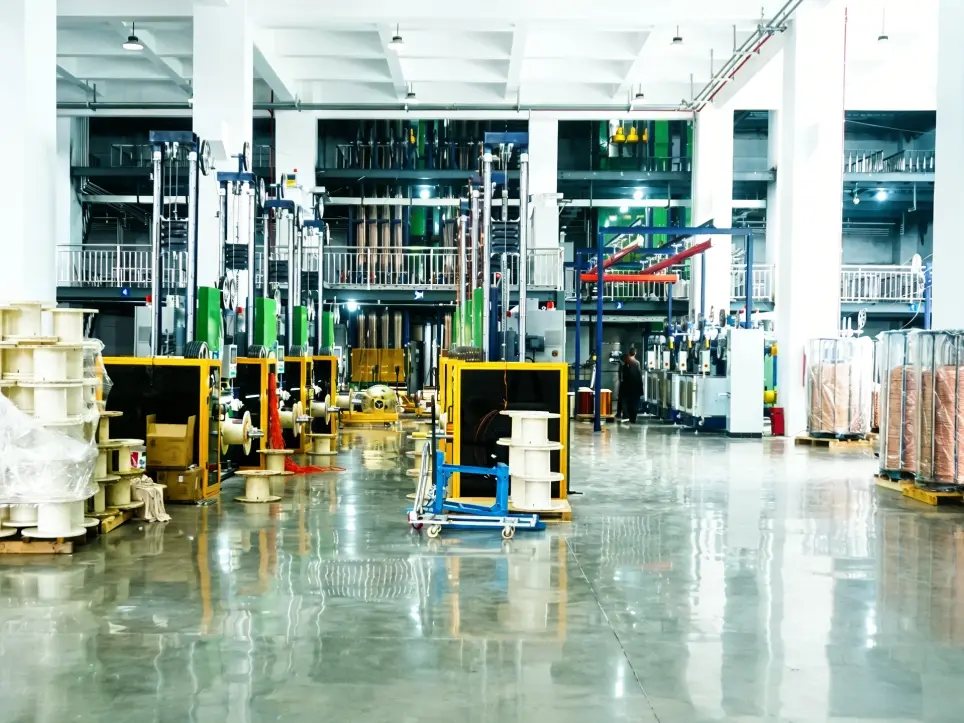
Based in Suzhou, Suzhou Daiming Electrical Materials Co., Ltd. operates a state-of-the-art production facility of 258,333.33 sq ft (24,000 m²) dedicated to high-performance magnet wires. With 30 advanced production lines, our facility integrates inline drawing and continuous enameling systems. Our systems utilize real-time laser diameter control and optical defect detection to ensure precise tolerances across all production runs.
Our commitment to quality extends from metallurgical verification to testing the chemical resistance of the cured insulation. This approach supports a resilient supply chain for industrial enterprises, transformer factories, and motor manufacturers in over 10 countries.
Advanced Production Lines
State-of-the-Art Factory Site
Global Export Target Countries
Our commitment to material quality and process stability delivers consistent, reliable performance for high-stress electrical designs.

Our multi-coat enameling processes ensure uniform thickness and high concentricity, preventing localized electric-field stress points.

Designed to resist insulation degradation under voltage stress and thermal shock, ensuring reliable performance in harsh environments.

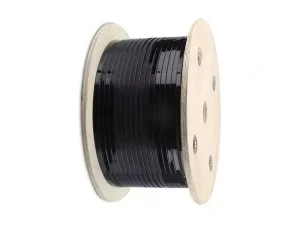
We produce round and flat rectangular profiles to custom configurations, matching your winding space and coil specifications.

Our raw material supply relationships and 30 production lines enable steady delivery and stable lead times.

Our products support highly efficient electrical equipment, helping reduce net operating losses in industrial and energy applications.
From high-efficiency industrial motors to power grid infrastructure, our enameled wires provide the core electromechanical paths for modern power systems.
Stay updated on our materials research, international shipments, and practical insights into market development.
Select from our full catalog, including paper-covered conductors, transposed configurations, and high-temperature round wire variants.
Review technical clarifications regarding polymer selection, testing protocols, and design rules for enameled wire integration.