1 / 3

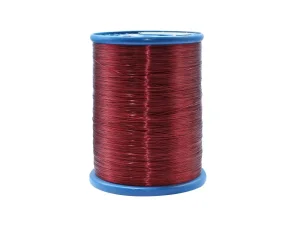
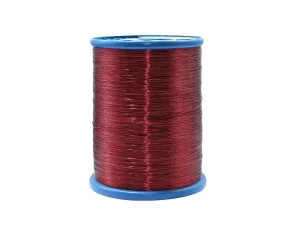
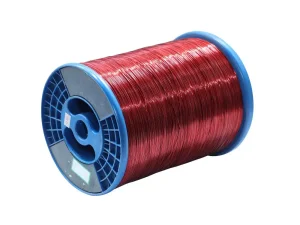
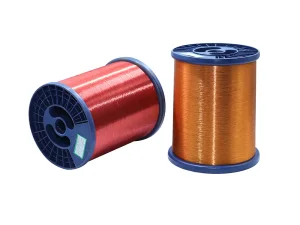
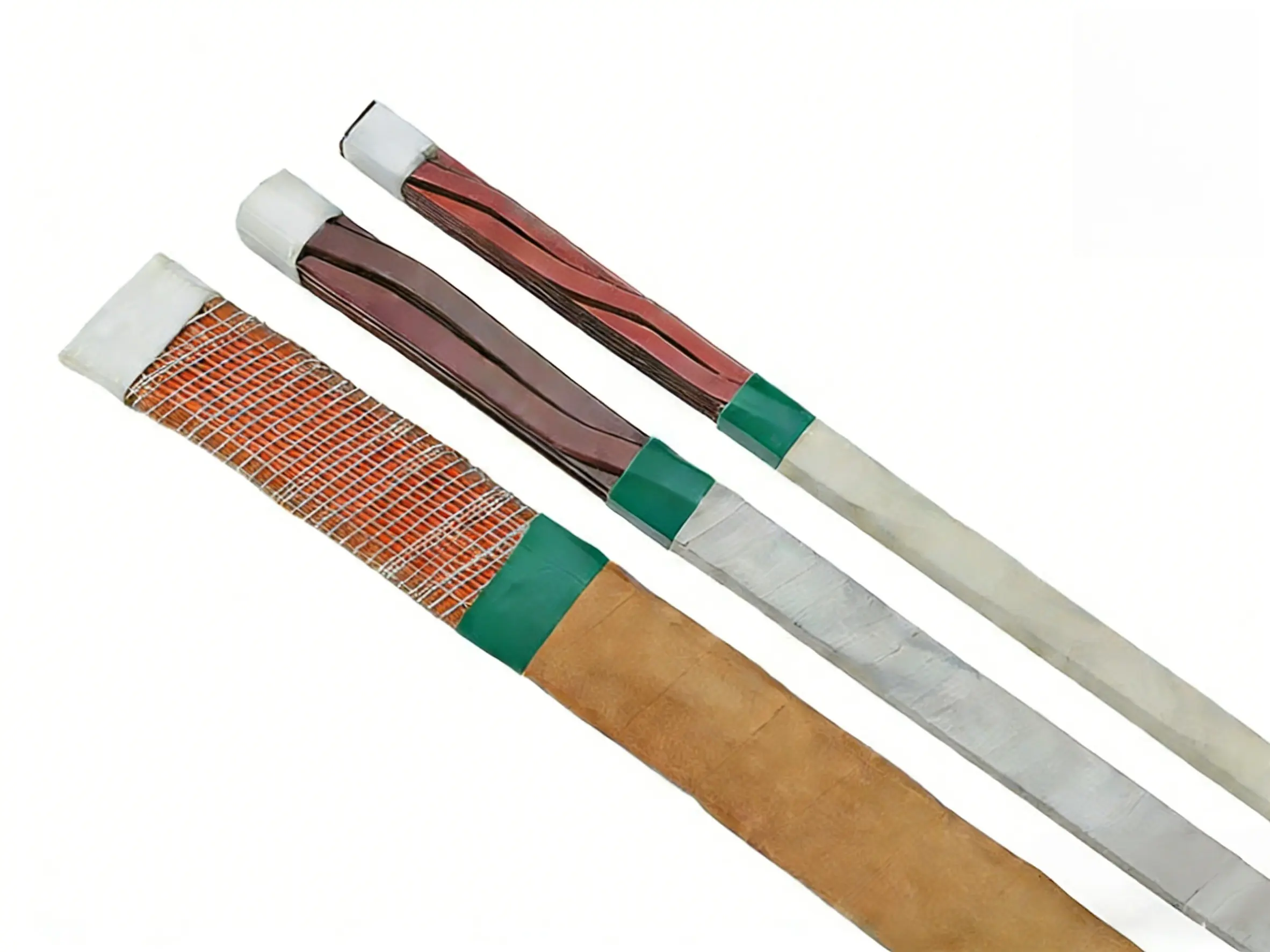
They are primarily classified into two main categories: by the type of enamel coating material used (such as acetal, polyurethane, or polyester) and by the core acetal enameled series process/hardness levels (ranging from soft to semi-hard, and heat-bonded variations).
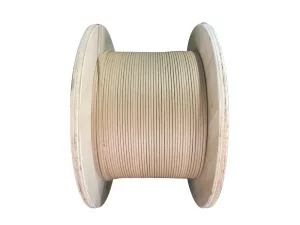
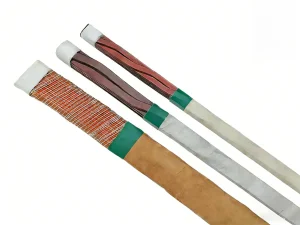
The paper-insulated acetal enameled transposed conductor is the most widely adopted basic type, acting as a mainstream choice for transformer and electrical conductor applications.
The standard enamel coating materials include Acetal, Polyurethane, Polyester, and Modified Polyester. Each material offers distinct characteristics suitable for different electrical design requirements.
Heat-bonded versions feature a core wire that is thermally bonded and precisely shaped during production to increase mechanical integrity, whereas non heat-bonded versions remain in their basic soft or semi-hard state without thermal bonding.
The paper-insulated semi-hard heat-bonded acetal enameled transposed conductor is the top-grade type. It combines a semi-hard core structural strength with a heat-bonded shaped core wire for maximum stability and performance.