Macro Industrial Analysis & Global Supply Chain Dynamics
An expert-level evaluation of magnet wire performance, material shifts, and technological specifications driving modern electromechanical development.
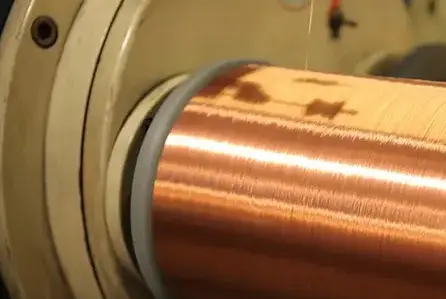
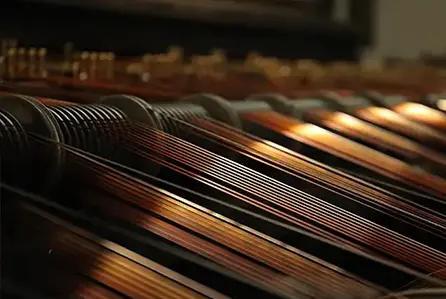
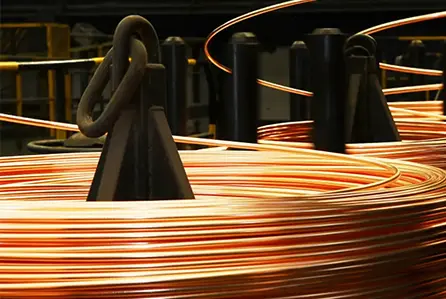
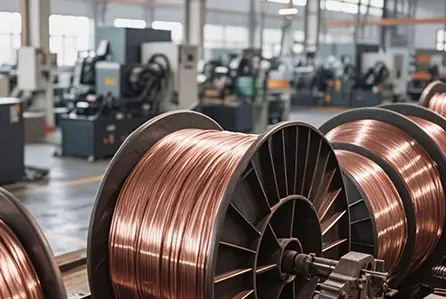
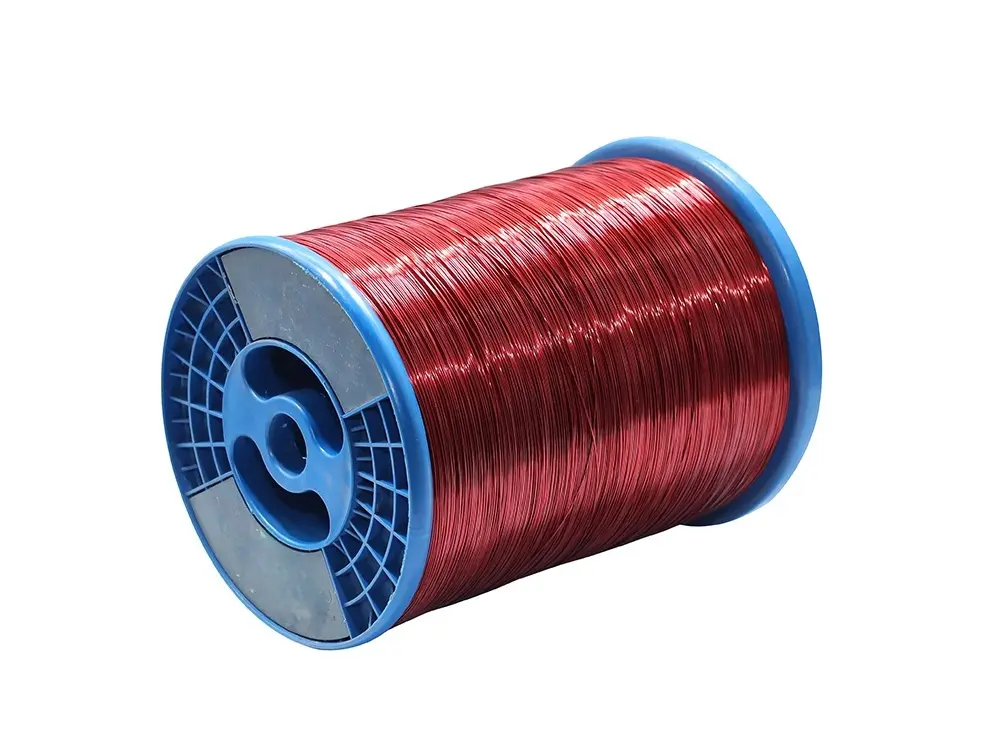
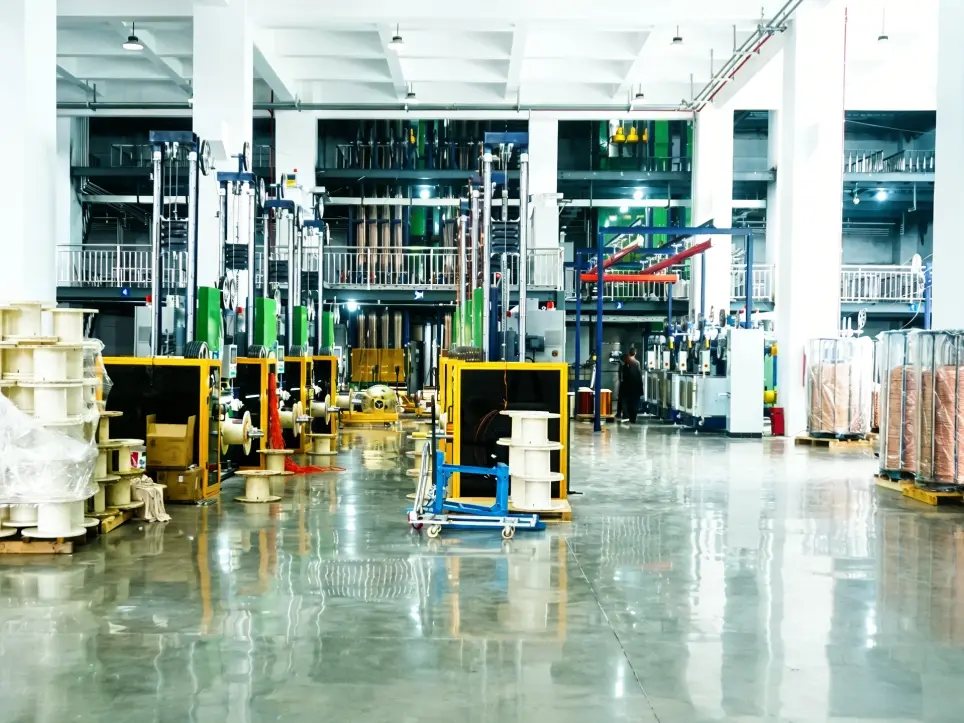
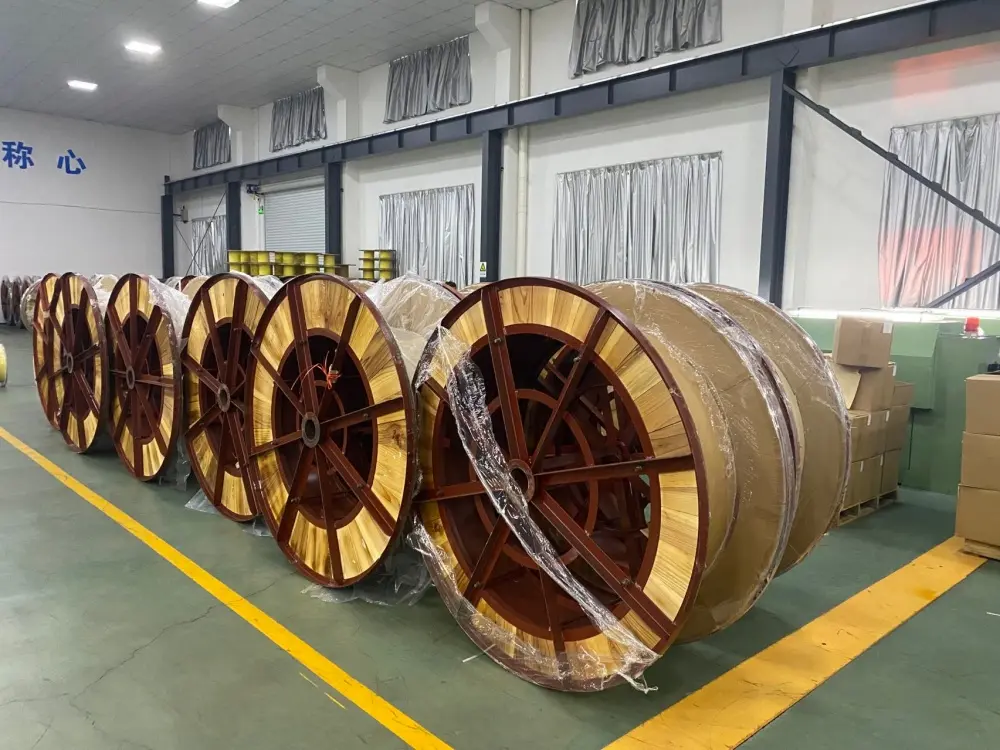
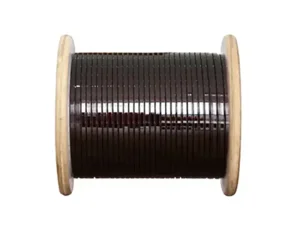
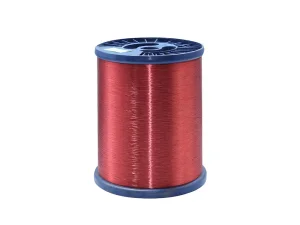
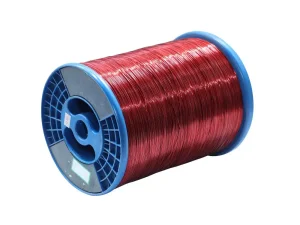
The global industrial ecosystem is undergoing an unprecedented transition towards electrification, requiring high-efficiency electromechanical systems. At the heart of this shift lies the demand for advanced magnet wire—commonly referred to as enameled wire. As leading wholesale enameling wire suppliers, Suzhou Daiming Electrical Materials Co., Ltd. monitors the engineering parameters and supply chain shifts that define this critical niche. Performance requirements are escalating: electric vehicle (EV) traction motors, industrial automation systems, solar inverters, and ultra-high-voltage (UHV) power grids require insulation matrices capable of withstanding extreme thermal, electrical, and mechanical stress profiles.
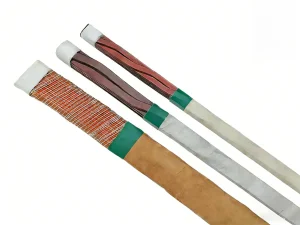
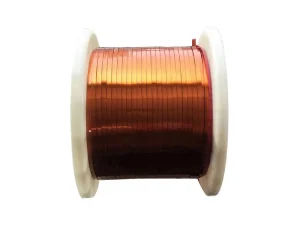
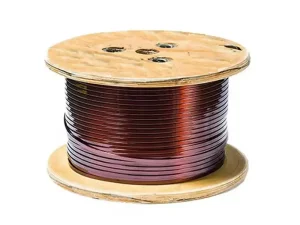
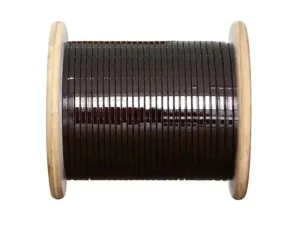
Concurrently, macroeconomic factors, including volatile raw copper LME indexes and global logistical demands, have driven manufacturers to seek alternatives. While copper remains the benchmark for electrical conductivity (100% IACS), engineered aluminum alloys (61-62% IACS) and specialized Copper-Clad Aluminum (CCA) configurations have emerged as key technological solutions. Modern enameled flat aluminum wire offers up to 50% weight reduction compared to round copper alternatives, allowing manufacturers of automotive stator systems and dry-type transformers to optimize their weight-to-power density ratios.
Thermal Resilience
Continuous operation configurations ranging from Class 130 to Class 220/240. Superior stability under sustained thermal loads.
Dielectric Strength
Multi-layered polyurethane (UEW), polyesterimide (EIW), and polyamide-imide (AIW) coatings to eliminate partial discharge risks.
Geometrical Precision
Ultra-precise tolerances for round and rectangular cross-sections, enabling high slot-fill factors in high-efficiency motors.
From an engineering perspective, selecting the right insulation film—whether Polyester (PEW), Polyurethane (UEW), Polyesterimide (EIW), or Polyamide-imide (AIW)—is essential. The selected polymer configuration dictates the magnet wire’s resistance to solvents, moisture, and high-frequency corona discharge. For example, drive motors in electric vehicles operate at high switching frequencies (up to 20kHz) driven by silicon carbide (SiC) inverters. This exposes windings to repetitive voltage overshoots. Consequently, advanced enameled wire for drive motors must incorporate corona-resistant enamel formulations to prevent premature dielectric breakdown.