Explore our engineering-grade winding wire solutions, manufactured under strict international standards to provide superior thermal and dielectric performance.
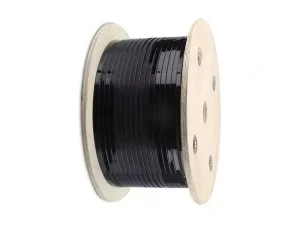
How the electromagnetic wire industry is responding to 800V EV traction motors, high-frequency harmonics, and decarbonization.
The transition to 800V architecture in modern electric vehicles demands magnet wires with unprecedented Partial Discharge Inception Voltage (PDIV) thresholds. Enameled flat copper wires featuring polyimide (PI) and polyamide-imide (PAI) overcoats protect drive motor windings from steep-fronted voltage surges caused by high-speed silicon carbide (SiC) inverters.
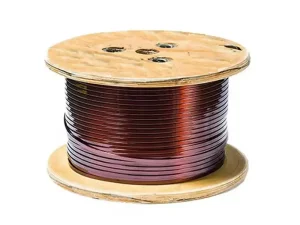
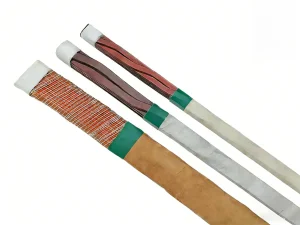
For large power grid transformers, eddy current loss is a critical efficiency bottleneck. CTC bundle structures weave multiple insulated flat wires into a single composite cable, mitigating skin effect losses, decreasing winding temperature, and significantly increasing the overall energy conversion efficiency under heavy electrical loads.
Next-generation aerospace actuators and ultra-compact motors run hot. Utilizing advanced aromatic polymers like polyimide (PI) and corona-resistant enamels enables continuous operation up to 220°C (Class R) and 240°C without structural dielectric breakdown or film delamination.
| Wire Class & Material | Insulation Compound | Thermal Rating (°C) | Key Advantage | Primary Application |
|---|---|---|---|---|
| Class 155 UEW | Polyurethane | 155°C | Direct solderability without stripping | Relays, small motors, solenoid coils |
| Class 180 PEW/EIW | Polyester / Polyesterimide | 180°C | Excellent mechanical toughness & resistance to heat | Industrial motors, generators, dry-type transformers |
| Class 200/220 EIW/AIW | Polyesterimide + Polyamide-imide | 200°C - 220°C | Excellent chemical resistance & thermal overload capacity | EV drive motors, heavy-duty industrial pumps, HVAC compressors |
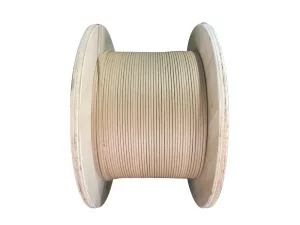
| CTC Conductors | Polyvinyl Formal (PVF) / Kraft Paper Wrap | 105°C - 120°C | Minimizes eddy current losses, maximizes fill factor | Ultra-high voltage (UHV) power transformers |
Standard and custom electromagnetic wire systems driving performance across global key sectors.
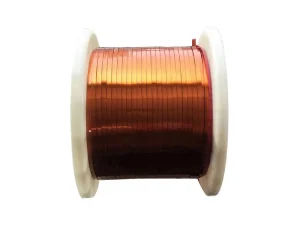
Modern electric drivetrains demand winding wires that can withstand extreme thermo-mechanical stresses. Flat enameled copper wire (hairpin technology) has emerged as the global industry benchmark. Its rectangular geometry allows for a higher slot fill factor (up to 70% compared to ~45% for round wire), optimizing magnetics to achieve higher power density, better thermal dissipation, and longer battery ranges.
Wind power generators and photovoltaic step-up transformers rely on robust enameled transposed conductors (CTC) to withstand erratic grid loading. Our customized CTC configurations reduce load losses, increase short-circuit structural integrity, and extend the lifespan of clean energy grids under harsh environmental conditions.
We supply ultra-high voltage (UHV) power transmission projects with top-tier paper insulated transposed conductors. Using specialized, high-density insulation papers (such as Nomex or high-grade kraft papers), our conductors perform under high electrical stress, facilitating stable long-distance transmission with minimized power loss.
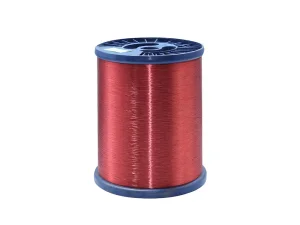
For high-speed robotic joints, servo motors, and micro-sensors, our ultra-fine polyurethane enameled wires (down to 0.05 mm) deliver precise electromagnetic responses. The uniform and pinhole-free insulation film guarantees flawless signals and continuous motion cycles without micro-cracks or insulation fatigue.
Inside our state-of-the-art facility in Suzhou, engineered for high-volume output, strict precision, and zero-defect quality control.
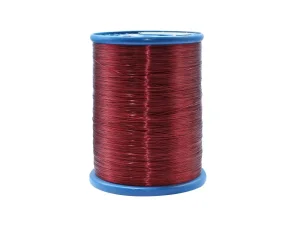
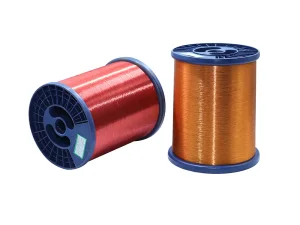
Established as a leading developer and manufacturer of high-quality enameled wires, our product catalog spans enameled aluminum wires, enameled copper wires, and copper-clad aluminum enameled wires (CCAW). By selecting high-grade raw copper/aluminum and utilizing computerized control systems, we ensure consistent properties in flexibility, dielectric strength, and paint adhesion.
From initial copper rod drawing to multi-pass enamel baking, every phase is recorded under a complete traceability system. This data-driven framework allows us to promise quick lead times and custom specifications for global motor and transformer OEMs.

Addressing supply chain risks, price hedging, and exact engineering configurations.
With global copper raw material prices fluctuating, Copper-Clad Aluminum Enameled Wire (CCAW) has become a popular, cost-saving choice. CCAW blends the conductivity of copper with the light weight of aluminum, making it a reliable solution for high-frequency coils, speaker voice coils, and consumer electronic transformers.
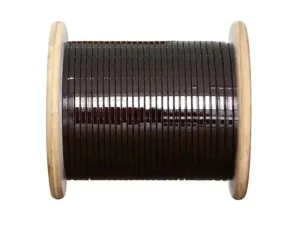
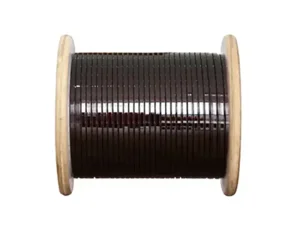
For custom winding applications, standard round wires can fall short. We provide customized dimensional services for flat, square, and rectangular profiles, maintaining thickness tolerances down to ±0.005 mm. This allows for clean layer winding and maximized magnetic efficiency.
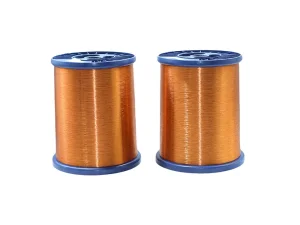
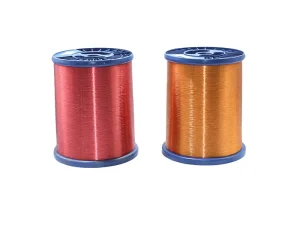
To avoid high-speed winding breakage, wire spool quality is critical. We supply multiple spool models (PT-4, PT-10, PT-25, PT-90, PT-200) with tailored protective packaging to ensure your wires arrive in perfect condition, ready for high-speed automatic winding machines.
How we ensure our products meet environmental, chemical, and industrial certifications worldwide.
Our wire formulations undergo regular third-party chemical testing to ensure they are free from hazardous substances, supporting clean and safe production.
Approved thermal class safety ratings under UL test standards (UL file system integration) to streamline your product approval process.
Strict operational procedures across our manufacturing lines to meet the strict quality standards of the automotive and energy supply chains.
Export operations with complete documentation, customized crates, and flexible shipping options to ensure smooth logistics.
Explore our advanced specialty wire range, designed for high-power installations, industrial automation, and reliable motor design.
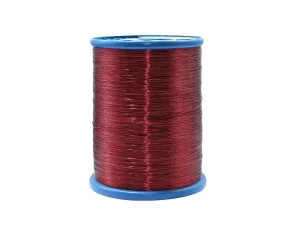
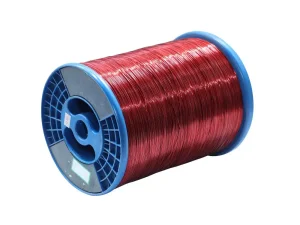
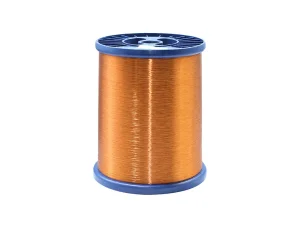
Direct answers to common questions about electromagnetic wire specifications, manufacturing limits, and custom designs.
Enameled aluminum wire is approximately 30% lighter than copper wire and provides high cost-efficiency, making it a popular choice for weight-sensitive applications. While its electrical conductivity is about 61% of copper's, the weight-to-conductivity ratio makes it an excellent choice for automotive alternators, microwave oven transformers, and industrial generators where weight and material costs are key considerations.
A Class 220 wire features a base layer of polyesterimide (EIW) and an outer layer of polyamide-imide (AIW/PAI). The PAI overcoat provides high chemical resistance, mechanical toughness, and thermal stability. This allows the wire to resist breakdown from harsh solvents, heat, and high physical stress during automatic coil winding processes.
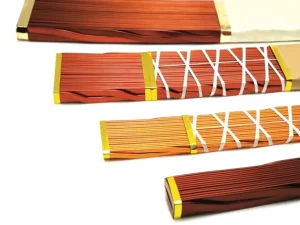
CTC structures consist of individual insulated rectangular copper strips arranged in a transposed pattern. This transposing ensures that each strip shares the magnetic field equally, minimizing eddy current losses. CTC also increases space utilization (slot fill factor) and improves mechanical strength against short-circuit forces.
CCAW wire features an aluminum core metallurgically bonded to an outer copper sleeve. This structure leverages the skin effect under high-frequency operation, where currents flow primarily along the outer copper layer. It is a cost-effective and light alternative for high-frequency applications like voice coils, communication cables, and lightweight inductors.
We pass the wire through multiple application and baking stages (often up to 20-30 passes) to build the enamel layer gradually. Our production lines use inline laser diagnostics to monitor thickness and high-voltage testing systems to detect and eliminate dielectric defects during extrusion.
Yes, we provide custom wire diameters, cross-sectional dimensions, and custom enamel configurations (such as corona-resistant coatings or bondable overcoats). Our engineers work with you to match your requirements for slot design, temperature rating, and chemical resistance.