Ho Chi Minh City & Global Enameled Flat Copper Wire Industrial Whitepaper
An in-depth analysis of high-temperature magnet wire technologies, localization drivers in Southern Vietnam's industrial parks, and global supply chain integrations.
1. Introduction to Rectangular Winding Wires in Next-Gen Electrification
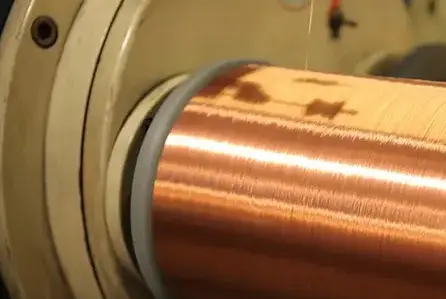
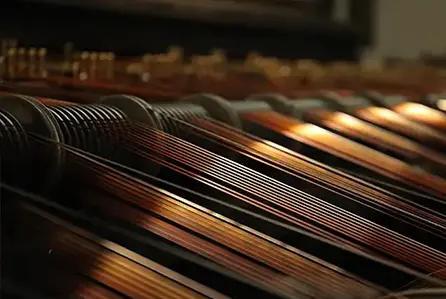
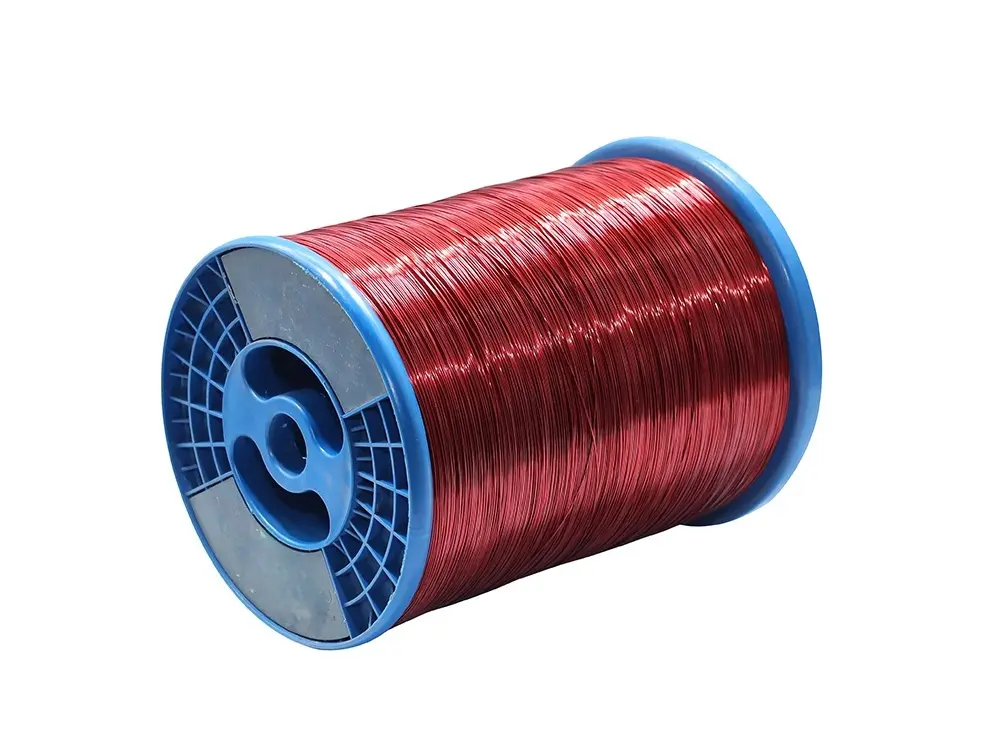
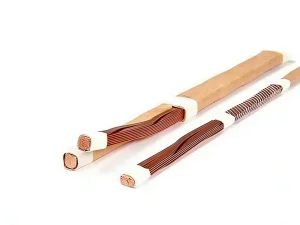
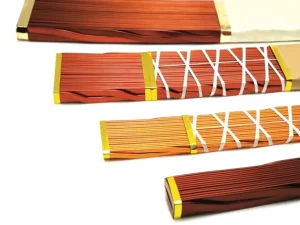
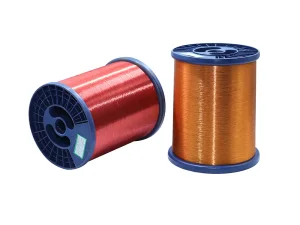
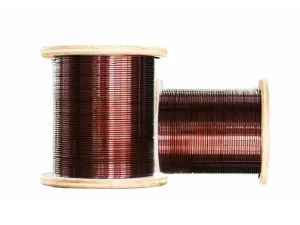
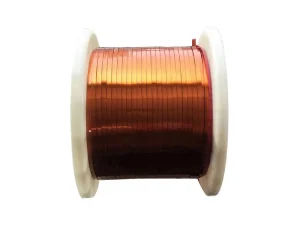
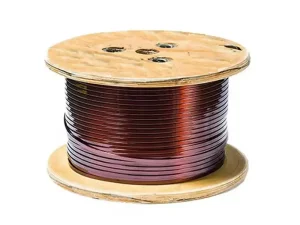
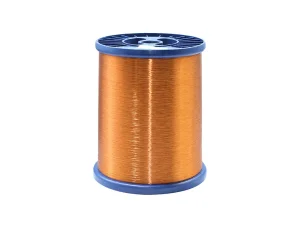
In modern industrial design, electrical efficiency, thermal reliability, and spatial optimization have become key factors for equipment manufacturing. Enameled flat copper wire, also referred to as rectangular magnet wire, represents a significant advancement over standard round wires. By featuring a rectangular cross-section, flat copper wire allows engineers to design denser winding packages, achieving a much higher space-fill factor (up to 85% compared to round wire's typical 60%).
As Vietnam positions itself as an electronics and green energy hub in Southeast Asia, the demand for high-reliability components is rising rapidly. For procurement officers, quality control engineers, and project leads in Ho Chi Minh City (HCMC), securing reliable international suppliers for high-temperature enameled flat copper wire is a key part of operational scalability.
2. Ho Chi Minh City’s Industrial Transformation & Local Market Demands
Ho Chi Minh City, surrounded by key industrial provinces like Binh Duong, Dong Nai, and Long An, serves as the economic driver of Vietnam. Industrial areas such as the Saigon Hi-Tech Park (SHTP) and Tan Thuan Export Processing Zone host manufacturing facilities for consumer electronics, automotive parts, and high-voltage power distribution equipment.
- The EV Revolution & Automotive Component Hubs: Global automotive tier-1 suppliers and local manufacturers in HCMC are scaling up production lines for Electric Vehicles (EVs). Flat copper wires are critical in traction motors because they maximize power output while fitting into tight spaces.
- Grid Modernization Projects: Vietnam's National Power Development Plan VIII (PDP8) highlights grid stability and renewable energy integration. High-capacity transformers built in and around HCMC rely heavily on Continuously Transposed Conductors (CTC) and Class 200/220 enameled flat copper wires to reduce power losses.
- Industrial Automation and Precision Motors: The automation factories along the HCMC-Dong Nai corridor require reliable winding wire supplies that can withstand constant thermal cycle stress and electrical harmonics.
3. Comparing Thermal Classes: PEW, EIW, AIW & Polyimide Magnet Wires
Choosing the correct insulation thermal class is essential for long-term equipment performance. Enameled flat copper wires are classified by their thermal index, which determines the maximum continuous operating temperature the insulation can withstand before degrading:
- Class 180 (PEW/EIW): Typically coated with Polyesterimide. This class offers excellent windability and balanced mechanical strength, making it ideal for standard industrial motors and medium-voltage transformer coils.
- Class 200 (EIW/AIW): Formulated with a Polyesterimide base coat and a Polyamide-imide (PAI) top coat. This combination provides great resistance to heat, chemicals, and mechanical friction, making it suitable for automotive alternators and hermetic compressors.
- Class 220 (AIW/Polyimide): Coated with Polyamide-imide or Polyimide. These wires are designed for extreme conditions, such as aviation equipment, traction motors, and high-power density electric drive systems.
4. The Move to 800V Systems & High-Frequency Inverters
The industry is moving toward high-voltage designs, particularly 800V motor drives in EVs and high-frequency inverters in solar power systems. Higher voltages increase the risk of partial discharge and corona damage to the enamel coating. To address this, modern magnet wire factories are developing corona-resistant enameled flat copper wires, which utilize nano-composite insulation layers to disperse electric stress and extend the operating life of motors.