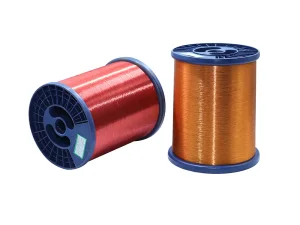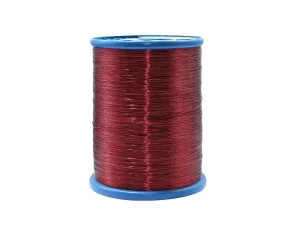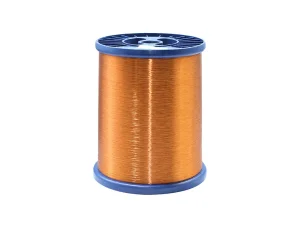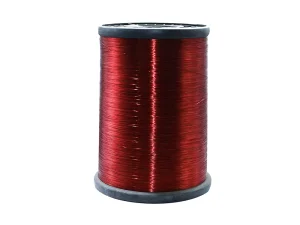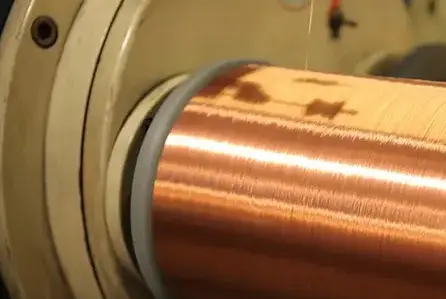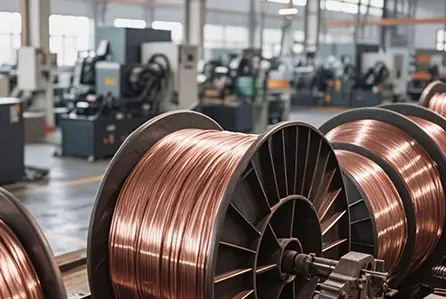
Explore our wholesale selection of high-performance enameled copper and aluminum wires directly sourced from our advanced ISO-certified production lines.
In the modern electrical and electronics manufacturing ecosystem, the demand for precision, efficiency, and reliability has positioned Polyurethane Enameled Copper Wires (UEW) as a cornerstone technology. Often categorized globally under standard definitions of high-frequency electromagnetic winding wires, these conductors utilize specialized polyurethane resins as insulation layers. The primary advantage of polyurethane formulation lies in its exceptional "direct solderability"—the chemical coating decomposes at high temperatures (typically 360°C to 400°C), allowing operators to solder connections without prior mechanical or chemical stripping of the insulation film.
Globally, the transition to high-frequency applications, miniature relays, ignition coils, telecommunications equipment, and micro-motors has driven massive industrial demand for Class 155 and Class 180 polyurethane copper wires. With the rise of modern industrial automation, the mechanical resilience, moisture resistance, and low dielectric loss characteristics of these cables are critical. As key players in the global grid infrastructure transition, procurement professionals prioritize factories capable of offering high chemical consistency, precise diameter controls, and stable thermal indexes.
Traditional polyester or polyimide insulations require manual stripping or aggressive chemical baths before soldering, raising labor costs and defect risks. Polyurethane insulation melts away cleanly during soldering, drastically lowering assembly cycle times in automotive sensor and transformer production.
Understanding the properties of different polymer coatings is essential to selecting the right wire for specific thermal and operational conditions.
| Insulation Type | Common Abbreviation | Thermal Class (°C) | Direct Solderability | Key Performance Strengths | Typical Industrial Applications |
|---|---|---|---|---|---|
| Polyurethane | UEW / PEW | 130, 155, 180 | Yes (360°C - 400°C) | Excellent high-frequency dielectric properties, moisture resistance, easy termination. | Small relays, ignition coils, automotive sensors, micro-motors. |
| Polyester | PEW | 155, 180 | No | High mechanical strength, robust solvent resistance, cost-efficient. | Standard electric motors, power generators, ballast coils. |
| Polyesterimide | EIW | 180, 200 | No | Superb thermal stability, excellent resistance to heat shock and chemicals. | Hermetic compressors, heavy-duty industrial motors, automotive alternators. |
| Polyimide-imide Overcoat | EI/AIW | 200, 220 | No | Exceptional resistance to high temperatures, chemical solvents, and corona discharges. | 800V EV traction motors, dry-type high-voltage transformers. |

Established as a benchmark of engineering precision in China, Suzhou Daiming Electrical Materials Co., Ltd. specializes in the research, development, and high-volume fabrication of elite-grade enameled wires. Our core catalog spans across enameled aluminum wires, enameled copper wires, and copper-clad aluminum (CCA) enameled wires designed to support high-frequency electronics and energy-efficient transformers.
Situated on a sprawling 258,333.33 ft² state-of-the-art production facility, our infrastructure houses 30 advanced continuous drawing and enameling lines. These lines integrate real-time laser monitoring, automatic tension controls, and computerized paint-baking systems to ensure uniform insulation thickness and eliminate concentricity defects. Through strict adherence to international standards including IEC, NEMA, and JIS, we provide continuous stable outputs for partners across more than 10 cooperating countries.
Our commitment to raw material excellence, thermal durability, and bespoke engineering supports global OEMs and electrical winding contractors.

Strict process controls yield highly uniform polymer films, ensuring robust dielectric breakdown strength and consistency.

Engineered to resist heat shock, mechanical winding stress, scratching, and high-pressure degradation during manufacturing.

Custom wire gauge diameters and insulation classes tailored to meet tight mechanical tolerance specs for compact designs.

Highly optimized raw materials sourcing and high production capabilities secure on-time delivery even during market volatility.

Designed for next-generation electric vehicle drive motors, high-efficiency smart grids, and eco-friendly consumer electronics.
Our diversified product ranges encompass diverse conductor cores and layouts optimized for specific power distribution and high-frequency needs.

Excellent high-thermal performance for heavy industrial transformers and lightweight motor windings.
Request Quote
Cost-efficient wire design ideal for consumer electronic coil assemblies and simple relays.
Request Quote
Mid-to-high thermal grade enameled wire offering high chemical resistance and mechanical resilience.
Request Quote
Solderable polyurethane enameled aluminum wire helping to accelerate factory winding assembly lines.
Request Quote
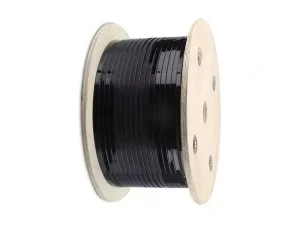
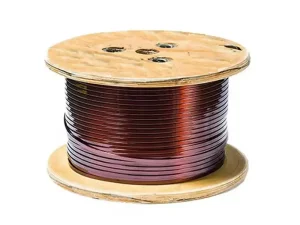
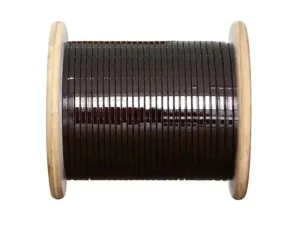
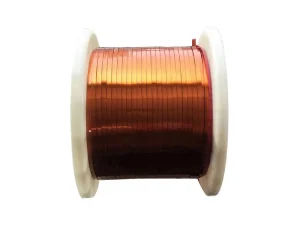
Rectangular wire geometry to maximize space factors in heavy industrial traction motor slots.
Request Quote
Universal grade copper wire with excellent conductivity, electrical stability, and surface adhesion.
Request Quote
Polyurethane resin coating allows rapid direct soldering at 380°C. Perfect for high-frequency transformers.
Request Quote
High heat resistance, designed to withstand continuous operating stresses in industrial generators.
Request Quote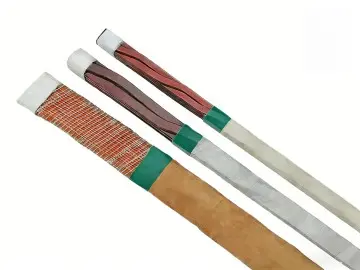
Engineered to minimize eddy current losses in ultra-high voltage power distribution transformers.
Request Quote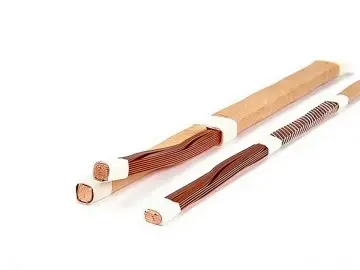
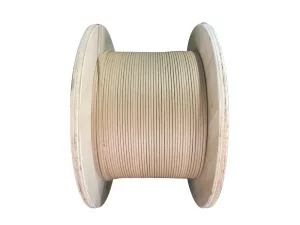
Utilizes high-density electrical kraft paper overcoat to deliver superior insulation strength.
Request Quote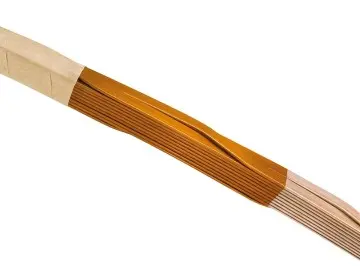
Combines mechanical toughness with electrical efficiency to withstand short-circuit stresses.
Request Quote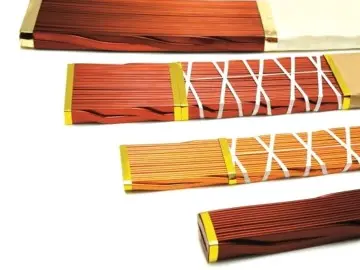
Improves oil circulation cooling in large grid-level power transformer winding architectures.
Request QuoteOur components are integrated directly within critical systems driving industrial growth, grid transformations, and automotive engineering.
High fill-factor flat wires and enameled copper materials designed to optimize energy conversion and magnetic flux inside traction stators.
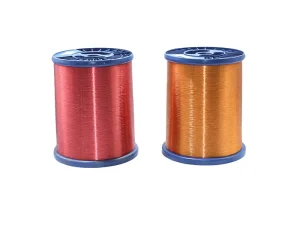
Micro-diameter polyurethane copper wires supporting solder-free connections in consumer electronics, precise control units, and relays.
Superior resistance to mechanical vibration and chemical solvents, providing long-term reliability in precise feedback sensors.
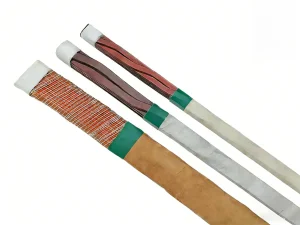
Heavy-duty CTC transposed conductors maximizing energy transfer efficiency and mitigating cooling challenges in power grid stations.
The convergence of green mobility, high-voltage networks, and raw material volatility requires adaptive manufacturing and material breakthroughs.
The electric vehicle industry is actively transitioning from 400V systems to 800V drive platforms to enable ultra-fast charging. This shift exposes winding wires to high-frequency partial discharges and corona degradation. Manufacturers are developing specialized insulation mixtures containing inorganic nano-fillers and flat-shaped enameled wires (hairpins) to eliminate air voids, dissipate heat rapidly, and enhance dielectric breakdown thresholds.
As global copper prices remain volatile, CCA enameled wires present an ideal compromise. Combining the electrical properties of a copper surface outer sleeve with the lightweight characteristics of an aluminum core, CCA wires reduce structural weights by up to 40% and overall production costs by 30%. This makes CCA highly attractive for weight-sensitive high-frequency coils, speaker voice coils, and consumer electronics.
Smart devices, medical hardware, and aerospace equipment require increasingly compact and dense coil assemblies. Winding wire production is pushing into ultra-fine diameter segments (below 0.05 mm). Producing wire at this scale demands cleanroom-level filtration, advanced multi-stage cooling lines, and zero-vibration drawing machinery to prevent micro-fractures, stretching, or pinhole defects in the insulation layer.
Essential guidance on selection standards, insulation grades, and mechanical testing protocols for engineers and procurement directors.
The major advantage of Polyurethane Enameled Wire (UEW) is its direct solderability. During terminal connection, the polyurethane film decomposes quickly at 360°C to 400°C without producing toxic vapors, allowing technicians to directly solder the wire to connection points. This eliminates manual or mechanical insulation stripping, significantly boosting production throughput and reducing mechanical damage on fine wire gauges.
These grades indicate the thickness range of the enameled coating over the copper or aluminum conductor, as defined by standards like IEC 60317. Grade 1 has the thinnest insulation layer (suitable for compact coil spaces), Grade 2 provides a thicker coating for enhanced voltage resistance, and Grade 3 offers the thickest layer, providing maximum protection against electrical breakdown and mechanical wear.
China's efficiency stems from complete industrial integration. Major manufacturers, such as Suzhou Daiming, maintain drawing and enameling processing under a single roof, reducing raw material handling times. Proximity to local copper refineries and ports minimizes transport overhead. Additionally, automated, high-speed multi-wire drawing machinery enables mass production with strict quality consistency at lower operational costs.
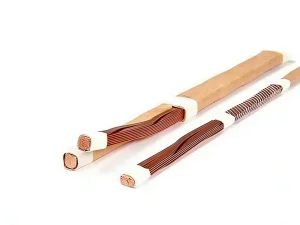
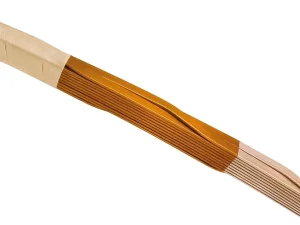
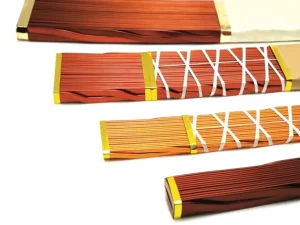
CTC consists of multiple rectangular enameled copper wires transposed to form a bundle. This layout prevents current crowding (skin effect) across individual strands, drastically reducing eddy current losses. CTC also increases mechanical strength, helping transformers withstand magnetic short-circuit forces.
Key tests include: (1) Pinhole Testing to check for gaps in the insulation coating; (2) Breakdown Voltage Testing to confirm dielectric limits; (3) Springback Testing to evaluate winding flexibility; and (4) Solderability Testing to ensure the coating melts cleanly within the specified temperature window.
Stay informed with the latest technological developments, export highlights, and material science trends from our production experts.
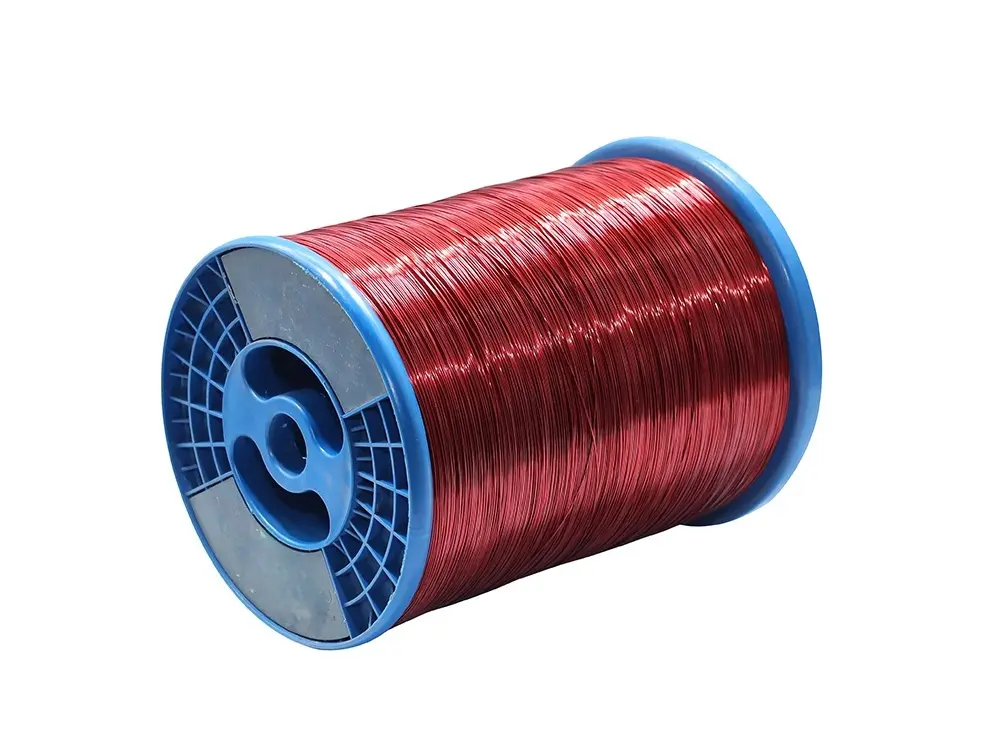
Discover how modern industrial automation and advanced coil winding processes are leveraging enameled aluminum wires to optimize cost and performance...
Read Article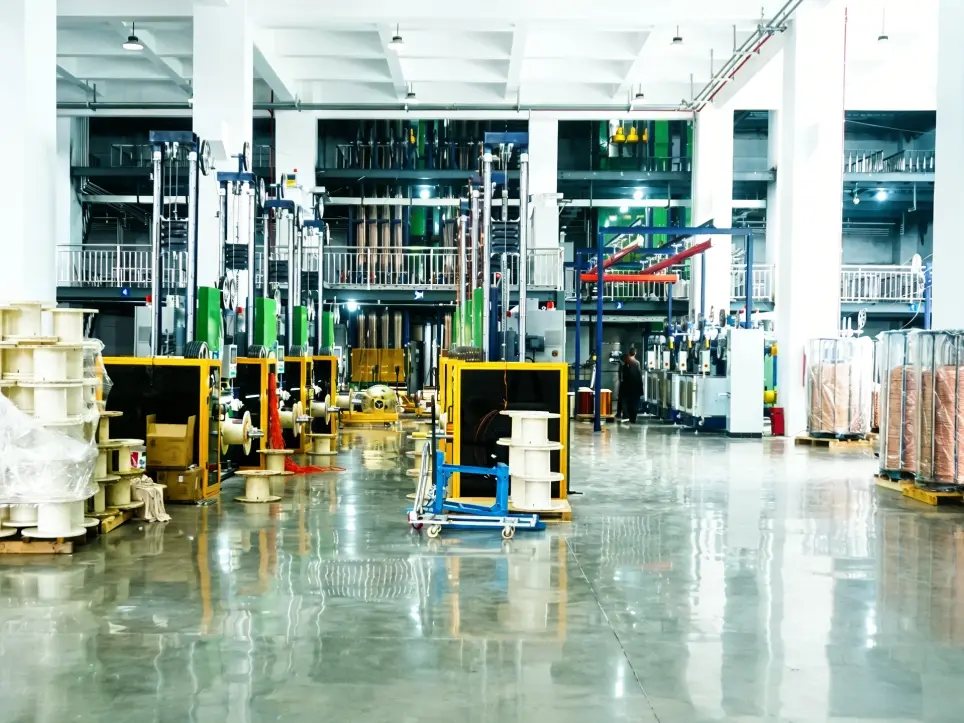
With raw material costs fluctuating, learn why CCA enameled wire has become the preferred alternative for manufacturers looking to reduce material expenses...
Read Article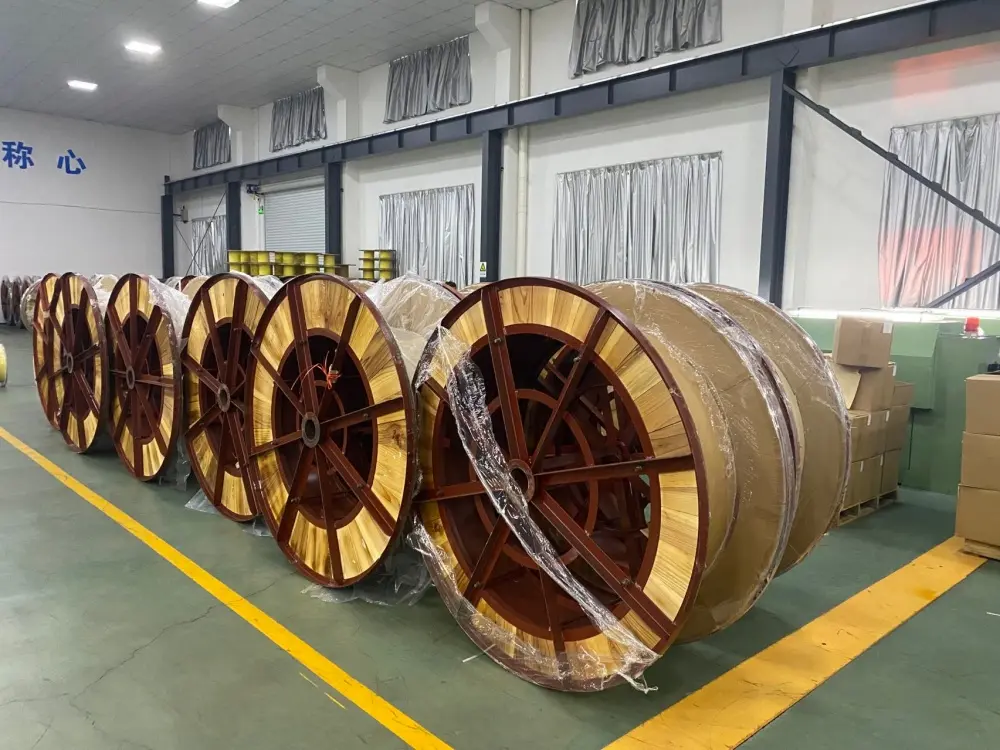
Highlighting our latest international shipment of continuously transposed conductors (CTC) to Turkey, contributing to the modernization of Eurasian grids...
Read ArticleBrowse our advanced enameled flat copper conductors, CTC mesh-wrapped options, and motor-grade wires.