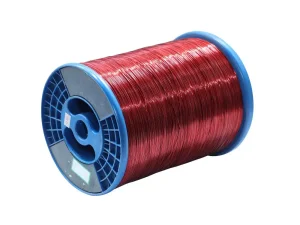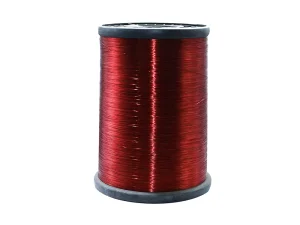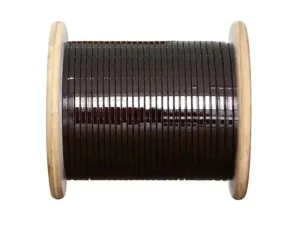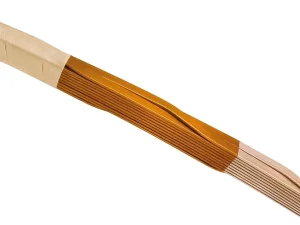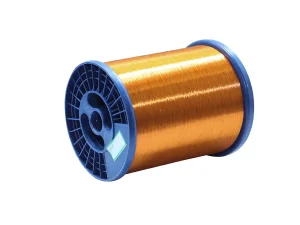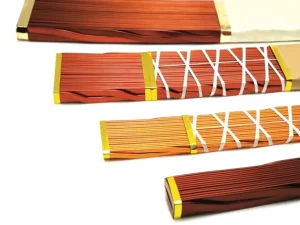
Explore our top-tier enameled, paper-covered, and transposed insulated configurations engineered for heavy-duty electrical applications.
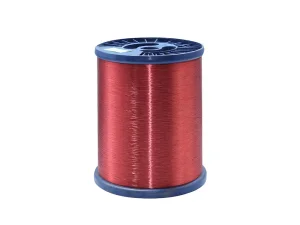
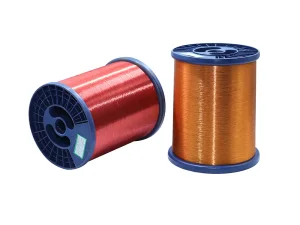
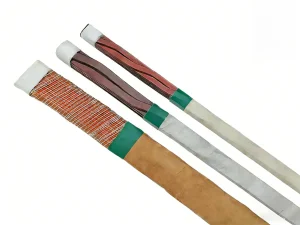
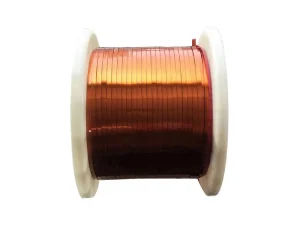
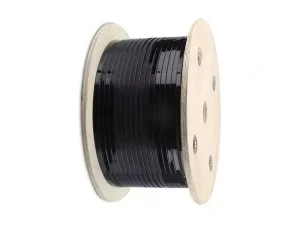
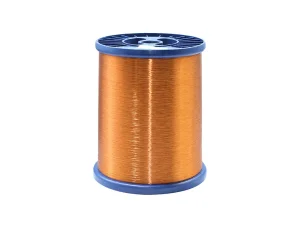
In modern electrical engineering, the classification of High Voltage Insulated Cables and specialized winding conductors represents the backbone of high-capacity transmission, smart grid integration, and heavy industrial automation. Whether dealing with ultra-high voltage (UHV) power transformer systems or high-efficiency traction motors, the reliability of electrical systems hinges on the physical, thermal, and chemical integrity of the insulating materials used. As a premier global exporter, Suzhou Daiming Electrical Materials Co., Ltd. sits at the intersection of material science innovation and high-volume industrial output.
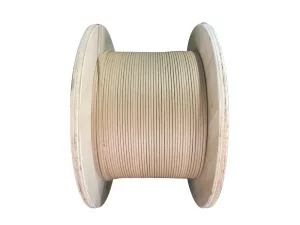
High voltage insulated structures are strictly defined by their electrical breakdown resistance, dielectric loss angle tangent, and continuous working temperature performance. In high-power transformers, standard configurations include Continuously Transposed Conductors (CTC), paper-covered flat aluminum/copper wires, and enameled wires spanning thermal classes from Class 130 to Class 220.
Operating from a 258,333.33 ft² state-of-the-art facility, Suzhou Daiming Electrical Materials Co., Ltd. runs 30 advanced production lines. The centralization of the Chinese supply chain provides deep economic and qualitative benefits:
Navigating global regulatory frameworks requires deep compliance alignments. As a veteran exporter, we support and maintain compatibility with standard certification systems worldwide:
Customer Needs as the Core & Technological Innovation as the Base
Suzhou Daiming Electrical Materials Co., Ltd. is a premier manufacturing enterprise specializing in high-performance enameled aluminum wires, enameled copper wires, and copper-clad aluminum enameled wire designs. Supported by tenured engineers with over ten years of deep sector experience, we ensure that every spool produced meets the extreme heat, pressure, and mechanical tolerances of today's grid and industrial automation frameworks.
Our commitment to rigorous testing and mechanical precision across five distinct core dimensions.
Utilizing high-purity enamel bases to achieve uniform coating thicknesses, assuring minimal pinhole rates and optimized insulation barriers.
Designed to perform under extreme ambient temperatures and continuous electrical stresses, minimizing the threat of grid failure.
Offering precise, application-specific dimension adjustments tailored to local grid and system topologies.
Backed by deep storage options and high-efficiency material logistics hubs to maintain continuous procurement pipelines.
Targeting optimization of energy grids and EV drivetrains, driving down systemic electrical power losses globally.
Daiming's technical team provides comprehensive consultation on enamel thickness, wire dimensions, and thermal certifications.
Consult Our Engineering OfficeOur high voltage insulated conductor systems are implemented globally across a wide range of mission-critical electrical environments.
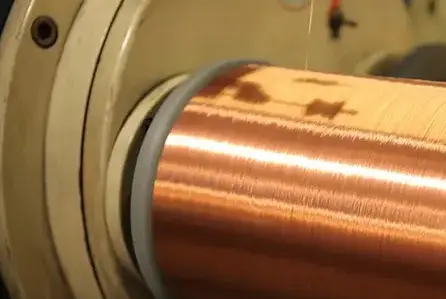
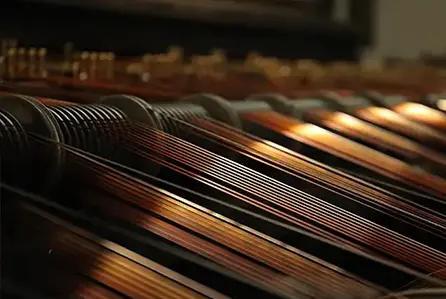
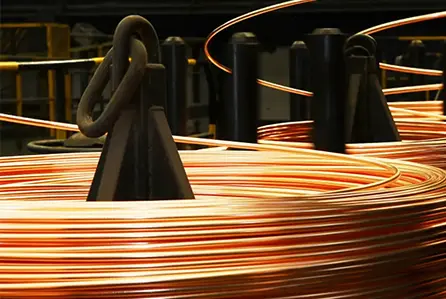
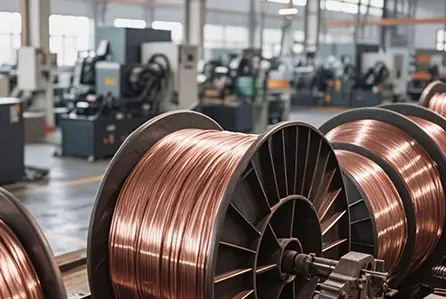
For international procurement managers, securing bulk supplies of enameled wires and CTC systems requires deep due diligence of factory capacity, delivery timelines, and chemical compliance. Key performance indicators (KPIs) during evaluation must include:
In 2026, the high-voltage winding wire industry faces a shift toward higher operating voltages, particularly highlighted by the widespread adoption of 800V drive architectures in electric vehicles. As systems move to higher voltages, insulation technology must adapt to prevent partial discharge phenomena. Our research team focuses on developing multi-layered hybrid coatings designed to absorb high voltage spikes without degrading the copper or aluminum core. The transition to higher efficiency standards in distribution grid upgrades globally is also boosting demand for Continuously Transposed Conductors (CTC), which reduce losses in extra-high voltage power links.
Stay informed with the latest global developments, shipping dispatches, and engineering reports from Suzhou Daiming.
Suzhou Daiming successfully dispatched high-capacity paper-insulated CTC conductor batches to Turkey, reinforcing substation infrastructure developments across the Eurasian energy bridge.
An analysis of the economic performance of enameled aluminum wire systems as manufacturers look for cost-efficient solutions amid global market price fluctuations.
This technical review outlines how Copper-Clad Aluminum Enameled wire balances structural conductivity with weight reductions, offering a cost-effective design alternative.
Technical responses addressing common engineering and sourcing questions about insulated winding wire systems.
CTC consists of multiple individual enameled flat wires transposed in a continuous sequence, wrapped in paper insulation layers. This design significantly reduces magnetic field-induced eddy current losses in high-voltage transformers and minimizes local hot spots, helping extend the overall operating life of the equipment.
Class 220 enameled wire uses a modified Polyamide-imide (AIW) topcoat over a Polyesterimide base, allowing it to withstand continuous exposure to operating temperatures up to 220°C without insulation breakdown. Class 180 wire typically utilizes Polyesterimide coatings rated for a maximum of 180°C.
At Daiming, we conduct a series of quality verification tests: laser dimension analysis for coating thickness, springback and elongation tests for windability, thermal shock testing, pinhole checking via saline bath exposure, and high-voltage dielectric breakdown testing to verify real-world reliability.
Modern EV drivetrains are transitioning to 800V systems to support faster charging rates and lower copper line weights. This increase in voltage requires motor winding insulation to withstand higher electrical stress and potential partial discharge, pushing the demand for thicker, high-thermal-resistant enameled wires and custom flat conductors.
Browse our extended product portfolio featuring high-conductivity options and specialized flat conductors.