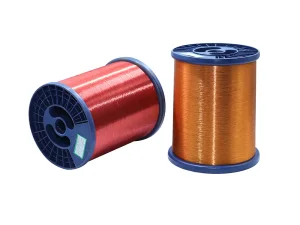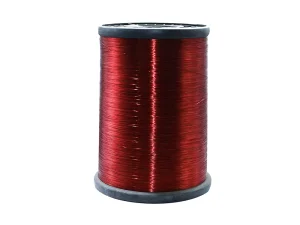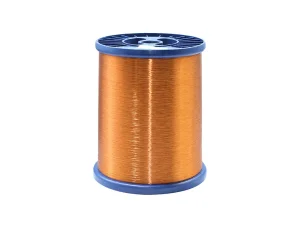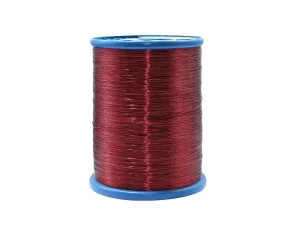
Explore our core selection of high-performance winding wires engineered for demanding electric motors, power transformers, and generator systems.
Analyzing key structural shifts in high-performance winding wire applications across aerospace, new energy vehicles, and power grid modernizations.
The global energy transformation requires an unprecedented upgrade in high-efficiency electrical equipment. At the heart of this physical transition is the enameled magnet wire—the core component driving energy conversion in everything from electric vehicle (EV) drivetrains to industrial motor platforms and massive power transformers. Winding wires are no longer just basic passive components; they are highly customized, thermal-resistant conductor systems designed to work reliably in severe environments under high voltages, high temperatures, and high frequencies.
Modern commercial and industrial programs require strict optimization of space, weight, and energy efficiency. For example, the shift toward 800V EV architectures demands magnet wire with high corona resistance, high-temperature stability, and low dielectric breakdown. Simultaneously, the deployment of wind and solar installations requires robust step-up transformers and reactors utilizing specialized Continuously Transposed Conductors (CTC) to minimize high-frequency eddy current losses. Navigating this landscape requires deep engineering collaboration between global industrial procurement teams and specialized domestic manufacturers capable of producing high-grade copper and aluminum materials to precise specifications.
Drivetrain motors operating up to 800V require winding wires with advanced PAI overcoated PEI insulation films. This technology protects motors from partial discharges and high-voltage stress during rapid inverter switching.
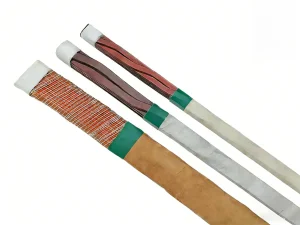
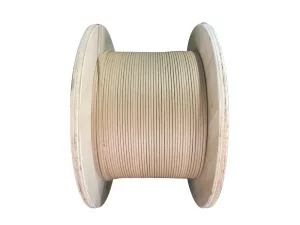
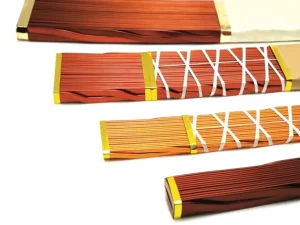
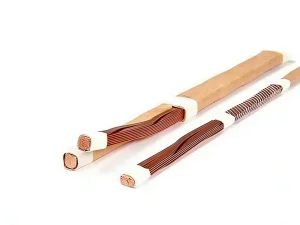
Large-scale grid systems rely on Continuously Transposed Conductors (CTC) wrapped with premium insulating paper to improve mechanical strength, decrease winding space, and minimize load losses.
Servomotors and automation sensors require extreme chemical resistance and mechanical flexibility. Wires must withstand tight bending radii and constant thermal cycles without insulation cracking.
With customer-focused innovation at our core, we manufacture high-performance enameled wires designed to meet rigorous international standards.
Suzhou Daiming Electrical Materials Co., Ltd. is a leading manufacturer specializing in the development and high-volume production of premium magnet wires. Our product range includes enameled aluminum wires, enameled copper wires, and advanced copper-clad aluminum (CCA) enameled wires. Located on a 258,333.33 ft² state-of-the-art production facility, our factory operates 30 advanced production lines. This infrastructure allows us to maintain a stable output of high-precision wires to support continuous, global manufacturing demands.
Our engineering team has more than ten years of experience in the industry, with deep expertise in wire drawing, custom polymer insulation formulation, and testing standards like IEC, NEMA, and JIS. By controlling quality at every production step—from raw copper rod sourcing to final inline laser diameter measurements—we deliver magnet wires with superior paint film consistency, high voltage protection, and low return rates.
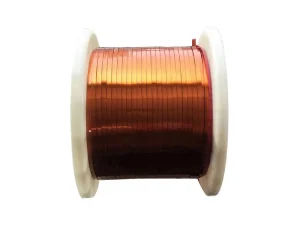
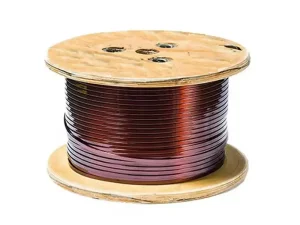
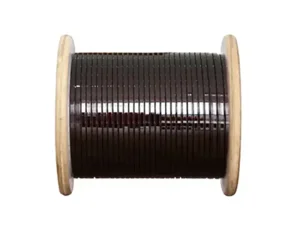
From flat profiles to continuously transposed conductors, we manufacture specialized winding profiles to optimize space and efficiency.
Manufactured from high-purity electrolytic copper. It offers high conductivity, thermal stability up to Class 220, and excellent flexibility for demanding winding layouts.
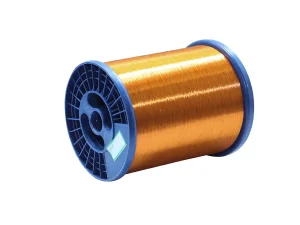
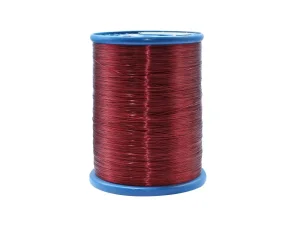
An excellent option for lightweight design and cost reduction in applications like microwave ovens, ballast transformers, and lightweight air conditioning motors.
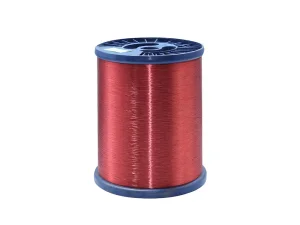
Combines the conductivity of copper with the light weight of aluminum. This hybrid wire provides high-frequency performance and prevents overheating in signaling and power systems.
Designed for large electrical power networks, utilizing multi-strand transpositions to lower electrical losses and increase structural stability under high-stress short circuits.
| Wire Category | Common Thermal Classes | Insulation Film Base Chemists | Key Application Target | Key Advantages |
|---|---|---|---|---|
| Enameled Copper (Round/Flat) | 130, 155, 180, 200, 220 | Polyurethane (UEW), Polyesterimide (EIW), Polyamide-imide (AIW) | EV Traction Motors, Heavy Duty Alternators, Power Transformers | High electrical conductivity, excellent mechanical yield strength, minimal space requirements. |
| Enameled Aluminum (Round/Flat) | 180, 200, 220 | Polyester (PEW), Polyesterimide (EIW), Polyamideimide (AIW) | Distribution Transformers, Electric Ballasts, Appliance Motors | Low mass density for lightweight system designs, high cost stability relative to copper market fluctuations. |
| Copper Clad Aluminum (CCA) | 130, 155, 180 | Polyurethane (UEW), Polyester (PEW) | High-Frequency Coils, Audio Equipment Voice Coils, Small Transformers | Lower weight than pure copper, easy soldering properties, cost-efficient alternative material. |
| Continuously Transposed Conductors | Paper Insulated, Net-Wrapped | Polyvinyl Acetal (PVF) with custom epoxy overcoats | Ultra-High Voltage Windings, Large Power Transformers | Reduces winding loss, limits localized eddy currents, simplifies winding work. |
A deep look at how insulation materials are selected to withstand high voltages, thermal stresses, and environmental factors.
The reliability of an electromagnetic winding depends primarily on its insulation layer. Over decades of refinement, polymer chemistry has advanced to enable enameled wires to withstand severe heat without degrading. Suzhou Daiming applies precise, multi-layered polymer coatings to ensure consistent insulation properties:
Polyurethane coatings are widely selected for their self-soldering properties. During component assembly, the wire ends do not need mechanical stripping; they can be soldered directly at 360°C to 400°C. This makes UEW wire ideal for high-precision components like automotive relays, switching power supplies, and ignition coils.
EIW coatings represent a significant upgrade in thermal stability. These wires feature high resistance to heat shock and solvents, along with excellent dielectric strength. EIW is used in industrial motor windings, power tool stators, and lighting ballasts that experience high operational temperatures.
For demanding applications, a dual-coat configuration is often required. Applying a Polyamide-imide (AIW) overcoat over a base of Polyesterimide creates a high-performance barrier that resists mechanical damage, high voltages, and chemical exposure. These wires are used in drive motor stators for new energy vehicles, high-frequency hermetic compressors, and aerospace generators.
Using laser-micrometer measuring heads during manufacturing ensures consistent insulation thickness. This prevents localized voltage breakdowns and hotspots within the motor windings.
Our enameled wires are engineered for excellent flexibility and high scrap resistance, allowing them to withstand high-tension tensioners on modern high-speed automated winding machines.
Tested for long-term compatibility with transformer oils, varnishes, and refrigerants, preventing chemical breakdown of the insulation layer during field operation.
How we ensure stable supply chains and compliance with international standards for global industrial programs.
To qualify as a supplier for global OEMs, manufacturers must demonstrate reliable quality management and supply chain transparency. At Suzhou Daiming, our quality control begins with raw materials. We source only high-purity copper cathodes (over 99.95% purity) and high-grade aluminum rods, ensuring low electrical resistance and consistent material properties.
Every spool of wire is tested using standard verification equipment to assess both physical and electrical performance:
Verifies the dielectric breakdown voltage of the insulation layer, confirming it exceeds required operating parameters.
Utilizes saltwater bath testing to identify micro-defects or gaps in the coating, ensuring high film continuity.
Measures the elasticity and soft-annealing state of the conductor to ensure it stays in place after automated winding.
Heats pre-wound wire samples above 200°C to verify that the coating will not crack under sudden thermal expansion.
Our facilities comply with international environmental and safety standards, including RoHS and REACH. Additionally, our packaging is designed to protect wires from humidity and mechanical damage during maritime shipping, ensuring they arrive ready for manufacturing processes worldwide.
Providing direct answers to common questions raised by design engineers and procurement teams.
The rating indicates the maximum continuous operating temperature in Celsius at which the wire can operate for 20,000 hours without losing dielectric properties. Class 180 wires typically use a Polyesterimide (EIW) coating, while Class 220 wires utilize a Polyamide-imide (AIW) system to withstand higher thermal stresses.
Flat wires (rectangular profiles) provide a higher slot fill factor in electric motors and inductors, reducing dead space. This allows for smaller component sizes, lower electrical resistance, and improved heat dissipation compared to round wires.
CCA is lighter than pure copper, reducing the weight of final components. It is also cost-effective, helping to lower material costs while maintaining ease of soldering in high-frequency applications.
Our production conforms to major international guidelines, including IEC 60317, NEMA MW 1000, and JIS C3202. We also ensure compliance with RoHS and REACH environmental regulations for all shipments.
Explore our specialized range of magnet wires engineered to optimize performance and efficiency in complex grid designs and motor systems.