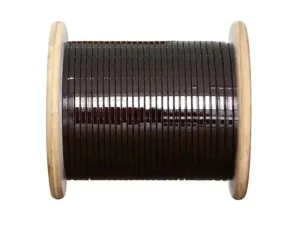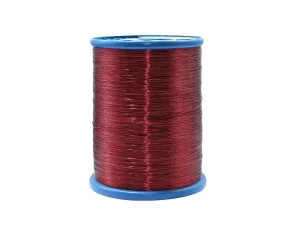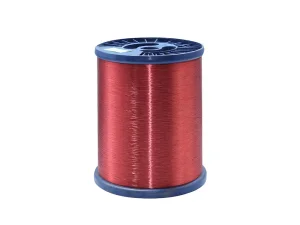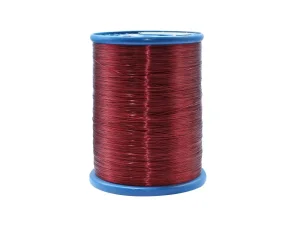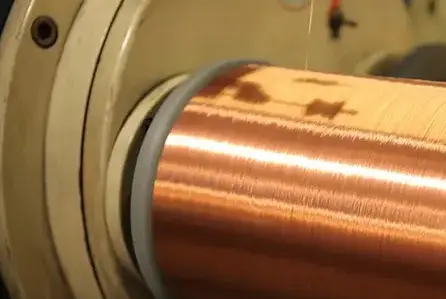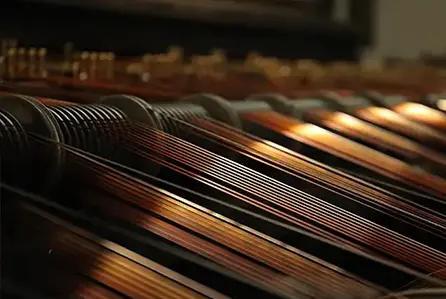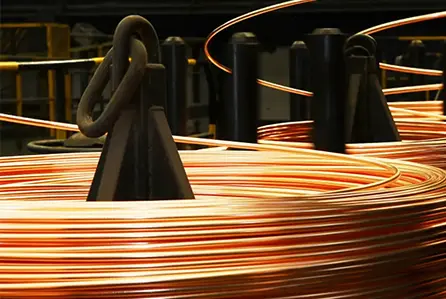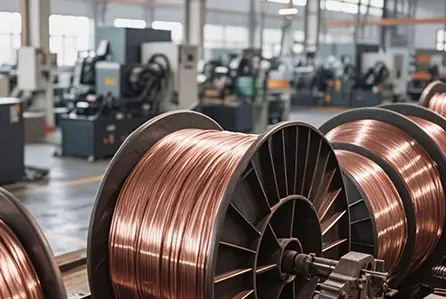
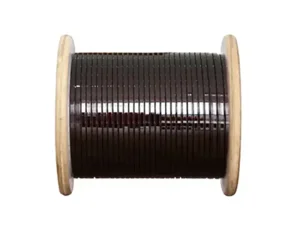
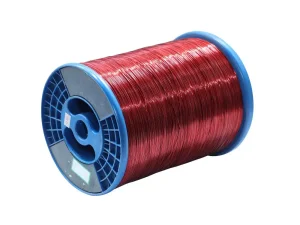
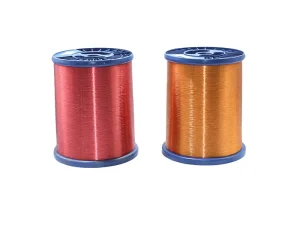
In the current global industrial landscape, the demand for Enamel Winding Wire has transcended traditional motor applications. As the world shifts toward carbon neutrality, enameled wires serve as the critical "nervous system" for renewable energy systems, high-speed rail, and aerospace technology. Our factory specializes in advanced metallurgical processing and polymer science to provide winding wires that minimize energy loss and maximize thermal endurance.
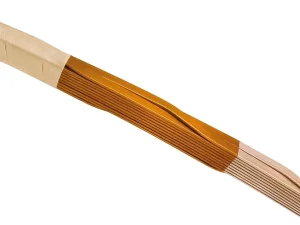
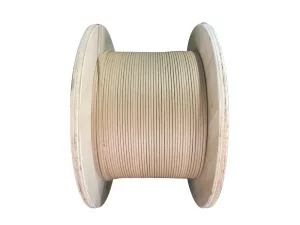
We provide comprehensive solutions for Ultra-High Voltage (UHV) transmission, where eddy current losses are mitigated through our specialized Continuously Transposed Conductors (CTC). By optimizing the space factor within transformer windings, our products contribute directly to increasing the operational lifespan of power grids across Europe, Asia, and North America.
Unlike standard suppliers, we provide technical white papers and thermal simulation data for every batch. We don't just supply wire; we provide the data required for engineers to optimize their motor design for the next generation of 800V EV architectures.
Situated on a sprawling 258,333.33 ft² site, our advanced production facility is the heart of high-quality enameled wire manufacturing. With over 30 state-of-the-art production lines, we ensure a stable, high-volume output that meets the rigorous demands of the global market. Our team members possess over ten years of industry experience, mastering international standards (IEC, NEMA, JIS) and advanced process flows.
From raw material inspection to final dielectric testing, we uphold the E-E-A-T principles, ensuring every roll of wire is a testament to our expertise and reliability.


We are transitioning from standard Polyesterimide to Polyamide-imide (AIW) and PEEK-coated wires to handle the extreme voltage spikes in SiC-based power electronics.

Focusing on 220°C and 240°C Class materials that maintain mechanical flexibility under constant thermal cycling in aerospace applications.

Utilizing oxygen-free copper and high-purity aluminum to reach conductivity levels exceeding 101% IACS, reducing resistive heat generation.
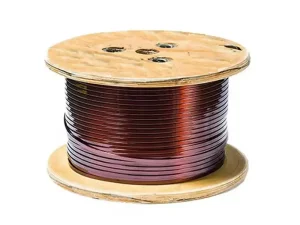
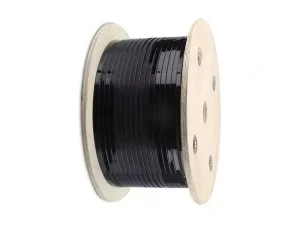
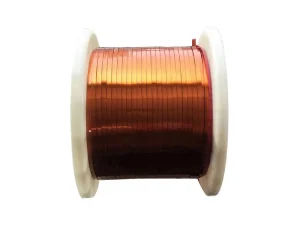
Electric Vehicle (EV) Propulsion: The transition to 800V battery systems requires enameled wires with superior corona resistance. Our AIW/EIW flat wires allow for higher slot fill factors, directly increasing the torque density of drive motors.
Renewable Energy Inverters: In wind and solar applications, high-frequency harmonics can degrade insulation. Our multi-layered enamel coatings are designed to resist partial discharge, ensuring a 25-year operational life for energy converters.
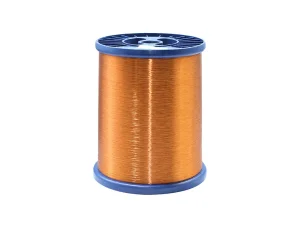
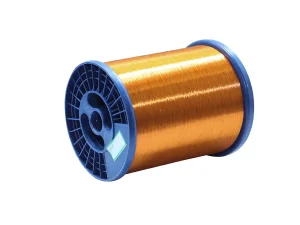
Industrial Automation: Precision sensors and servo motors rely on ultra-fine enameled copper wires for accurate feedback and rapid response times. Our factory supports custom wire diameters down to micron levels.
Localized Compliance: We understand the importance of regional standards. Our products are fully compliant with RoHS, REACH, and UL certifications, providing localized support and technical documentation for seamless customs clearance and regulatory approval in target markets.
Uniform and dense paint film ensures maximum scratch resistance during high-speed winding processes.
Engineered to maintain dielectric strength even under mechanical stress and high-vibration environments.
Custom wire diameters and temperature classes tailored to your specific application requirements.

A robust supply chain system ensures on-time delivery for large-scale industrial projects worldwide.

Supporting high-efficiency energy-saving motors that reduce the overall carbon footprint of end-products.

Our engineering team provides deep technical consultation, not just product sales.
A1: The class refers to the thermal index. Class 130 (B) is suitable for standard household appliances, whereas Class 220 (C) uses advanced Polyamide-imide coatings, allowing the wire to operate continuously at higher temperatures without insulation breakdown, making it ideal for heavy-duty industrial motors.
A2: Aluminum offers significant weight reduction and cost-effectiveness, especially in large transformers and automotive components. While it has lower conductivity than copper, the ability to use a slightly larger gauge at a lower total weight is a major advantage for modern design.
A3: Every batch undergoes rigorous testing including Springback tests, Cut-through tests, and High-voltage breakdown tests. We provide full traceability and documentation compliant with international standards to ensure reliability for our global partners.
A4: Yes, we specialize in CTC production for power transformers, utilizing high-quality Kraft paper or mesh wrapping to ensure low losses and high mechanical strength during short-circuit conditions.