Examine our top-tier enameled wire formulations, engineered to balance conductivity, thermal endurance, and high-frequency efficiency across industrial ecosystems.
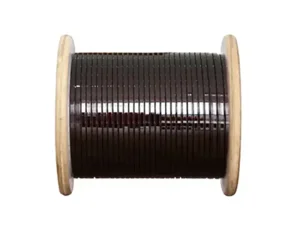
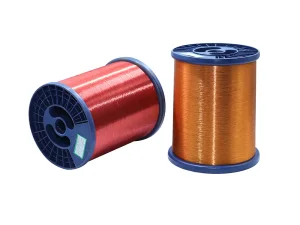
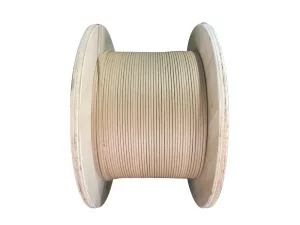
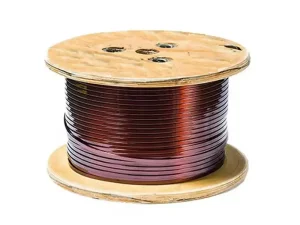
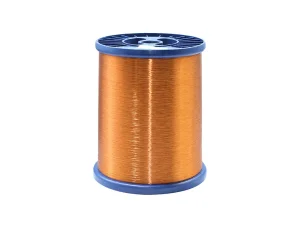
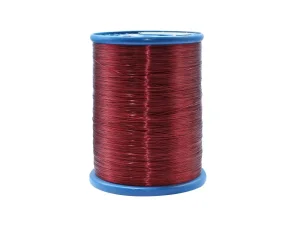
In modern electrical design, selecting winding materials—specifically Cobre (Copper) versus Aluminio (Aluminum)—is no longer a basic binary decision. The ongoing transformation of the global energy landscape, driven by electric vehicle propulsion systems, ultra-high voltage grids, and advanced robotics, requires a sophisticated analysis of raw material physics, manufacturing costs, and application requirements.
While Copper remains the benchmark for electrical conductivity (100% IACS), Aluminum offers dynamic advantages, operating at approximately 61% IACS. However, because Aluminum is 70% lighter than Copper, an Aluminum conductor of equivalent resistance weighs half as much. This changes structural engineering limits in lightweight motor designs and aerial transmission networks.
Copper prices are historically vulnerable to cyclical spikes, motivating engineers to consider Aluminum configurations to manage budget volatility. By sourcing from high-capacity manufacturers utilizing automated production processes, industrial buyers can secure lower procurement risks while optimizing the overall electrical efficiency of their systems.
Aluminum is easier to recycle and less energy-intensive to extract in secondary production phases, helping carbon-neutral operations reduce Scope 3 emissions. Combining thin-film insulation technology with high-grade aluminum helps suppliers deliver advanced environmental compliance without compromising component lifetimes.
Suzhou Daiming Electrical Materials Co., Ltd. is a global manufacturer of enameled aluminum wires, enameled copper wires, and copper-clad aluminum (CCA) enameled wires. Located on an expansive 258,333.33 ft² facility, our plant runs 30 advanced production lines to support consistent, high-volume B2B orders worldwide. By integrating advanced testing tools, we verify insulation thickness, thermal shock endurance, and mechanical stability across all production batches.

A rigorous physical and chemical comparison designed for engineering teams evaluating weight constraints, spatial factors, thermal tolerances, and mechanical loads.
| Physical/Electrical Property | Enameled Copper (Cobre) | Enameled Aluminum (Aluminio) | Copper-Clad Aluminum (CCA) |
|---|---|---|---|
| Electrical Conductivity (IACS %) | 100% - 101% | 61% - 62% | 63% - 68% |
| Density (g/cm³) at 20°C | 8.89 (High weight) | 2.70 (Ultra-lightweight) | 3.63 (Balanced weight saving) |
| Tensile Strength (MPa) | 200 - 250 (High winding stability) | 80 - 120 (Requires tension control) | 110 - 150 |
| Thermal Expansion (10⁻⁶/K) | 16.5 | 23.1 | 20.5 |
| Corrosion & Oxidation Profile | High resistance | Forms passivation oxide film | Requires sealed connection joints |
| Core Winding Applications | High-efficiency EV traction motors, 800V stators | HV Power transformers, micro-motors, home appliances | HF signal coils, lightweight electrical motors |
Discover our key product families, designed to meet strict IEC, NEMA, and JIS standards for high-performance applications.
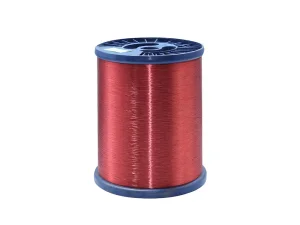
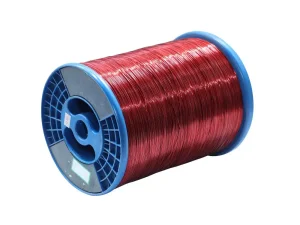
Engineered for lightweight electrical systems, these wires balance low weight with stable thermal properties. Widely used in power transformers and localized industrial generators.
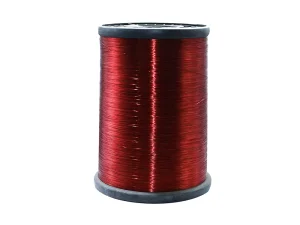
The standard choice for high-density magnetic fields, featuring high mechanical strength and electrical efficiency. Ideal for automotive electric stators and high-efficiency induction coils.
Combines the light weight of aluminum with the surface conductivity of copper. This option reduces raw material costs in high-frequency and specific automotive electrical parts.
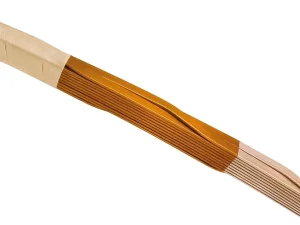
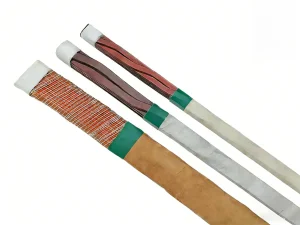
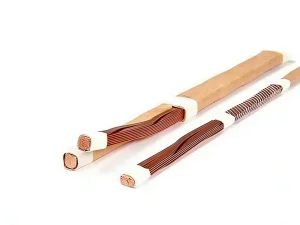
Designed for large power transformers, CTC configurations reduce electrical losses, manage eddy currents, and improve mechanical reliability under short-circuit conditions.
Precision-made conductors are critical component parts in high-voltage grids, heavy industrial machinery, and household consumer electronics.
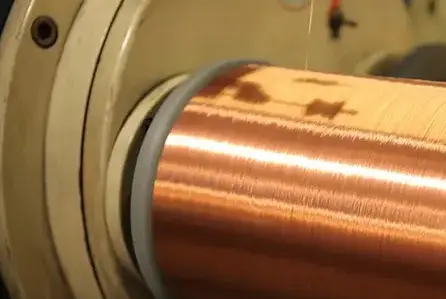
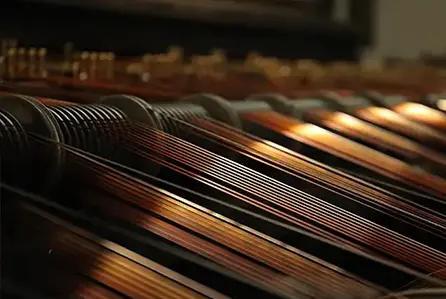
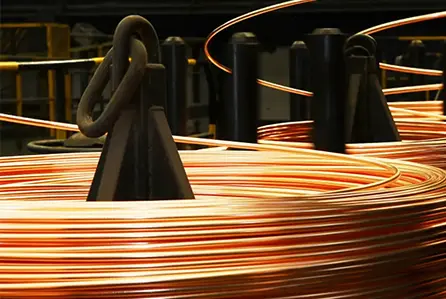
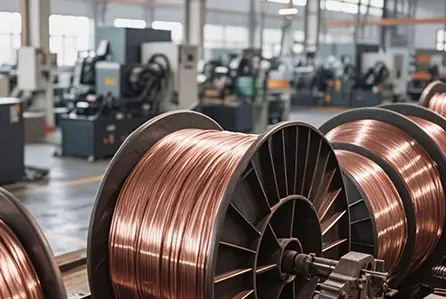
Precision-coated enameled wire reduces system failures, optimizes thermal performance, and improves overall electrical efficiency.
Every wire spool undergoes standardized insulation checks. This process ensures consistent film thickness and prevents micro-pinholes that lead to dielectric breakdowns in high-voltage environments.
Using specialty polymers (polyimide, polyamide-imide, and polyesterimide), our wires maintain structural flexibility and resist cracking even under mechanical tension and high thermal loads.
We work closely with client engineering teams to adjust conductor profiles, enamel coatings, and thickness levels (Grade 1, 2, or 3) to match specific electrical parameters.
With 30 specialized production lines, we coordinate supply lines to reduce production delays and deliver large industrial orders on schedule.
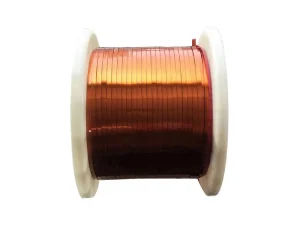
Our flat enameled copper and aluminum wires support high fill factors in EV drive motors, helping reduce energy losses in clean energy systems.
As the electrical industry moves toward high-power density machinery, the wire and cable sector is evolving along three main development paths:
Electric vehicle manufacturers are transitioning from 400V to 800V electrical architectures to allow faster charging speeds and improved motor efficiency. This transition places greater stress on winding wire insulation. To prevent partial discharge and corona damage, suppliers are developing specialized corona-resistant enameled wires with composite, thick-film coatings.
In aerospace components, micro-motors, and large power transformers, minimizing weight helps lower operational costs. Enameled aluminum wire is increasingly used in place of copper in static systems where space constraints are less critical, providing high thermal stability with a lower weight profile.
Modern electrical grids demand lower energy losses during long-distance transmission. CTC systems arrange individual enameled flat wires in a transposed pattern, reducing eddy current losses and maintaining winding strength in large, high-capacity utility transformers.
Stay informed on our international shipments, product updates, and technical developments in enameled wire production.
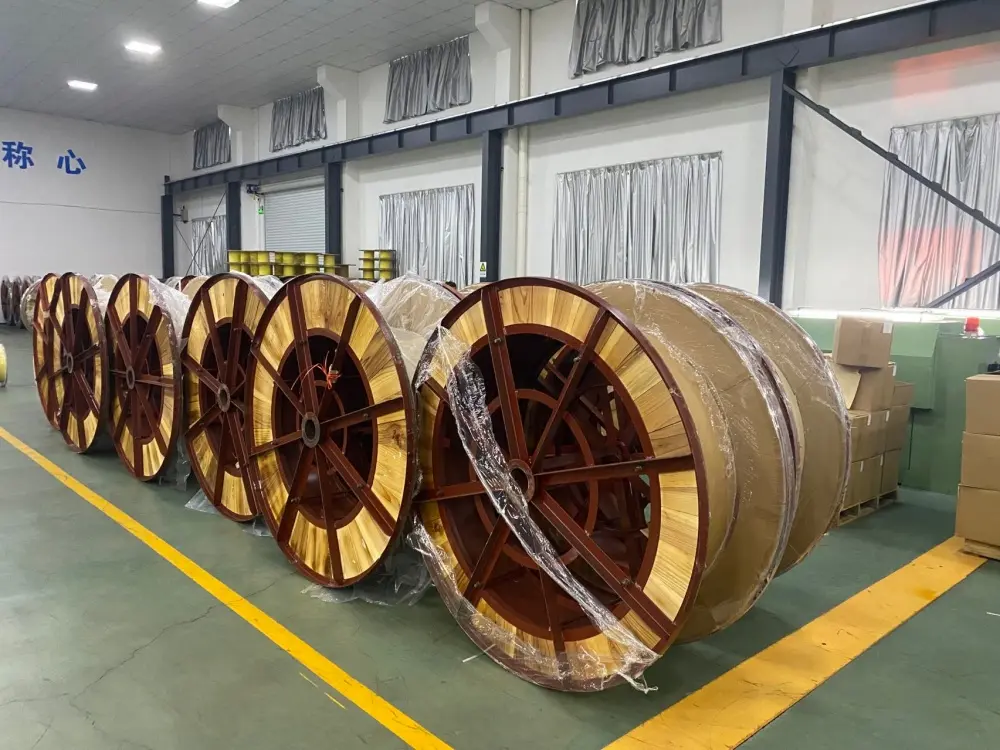
Export shipment of CTC conductors to Turkey, supporting modernization efforts in Eurasian electrical networks.
Read Case Study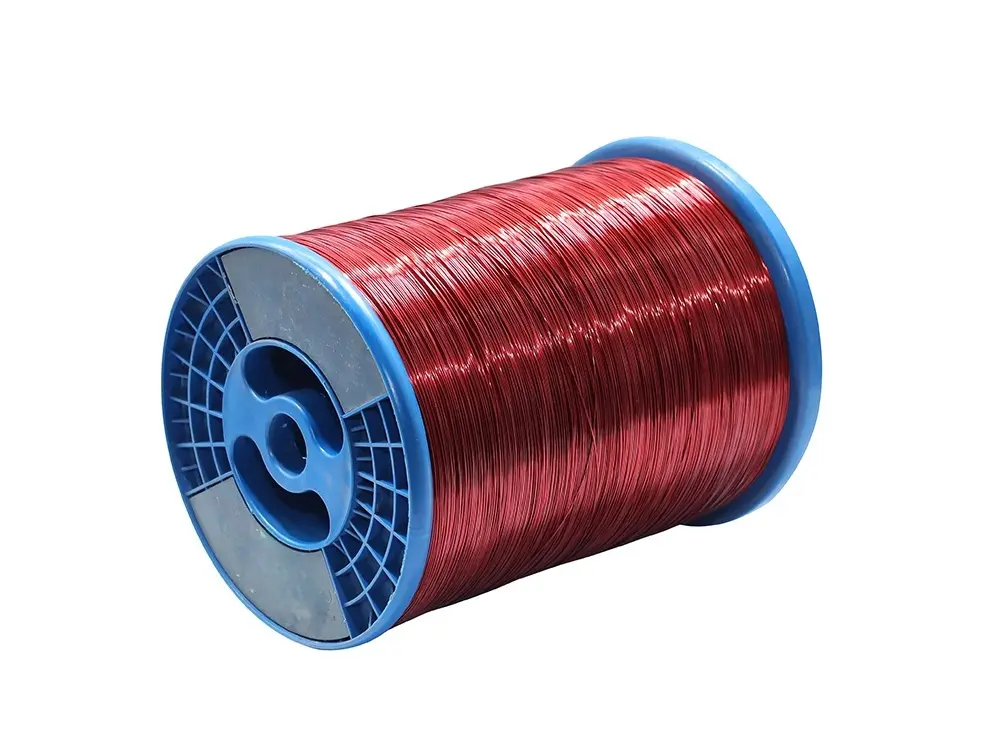
An in-depth review of cost control options in modern motor and transformer manufacturing using aluminum wire.
Read Analysis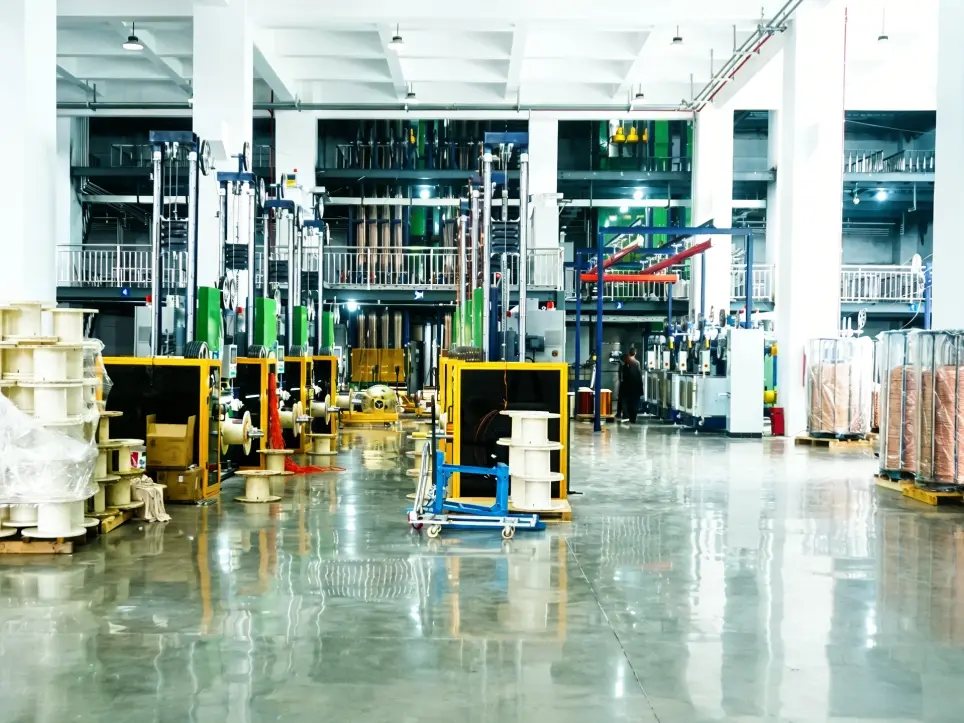
Faced with raw material price volatility, CCA winding wire offers an alternative for manufacturing cost management.
Read Full ReportTechnical answers to common questions about selecting and applying copper and aluminum winding wires.
Browse our selection of specialized paper-covered and transposed conductors, built to support heavy-duty power grids and industrial machinery.