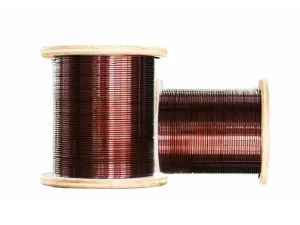
Engineered to meet the exact specifications of global electronics, automotive, and high-frequency power applications.
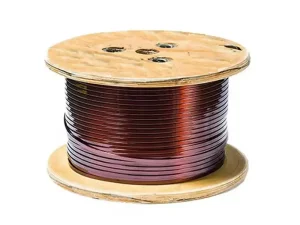
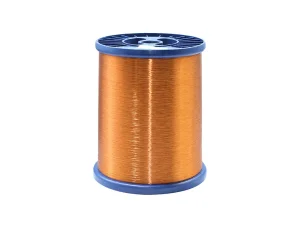
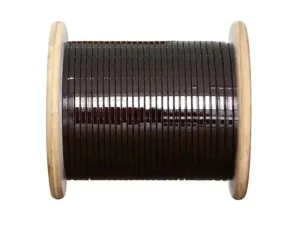
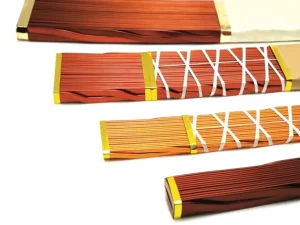
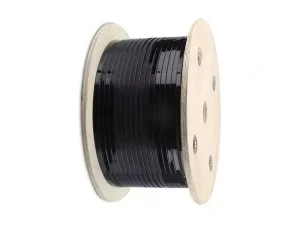
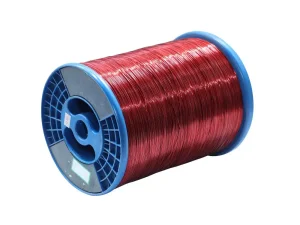
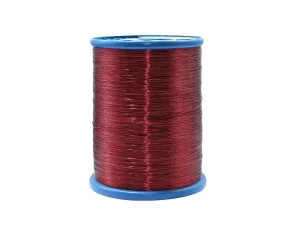
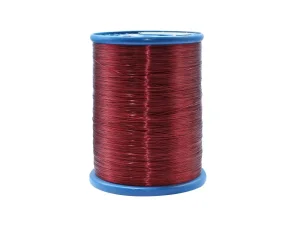
In high-precision electronics, automotive automation, and high-frequency power distribution, choice of winding insulation is a critical factor for system lifetime, energy loss, and assembly efficiency. Polyurethane Coated Copper Wire (typically classified as UEW - Polyurethane Enameled Wire) has emerged as the global industry benchmark for applications that demand direct solderability without manual or chemical insulation stripping. This technical whitepaper presents a deep metallurgical and polymer analysis of UEW manufacturing in China, providing procurement executives, design engineers, and supply chain managers with actionable insights on technical standards, testing criteria, and global logistics optimization.
Definition of Solderability: The unique polymer architecture of polyurethane insulation undergoes rapid thermal degradation at temperatures between 360°C and 480°C. Under these conditions, the resin film decomposes into volatile, non-corrosive gases without leaving charred residues, allowing the underlying high-purity copper core to interface directly with molten solder alloys in a single operation. This eliminates mechanical scraping and acid stripping, substantially improving assembly speeds and reducing unit failures in fine-coil manufacturing.
Evolution of magnet wire technology from thermal endurance limits to state-of-the-art polymer formulations.
Standard polyurethane wires typically operates at Class B (130°C) and Class F (155°C). Next-generation formulations now offer Class H (180°C) performance, bridging the gap between solderability and high thermal resistance required for compact, power-dense systems.
With high-frequency switching converters (using SiC and GaN semiconductors) operating at high speeds, skin-effect and proximity-effect losses become critical. Polyurethane coatings optimize impedance profiles when braided into Litz configurations, preventing core failures.
Modern applications integrate epoxy or polyamide overcoats on top of the polyurethane base layer. When heated or solvent-activated, the secondary thermoplastic layer fuses the adjacent windings, creating solid, self-supporting structural coils without varnishing.
As global requirements push the physical properties of magnet wires to their limits, Suzhou Daiming Electrical Materials Co., Ltd. stands as a key partner for high-precision enameled wire manufacture. Operating out of a highly automated, 258,333.33 ft² state-of-the-art facility, our factory implements rigorous Industry 4.0 practices to monitor wire drawing, paint viscosity, tension parameters, and curing temperatures in real time.
With 30 advanced, synchronized production lines, we maintain a stable high-volume output of Enameled Aluminum Wires, Enameled Copper Wires, and Copper-Clad Aluminum (CCA) Enameled Wires. By strictly controlling raw material purity (copper cathodes >99.99% purity) and optimizing the chemistry of polyurethane and polyesterimide coatings, we guarantee consistent quality for major infrastructure and precision electronics programs worldwide.
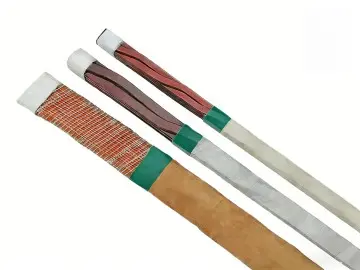
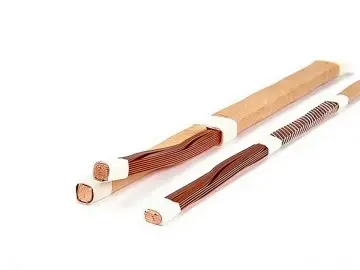
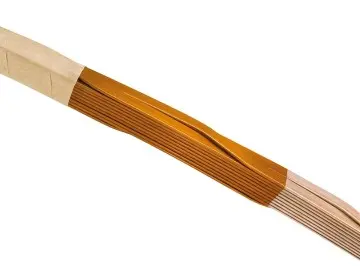
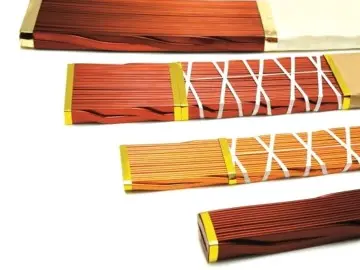
We provide a comprehensive range of enameled conductor formats optimized for standard, special-purpose, and heavy-duty industrial configurations.


Ensuring operational reliability in harsh physical environments.

Rigorous, continuous chemical monitoring ensures standard paint-run film uniformity, ensuring zero dielectric pinholes along the entire drum of wire.

Possesses strong polymer adhesion preventing micro-cracking and standard heat resistance designed to withstand intense winding stresses.

Available in custom diameters tailored to specific electric motor, transformer, power distribution, and high-frequency communication designs.

Our raw material inventory and streamlined scheduling protect industrial customers from global logistics shocks and copper volatility.

Designed to support high-efficiency motors, EV drivetrains, and renewable energy conversion systems to reduce global energy waste.

All batches undergo strict testing for breakdown voltage, springback angle, paint adhesion, and heat-shock limits to ensure full compliance with IEC, NEMA, and JIS industrial standards.
How we address specific industrial needs across various sectors.
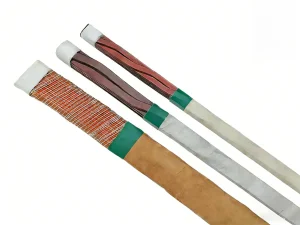
High-voltage and extreme thermal stresses require robust insulation systems that do not break down over time. For industrial motor windings and power transformers, our Class 180 and Class 220 enameled flat copper and aluminum wires provide exceptional slot fill factor optimization, allowing designers to minimize core sizes while avoiding corona discharge failures.
For large distribution grids, Continuously Transposed Conductors (CTC) minimize eddy current losses, which significantly improves power transmission efficiency.
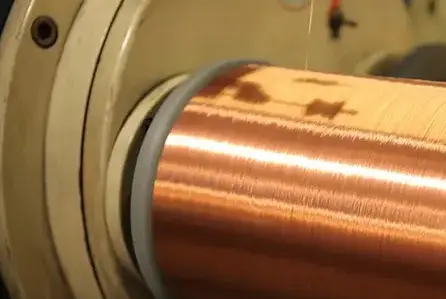
In mobile communication devices, industrial control sensors, and smart appliances, miniaturization is the dominant engineering challenge. Micro-fine polyurethane enameled copper wires with diameters as small as 0.05 mm are essential for micro-coils, sensors, and relays, enabling high assembly densities.
The direct solderability of polyurethane coated copper wire at 370°C protects small, sensitive electronic components from damage caused by prolonged exposure to high temperatures.
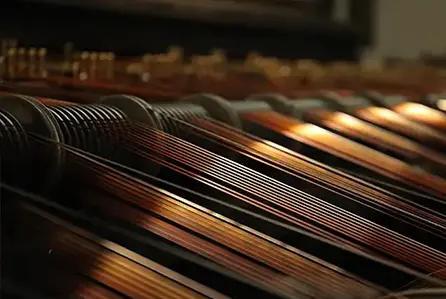
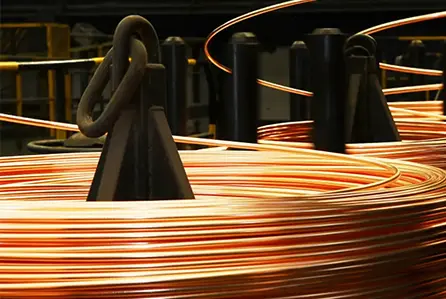
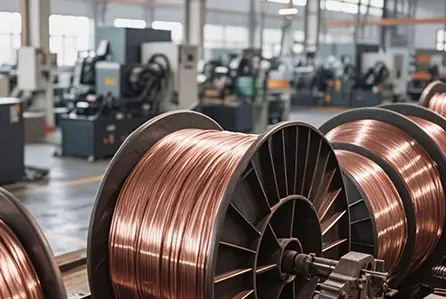
International procurement teams face complex challenges when sourcing magnet wire across regions, including import tariffs, safety certifications, and compliance with environmental mandates. To operate successfully in North American, European, and Asia-Pacific markets, manufacturers must supply documentation verifying compliance with RoHS (Restriction of Hazardous Substances) and REACH directives.
Our polyurethane coated copper wire batches are certified to UL (Underwriters Laboratories) standards, ensuring they meet global insulation system protocols. By partnering with international freight forwarders and utilizing standardized seaworthy packaging (reels inside moisture-barrier bags in heavy wooden crates), we eliminate corrosion or wire damage during transport.
Answers to common questions regarding chemistry, applications, and purchasing of polyurethane enameled wires.
UEW stands for Polyurethane Enameled Wire, which is solderable directly at temperatures of 360°C to 450°C. PEW stands for Polyester Enameled Wire, which has superior thermal capabilities (typically Class F/H) but cannot be soldered without mechanically or chemically stripping the layer first. PEW is used when higher thermal resistance is prioritized over solderability.
Insulation classes refer to the thickness of the coating layer. Class 1 (standard) offers the thinnest layer, providing excellent space factor but lower dielectric breakdown limits. Class 2 has a thicker build for higher voltage applications, and Class 3 is designed for high-frequency or high-vibration systems where abrasion and short-circuit protection are critical concerns.
Yes. If the wire is specified with an overcoat (such as Polyamide/Nylon, making it UEW-Y), the outer nylon film provides excellent slip properties and abrasion resistance, protecting the inner polyurethane film from breaking during high-tension automatic coil winding and injection molding.
Every test report covers conductor diameter tolerance, enamel build thickness, dielectric breakdown voltage, pinhole density per 30m, elongation performance, springback angle, and solderability time at a specified temperature.
Follow Daiming Electrical's updates on shipments, industry trends, and technical achievements.
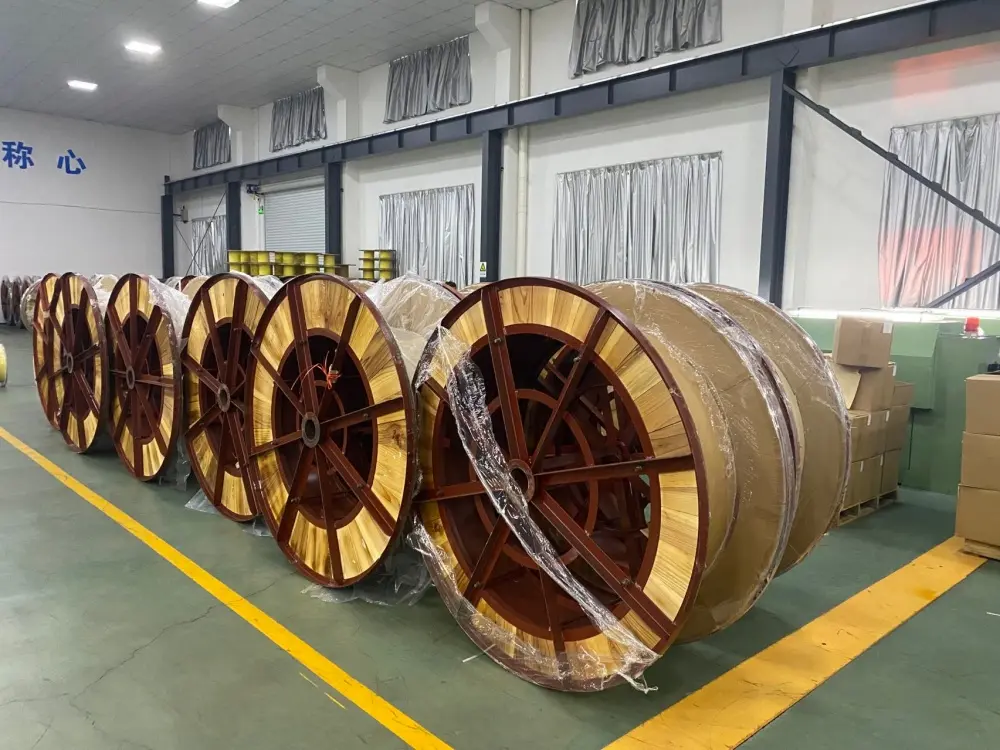
Exporting Continuously Transposed Conductors to Turkey to support Eurasian electrical grid integration and transformer upgrades.
Read Full Article
How the market shifted toward aluminum conductor options amidst volatile copper pricing, featuring technical comparison datasets.
Read Full Article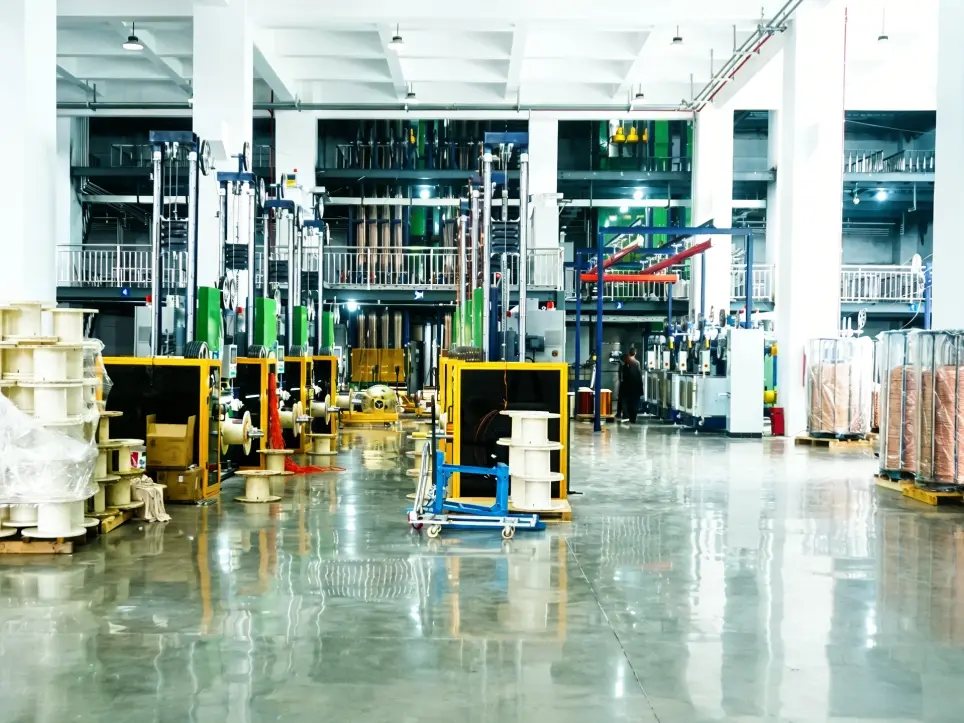
Analysis of how Copper-Clad Aluminum enameled wires provide weight reduction benefits and save on raw material costs.
Read Full ArticleSelect from our production range of copper, aluminum, and composite enameled conductors.