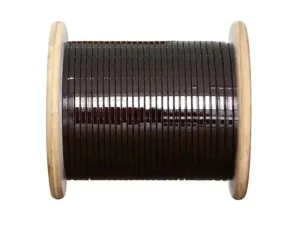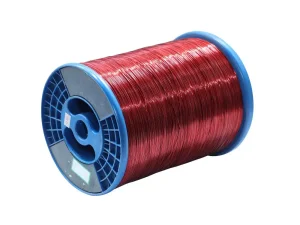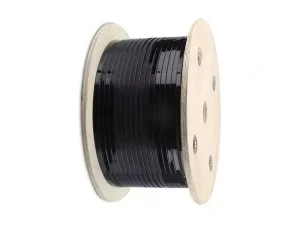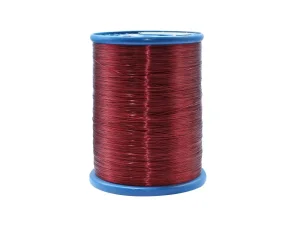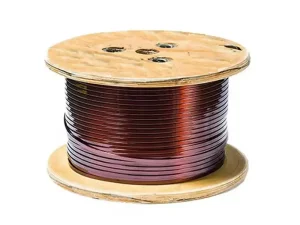
China High-Temperature Resistant Enameled Wire Suppliers & Exporters

Deep-Value Magnet Wire Manufacturing Engineering for Global Heavy Industry, High-Voltage EV Powertrains, and Grid-Scale Transformers.

Featured Industrial Magnet Wire Solutions

High-performance winding wire solutions engineered for continuous operations under high thermal, mechanical, and dielectric stresses.
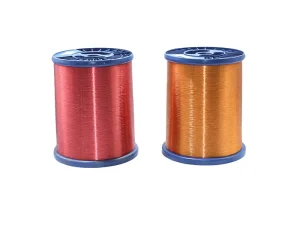
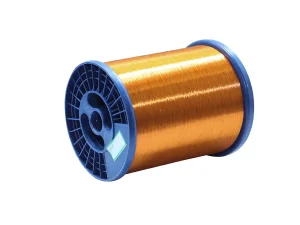
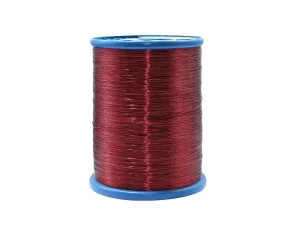
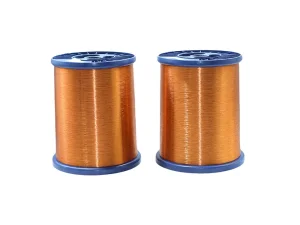
Wholesale 180 Class Enameled Copper Wire

Wholesale 180 Class Enameled Copper Wire Suppliers, Factory

View Details
Wholesale 130 Class Enameled Copper Wire

Wholesale 130 Class Enameled Copper Wire Supplier, Factory

View Details
Wholesale 130 Class Enameled Aluminum Wire

Wholesale 130 Class Enameled Aluminum Wire Exporters, Service

View Details
Wholesale 220 Class Enameled Aluminum Wire

Wholesale 220 Class Enameled Aluminum Wire Suppliers, Service

View Details
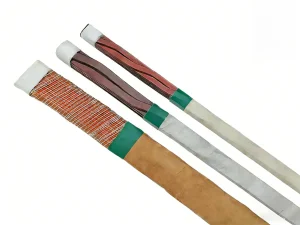
Wholesale CTC Paper Insulated

Wholesale CTC - Paper-insulated Manufacturers, Exporter

View Details
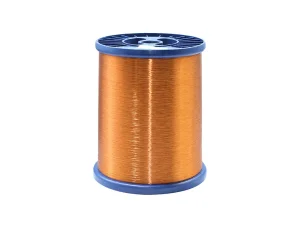
China Enameled Copper Wire Manufacturer

China Enameled Copper Wire Manufacturer, Factories

View Details
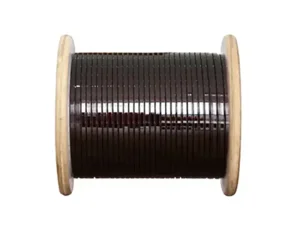
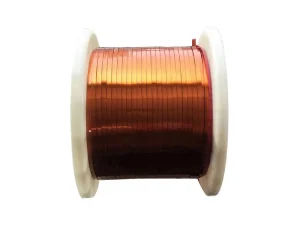
Wholesale 130 Class Enameled Flat Aluminum Wire

Wholesale 130 Class Enameled Flat Aluminum Wire Factories, Exporters

View Details
China 155 Class UEW Enameled Copper Wire

China 155 Class UEW Enameled Copper Wire Suppliers, Exporters

View Details

Global High-Temperature Enameled Wire Industry Landscape

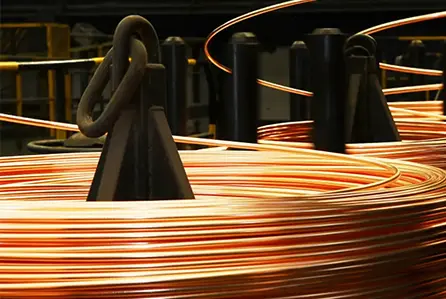
In modern electrical engineering, the demand for magnet wire that can withstand extreme environments is rising. Factors like heavy grid modernization, electric vehicle (EV) growth, and complex industrial automation require wires that can handle severe thermal stresses. High-temperature resistant enameled wires—specifically those rated from Class 180 (H) up to Class 220 (R) and beyond—play a key role in protecting core industrial and electrical systems from breakdown.

As global industries shift toward higher power density and space-saving designs, electrical equipment runs hotter. For instance, in EV traction motors, systems are transitioning from 400V architectures to 800V to allow for faster charging and higher efficiency. This transition exposes the insulation of motor windings to intense partial discharges, transient voltage surges, and extreme heat. Under these conditions, standard enameled wires degrade quickly, leading to premature motor failure. Using advanced insulation resins like polyamide-imide (PAI) and polyimide (PI) is essential to provide the heat shock resistance, mechanical toughness, and dielectric strength needed to keep these systems running reliably.

Additionally, global supply chains are focusing on energy efficiency and material optimization. High-temperature enameled aluminum wire and copper-clad aluminum (CCA) wire are increasingly used alongside traditional copper. These alternatives offer cost savings and weight reduction while maintaining stable electrical performance at high temperatures, making them highly valuable for heavy-duty industrial applications.

220°C
Peak Thermal Classification
800V
EV Traction System Compatibility

Technical Taxonomy of High-Temperature Enameled Wire

Our enameled wires are engineered and manufactured in strict compliance with major international standards, including IEC 60317, NEMA MW 1000, and JIS C 3202. The table below outlines the core properties and insulation profiles of our high-temperature magnet wire classes.

Thermal Class Maximum Temperature Typical Insulation Coatings Core Applications & Performance Characteristics
Class 130 (B) 130°C Polyurethane (PU) / Polyester (PE) Excellent solderability, ideal for standard small relays, solenoids, and instrument transformers.
Class 155 (F) 155°C Modified Polyester / Polyurethane + Nylon overcoat High dielectric properties, standard industrial motors, fractional horsepower motors.
Class 180 (H) 180°C Polyesterimide (PEI) / Polyurethane (PU-H) High resistance to heat shock, suitable for heavy-duty power tools and automotive alternators.
Class 200 (K) 200°C Polyesterimide (PEI) + Polyamide-imide (PAI) overcoat Excellent chemical resistance to refrigerants and solvents; ideal for hermetic compressors.
Class 220 (R) 220°C Polyamide-imide (PAI) / Polyimide (PI) Extreme thermal durability, high scratch resistance, used in aerospace and high-voltage traction motors.

Choosing the right thermal class involves balancing thermal limits, mechanical protection, and cost. In high-frequency, high-voltage setups, special overcoats like PAI help prevent micro-cracks under thermal cycling, which is key to avoiding insulation breakdown and ensuring long-term reliability.

Suzhou Daiming Electrical Materials Co., Ltd.

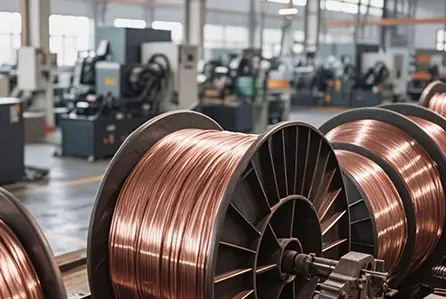
Based in Suzhou, Suzhou Daiming Electrical Materials Co., Ltd. is a specialized manufacturer of high-quality enameled wires. Our product range includes enameled aluminum wires, enameled copper wires, and enameled copper-clad aluminum (CCA) wires. Our modern production facility covers 258,333.33 sq. ft. and is equipped with 30 state-of-the-art production lines, allowing us to maintain a stable supply and meet high-volume global market demands.

We perform strict quality control at every stage of production, from raw material inspection to final product testing. Our commitment to international standards guarantees the durability, performance, and thermal stability of our products. With over a decade of industry experience, our engineering team provides customized solutions, helping clients choose the right wire diameters, thermal classes, and insulation profiles for their specific applications.

30+
Advanced Production Lines
258k+ Sq.Ft.
Industrial Production Facility
10+
Global Cooperating Countries

Key Technological Advantages & Manufacturing Processes

Our products are engineered for demanding industrial environments. Here is how we ensure consistent quality, durability, and reliability:

Uniform Coating & Adhesion

We use multi-pass die coating and precise curing control to ensure a uniform paint film. This provides excellent adhesion and scratch resistance during high-speed winding.

Thermal & Pressure Resistance

Our insulation formulas are designed to resist thermal overload and cut-through pressures, preventing short circuits even under sustained stress and temperature peaks.

Precise Customization

We offer precision customization across different shapes (round, flat, rectangular), wire diameters, and thermal ratings (from 130°C to 220°C) to fit your project requirements.

Macro-Industry Applications & Winding Scenarios

Our products are used in core industrial sectors, offering durability, safety, and efficiency where performance is critical.
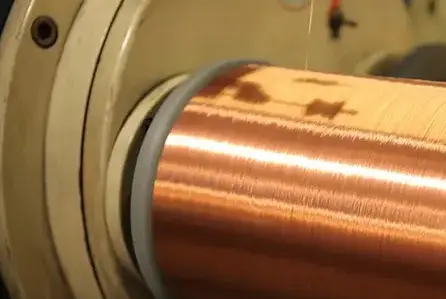
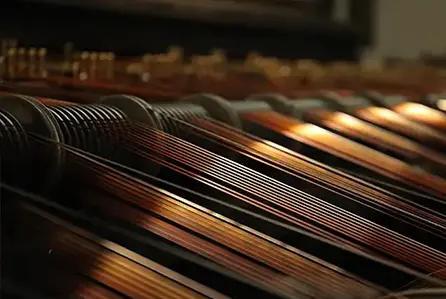
Motors and Transformers

Motors & Transformers

High-thermal-class insulation protects heavy-duty industrial electric motors, generators, and distribution transformers during continuous operation.

Electronics and Home Appliances

Electronics & Home Appliances

Provides reliable, space-saving coils and micro-windings for refrigerators, air conditioners, and dynamic consumer electronic systems.

Industrial Automation and Sensors

Industrial Automation

Ensures precise control and signal integrity for robotic actuators, solenoids, and sensors operating in high-temperature environments.

Power and Energy Equipment

Power & Energy Infrastructure

Optimizes substation performance and high-power grid systems using advanced CTC (Continuously Transposed Conductors).

Technical Roadmap & Future Outlook

As electric vehicles, renewable energy, and grid systems evolve, magnet wire technology faces new demands. The industry is moving toward higher voltage classes, higher frequencies, and more compact designs, which require advanced wire engineering to handle these conditions.

Our technical roadmap is designed to address these trends:

  • Corona-Resistant Enamels: We are developing next-generation composite formulations to protect high-frequency motors from premature failure caused by partial discharge.
  • Optimizing CTC (Continuously Transposed Conductors): We are refining CTC structures to minimize eddy-current losses in ultra-high voltage (UHV) power grids and clean-energy wind generators.
  • Bio-Based Resins: We are testing and introducing bio-based insulation resins to lower the environmental footprint of our manufacturing process, supporting green initiatives.

Industrial Innovation

By combining raw material quality, advanced testing equipment, and process control, we help global partners build efficient, durable, and reliable electrical systems.

Exporters Range & Specialized Magnet Wires

Browse our range of specialized magnet wire solutions, including paper-covered conductors, flat enameled profiles, and transposed systems.
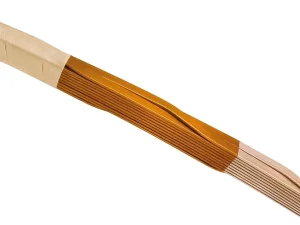
China CTC Semi-Rigid Conductor

China Continuously Transposed Conductor CTC-Semi-rigid Suppliers, Service

View Details
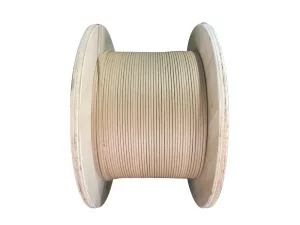
China Paper Covered Copper Wire

China Paper Covered Copper Wire Manufacturers, Factory

View Details
Wholesale 200 Class Enameled Flat Copper Wire

Wholesale 200 Class Enameled Flat Copper Wire Suppliers, Factory

View Details
China 200 Class Enameled Flat Aluminum Wire

China 200 Class Enameled Flat Aluminum Wire Factories, Exporters

View Details
China Enameled Aluminum Wire Manufacturer

China Enameled Aluminum Wire Manufacturer, Factory

View Details
Wholesale Enamelled Flat Wire Manufacturers

Wholesale Enamelled Flat Wire Manufacturers, Supplier

View Details
Wholesale PEW/UEW/EIW/AIW 180 Class

Wholesale PEW/UEW/EIW/AIW 180 Class Enamelled Aluminum Wire Exporter

View Details
Wholesale 220 Class Enameled Flat Copper Wire

Wholesale 220 Class Enameled Flat Copper Wire Manufacturers, Factories

View Details

Technical & Commercial FAQ

Find technical answers and engineering details for high-temperature resistant enameled wires.

What are the key insulation differences between Class 180 (H) and Class 220 (R) enameled wires?
The difference lies in the polymer composition and its thermal limits. Class 180 (H) wires typically use Polyesterimide (PEI) or specialized Polyurethane coatings, suitable for applications up to 180°C. Class 220 (R) wires utilize Polyamide-imide (PAI) or Polyimide (PI) coatings. These materials offer higher thermal stability, chemical resistance, and protection against mechanical abrasion, making them ideal for high-stress applications like EV traction motors and aerospace electronics.
Why is CTC (Continuously Transposed Conductor) preferred in large-scale power transformers?
CTC consists of individual flat enameled wires arranged in a transposed pattern. This design reduces electrical losses caused by the skin and proximity effects in high-power transformers. It also improves mechanical winding strength, helps manage heat dissipation, and allows for more compact transformer designs.
What are the benefits and trade-offs of using Enameled Aluminum Wire instead of Enameled Copper?
Aluminum wire is lighter (approximately 30% of the weight of copper) and more cost-effective, which helps reduce overall component weight and cost. However, aluminum has lower electrical conductivity (about 61% of copper), requiring a larger wire diameter to carry the same current, which increases the winding space required.
How does Suzhou Daiming ensure paint layer quality and prevent insulation pinholes?
We use multi-pass die application systems where the wire is coated and cured in multiple steps. We run continuous inline monitoring to check wire diameter and detect defects, along with high-voltage pinhole tests. This process ensures a uniform, flexible coating that resists cracking during high-speed winding operations.
What environmental and compliance certifications do your high-temperature wires meet?
Our products comply with RoHS and REACH regulations, ensuring they are free from restricted hazardous substances. We maintain ISO 9001 and ISO 14001 certifications across our manufacturing operations to meet both quality management and environmental standards for global export.