Explore our premium range of precision-manufactured magnet wires designed for rigorous electrical engineering environments globally.
An Analysis of Global Power Grid Upgrades, Electric Powertrains, and the Evolution of Modern Winding Wires.
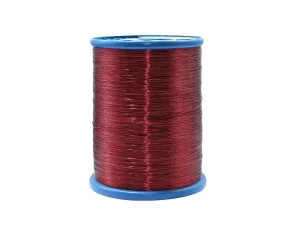
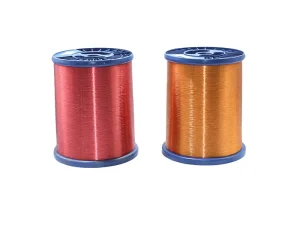
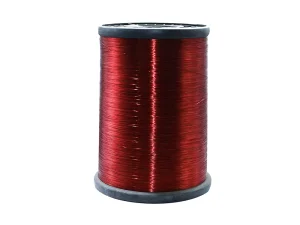
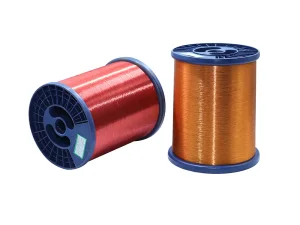
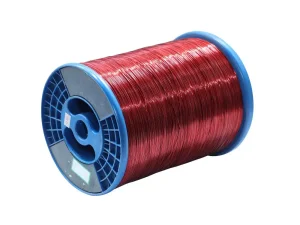
The global demand for heavy duty polyester coated wire (commonly termed as heavy-build enameled or magnet wire) has experienced significant structural changes over the past decade. Traditionally used for general motor windings and basic inductors, modern industries demand wire capable of withstanding extreme thermal, electrical, and mechanical stresses. Driven by the electrification of transportation, the integration of renewable energy grids, and the automation of industrial production lines, winding wires are no longer simple conductors—they are highly engineered insulation systems.
Key thermal classifications—specifically Class 180 (H), Class 200 (K), and Class 220 (M)—have transitioned from specialized applications to baseline industry standards. In high-frequency operations, modern inverter-fed motors produce repetitive transient overvoltages, subjecting insulation to severe partial discharge and subsequent corona degradation. Consequently, there is an industry-wide transition toward composite insulations: a basecoat of modified polyester or polyesterimide (EIW) combined with an overcoat of polyamide-imide (AIW). This combination enhances resistance against high-temperature mechanical cut-through, chemical solvent exposure, and environmental moisture, ensuring operational lifespans exceeding 20,000 hours in harsh industrial climates.
Under 800V architectures, inverter switching frequencies cause sharp voltage spikes. Heavy-duty overcoated wires protect traction motor windings from corona-induced insulation breakdown.
Urban distribution networks require compact, low-loss power transformers. Sub-conductors and CTC configurations maximize space-factor and efficiency ratings.
Precision servo motors, robotics actuators, and high-frequency sensors require high-flexibility, miniature enameled wire diameters to function reliably under continuous motion.
Selecting appropriate polyester and polyamide-imide formulations depends directly on the application's thermal indexing. The table below highlights the physical properties of our key product configurations:
| Insulation Basecoat / Overcoat Type | Thermal Class (°C) | Breakdown Voltage (kV) | Heat Shock Temp (°C) | Primary Application Fields |
|---|---|---|---|---|
| Polyesterimide (EIW) / Polyamide-imide (AIW) | 220 / Class M | ≥ 12.0 kV (Heavy Build) | ≥ 240 °C | EV Traction Motors, Heavy Duty Alternators, Aerospace |
| Polyesterimide (EIW) | 180-200 / Class H/K | ≥ 9.5 kV | ≥ 220 °C | Industrial Motors, Dry-type Distribution Transformers |
| Polyurethane (UEW) / Nylon | 155-180 / Class F/H | ≥ 7.0 kV | ≥ 180 °C | Relays, Solenoid Valves, Household Appliance Stators |
| Polyester (PEW) | 130-155 / Class B/F | ≥ 6.0 kV | ≥ 155 °C | Micro-motors, Audio Coils, High-Frequency Transformers |
Analyzing Enameled Copper, Enameled Aluminum, and Copper-Clad Aluminum (CCA) Substrates.
The selection of core conductor material directly affects the efficiency, weight, thermal dissipation capability, and total cost of the electromagnetic component. Modern winding applications leverage three primary metal substrates, each with unique physical characteristics:
The chemical composition of the insulation varnish is equally critical. For heavy-duty applications, a polyester basecoat provides mechanical flexibility, adhesion, and thermal stability. Overcoating this base with a polyamide-imide layer yields a compound coating that is resistant to mechanical abrasion, chemical attack, and electrical breakdown. During winding, the wire experiences significant tension and friction; the low coefficient of friction offered by the overcoat prevents micro-cracks in the enamel layer, maintaining dielectric performance.
How Modern Plant Infrastructure and Strict Inspection Protocols Ensure Consistent Supply and Reliability.
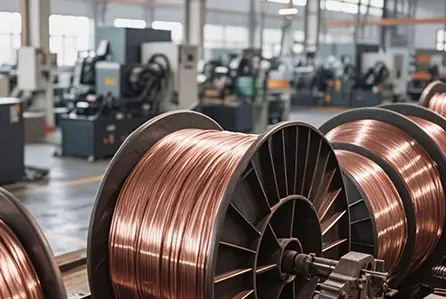
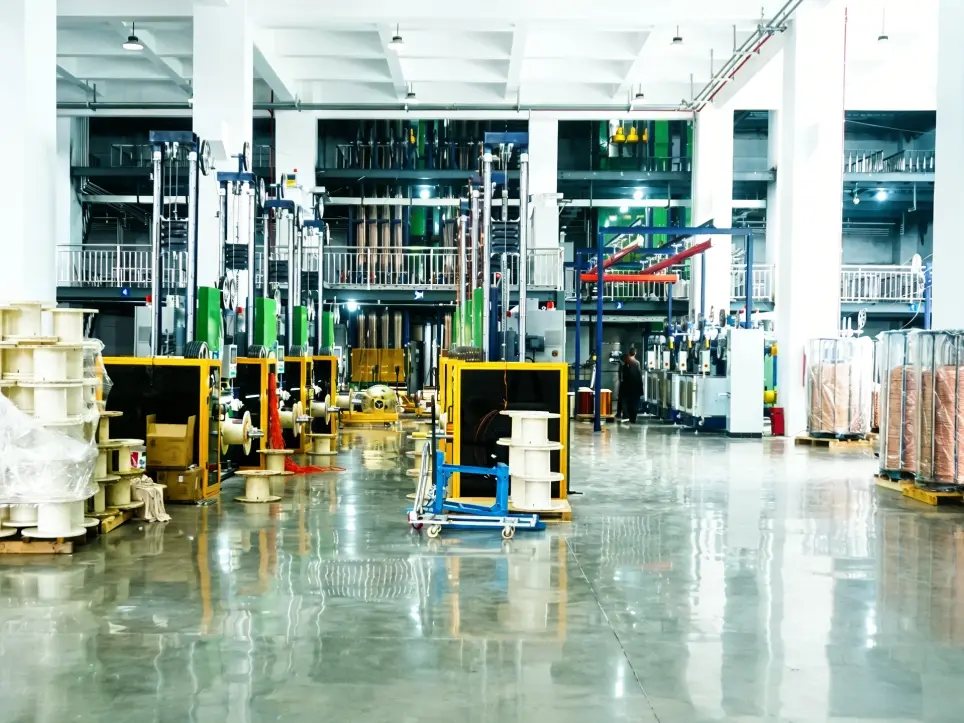
Founded on core principles of technical precision and customer service, Suzhou Daiming Electrical Materials Co., Ltd. provides reliable solutions for magnet wire applications globally. Operating from a 258,333.33 ft² manufacturing facility equipped with 30 state-of-the-art production lines, our production capability supports high-volume output to meet global industrial demands.
Our quality assurance protocol begins at the raw material stage. We source high-purity electrolytic copper rod (99.99% purity) and premium electrical-grade aluminum rod. Through precision drawing dies and online continuous annealing processes, we optimize tensile strength and grain structure. During the coating stage, inline laser diameter sensors monitor dimensions in real-time, maintaining tolerances within micrometric levels. Online high-voltage spark testing inspects the insulation layer for pinholes, confirming the dielectric integrity of every spool before packaging.
Specializing in the development and production of high-performance enameled aluminum, copper, and copper-clad aluminum wires, we customize insulation thicknesses, thermal classes, and wire geometries to meet our customers' technical specifications.



Minimizing Eddy Current Losses and Maximizing Electrical Efficiency in High-Voltage Transformers.
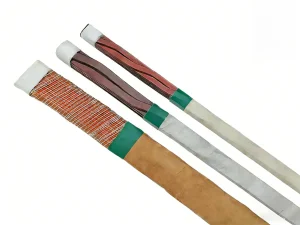
For high-capacity power transformers, winding design requires careful management of alternating current losses. At high power levels, the skin effect and proximity effect concentrate current on the outer boundaries of conductors, increasing AC resistance and generation of waste heat. To address this, Continuously Transposed Conductors (CTC) are widely used in modern transformer design.
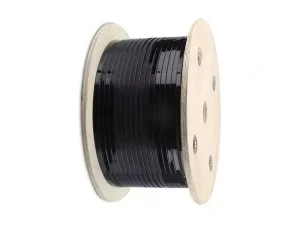
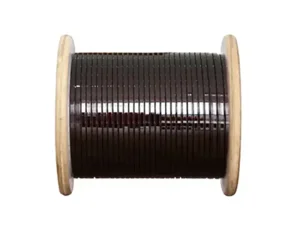
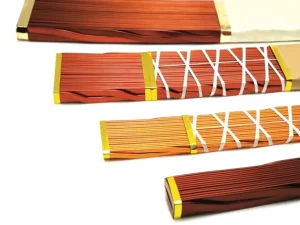
A CTC assembly consists of multiple enameled flat wires arranged in a grid, systematically transposed to ensure each sub-conductor occupies every relative position within the assembly over its length. This configuration balances magnetic flux exposure, minimizing circulating currents and eddy current losses. Modern CTC variants include:
Key Procurement Considerations for Electrical Equipment OEMs and Global Purchasing Agents.
Procuring winding and magnet wires requires detailed alignment between mechanical, electrical, and commercial parameters. Engineering departments and procurement teams should verify the following specifications when sourcing:
Our commitment to material quality and process control translates to reliable field performance.

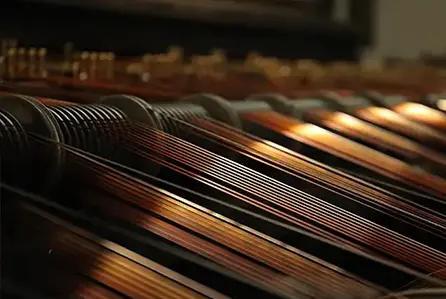
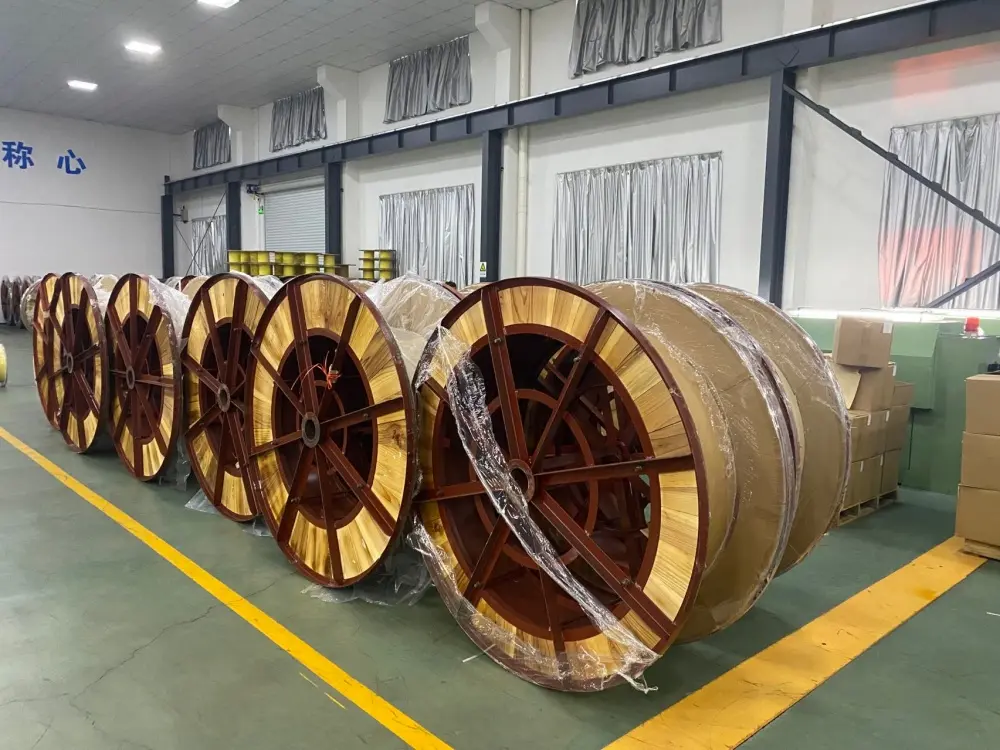
Each roll of enameled wire undergoes strict testing to ensure consistent coating adhesion, thickness uniformity, and dielectric performance.

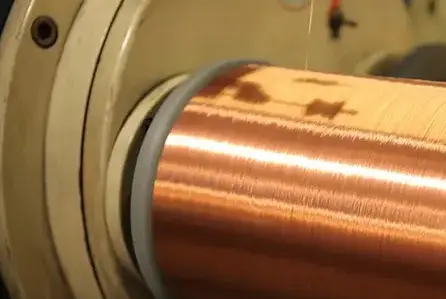
Our enameled wires feature a uniform, dense paint film that provides scratch resistance, mechanical flexibility, and high thermal cut-through points.

We offer customized engineering support, tailoring wire diameters, cross-sectional geometries, and insulation materials to your project requirements.

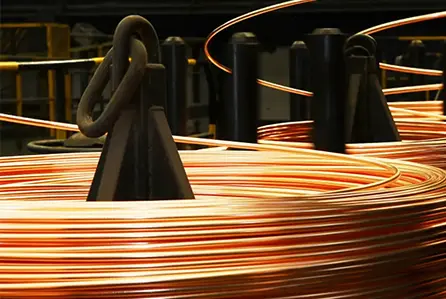
Leveraging our 30 advanced production lines and robust raw material inventory, we ensure consistent lead times and steady production cycles.

Our high-efficiency magnet wires are designed to support energy conservation goals in high-efficiency motors and renewable energy distribution networks.
From micro-motors to grid-scale power infrastructure, our winding wires provide electrical pathways under challenging operating conditions.
Stay updated with our latest technology deployments, global shipping updates, and technical insights from the winding wire industry.
Learn More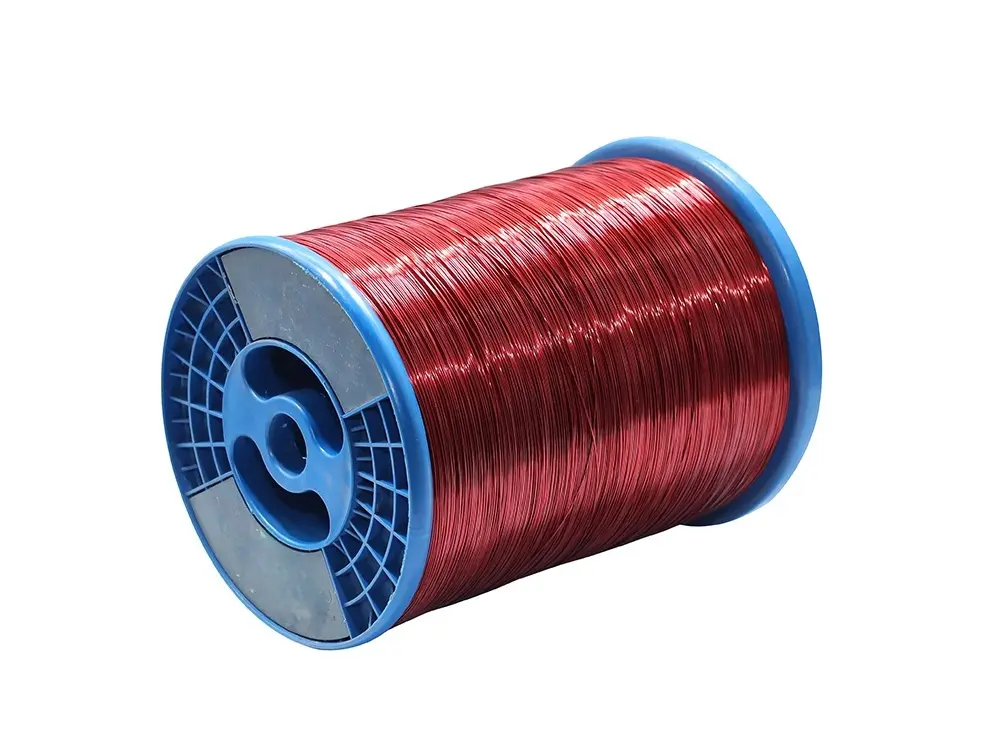
Expert engineering answers to technical inquiries regarding enameled wires and winding systems.
The thermal class indicates the maximum continuous operating temperature in degrees Celsius at which the wire maintains its insulation properties for a lifetime of 20,000 hours. Class 180 (H) utilizes polyesterimide resins, Class 200 (K) incorporates modified polyesterimide for higher temperature applications, and Class 220 (M) combines a polyesterimide basecoat with a polyamide-imide (PAI) overcoat to provide chemical, mechanical, and thermal protection in harsh environments.
The PAI overcoat serves as a protective layer, reducing the wire's surface friction to prevent abrasion and scratches during high-tension, automated winding processes. It also increases the cut-through temperature, resistance to solvents and transformer oils, and protection against partial discharge in electrical machines operated by variable frequency drives.
At high power levels, alternating currents tend to concentrate on the conductor surface (skin effect) and near adjacent conductors (proximity effect), which increases AC resistance. A CTC resolves this by transposing individual enameled strands along the length of the assembly. This balances the magnetic field exposure for all strands, reducing eddy currents, hot spots, and total AC winding losses in large-scale transformers.
Enameled aluminum wire is lighter (approximately 30% of copper's weight) and provides a cost-effective option during copper price volatility. It is widely used in weight-sensitive designs, including automotive dry alternators, aerospace components, and dry-type distribution transformers, where winding volume can be slightly expanded to match copper's performance.
Browse our range of technical enameled aluminum, copper, and composite flat conductors for high-performance industrial applications.