Explore our highly-demanded enameled copper and aluminum wires engineered for high performance, thermal resistance, and exceptional dielectric strength.
In modern electrical engineering, the efficiency of electromagnetic conversion determines the system integrity of electric vehicles, grid-level power distribution networks, and heavy industrial automation.
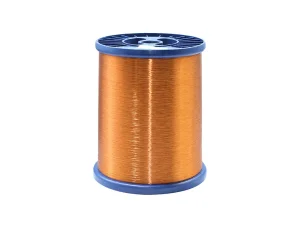
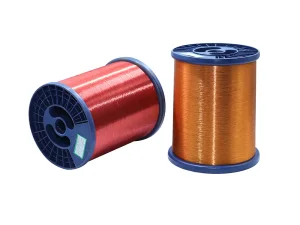
Enameled wire (often referred to as magnet wire) is a fundamental electrical component consisting of a metallic conductor, typically highly refined copper or aluminum, coated with a thin, uniform polymeric film insulation. The selection of materials and precise application of the insulation enamel are critical to avoiding short-circuits under extreme thermal, mechanical, and electrical stresses.
The thermal class of an enameled wire specifies the temperature (in degrees Celsius) at which the wire can sustain continuous operation for a standardized duration (historically defined as 20,000 hours) without losing its insulating properties. Choosing the appropriate class is crucial for mechanical longevity and preventing catastrophic failure. Below, we break down the primary engineering specifications and compound chemical matrices used in Suzhou Daiming's advanced production facility:
| Thermal Class Rating | Core Chemistry (Chemical Formulation) | Standard Designations (IEC / NEMA) | Primary Application Areas |
|---|---|---|---|
| Class 130 (B) | Polyurethane (UEW) / Polyester | IEC 60317-2 / NEMA MW 2-C | Small relays, solenoid coils, micro-motors, and analog telecommunications equipment. |
| Class 155 (F) | Polyurethane with high heat resistance (UEW) | IEC 60317-20 / NEMA MW 79-C | Automotive electronics, instrumentation coils, flyback transformers, and appliance motors. |
| Class 180 (H) | Polyesterimide (EIW) or Polyurethane (UEW-H) | IEC 60317-8 / NEMA MW 30-C | Fractional horsepower motors, high-frequency switch-mode power supplies, and magnetic sensors. |
| Class 200 (K) | Polyesterimide + Polyamide-imide (EIW/AIW Dual Layer) | IEC 60317-13 / NEMA MW 35-C | Electric vehicle (EV) drive motors, hermetic compressors for refrigeration, and wind turbine generators. |
| Class 220 (N) | Polyamide-imide (AIW) / Polyimide (PI) | IEC 60317-46 / NEMA MW 81-C | Aerospace flight systems, traction motors, dry-type power transformers, and nuclear-grade solenoids. |
By layering distinct polymer compounds—such as utilizing a basecoat of Polyesterimide for high thermal performance and an overcoat of Polyamide-imide for exceptional mechanical wear resistance—our engineering team creates double-coated composite structures. These composite enameled wires provide superior protection against surface friction, mechanical insertion stress (essential during automated stator winding), and chemical breakdown from varnish solvents.
Established as a benchmark manufacturer in East China's chemical and metallurgical zone, Suzhou Daiming Electrical Materials Co., Ltd. specializes in the design, development, and supply of enameled aluminum wires, enameled copper wires, and copper-clad aluminum (CCA) enameled wires.
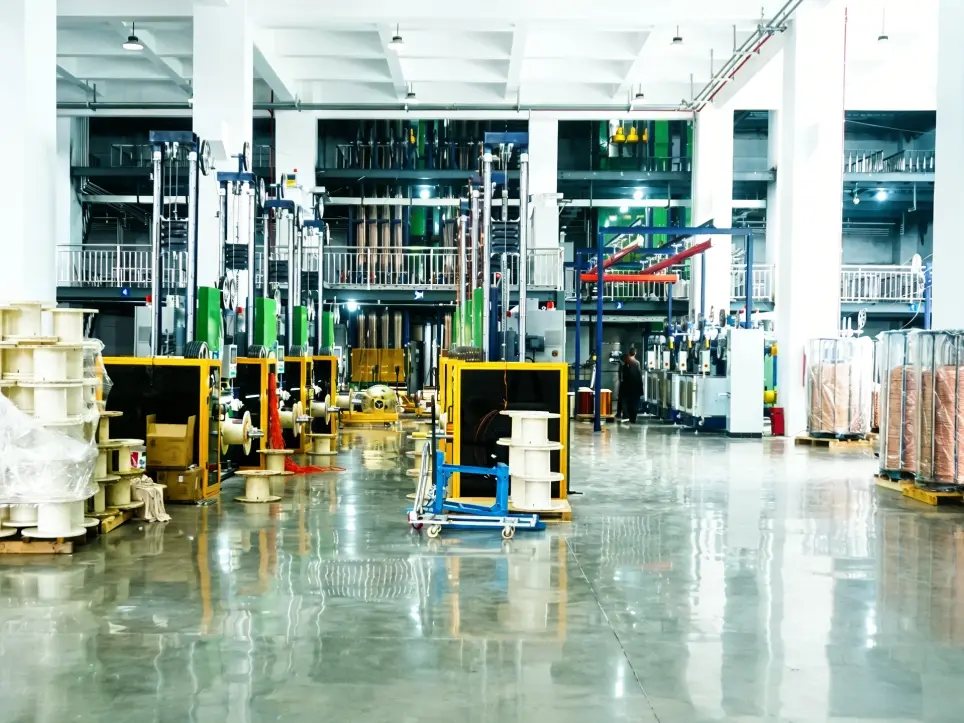
Our facility spans over 258,333.33 ft², operating 30 advanced computerized enamel-coating lines. With high-precision laser diameter control gauges and inline defect detectors, we ensure consistent production for challenging applications. Our technical team has over a decade of industry expertise, enabling us to match international standards (IEC, NEMA, JIS) and supply custom solutions to key global markets.



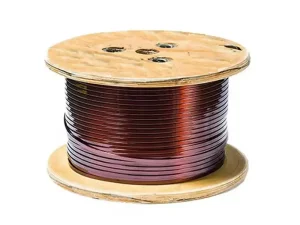
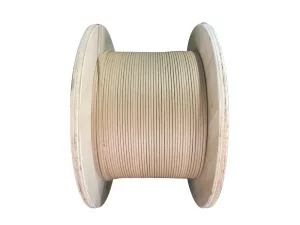
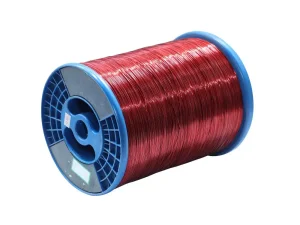
Leveraging high-purity raw materials and automated processes, we produce four key classes of magnet wire conductors.


Across power grid networks, automotive lines, and heavy industrial settings, standard off-the-shelf magnet wire may not meet performance expectations. Dynamic load fluctuations, high-speed switching frequencies, and environmental factors require target-engineered conductor configurations.
The automotive industry is shifting from traditional 400V battery architectures to 800V fast-charging drivetrains. This shift presents significant challenges for drive motor stator windings. Higher voltages increase the stress of partial discharge (PD), which can lead to premature dielectric breakdown of standard enameled coatings due to corona discharge.
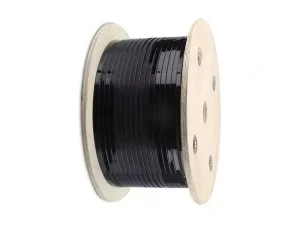
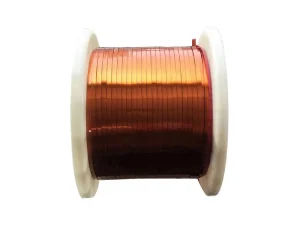
To address this, modern magnet wire design utilizes corona-resistant (CR) enameled wire. By adding metal-oxide nanoparticles to the polymer enamel layer, we improve charge dispersion and resist erosive electrical stress. Additionally, the industry is transitioning from round wire windings to enameled flat copper wire (hairpin technology). Flat configurations increase the slot fill factor from ~45% to over 70%, reducing resistive losses and improving thermal dissipation from the stator core.
High-voltage power transformers operate continuously under immense mechanical and thermal loads. Minimizing electrical power losses—especially eddy current losses inside the windings—is crucial for grid reliability.
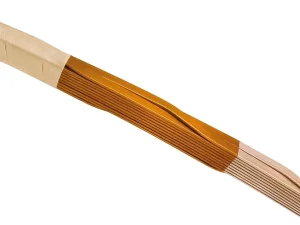
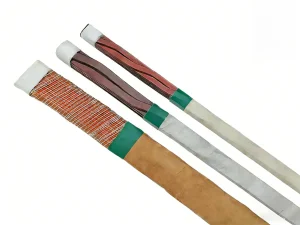
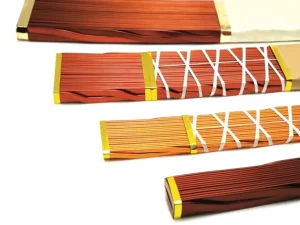
Continuously Transposed Conductors (CTC) address this challenge by grouping individual enameled rectangular copper strips into a transposed strand structure. Transposing the strands ensures balanced current distribution and reduces magnetic field-induced losses. Recent international projects, including shipments to Turkey, show that utilizing high-grade CTC materials helps modernize regional power grids and improves energy efficiency.
Every spool of enameled wire produced by Suzhou Daiming undergoes strict quality checks to ensure high performance under demanding conditions.

Our computerized manufacturing systems ensure uniform, concentric enamel film application. This minimizes pinholes, preserves dielectric strength, and guarantees reliable performance under high voltage spikes.

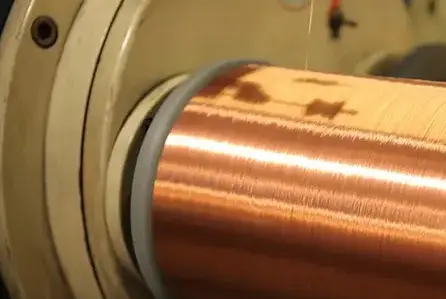
Formulated to resist thermal overload and mechanical scrape wear, our enameled wires maintain adhesion and flexibility even during high-tension, high-speed automated winding processes.

We offer tailored options across a wide range of round and rectangular conductor dimensions, enabling precise slot matching and optimal electrical performance for your designs.

With an annual capacity supported by 30 high-speed production lines, we ensure steady, on-time delivery to support your high-volume manufacturing timelines.

Designed to comply with RoHS, REACH, and UL regulations, our energy-efficient winding wire products support cleaner, sustainable global electrification initiatives.
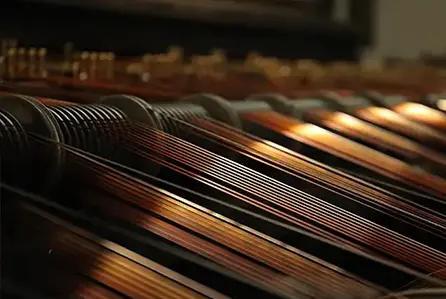
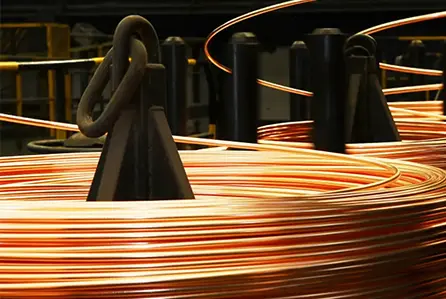
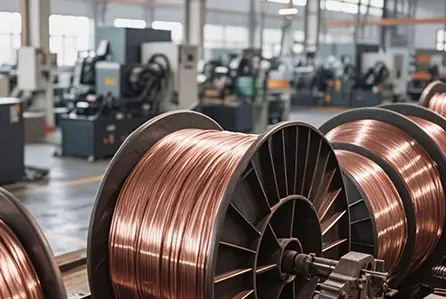
Our enameled wires are utilized in major global industries, delivering consistent performance where efficiency is key.
Sourcing magnet wire products globally requires verifying raw materials, manufacturing consistency, and adherence to international quality standards.
The electrical conductivity of winding wire depends heavily on the purity of the raw metals used. We source oxygen-free copper rods with a minimum copper content of 99.97% (Grade C10100 / Cu-OF). This high purity ensures an electrical conductivity rating of at least 100% IACS (International Annealed Copper Standard), minimizing resistance heating. For our aluminum series, we utilize EC grade 1350 aluminum alloys (minimum purity 99.7%), balancing low density with reliable conductivity.
To ensure high quality, each manufacturing run undergoes standard laboratory tests before packaging:
Large manufacturing orders require secure packaging to prevent transit damage. We package our wire on standard spools (e.g., PT-25, PT-90, PT-200) protected inside reinforced, moisture-resistant crates. This ensures the wire arrives in optimal condition, ready for high-speed winding machines.
Complete your design specifications with our specialized range of high-grade enameled round and flat wire configurations.
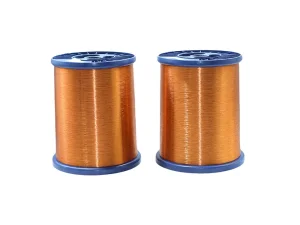
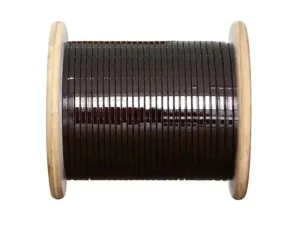
Read the latest engineering developments, trade shipments, and material science breakthroughs from Suzhou Daiming.
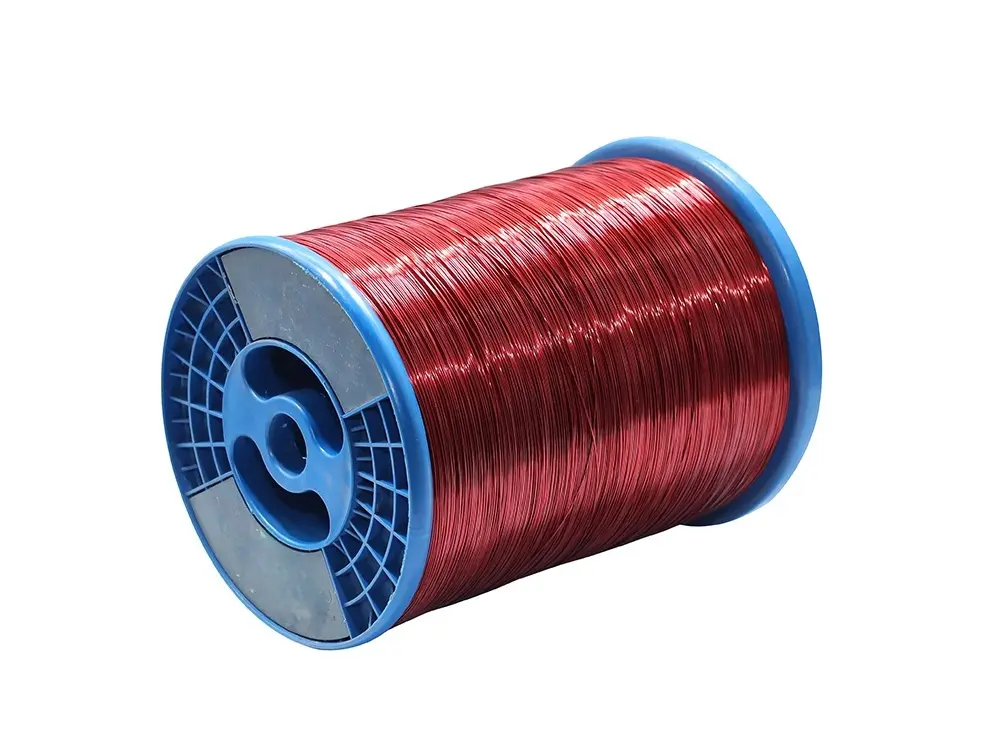
With industrial expansion in 2026, managing material costs while maintaining quality remains a priority. High-grade enameled aluminum wire offers an efficient solution for cost-focused engineering designs.
Fluctuating copper prices challenge standard production. Copper-clad aluminum (CCA) enameled wire balances copper's surface conductivity with aluminum's weight and cost benefits.
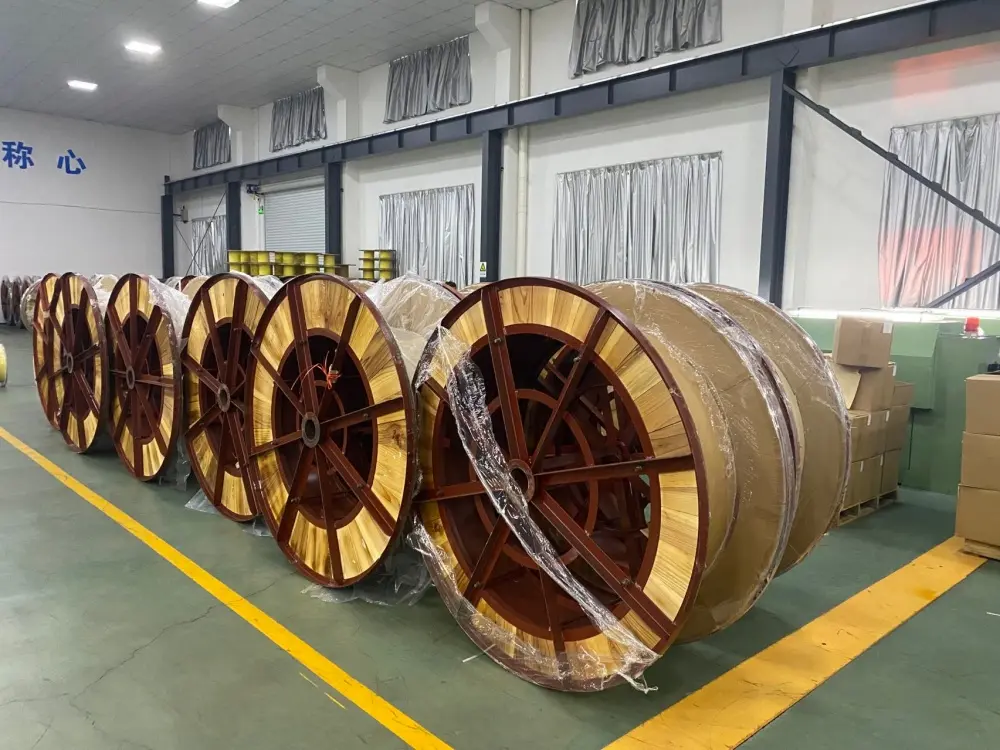
Suzhou Daiming completed a major shipment of Continuous Transposed Conductors (CTC) to Turkey, supporting modernization and efficiency upgrades for regional power grid transformers.
Find answers to common questions about selecting, testing, and sourcing high-performance enameled wires.
Enameled copper wire provides superior electrical and thermal conductivity (100% IACS), making it suitable for compact, high-efficiency motors. Enameled aluminum wire is lighter and more cost-effective, ideal for weight-sensitive applications like automotive components or large, non-compact transformer windings.
CCA enameled wire features an aluminum core bonded to an outer copper sleeve. In high-frequency designs, high-frequency current travels primarily on the outer copper layer due to the skin effect. This provides conductivity similar to solid copper while reducing total weight and material costs.
Flat or rectangular magnet wires fit together tightly without the empty gaps typical of round wires. This increases the space fill factor within motor slots to over 70%, improving magnetic density, reducing heat generation, and enabling more compact stator designs.
Modern electric vehicle traction motors typically require Class 200 or Class 220 enameled wires, such as EIW/AIW or pure AIW. These wires provide reliable protection against thermal spikes and resist partial discharge (PD) in high-voltage 800V drivetrains.
CTC structures group and transpose individual insulated copper rectangular strands. This design balances electromagnetic exposure across the strands, minimizing eddy current losses and improving grid reliability in high-voltage power networks.
We test each production run in our quality lab, measuring parameters like outer diameter tolerance, pinhole frequency, breakdown voltage limit, elongation, and heat shock resistance to ensure compliance with IEC and NEMA standards.
Yes. All insulation enamels and raw metals used in our facility comply with RoHS 3.0 and REACH regulations, meeting modern environmental safety standards for international markets.
MOQs vary depending on wire diameter and specific insulation requirements. We package products on secure plastic spools (such as PT-25, PT-90, or PT-200) inside robust shipping crates to ensure safe delivery globally. Contact our sales department to discuss your custom specifications.