Engineered with advanced polyester and polyesterimide insulation systems to ensure exceptional thermal, chemical, and physical resistance under extreme industrial environments.
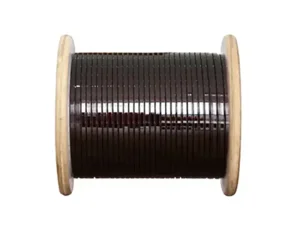
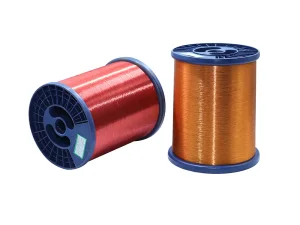
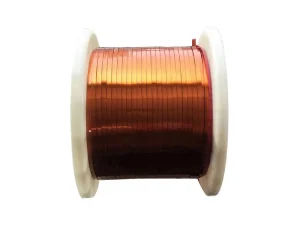
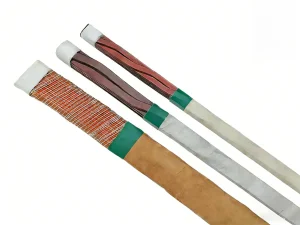
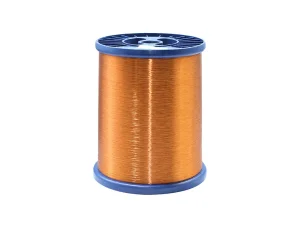
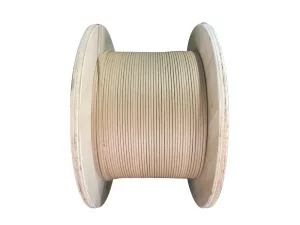
In modern electrical engineering, the integrity of winding insulation determines the lifespan and operational limits of motors, generators, and transformers. Polyester wire varnish (and its high-temperature derivative, polyesterimide) forms the primary protective envelope around conducting metals. These specialized polymeric coatings are formulated to withstand high thermal strain, electrical discharge, and mechanical abrasion.
Historically, insulation systems relied on simple natural resins. The shift toward synthetic polyester chemistries revolutionized magnet wire manufacturing. By introducing cross-linked polyester chains, chemical engineers achieved superior dielectric strength alongside high flexibility, allowing wires to be tightly wound into complex coil configurations without cracking the insulation layer.
"As global supply chains pivot toward higher efficiency rates and clean-energy infrastructure, the selection of premium wire varnishes has shifted from a mere purchasing decision to a vital strategic asset."
Several major dynamics are currently transforming the global wire varnish landscape:
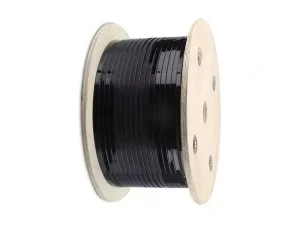
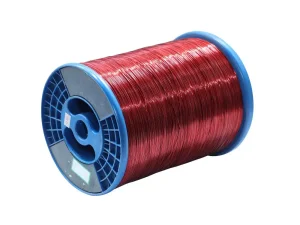
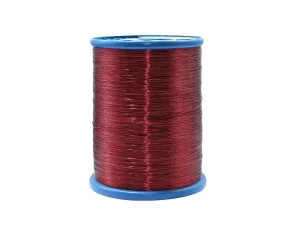
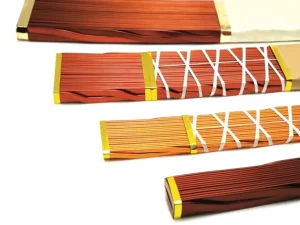
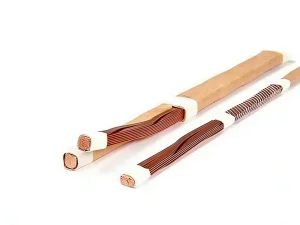
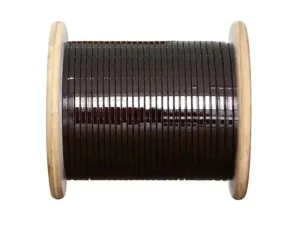
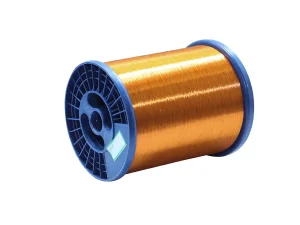
A comprehensive overview of key conductor structures coated with premium polyester and specialized insulation films.
Each conductor profile presents distinct chemical interface challenges. For example, aluminum conductors form a thin native oxide layer that requires specialized varnish formulations to ensure consistent bonding and prevent peeling during thermal cycling. Copper conductors demand high oxidation protection at elevated baking temperatures.
Our wire varnishes are custom-formulated to maximize interfacial adhesion, ensuring the insulation film remains uniform across sharp edges on flat (rectangular) conductor designs.
In high-speed drawing machines, the application of polyester wire varnish occurs in multiple consecutive passes. Each pass is followed by a precision thermal curing step.
The molecular weight distribution of the polyester resin, combined with blocked isocyanate crosslinkers and catalysts, governs the flowability and leveling properties of the varnish before it enters the drying zone. Correct viscosity guarantees uniform concentricity and minimal pinholes.
Adapting insulation solutions to specific industrial requirements, regulatory structures, and operating environments.
In the EV space, the shift to 800V architectures demands insulation that resists continuous voltage surges. Buyers require polyesterimide basecoats paired with polyamide-imide topcoats (PEI+PAI) to enhance chemical resistance against ATF (Automatic Transmission Fluid) and oil-spray cooling.
Utility-scale oil-filled and dry-type transformers prioritize long-term chemical compatibility with dielectric fluids. In these settings, Continuously Transposed Conductors (CTC) insulated with high-grade papers or modified polyester overcoats prevent breakdown under heavy short-circuit stress.
For hermetic compressors and water pumps, moisture resistance is critical. Standard polyester overcoated with amide-imide layers prevents hydrolysis of the polyester backbone when exposed to humid climates or chlorinated refrigerants.
Customer Needs as the Core
Situated on a sprawling 258,333.33 ft² site, our advanced production facility houses 30 state-of-the-art production lines. This robust infrastructure enables us to maintain a stable, high-volume output, ensuring a consistent supply to meet global market demands.
With strict quality control at every stage—from raw material inspection to final product testing—we uphold the highest industry standards, guaranteeing the durability and performance of our enameled wires. By transitioning to smart manufacturing (Factory 4.0), we leverage real-time monitoring of oven temperatures, wire drawing tension, and varnish viscosity parameters.
This automated approach ensures consistent insulation thickness and minimal concentricity errors, keeping production tolerances within micron-level parameters.


Through strict chemical control and state-of-the-art wire drawing technology, we deliver reliable insulation performance.

Each roll of enameled wire undergoes rigorous in-line monitoring and quality inspection to ensure consistent insulation film properties.

Our enameled wires feature a uniform, dense paint film that offers strong adhesion, scratch resistance, and excellent flexibility.

We provide tailored solutions matching wire diameter specifications, temperature requirements, and insulation builds to your applications.

With massive production capacity and a integrated supply chain, we secure raw materials to guarantee on-time global delivery.

Our enameled wires are optimized for high-efficiency motors, helping reduce energy consumption in green energy applications.
Our core engineering team brings over ten years of specialized experience in enameled wire formulations, international standards, and curing processes.
Delivering high-integrity insulation solutions across diverse heavy-industrial, energy, and automation fields.
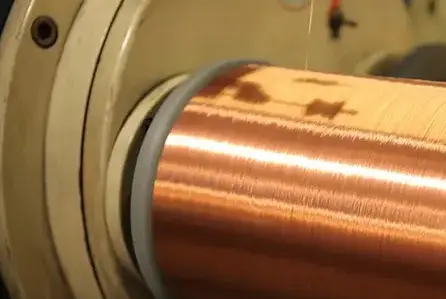
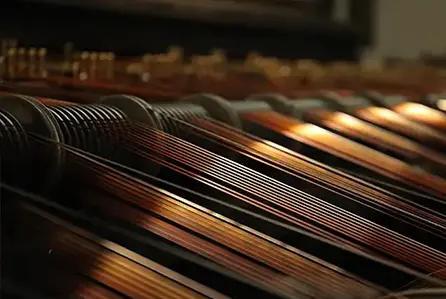
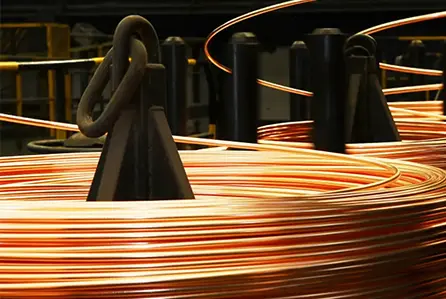
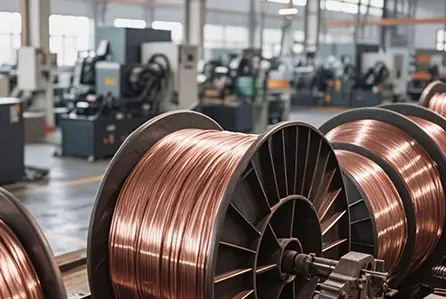
Market intelligence, technological shifts, and strategic updates in the global wire varnish and conductor industry.
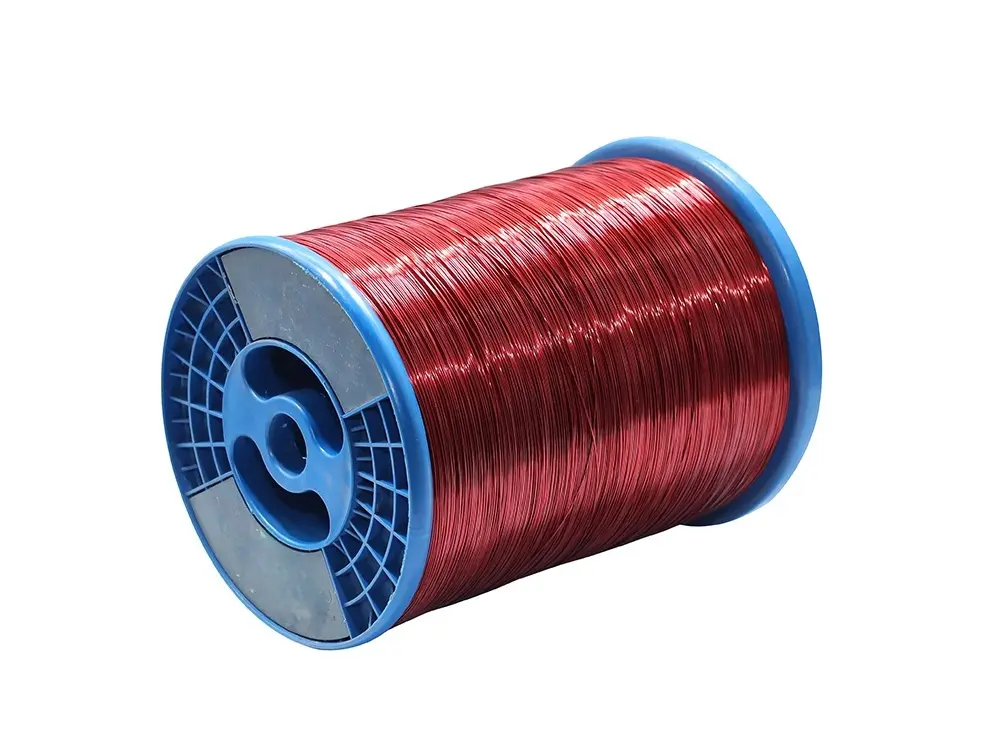
With the rapid development of new energy and high-end manufacturing in 2026, cost control and quality have become key priorities.
Learn More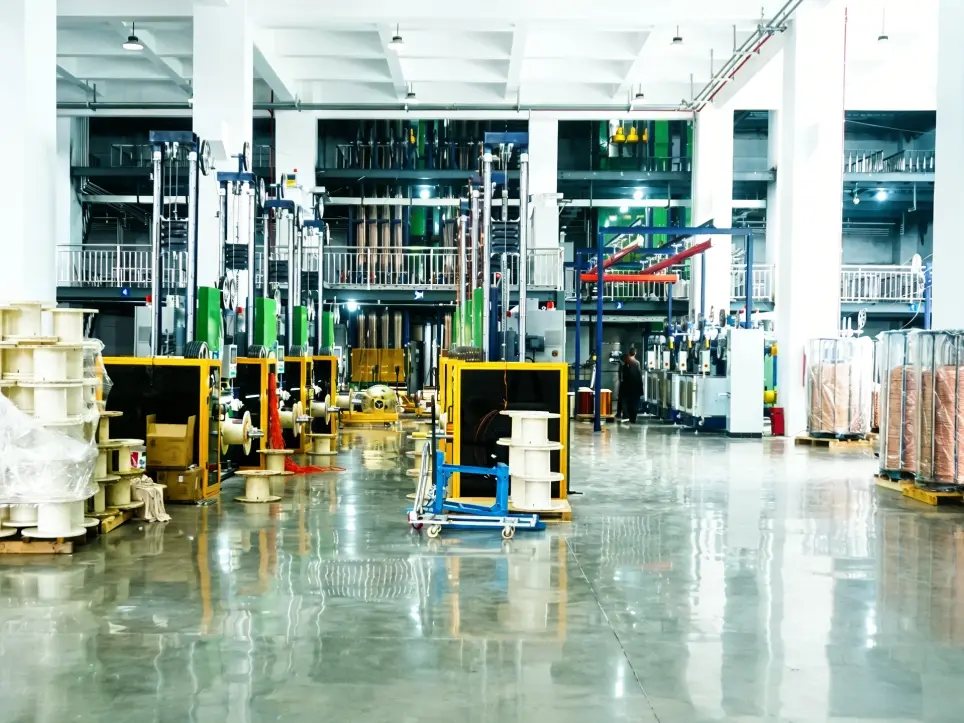
Faced with operational challenges caused by raw material fluctuations, copper-clad aluminum wire has emerged as a premium cost-reduction alternative.
Learn More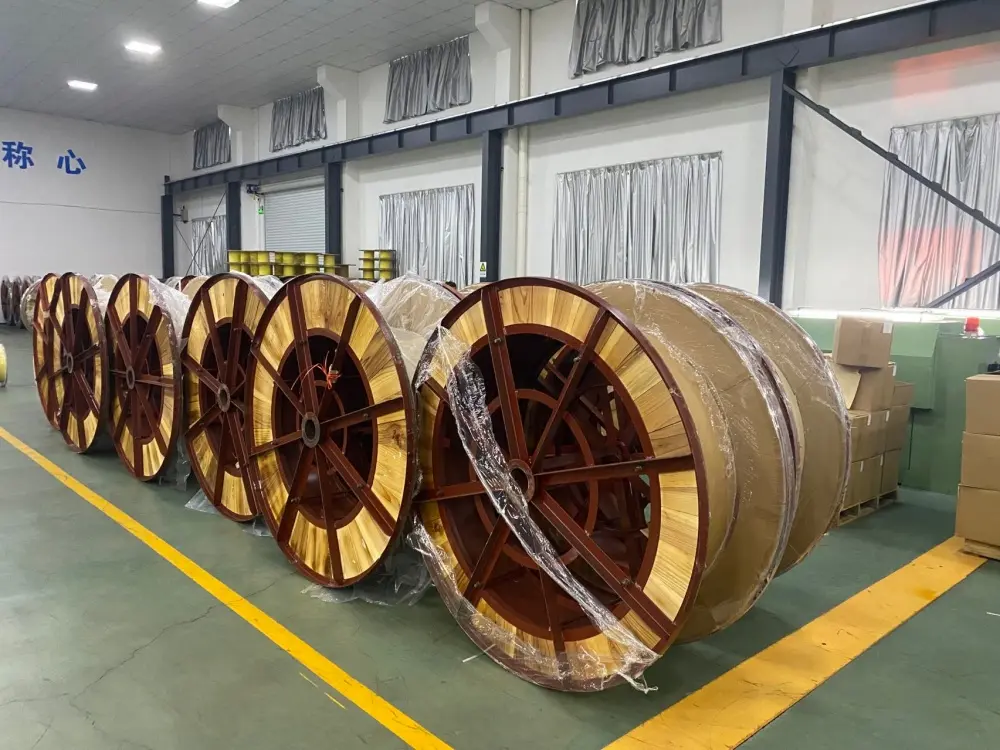
Global export update: High-quality Continuously Transposed Conductors (CTC) have been successfully shipped to Turkey, supporting Eurasian power grids.
Learn MoreExpert insights addressing key performance parameters, application chemistry, and selection criteria for industrial buyers.
Standard polyester varnishes typically offer a thermal index of 130°C to 155°C (Class B to Class F). They provide excellent mechanical flexibility and adhesion but degrade faster under continuous high temperatures.
Polyesterimide (PEI) varnishes introduce imide groups into the polyester polymer backbone, significantly improving thermal stability up to 180°C–200°C (Class H/Class N). This makes PEI the preferred choice for heavy-duty motors and generator windings that experience regular thermal surges.
The varnish layer must remain chemically inert when exposed to secondary processing chemicals, transformer oils, or refrigerants. For instance, in hermetic compressors, standard polyesters can undergo hydrolysis when exposed to moisture and modern refrigerants.
Applying a polyamide-imide (PAI) topcoat over the polyesterimide base layer provides a barrier that prevents solvent penetration and chemical degradation, protecting the underlying conductor.
In automated high-tension winding processes, magnet wires are subjected to severe mechanical stress. If the varnish film thickness is uneven (poor concentricity), thinner areas become susceptible to scrape damage and electrical breakdown.
Maintaining a uniform insulation layer prevents localized weak points, protecting the coil during tight-radius bending and high-stress insertions.
Our production processes and final products strictly conform to major international standards, including IEC 60317, NEMA MW 1000, and JIS C 3202.
We conduct comprehensive tests on every batch, covering breakdown voltage, heat shock resistance, scrape abrasion resistance, spring-back properties, and tangens-delta (curing quality) metrics.
Through vertical supply chain integration and alternative material development—such as Copper-Clad Aluminum (CCA) enameled wire—we offer options that help mitigate copper price spikes.
Additionally, our large facility footprint allows us to maintain buffer stocks of high-grade copper, aluminum, and raw varnish resins, shielding clients from short-term market disruptions.
Providing high-performance wire and conductor insulation solutions tailored to global industrial demands.