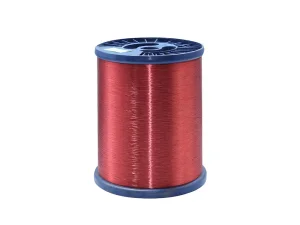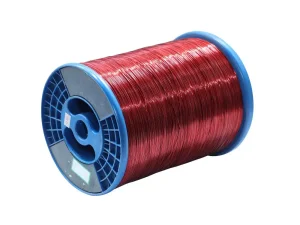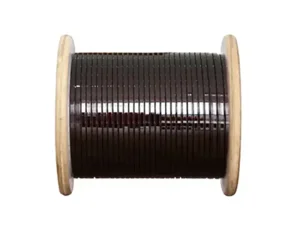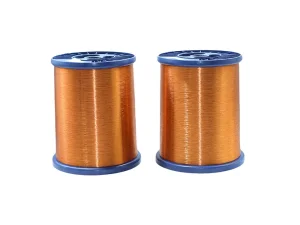
Explore our premium grade enameled winding wires designed for ultimate heat resistance and dielectric integrity.
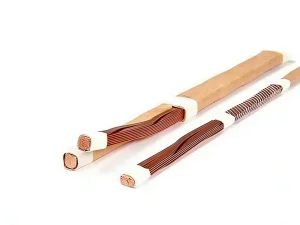
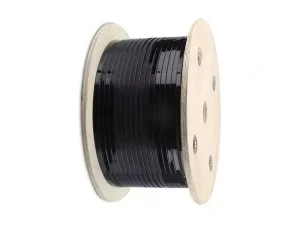
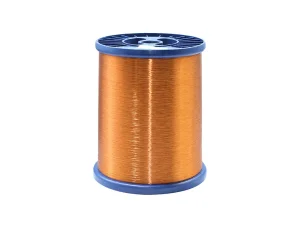
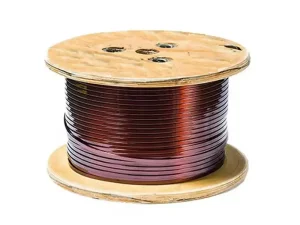
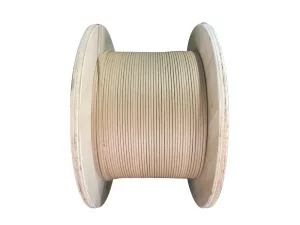
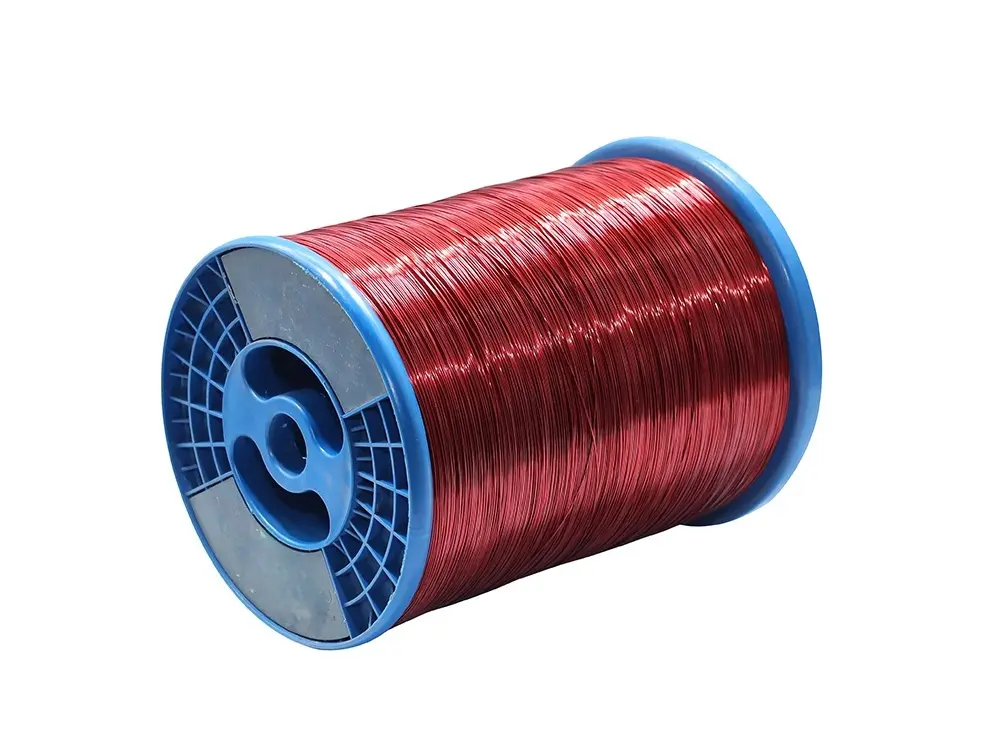
In B2B industrial electrical supply chains, the acronym PEW stands for Polyesterimide Enameled Wire. Known for its outstanding thermal properties (rated at Class H 180°C and Class K 200°C), PEW coated copper wire is the dominant material of choice for high-stress electromagnetic windings. Industrial operations require high insulation stability under severe environmental fluctuations, making the chemical formulation of the polymer film coating a vital variable.
Unlike basic Polyurethane (UEW) wire, which prioritizes solderability at lower temperatures, PEW features cyclic imide rings in its polymer backbone. This chemistry grants it superior resistance to heat, solvent degradation, and mechanical stress. The global industrial landscape has shifted towards energy-efficient motors, advanced automotive electronics, and high-voltage transmission units. This shift has elevated PEW coated copper wire from a basic commodity to a specialized, engineering-grade material.
Industrial procurement teams routinely filter sourcing lists by thermal class (Class H, N, R, C) and base metal specs. In North American and European logistics, the wire is classified under NEMA MW 30-C or MW 35-C standards, whereas Asian markets generally reference JIS C 3202 and international standards map to IEC 60317.
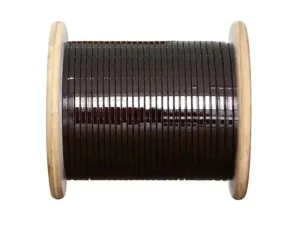
Currently, the market faces two dynamic forces: the copper price index fluctuation on the London Metal Exchange (LME) and the demand for lightweight designs. To navigate these conditions, design engineers utilize high-performance alternative configurations. These alternatives include flat (rectangular) cross-section enameled wires and Copper-Clad Aluminum (CCA) enameled wire, both of which optimize current density and cost ratios in mass-market transformers and induction coils.
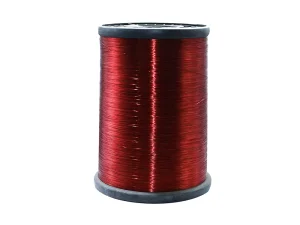
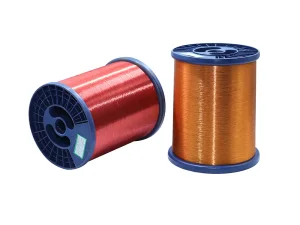
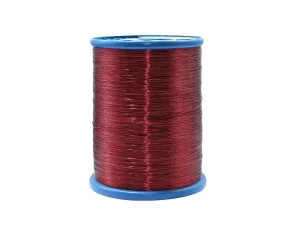
We manufacture four main categories of high-performance winding wires, built to meet international electrical standards.


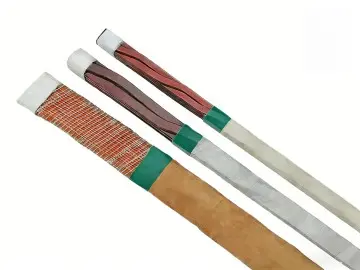
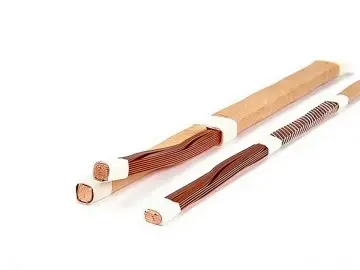
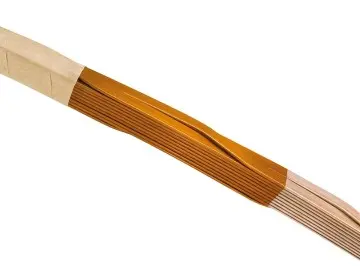
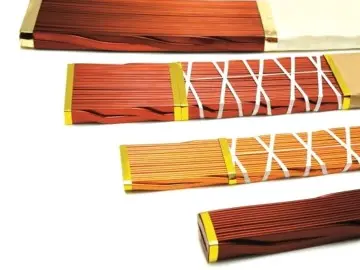
A leading factory providing specialized B2B enameled wire solutions globally.
Established as a core manufacturer of enameled aluminum, copper, and copper-clad aluminum (CCA) wires, Suzhou Daiming operates a sprawling 258,333.33 ft² production site. Housing 30 advanced production lines, our industrial facility is engineered for continuous high-capacity output and tight tolerance control.
Our competitive advantage is rooted in precision control over the crystallization, drawing, and multi-pass baking stages. Applying PEW (Polyesterimide) and UEW (Polyurethane) resin layers requires uniform thermal curing. Our automated closed-loop thickness monitoring systems help prevent insulation concentricity faults. This reliable manufacturing process ensures our wire products meet international benchmarks (IEC, NEMA, JIS).

Understanding physical properties under thermal stress is key to selecting the correct enameled wire. The table below compares the typical technical values of Enameled Copper Wire (PEW/UEW), Enameled Aluminum Wire (EAL), and Copper Clad Aluminum Wire (ECCA).
| Performance Parameters | Enameled Copper (PEW / UEW) | Enameled Aluminum (EAL) | Enameled CCA (ECCA) | |
|---|---|---|---|---|
| Thermal Insulation Class | Class H (180°C) / Class K (200°C) / Class N (220°C) | Class H (180°C) / Class K (200°C) | Class B (130°C) / Class F (155°C) | This table provides standard operational parameters. Customized specifications are available upon request. |
| Electrical Conductivity (% IACS) | ≥ 100% | ≥ 61.8% | ≥ 65% - 68% | For high-efficiency requirements, copper-clad options provide balanced conductivity and weight properties. |
| Tensile Strength (MPa) | 220 - 300 MPa | 80 - 120 MPa | 130 - 180 MPa | Higher tensile strength makes copper wires well-suited for high-speed automated winding processes. |
| Specific Gravity (g/cm³) | 8.89 | 2.70 | 3.32 - 3.63 | Aluminum and CCA wires offer significant weight reductions for weight-sensitive applications. |
| Solderability Features | Self-solderable (UEW) / Mechanical strip (PEW) | Requires flux / mechanical removal | Easy solderability on outer copper layer | Our design team can assist with joint design and termination techniques. |
In B2B purchasing specs, customers often compare Polyesterimide (PEW) with Polyurethane (UEW). UEW features a polyurethane coating that decomposes at approximately 360°C to 400°C, allowing for direct dip-soldering without manual insulation stripping. This facilitates high-speed termination in complex electronics. However, UEW is typically rated for lower thermal classes (130°C to 155°C, with some specialized grades reaching 180°C).
Polyesterimide (PEW), by contrast, features highly stable imide and ester groups that do not decompose at standard soldering temperatures. Sourcing engineers select PEW for applications demanding Class 180 to Class 200 thermal stability, where the wire must endure high temperatures without dielectric breakdown. In these setups, insulation is stripped mechanically or chemically before termination. To enhance protection, manufacturers can apply an outer polyamide-imide (PAI) overcoat to create Polyesterimide-imide (EIW/AIW) wires. These dual-coated wires can withstand heat up to 220°C and offer excellent resistance to solvents and mechanical damage.
Suzhou Daiming relies on robust manufacturing controls to deliver consistent performance in every batch.
Rigorous multi-pass coating processes ensure a uniform, defect-free paint layer with excellent adhesion, flexibility, and insulation resistance.
Designed to withstand mechanical stress and high-temperature thermal loads, helping to prevent short circuits under severe workloads.
We offer tailored wire diameters, specific insulation thicknesses, customized thermal classes, and custom spool sizes to match your automated winding equipment.
Equipped with 30 high-speed drawing and enameled production lines, we maintain high inventory levels to ensure reliable and timely delivery.
Our high-efficiency wires are designed for energy-efficient motors, helping to minimize power loss and support carbon-reduction targets.
Every spool undergoes rigorous quality testing, including springback, elongation, breakdown voltage, high-temperature testing, and pinhole checks.
Our products are engineered to provide reliable performance across diverse operating conditions.
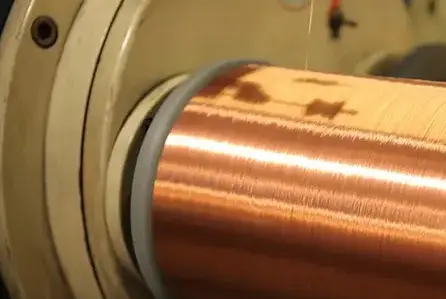
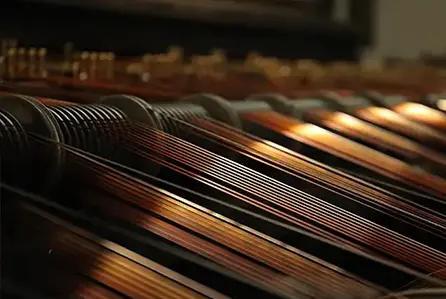
The transition of electric vehicle traction systems from 400V to 800V represents a significant technological shift. At 800V, fast charging rates are improved, but the higher voltage creates significant electrical stress for magnet wire coatings. High voltage gradients can lead to partial discharge and corona damage, accelerating traditional polymer breakdown.
To address this, automotive and wire manufacturers are developing corona-resistant enameled wires. These formulations feature nano-ceramic particles dispersed within the polyesterimide (PEW) matrix, helping to dissipate electrical charge and extend operating life. We are continuously refining our materials and production processes to support the development of high-voltage drivetrain technologies.
In high-capacity power transformers, reducing winding losses is essential for overall system efficiency. Standard thick copper conductors often experience significant eddy current losses. Modern grid designs solve this by utilizing Continuously Transposed Conductors (CTC).
A CTC is comprised of a bundle of flat enameled wires transposed in a continuous pattern, wrapped in special insulating paper. This construction minimizes skin effect and proximity losses. Additionally, applying a self-adhesive epoxy resin overcoat allows the wire to bond securely under heat during winding, creating a rigid structure that resists short-circuit mechanical stresses. This ensures reliable performance in major power grid upgrades.
For B2B buyers, verifying manufacturer certifications (such as ISO 9001, UL file registration, RoHS compliance, and REACH status) is critical. Additionally, requesting batch test logs for thermal stability, pinhole frequency, and windability helps to mitigate quality risks before shipping.
Follow the latest updates on production engineering, shipping news, and technical trends.
As new energy manufacturing expands in 2026, managing cost and quality remains a key focus...
Read More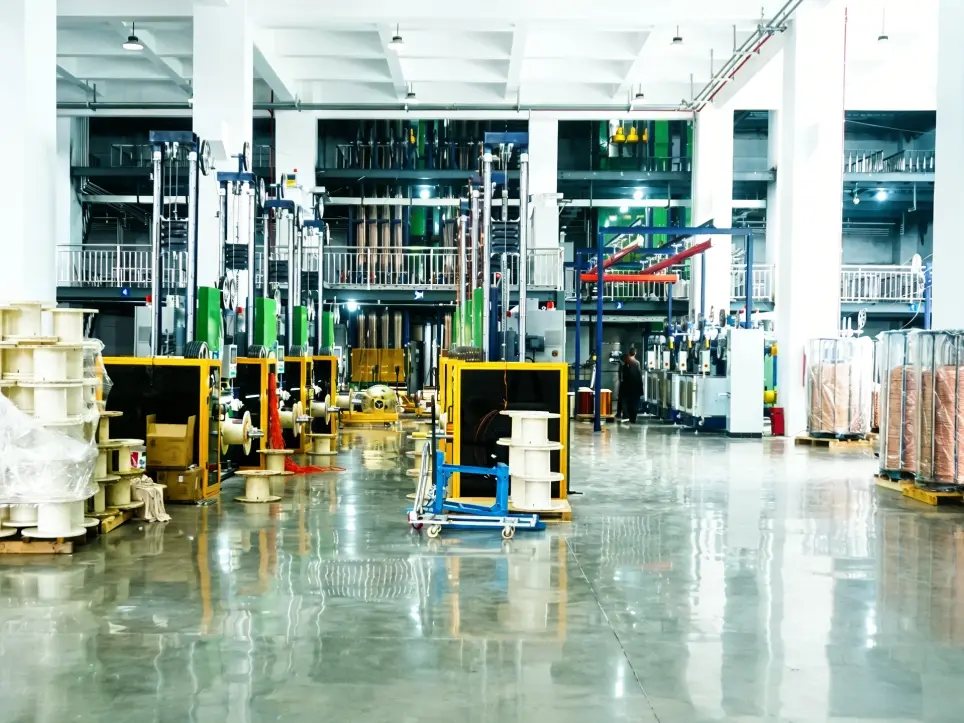
Faced with volatile raw material prices, enameled copper-clad aluminum wire offers a balanced performance and cost ratio...
Read More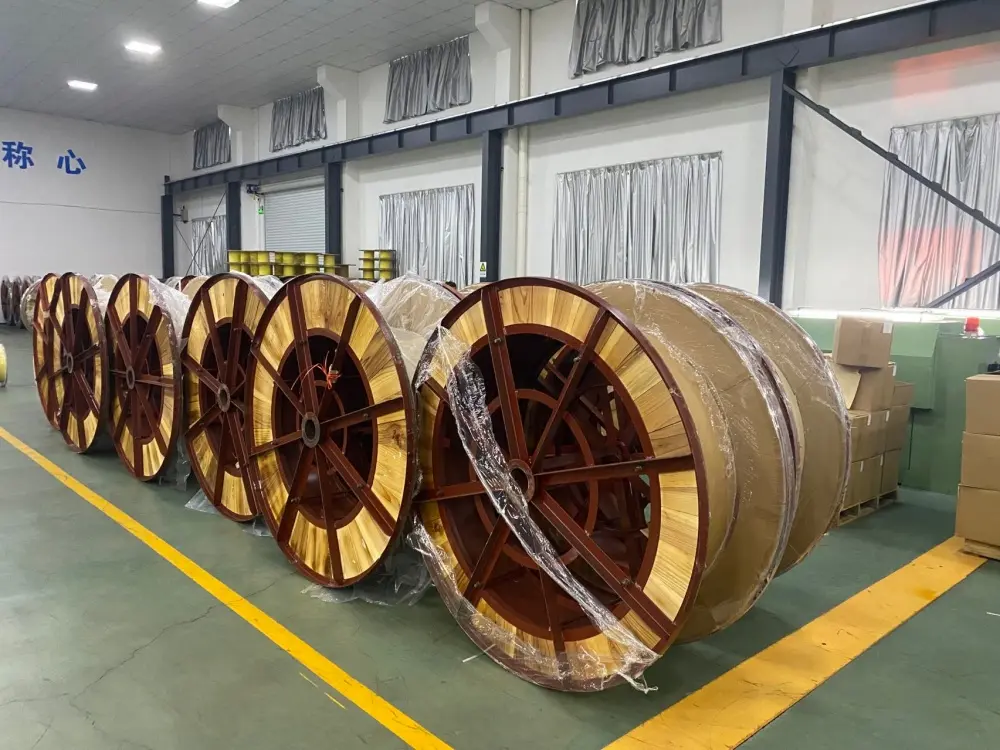
Our latest export of high-grade continuously transposed conductors supports international energy grid modernization projects...
Read MoreIncreasing demand for 800V EV traction motors is accelerating the adoption of specialized winding wire designs...
Read MoreTechnical answers to common questions raised by electrical design engineers and B2B buyers.
Browse our selection of specialized winding wires designed for industrial electronics and grid infrastructure applications.