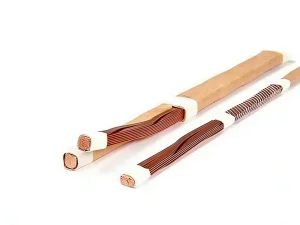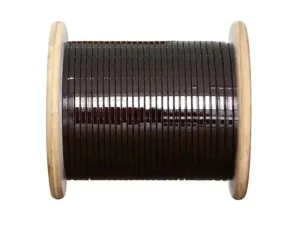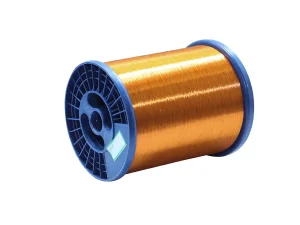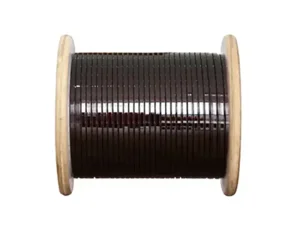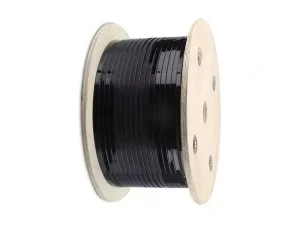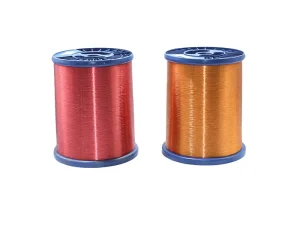
Explore our leading industrial-grade magnet wires, enameled profiles, and Continuously Transposed Conductors (CTC).
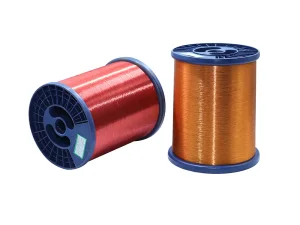
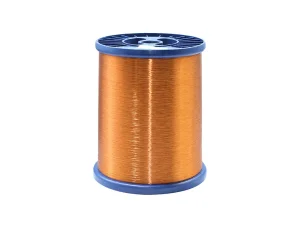
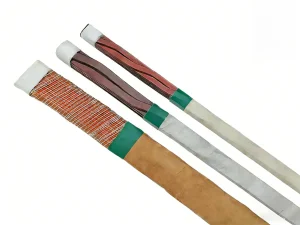
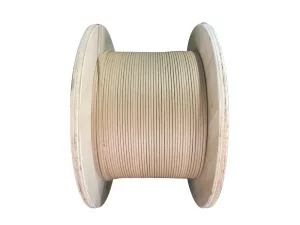
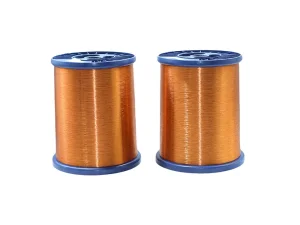
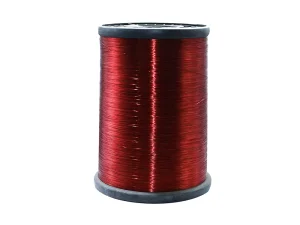
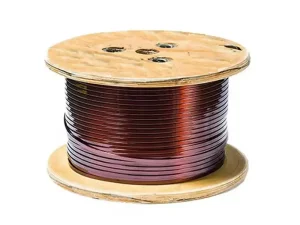
As the international community transitions toward carbon neutrality and clean energy transformation, global power grids are undergoing massive infrastructure revamps. High-Voltage (HV), Extra-High Voltage (EHV), and Ultra-High Voltage (UHV) power transmission infrastructure act as the main arteries of this shift. Within these critical grid systems, Paper Covered Flat Copper Wires and Continuously Transposed Conductors (CTC) play an irreplaceable role.
Historically, insulating copper wires using high-density cellulose papers emerged due to paper's excellent dielectric integrity when impregnated with mineral oils. Today, even with synthetic polymers gaining traction, paper insulated copper configurations remain the primary insulation medium for large-scale power transformers (rating over 100 MVA). They deliver structural reliability, long thermal lifespans (typically exceeding 30–40 years), and an unmatched ability to withstand extreme short-circuit electromagnetic forces.
With copper price fluctuations driving the energy industry, developers demand customized sizing options and mixed metal solutions (such as Copper Clad Aluminum or high-grade Enameled Aluminum wires) to balance cost efficiency and thermal limits. Consequently, factories must deliver dual capacity—maintaining pure copper lines alongside hybrid structural wire geometries.
Industrial applications span multiple regions: North America is updating its aging transformer fleet; Europe is connecting massive offshore wind installations via high-voltage DC stations; and rapid industrialization in Asia and South America is driving demand for locally sourced, IEC-certified insulation winding components. High-voltage utility grids depend directly on the thermal performance and copper purity provided by leading manufacturing plants.
We combine advanced mechanical systems with precise quality controls to deliver premium magnet wires for power systems worldwide.
Located on a spacious 258,333.33 ft² facility, our factory houses 30 state-of-the-art production lines designed for precision extrusion, enameled curing, and multi-layer paper wrapping. We manage the entire lifecycle of wire manufacturing, from processing high-purity electrical copper rods to winding high-tension conductors.
Our team brings over ten years of industry expertise. We ensure every shipment complies with global standards like IEC, NEMA, and ASTM, making us a trusted partner for electrical utilities in more than 10 countries.

The reliability of paper insulated copper wires is determined during the drawing and wrapping stages. We maintain strict control over mechanical tolerances and electrical properties to ensure optimal performance.
We use high-purity, oxygen-free copper with a minimum copper content of 99.99%. This yields an electrical conductivity exceeding 101% IACS (International Annealed Copper Standard). By minimizing impurities, we optimize the flow of current and protect the core from oxidation and internal void breakdowns.
Depending on the operating voltage and temperature profile, our wrapping processes utilize several high-performance papers:
Every batch of wire undergoes strict testing, including spring-back measurements for mechanical winding behavior, breakdown voltage checks (dry and oil-impregnated states), inter-turn insulation tests, and dimensional checks down to the micrometer.
Our commitment to quality ensures reliability for demanding utility applications.
Every wire configuration undergoes strict inline inspections to ensure smooth insulation layups and prevent micro-voids.
Our wires maintain high mechanical strength and electrical insulation performance under thermal stresses.
We manufacture custom cross-sections, ranging from flat and square shapes to complex transposed profiles.
Our 30 production lines provide high capacity to ensure on-time delivery for major utility grid projects.
Precision winding wire is essential for heavy power generation and distribution systems. Our products are used across critical industrial applications.
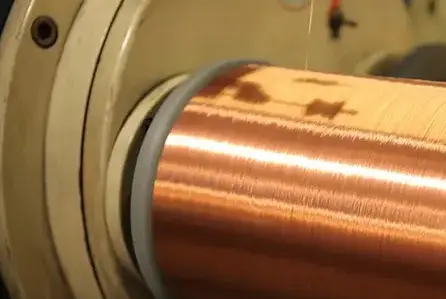
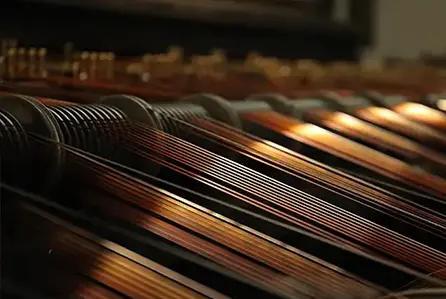
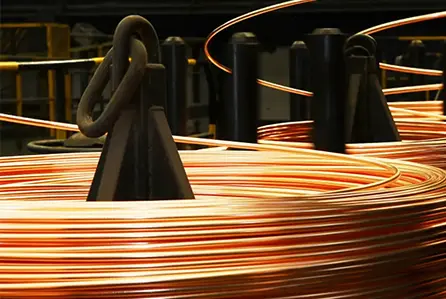
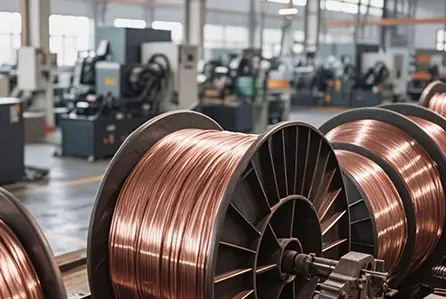
As power conversion systems shift toward higher energy densities, winding insulation technology continues to evolve. Our current roadmap focuses on two main developments:
Modern electric drivetrains are transitioning from 400V to 800V architectures. Our research team is developing thin, high-adhesion enameled copper and aluminum profiles designed to resist corona discharge and partial dielectric breakdown.
To reduce the environmental footprint of large transformers, we are testing cellulose pulps treated with organic agents that degrade cleanly in natural environments without releasing toxic chemical residues.
For high-capacity utility grids, minimizing eddy current losses is critical. Our modern winding lines use automatic transposition machinery to ensure uniform path lengths, lowering heat losses in the transformer core.
Explore answers to common technical questions about paper insulated conductors and enameled wires.
Flat rectangular wires provide a higher space filling factor within the transformer core window, reducing wasted space compared to round wires. They also offer improved thermal dissipation and mechanical strength, helping the windings withstand short-circuit forces.
CTC consists of multiple individual enameled rectangular copper strands transposed into a single conductor. This transposition balances the magnetic fields across all strands, reducing eddy current losses and hot spots while making winding operations easier for large transformer coils.
The aging of Kraft paper is primarily driven by heat, moisture, and oxygen. These factors break down the cellulose chains, lowering the paper's mechanical strength. Using thermally upgraded kraft paper and managing transformer oil quality can help slow this deterioration and extend the operational life of the equipment.
These classes designate the maximum continuous operating temperature (in °C) at which the insulation will maintain its dielectric properties over its rated lifetime. The classes are determined by the chemistry of the enamel coating, such as polyurethane, polyesterimide, or polyamide-imide.
For applications in humid environments, we apply moisture-resistant enamel coatings and advise using vacuum oil impregnation. This process displaces residual air and moisture from the paper layers, replacing it with dielectric insulating oil.
Stay informed on our latest product shipments, market insights, and engineering developments.
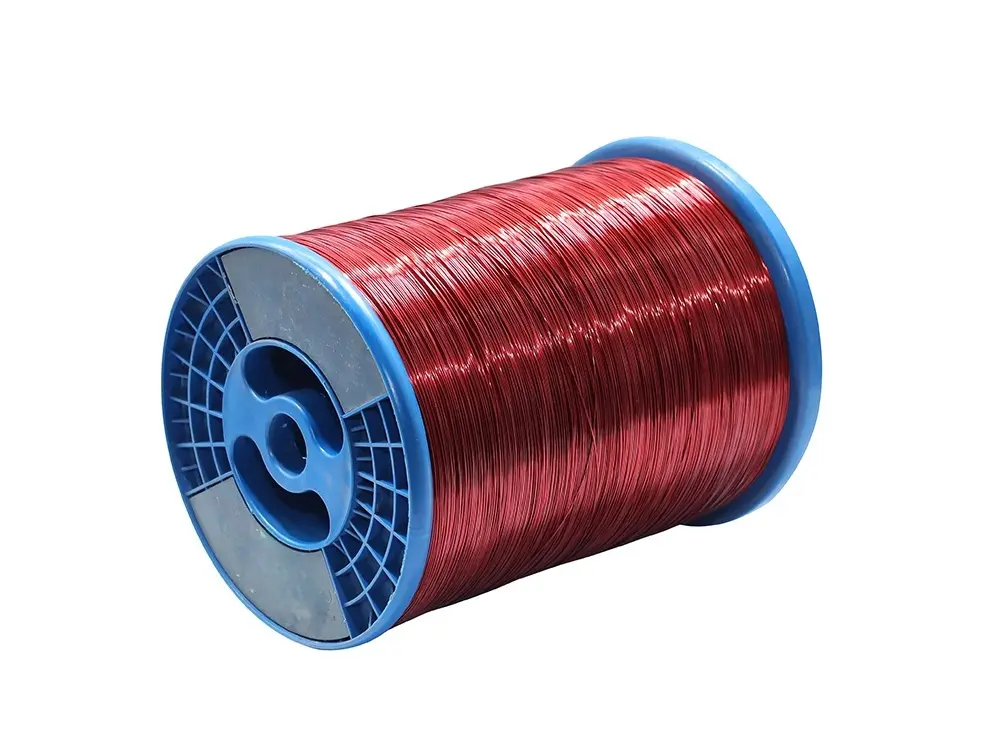
As energy developers focus on cost management, enameled aluminum wire offers an efficient alternative to copper in various motor and distribution applications.
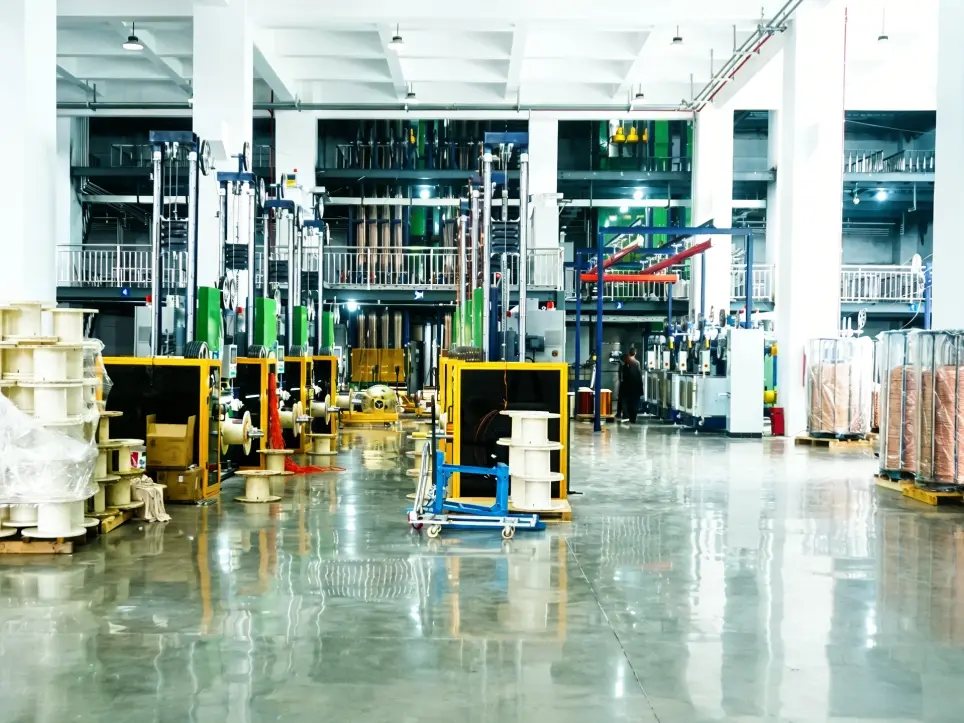
Copper-Clad Aluminum (CCA) enameled wire balances electrical performance and weight, making it a popular choice for cost-effective coil designs.
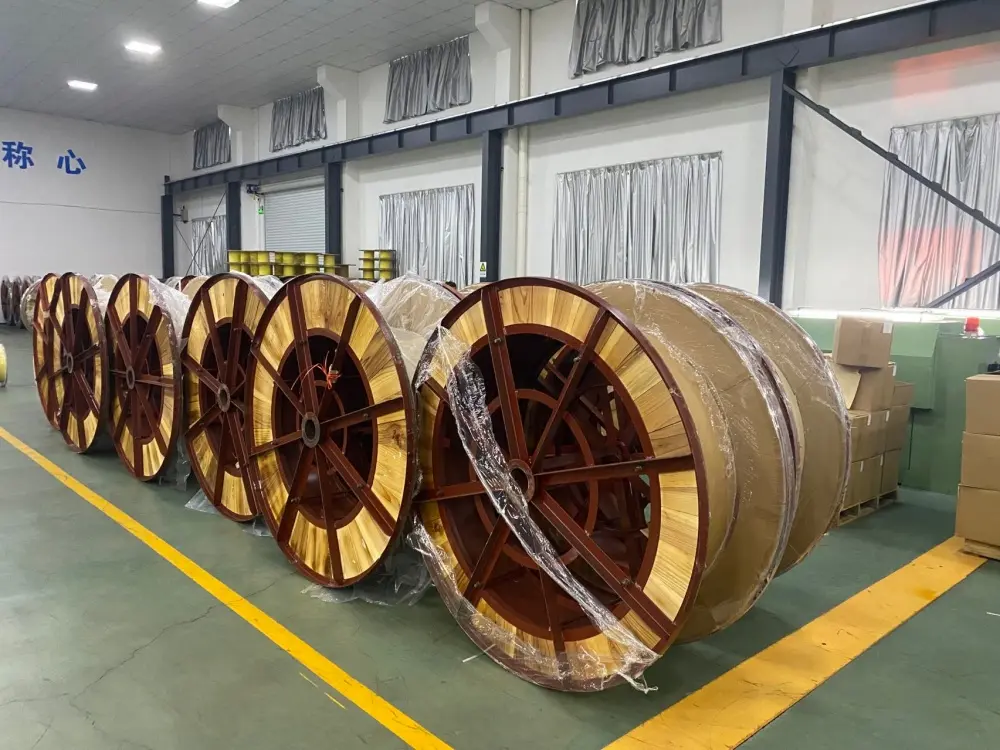
Our high-voltage CTC conductors were recently exported to Turkey to support regional power grid modernization and increase transmission capacity.
Browse our complete catalog of enameled magnet wires, aluminum profiles, and custom wrapping services.