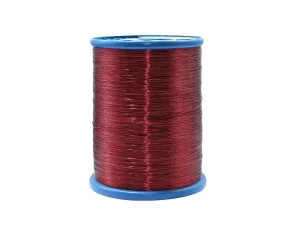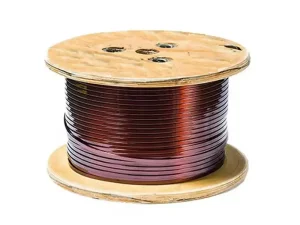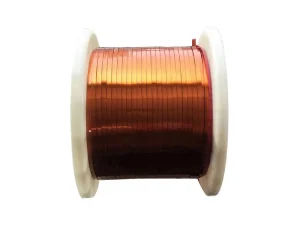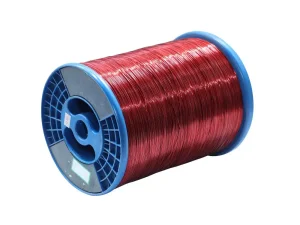
Explore our premium product line manufactured under absolute ISO and NEMA standards for industrial motors, generators, and transformers.
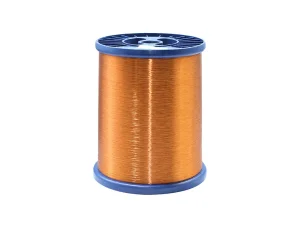
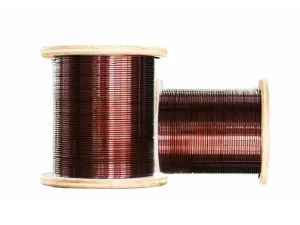
A Comprehensive Technical Whitepaper on Winding Insulation Integrity.
In modern high-efficiency electromagnetic equipment, the enameled wire coating is not just a passive dielectric film—it is a critical engineering component. Known colloquially as wire enamel, these coatings are formulated from complex liquid polymers (primarily dissolved in organic solvents) that are applied precisely over copper, aluminum, or composite conductors. Upon thermal curing in specialized vertical or horizontal ovens, these solvents evaporate, leaving behind a highly dense, cross-linked polymer matrix.
The selection of the base polymer determines the final thermal class, chemical compatibility, scrape resistance, and dielectric breakdown voltage of the magnet wire. As power densities increase in electric vehicle traction motors, high-frequency switches, and power grid transformers, selecting the correct chemical formulation—such as Polyurethane (PU), Polyesterimide (PEI), or Polyamide-imide (PAI)—is paramount to avoiding premature dielectric breakdowns caused by partial discharge and corona phenomena.
"To satisfy the demands of modern electrification, we leverage high-performance polymer chemistry designed to withstand up to 220°C continuous operating temperatures under intense mechanical stresses."

A comparison of core chemistries used by global manufacturers to achieve varying thermal and electrical targets.
Typically used for Class 130 to 180 applications. Renowned for its self-soldering (solderable without stripping) properties, making it highly effective for small electronic coils, sensors, and precision relays.
Suitable for high-performance Class 180 to 200 applications. PEI coatings offer exceptional thermal stability, chemical resistance, and high breakdown voltage, commonly used in industrial motors and heavy transformers.
Providing the ultimate Class 220 thermal protection. Applied as a dual-coat top layer, PAI provides extreme heat-shock protection, thermoplastic flow resistance, and superior mechanical wear endurance.
Combining technological integration, vertical supply chains, and robust quality protocols to deliver unrivaled cost-efficiency.

Utilizing high-precision concentric dies and floating felt wiping systems to ensure a perfectly uniform concentricity rating (>95%) and bubble-free paint layers across all wire runs.

All coatings endure rigorous heat-shock tests up to 240°C, and maintain resistance to standard refrigerants, transformer oils, and aggressive impregnation varnishes.

From micro-fine wires for aerospace telecommunications to heavy-duty rectangular and paper-covered conductors for large power grids, we customize thickness from Grade 1 to Grade 3.

With 30 state-of-the-art drawing and enameling lines, Suzhou Daiming offers continuous, high-volume production output with guaranteed timely container shipments globally.

We are actively transitioning our formulation lines to low-VOC solvent recovery configurations, reducing atmospheric release, and guaranteeing strict RoHS/REACH compliance.
We comply fully with UL certifications, IEC 60317, NEMA MW 1000, and GB/T standards to integrate seamlessly into your engineering designs.
How our custom-formulated enameled wires and coatings power major sectors worldwide.
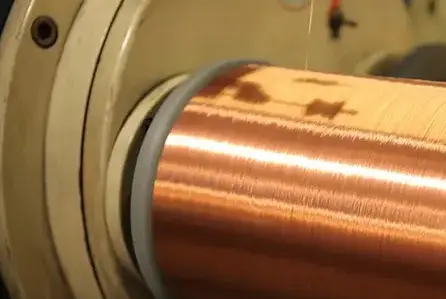
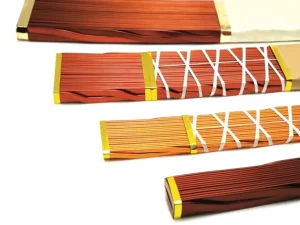
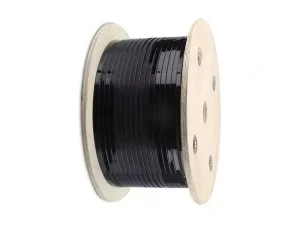
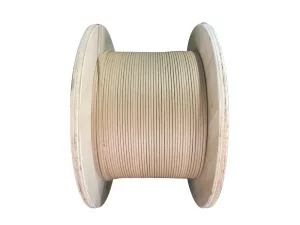
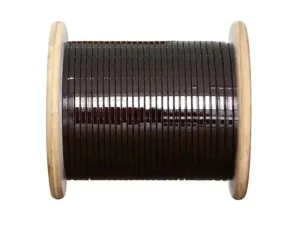
Engineered for high slot fill factors and low mechanical wear. Perfect for heavy industrial alternators and distribution transformers requiring paper wrapping or Class 200 flat wire configurations.
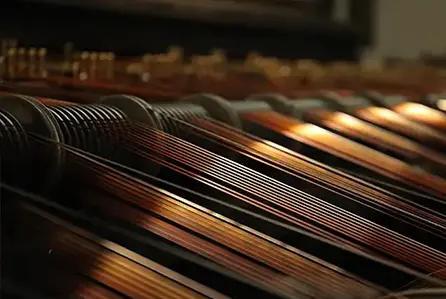
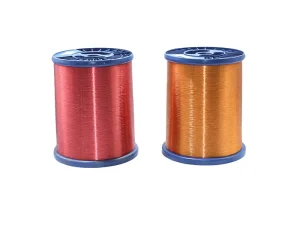
Reliable and cost-effective insulation polymers designed specifically for domestic refrigerator compressors, vacuum motors, microwave transformers, and high-frequency coils.
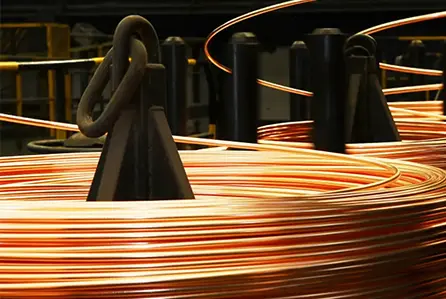
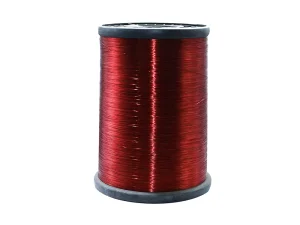
High-precision micro-diameter polyurethane enameled wires. Excellent self-soldering, optimal insulation consistency, and low dielectric loss for high-sensitivity sensors and actuators.
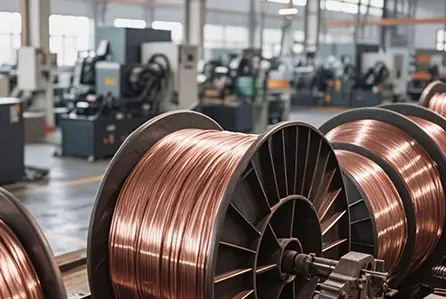
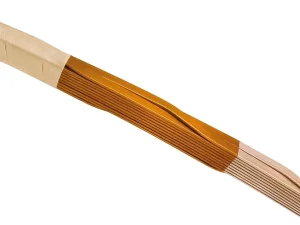
Continuously Transposed Conductors (CTC) utilizing paper and mesh wraps to optimize cooling dynamics and electromagnetic efficiency in ultra-high voltage grids.
Tracking the structural shifts driven by 800V EV architectures and renewable energy grids.
The global enameled wire industry is undergoing its most significant technological evolution in decades. Driven primarily by the automotive industry's migration from 400V to 800V electric vehicle drivetrains, standard wire insulation coatings are no longer sufficient. High dv/dt inverter switching frequencies generate intense voltage overshoots and high-voltage spikes, causing rapid partial discharge and early breakdown of classical insulation layers.
To combat this, manufacturers are adopting corona-resistant coatings. By incorporating nano-sized inorganic filler materials (such as silica or metal oxides) into the polyesterimide or polyamide-imide resin matrices, the lifetime of the insulation layer under high-frequency electrical stress can be extended up to 100 times. Additionally, the industry is witnessing a transition toward solvent-free or water-borne coatings to comply with stricter ecological regulations worldwide.
Simultaneously, the surge in copper prices has accelerated the adoption of Copper-Clad Aluminum (CCA) and pure aluminum enameled wires in applications like light-duty motors and transformer secondary windings, proving to be an invaluable strategy for procurement cost reduction.
Stay updated with our latest factory shipments, technical updates, and market trends.
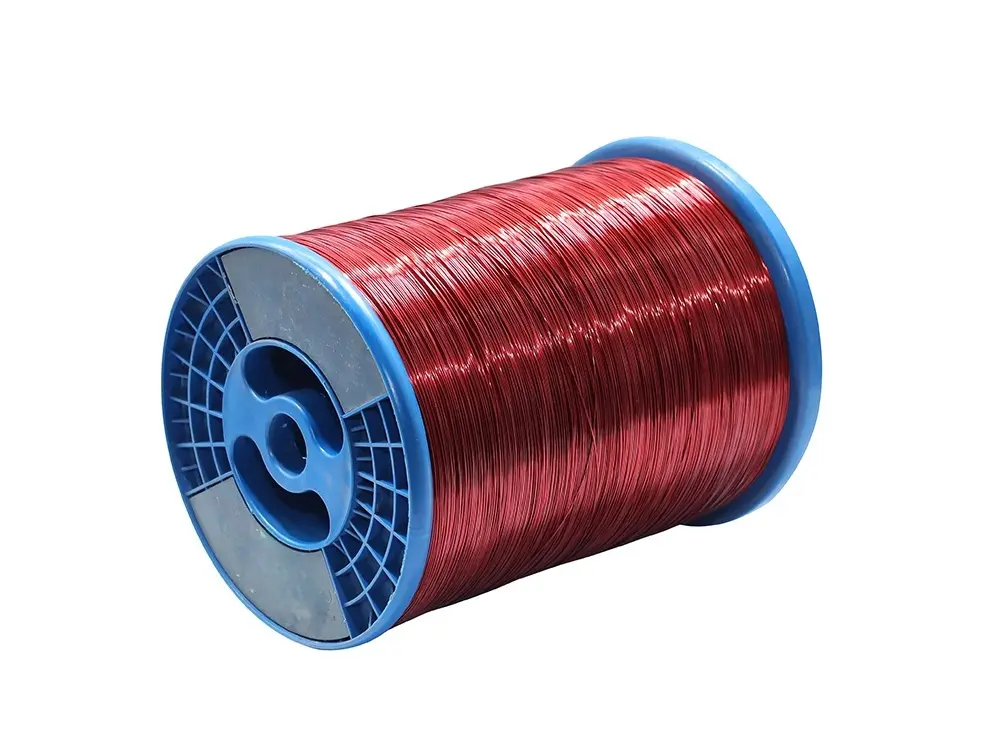
With the rapid development of new energy and high-end manufacturing, cost control is more critical than ever. Aluminum magnet wire is emerging as the preferred option...
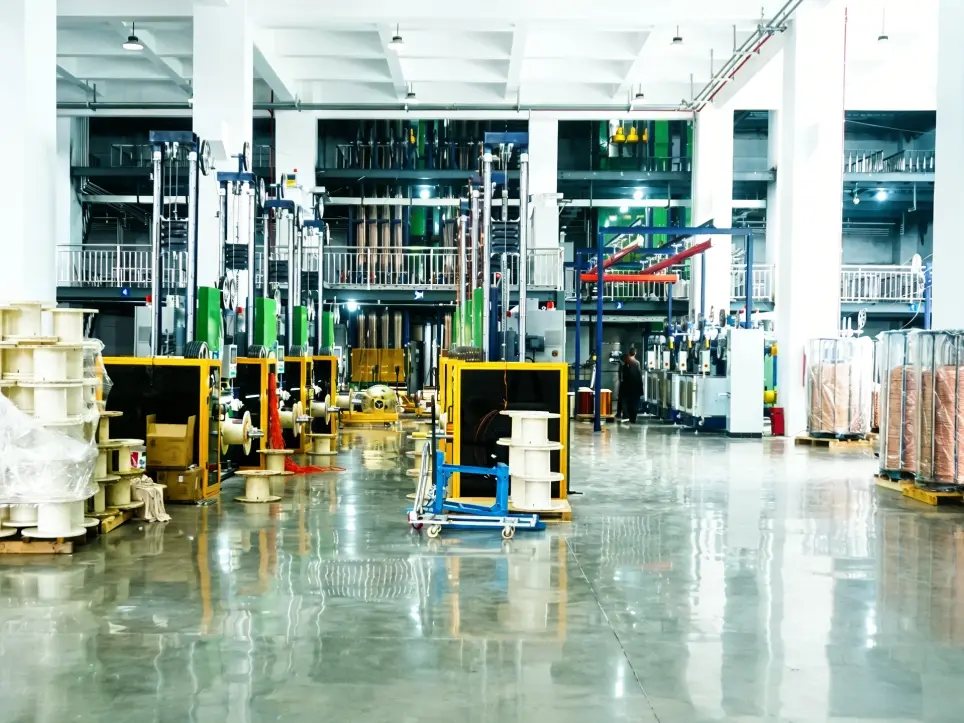
Faced with operational challenges caused by copper price volatility, copper-clad aluminum enameled wire has become the preferred choice for motor manufacturers...
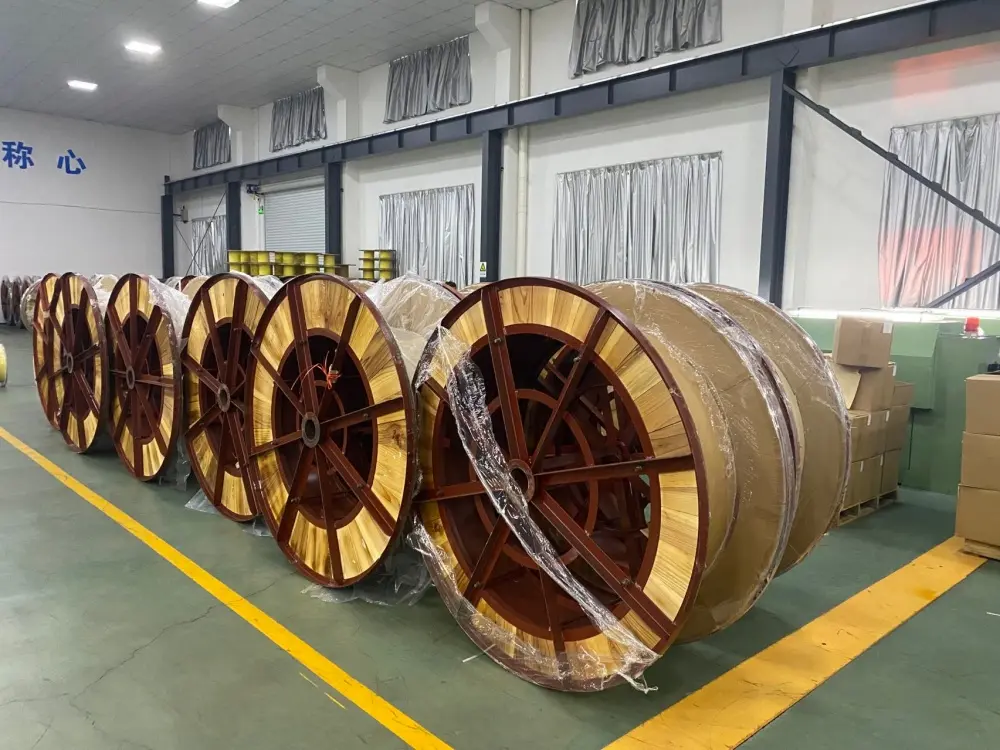
Suzhou Daiming successfully dispatched a high-volume shipment of Continuous Transposed Conductors (CTC) to Turkey, bolstering power grid modernization efforts in the region...
Get answers to common technical queries and standard engineering questions regarding winding wires.
These grades refer to the thickness of the cured polymer coating layer. Grade 1 has the thinnest coat, providing standard electrical insulation. Grade 2 is thicker, providing higher dielectric breakdown voltage and better abrasion resistance. Grade 3 has the thickest insulation coat, designed for extreme electrical stress and harsh winding processes. The selection depends on the design slot fill factor, working voltage, and automatic insertion stress.
This dual-coat insulation system (often classified as Class 200 or 220) combines the best of both polymers. The PEI base provides excellent dielectric strength and economic thermal performance, while the outer PAI overcoat offers extreme mechanical toughness, chemical resistance to solvents and varnishes, and prevents cracking under high heat-shock scenarios.
CCA wire features an aluminum core metallurgically bonded with an outer copper cladding. It provides approximately 60-65% of the electrical conductivity of pure copper but weighs about 37-40% less. This makes it an ideal, lightweight, and cost-effective alternative for high-frequency coils, speaker voice coils, and some consumer appliance motor windings.
A reputable manufacturer must be certified under ISO 9001 for quality systems, ISO 14001 for environmental management, and hold UL (Underwriters Laboratories) file registration for safety standards. Winding wires must also strictly comply with RoHS and REACH regulations to ensure the absence of restricted hazardous substances.
CTC consists of multiple enameled flat wires arranged in a specific rectangular configuration, transposed sequentially. This transposition ensures that each sub-conductor spends an equal amount of space in every position, minimizing electrical eddy current losses (proximity effect) and reducing winding hot-spots in high-power distribution transformers.
Review our specialized classifications, featuring paper-covered configurations and various thermal-class enameled aluminum series.