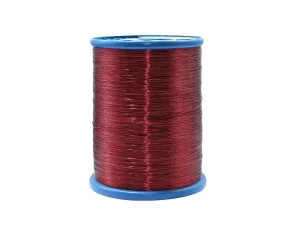
Engineered to meet international industrial standards (IEC, NEMA, JIS) with superior thermal durability, insulation adhesion, and mechanical performance.
The global energy landscape is undergoing a monumental paradigm shift. The electrification of mobility, the expansion of high-voltage direct current (HVDC) transmission lines, and the rapid deployment of renewable generation demand highly specialized electromagnetic materials. Within this technological surge, EAW Coated Flexible Wire (Enameled Active Wires / Enameled Copper and Aluminum Electromagnetic Wires) represents the fundamental nervous system of motor windings, transformers, and industrial alternators.
Historically, standard winding designs relied heavily on pure copper conductors. However, current supply chain dynamics, copper price volatility, and the design requirement for lightweight drivetrains have altered engineering specifications. Contemporary industrial applications actively combine pure copper with optimized enameled aluminum wire and hybrid materials like Copper-Clad Aluminum (CCA). This integration minimizes weight, reduces system inertia in high-speed rotating machines, and delivers substantial cost reductions without compromising energy efficiency ratings. Manufacturers globally must adhere to strict IEC 60317 and NEMA MW 1000 standards to ensure these coated flexible wires endure extreme chemical, thermal, and dielectric stresses over their projected operational lifetimes of 20 to 40 years.
Electric vehicles transitioning to 800V architectures demand enameled wires with exceptional corona resistance and high temperature capabilities (Class 220) to handle steep dV/dt voltage rises.
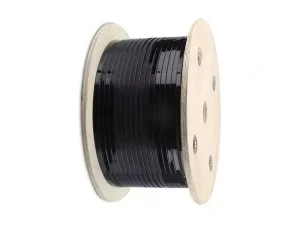
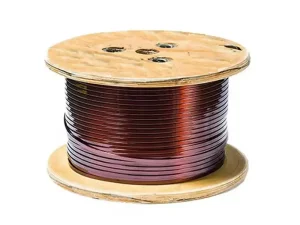
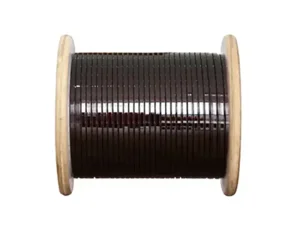
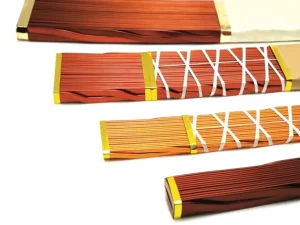
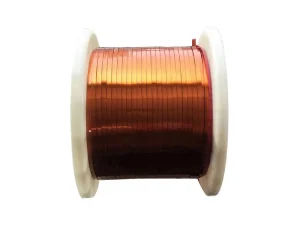
Flat and rectangular wires replace round profiles in high-density motors. They maximize slot fill-factor up to 85%, significantly improving power density and thermal dissipation profiles.
Strict environmental regulations require low-VOC or water-based solvent formulations during the enamel coating curing phase, along with carbon-neutral copper and aluminum sourcing.
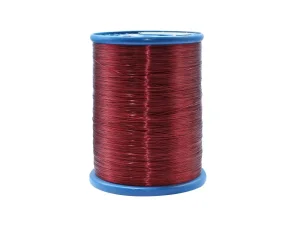
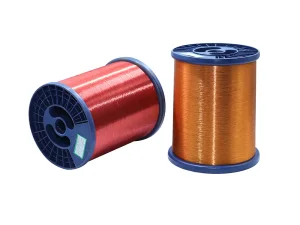
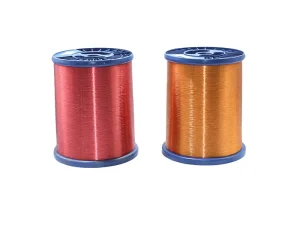
The performance of EAW coated flexible wires depends directly on the combination of conductor metal, cross-sectional geometry, and polymer insulation chemistry. At the core, pure electrolytic copper (minimum 99.97% conductivity) or electrical-grade aluminum alloys are processed through multi-die drawing stages. These metals are subsequently insulated with layers of advanced polymers, including Polyurethane (UEW), Polyesterimide (EIW), and Polyamide-imide (AIW) overcoats.
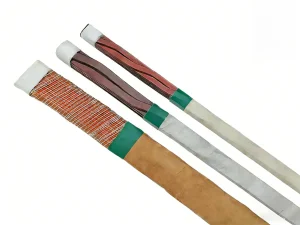
Modern electrical applications demand high flexibility and thermal stability. In high-speed traction motors and wind turbine alternators, wire layers face constant mechanical vibration and friction. Incorporating self-lubricating surface coatings (e.g., polyamide overcoats with added wax compounds) ensures high winding speeds during automated machine operations without generating microscopic insulation defects. Furthermore, the development of Continuously Transposed Conductors (CTC) addresses high-voltage transformer designs by braiding multiple individual enameled strands. This structural arrangement minimizes eddy current losses, significantly enhancing grid efficiency.


Why global OEMs, grid contractors, and motor designers trust Daiming Electrical Materials for custom magnetic wire supply.

Each roll of enameled wire has undergone rigorous process and quality inspection to ensure stable.

The enameled wire we produce has a uniform and dense paint film, strong adhesion, scratch resistance, and good flexibility.

Not only products, but also professional support. From wire diameter specifications, temperature.

With strong production capacity and a complete supply chain system, we ensure the on-time delivery.

Our enameled wires are used in core areas such as high-efficiency and energy-saving motors.
Our comprehensive manufacturing portfolio engineered to satisfy the demands of dynamic electromagnetic applications.
Developing effective winding solutions requires matching physical constraints with structural challenges. In extreme industrial environments, factors like ambient humidity, temperature changes, and chemical exposure can damage coil systems. For example, in regional water management, sewage treatment pumps, and industrial chemical processing plants, enameled wire is exposed to moisture and mild solvents. Applying hermetic dual-coat varnishes—such as an underlying layer of Polyesterimide topped with a Polyamide-imide overcoat—helps insulate the metal substrate, extending pump life and reducing unplanned downtime.
Similarly, the transition of public transportation systems to battery-electric vehicle fleets in high-density urban areas presents distinct electrical insulation challenges. Heavy-duty transit buses operate under frequent stop-and-go cycles, driving the traction inverter to continuously switch currents at high frequencies. This creates transient voltage spikes that stress the motor's winding layers. Utilizing Class 220 enameled flat copper wire with a high corona resistance layer mitigates partial discharges, protecting the motor system and ensuring reliable mass transit operations.
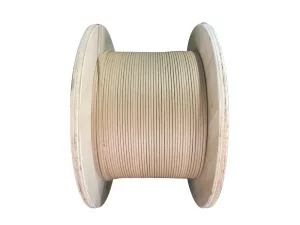
High-voltage substations and municipal distribution systems depend on heavy-duty transformers to adjust voltages. Using CTC (Continuously Transposed Conductors) wrapped in specialized Kraft paper or thermal insulating mesh reduces cooling requirements and core losses. This helps utilities achieve high energy efficiency, lowering operational costs and supporting grid stability.
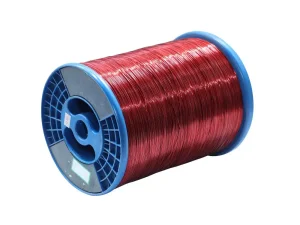
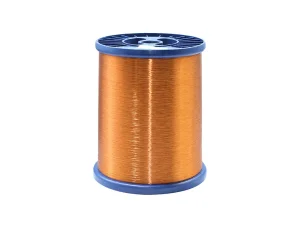
Modern precision robotics rely on micro-servos to execute smooth movements. These compact systems require extremely fine copper wires, down to 0.05 mm in diameter, that can withstand repeated thermal cycling. This micro-winding design achieves high torque density in tight spaces, allowing automated assembly equipment to run continuously on the manufacturing floor.
With strict quality control at every stage, from raw material inspection to final product testing, we uphold the highest industry standards, guaranteeing the durability and performance of our enameled wires.
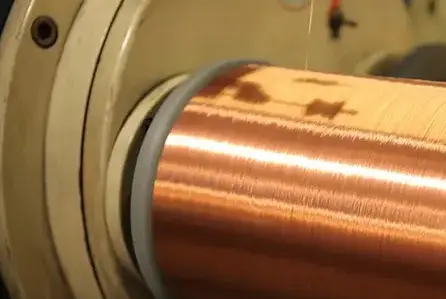
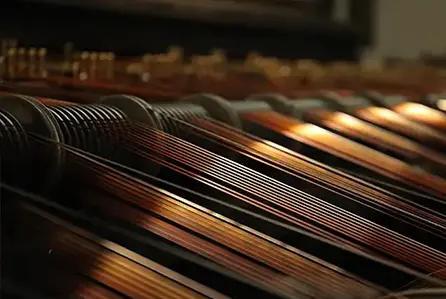
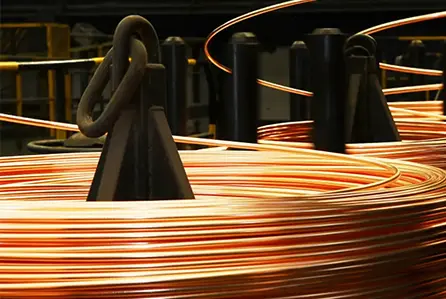
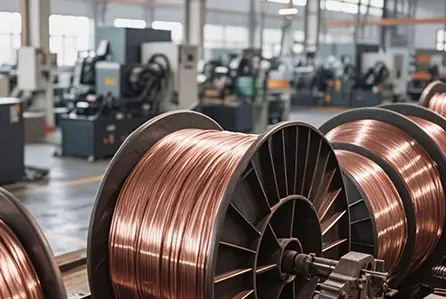
Achieving stable electrical performance over time requires systematic quality monitoring at every stage of production. At Suzhou Daiming Electrical Materials Co., Ltd., raw materials undergo preliminary checks, including chemical composition and trace element analysis, to guarantee standard material purity. Copper and aluminum rods must be free of surface inclusions, oxide seams, or physical deformities that could affect the wire drawing process. The drawing line integrates real-time laser diameter sensors to maintain tight tolerances, ensuring uniform roundness and cross-sectional consistency across long production runs.
During the coating process, multiple thin layers of liquid enamel are applied and cured in a vertical catenary oven. Tension levels are carefully monitored to prevent wire stretching, which can reduce raw conductivity. In the testing lab, finished spools undergo a battery of checks. High-voltage holiday detection finds micro-pinholes in the insulation layer, and scrape testers evaluate the physical durability of the cured varnish. Thermal shock tests—involving pre-tensioning the wire and heating it beyond its thermal class rating—ensure the coating remains crack-free during sudden temperature spikes, confirming reliability in demanding operational environments.
Essential insights for electromagnetic engineers, procurement officers, and technical buyers.
Provide customers with professional support throughout the entire process. Stay updated with the latest technological and supply chain developments.
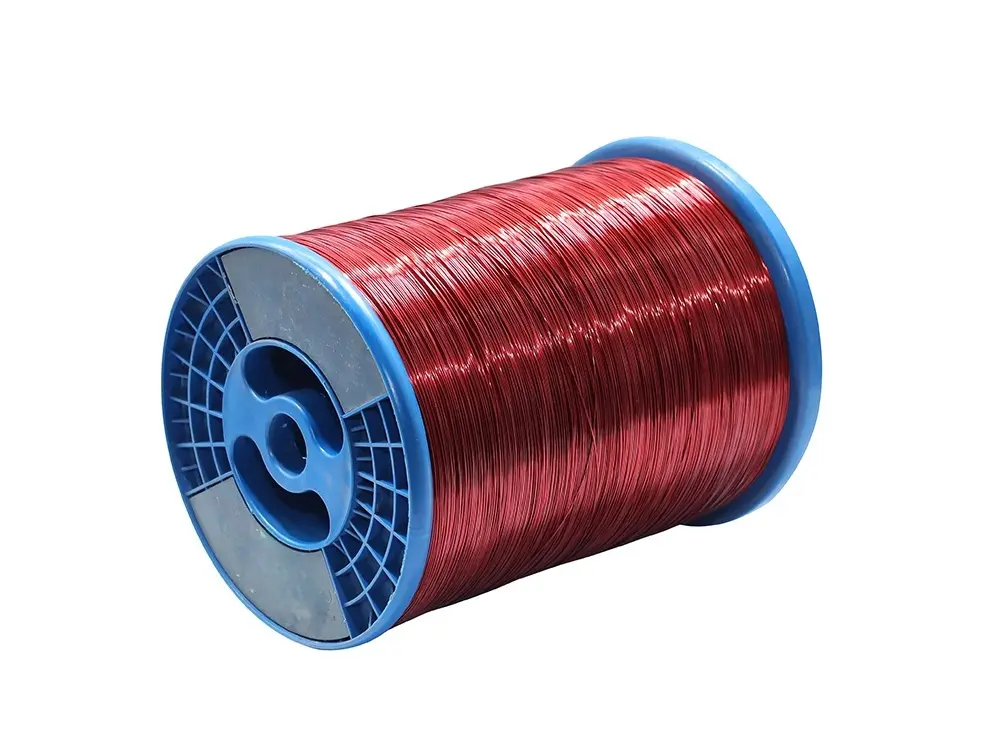
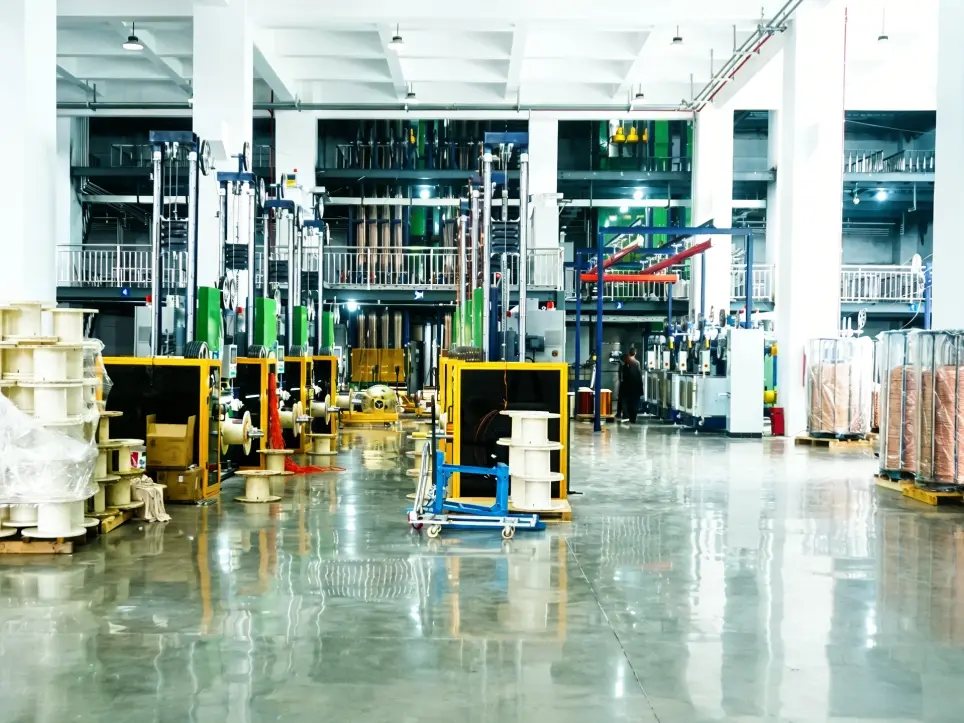
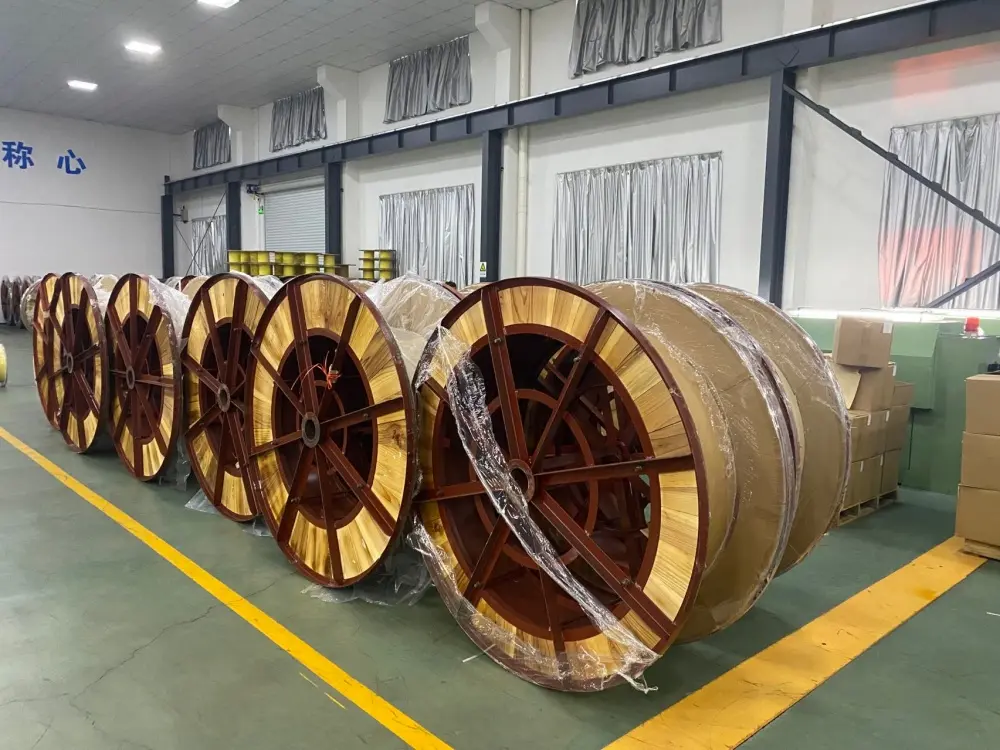
Explore our full line of enameled magnet wire and transposed conductors, available for global distribution.