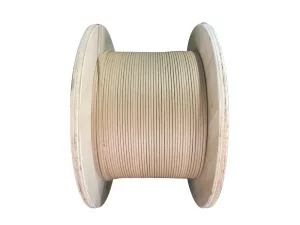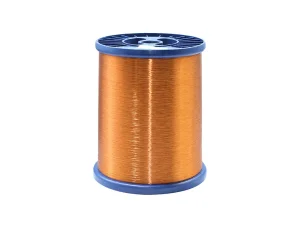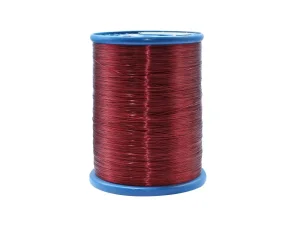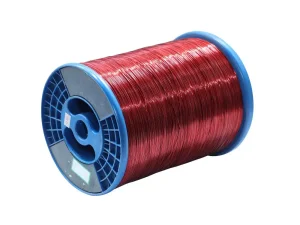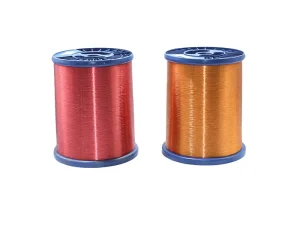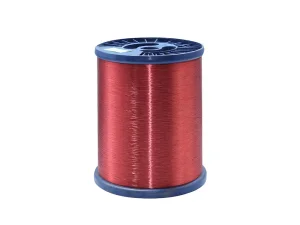
Browse our core inventory of high-performance insulated copper, aluminum, and transposed conductors engineered to optimize power conversion efficiency.
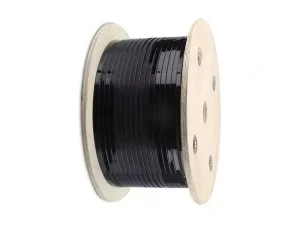
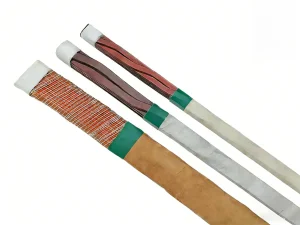
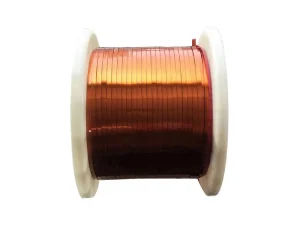
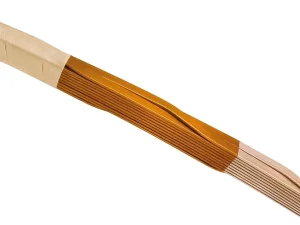
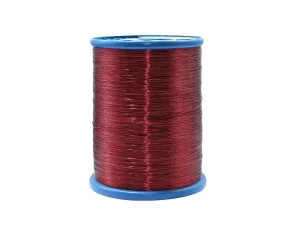
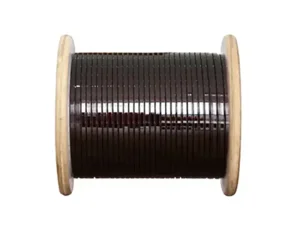
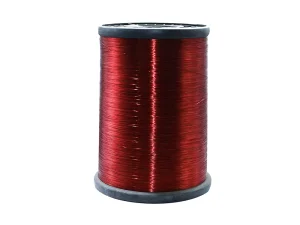
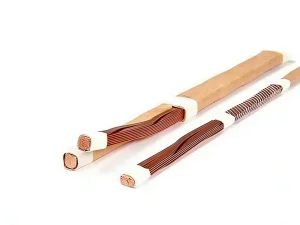
Polyurethane coated wire, chemically designated under thermal classifications ranging from Class 130 (B) through Class 155 (F) to Class 180 (H), represents a cornerstone of modern electronics manufacturing. Famously categorized under codes such as UEW (Polyurethane Enameled Wire), this magnet wire is highly distinguished by its direct-solderability. Unlike other enamel coatings—such as Polyesterimide (EIW) or Polyimide (AIW)—polyurethane coating decomposes cleanly at elevated soldering temperatures (typically between 360°C and 480°C). This allows engineers to terminate coils and wound elements without the need for mechanical or chemical stripping processes, drastically minimizing structural stress on ultra-fine conductors.
At its core, the insulation layer is derived from polyurethane resins modified with custom cross-linking agents. By adjusting the formulations of polyols and blocked isocyanates, manufacturers like Suzhou Daiming Electrical Materials can fine-tune the mechanical flexibility, pinhole density, and dielectric characteristics of the finished wire.
The mechanism of the self-soldering property relies on a controlled thermal depolymerization. When exposed to heat from a soldering iron or immersion bath, the polyurethane polymer backbone undergoes clean reversion back to monomeric structures, which easily vaporize and act as a flux-like vapor, allowing the solder alloy to wet the bare metal surface directly.
This is critically beneficial for ultra-fine wires (down to 0.02 mm) where mechanical stripping with diamond cutters or chemical stripping using highly corrosive acids would inevitably lead to necking, micro-cracks, or catastrophic mechanical failure of the wire.
| Technical Standard | Insulation Base | Thermal Class (°C) | Solderability Range (°C) | Key Performance Advantage |
|---|---|---|---|---|
| IEC 60317-21 / MW 75-C | Polyurethane (UEW-130) | 130°C (Class B) | 360°C - 390°C | Exceptional flexibility & high-speed automatic winding compatibility. |
| IEC 60317-20 / MW 79-C | Modified Polyurethane (UEW-155) | 155°C (Class F) | 370°C - 410°C | Balanced heat resistance for standard electronic ballasts & industrial relays. |
| IEC 60317-55 / MW 82-C | Polyesterimide-Polyurethane (UEW-180) | 180°C (Class H) | 390°C - 450°C | High-frequency operation reliability with superior thermal overload protection. |
Beyond direct-solderability, polyurethane coated wire provides highly stable electrical characteristics:
A global leader in high-performance enameled wires and continuously transposed conductors.
Suzhou Daiming Electrical Materials Co., Ltd., is a leading manufacturer of high-quality enameled wires: enameled aluminum wires, enameled copper wires, and enameled copper-clad aluminum wires. Situated on a sprawling 258,333.33 ft² site, our advanced production facility houses 30 state-of-the-art production lines. This robust infrastructure enables us to maintain a stable and high-volume output, ensuring consistent supply to meet global market demands. With strict quality control at every stage, from raw material inspection to final product testing, we uphold the highest industry standards, guaranteeing the durability and performance of our enameled wires.
Our core team members have over ten years of industry experience and are proficient in the product characteristics, international standards, and process flow of enameled wire, ensuring professional support throughout the entire design-to-delivery lifecycle.
How Polyurethane Coated Wire answers unique engineering challenges in real-world systems.
Within localized automotive micro-motors, smart actuators, and ignition coils, polyurethane coated wire operates flawlessly. In electronic power steering (EPS) sensors and cabin ventilation actuators, class-180 UEW provides stable thermal performance under engine bay temperatures while allowing modular, high-volume automated hookups.
In voice coils for precision acoustics (smartphones, premium earbuds), smart home appliances, and high-frequency wireless charging pads, enameled ultra-fine polyurethane wires are essential. The self-soldering feature ensures fast cycle times on highly automated production lines, directly boosting OEM yields.
High-precision sensors, proximity switches, solenoid valves, and compact servo motors rely heavily on the uniform coating thickness and high breakdown voltage profile of modified polyurethane conductors. The high chemical resistance profile shields the winding components from synthetic oils and cooling fluids.
Why Daiming is the preferred long-term engineering partner for global distributors.
Each roll of enameled wire undergoes rigorous process controls and quality inspection to ensure stable performance, continuous insulation layer integrity, and absolute minimal pinhole presence.
The enameled wire we produce features a uniform, dense paint film, high scratch resistance, exceptional elongation, and outstanding flexibility under rapid mechanical stress.
Not only standard products, but professional custom technical support. We accommodate unique wire diameter specs, custom temperature indexes, and targeted insulation thicknesses.
Leveraging strong production capacity, advanced drawing machines, and a robust supply chain network, we guarantee on-time delivery across global logistical routes.
Our enameled wires are utilized in high-efficiency, energy-saving electric drive motors, helping global developers reduce carbon footprints and drive eco-friendly automation.
From initial design to final integration, our engineers assist in optimizing winding layouts, choosing the right insulation grades, and selecting thermal classes for your application.
As clean energy architectures and high-frequency power electronics become the standard globally, magnet wire specifications are evolving rapidly. Historically, polyurethane coated wires were restricted to lower-frequency, low-temperature systems. Today's R&D roadmap focuses heavily on overcoming the traditional thermal limit of polyurethane. Suzhou Daiming is leading this innovation by engineering modified Class 180 (H) polyurethane formulations that combine thermal endurance with rapid, low-residue self-soldering profiles.
With the global transition to high-voltage architectures—especially 800V drive systems in electric vehicles and next-generation inverter topologies—corona discharge resistance has become critical. In response, Daiming is developing corona-resistant enameled wires and continuously transposed conductors (CTC) that prevent micro-void ionization within the insulation layer. This advanced design extends the service life of high-speed traction motors and grid transformers.
Maintaining absolute uniformity in wire gauge and coating thickness requires a meticulously controlled drawing and baking process. Our facility integrates precision multi-pass drawing dies with real-time laser diameter monitoring systems. During the coating stage, the polyurethane enamel is applied in multiple thin layers, with each pass followed by precise curing in horizontal or vertical ovens. This prevents micro-pinholes, ensuring consistent dielectric breakdown strength across the entire reel.
In today's complex macroeconomic landscape, supply chain continuity is a primary concern for procurement and engineering teams. Our 258,333.33 ft² manufacturing base in Suzhou provides a highly centralized production ecosystem. Our strategic location near major ports enables fast logistics, reducing transit times to key global hubs.
Quality assurance at Suzhou Daiming is governed by rigorous quality control protocols. From the sourcing of high-purity copper and aluminum rods to final electrical tests (pinhole testing, springback testing, and breakdown voltage measurements), every parameter is recorded. Our products comply with strict international directives:
Answers to critical questions regarding polyurethane coated wire application and specification.
The defining advantage is direct-solderability. Polyurethane coatings decompose and vaporize at 360°C to 450°C, allowing direct soldering without mechanical stripping. In contrast, polyesterimide (EIW) and polyimide (AIW) wires require mechanical scraping or chemical stripping prior to termination due to their higher thermal stability.
Our production lines employ inline laser detection systems and high-voltage continuity testers that continuously monitor the wire for defects during the enamel curing stage. Multiple micro-coat passes are applied to ensure a uniform, defect-free insulation layer.
We supply Polyurethane Coated Wire in Class 130 (Class B), Class 155 (Class F), and Class 180 (Class H), accommodating a wide range of thermal environments from basic consumer electronics to advanced industrial motors.
Yes, we manufacture high-performance Polyurethane Enameled Copper-Clad Aluminum (CCA) wires. This provides a lightweight, cost-effective solution for high-frequency applications like voice coils, combining the conductivity of copper with the weight advantages of aluminum.
Every batch undergoes testing for dimensions (outer diameter and film thickness), electrical properties (breakdown voltage and insulation resistance), mechanical properties (elongation, springback, and scratch resistance), and thermal properties (thermal shock and heat bonding performance).
We work directly with client engineering teams to customize conductor diameters, insulation thicknesses (Grade 1, 2, or 3), spool sizing, and thermal modifications to match specific winding patterns and environmental demands.
Staying ahead of global manufacturing trends, high-voltage shifts, and materials engineering.
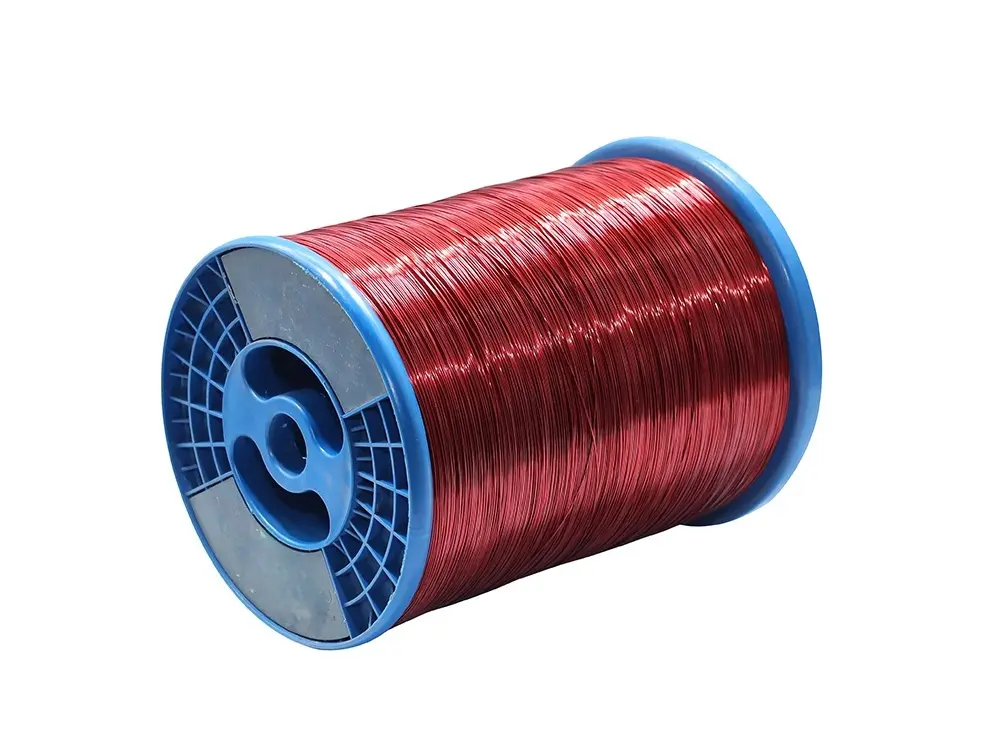
With rapid developments in new energy and high-end manufacturing, cost control and quality integration remain vital for global OEMs.
Read More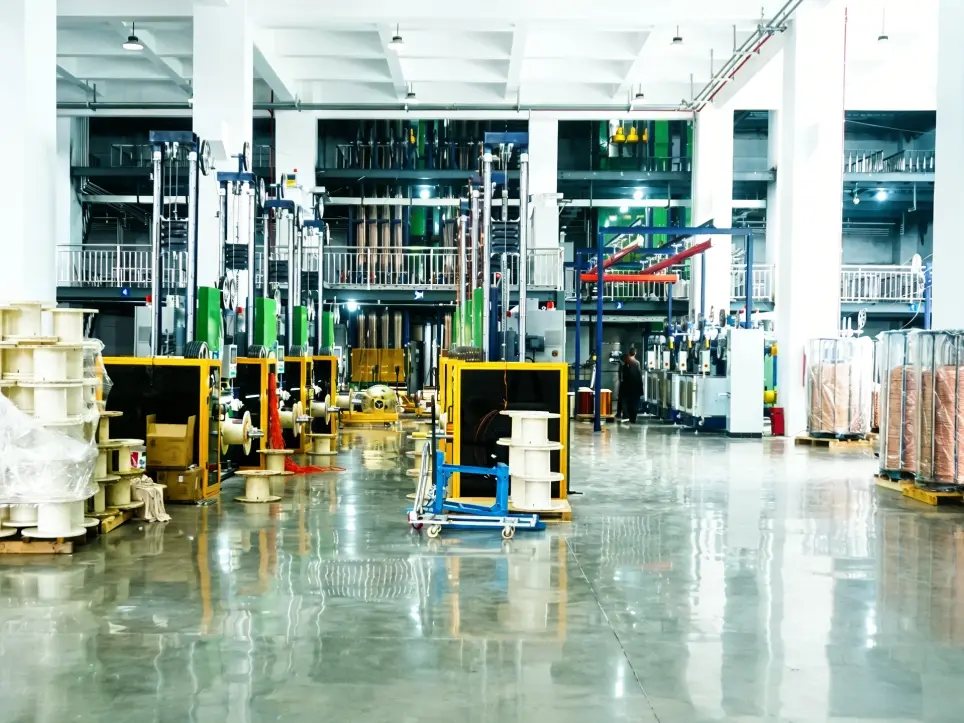
Facing challenges from copper price volatility, copper-clad aluminum enameled wire has become the preferred alternative for cost-effective coil design.
Read More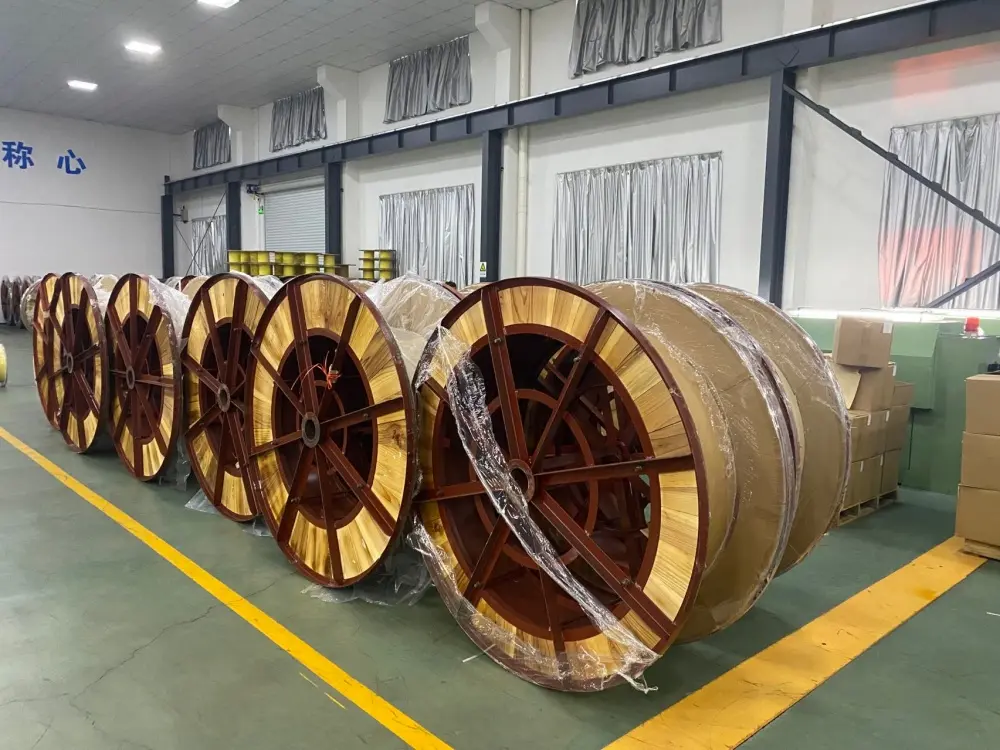
New Overseas Shipment News | High-quality CTC Continuously Transposed Conductors exported to Turkey, supporting key infrastructure projects.
Read More
The transition to 800V architectures in electric vehicles requires advanced insulated magnet wire capable of withstanding severe partial discharge.
Read MoreComplete your design requirements with our advanced enameled copper, aluminum, and paper-covered flat conductors.