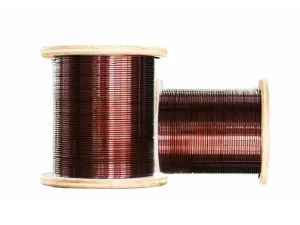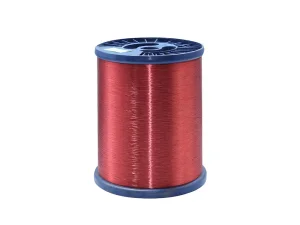
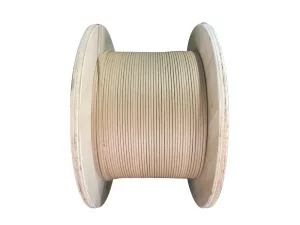
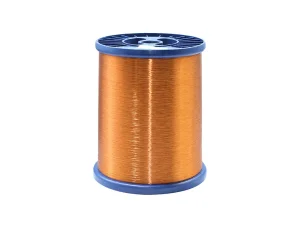
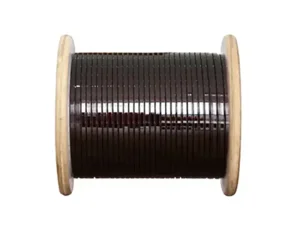
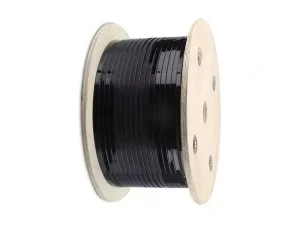
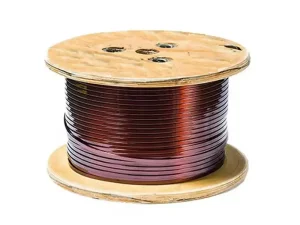
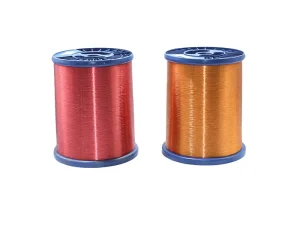
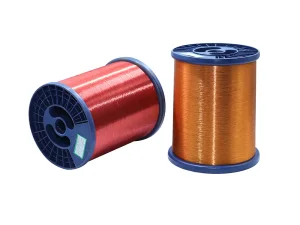
As the global industrial sector pivots toward sustainable efficiency, PEW (Polyester / Polyurethane Enameled Wire) Coated Aluminum Wire has emerged as a cornerstone component. Winding materials must now achieve peak electrical performance while simultaneously reducing overall system weight and managing cost volatility. High-precision industries, including automotive electrification, telecommunications, and heavy power equipment manufacturing, require winding solutions that withstand thermal, mechanical, and dielectric stresses under extreme operating environments.
By leveraging advanced chemical formulations—ranging from Polyester (PEW) to Polyurethane (UEW) and high-performance Polyesterimide (EIW/AIW)—our products are engineered to deliver superior dielectric strength, low windability tension, and outstanding chemical resistance. Unlike traditional copper-centric architectures, modernized aluminum magnet wires yield significant weight savings (up to 50%), directly optimizing rotative inertia in electric motors and facilitating physical installation of massive power transformers.
Capable of sustained thermal loads across class index divisions (130, 155, 180, to 220). Resistant to thermal overloads and environmental moisture ingress.
Proprietary application systems assure uniform film distribution, eliminating pinholes, air pockets, and cracking during high-velocity machine winding.
Strategic economic balance without compromises. Substantial weight reductions alleviate structural burdens on assemblies, decreasing shipping and energy overheads.
Suzhou Daiming Electrical Materials Co., Ltd. is a pioneering force in the design, development, and high-volume manufacture of advanced enameled wires. From our massive manufacturing hub, we distribute a comprehensive array of enameled aluminum wires, enameled copper wires, and copper-clad aluminum (CCA) enameled wires to critical industrial nodes around the globe.
Quality assurance remains at the nucleus of our process. By sourcing top-tier primary aluminum ingots and executing continuous inline extrusion and drawing, we ensure that every spool matches rigid internal parameters. From mechanical elongation testing to breakdown voltage mapping, our technicians enforce strict verification methods compliant with ISO and NEMA international metrics.

Understanding the micro-elements of magnet wire selection is crucial to achieving mechanical longevity. The table below delineates the baseline criteria across thermal ratings and coating structures typically deployed in current high-performance power loops.
| Thermal Class Index | Common Designation | Coating Chemistry | Key Properties & Application Profiles |
|---|---|---|---|
| 130 Class | PEW / UEW-130 | Polyester / Polyurethane | Excellent solderability, reliable insulation resistance. Ideal for home appliances and small electronic relays. |
| 155 Class | UEW-155 / PEW-155 | Polyurethane / Modified Polyester | Direct solderable options available. High moisture barrier and chemical solvent resilience. Suitable for automation. |
| 180 Class | EIW / PEW-180 | Polyesterimide (EIW) | Elevated cut-through and thermal shock resistance. High reliability under high-load industrial machinery operations. |
| 220 Class | AIW / EIW-H | Polyamideimide (AIW) | Ultimate thermal thresholds. Extreme mechanical strength, corona resistance, and radiation resistance. Used in EV drivetrains. |
The global transition to net-zero energy demands a transformation in electrical wire infrastructure. As copper prices continue to face structural headwinds and extreme volatility due to surging demand, engineering design groups are turning to Coated Aluminum Magnet Wires. From a macro-economic perspective, using aluminum minimizes supply chain exposure to raw material price spikes while retaining equivalent motor efficiency parameters via optimized stator slot-fill configurations.
By using Copper-Clad Aluminum (CCA) or pure high-conductivity aluminum, manufacturers mitigate copper price exposure. With proper winding design and minor adjustments to core dimensions, the thermal and structural performance matches or exceeds pure copper systems while dropping net product weights by 30-50%.
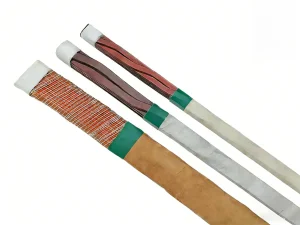
Modern wind turbine generators, utility-scale transformers, and municipal power distribution substations depend heavily on high-temperature, lightweight transposed conductors (CTC) to minimize reactive losses and allow simple scaling of infrastructure capacities.
Our enameled wires and custom profiles are optimized for specific industrial applications, meeting stringent thermal stress requirements, structural parameters, and isolation limits.
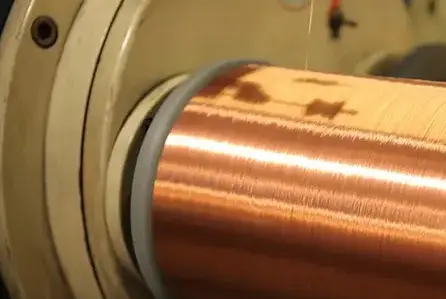
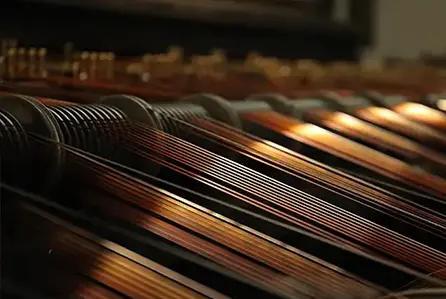
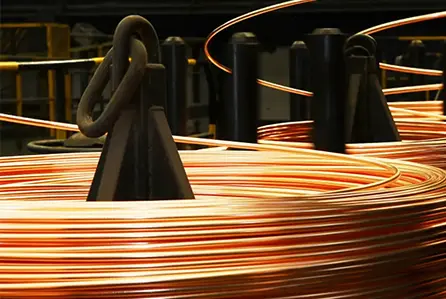
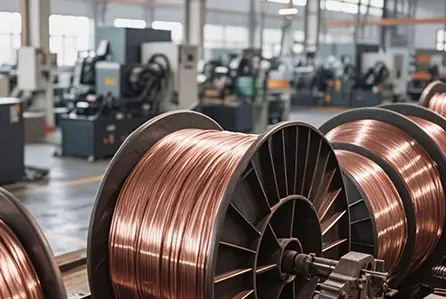
The global automotive space is rapidly shifting from 400V battery architectures to 800V super-charging platforms. In an 800V drive cycle, electrical magnet wire encounters extreme stress, including high-frequency transient voltages and partial discharge (corona effect), which can degrade standard insulation coatings.
To support this transition, Suzhou Daiming is developing specialized polyimide and polyamide-imide formulations engineered for 800V EV powertrains. By utilizing flat enameled wires and custom-profile continuous conductors, we help drive-motor manufacturers maximize slot-fill density, enhance thermal dissipation, and eliminate insulation breakdowns, enabling safer and more efficient high-voltage drivetrains.
Deploying electrical systems globally requires strict compliance with diverse regional and international standards. Our manufacturing lines run under a comprehensive quality management system that ensures strict adherence to IEC, NEMA, and UL specifications. We also comply with RoHS and REACH requirements, ensuring our wires are safe for use in eco-sensitive applications.
Every batch of wire shipped from Suzhou Daiming comes with a comprehensive material declaration sheet, test report (outlining dimensional tolerance, concentricity, pinholes, breakdown voltage, and elongation index), and batch traceability tracking. We support local engineering audits and supply samples to help you complete localized testing quickly.
Critical design decisions demand verified, engineering-grade answers. Below, we address key technical questions related to enameled aluminum wire procurement and implementation.
Aluminum has a higher thermal expansion coefficient (approx. 23 x 10^-6 / K) compared to copper (approx. 16.5 x 10^-6 / K). This requires high-performance enamel coatings like polyamideimide (AIW) or polyesterimide (EIW) that have excellent elasticity and adhesion. These properties prevent micro-cracking and delamination of the insulation film during continuous thermal cycles.
Our 155 Class UEW (Polyurethane) wires can be soldered directly at temperatures ranging from 380°C to 450°C without requiring manual mechanical strip operations. The proprietary coating decomposes cleanly under intense localized heat, leaving a clean, highly conductive surface that easily bonds with standard soldering alloys.
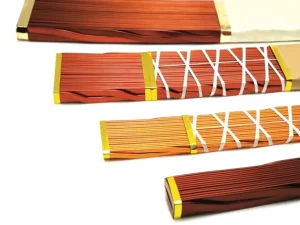
Flat enameled wire significantly improves the slot fill factor (up to 75-80%) compared to round wire (which typical achieves 55-60%). The flat profile reduces air gaps in the stator slots, improving thermal conductivity, power density, and overall motor efficiency.
To prevent galvanic corrosion and oxidation at wire joints, we supply custom copper-clad aluminum (CCA) profiles. We also provide recommendations for mechanical crimping methods using oxide-inhibiting paste, or ultrasonic welding techniques. These ensure stable, low-resistance connections in high-reliability electrical circuits.
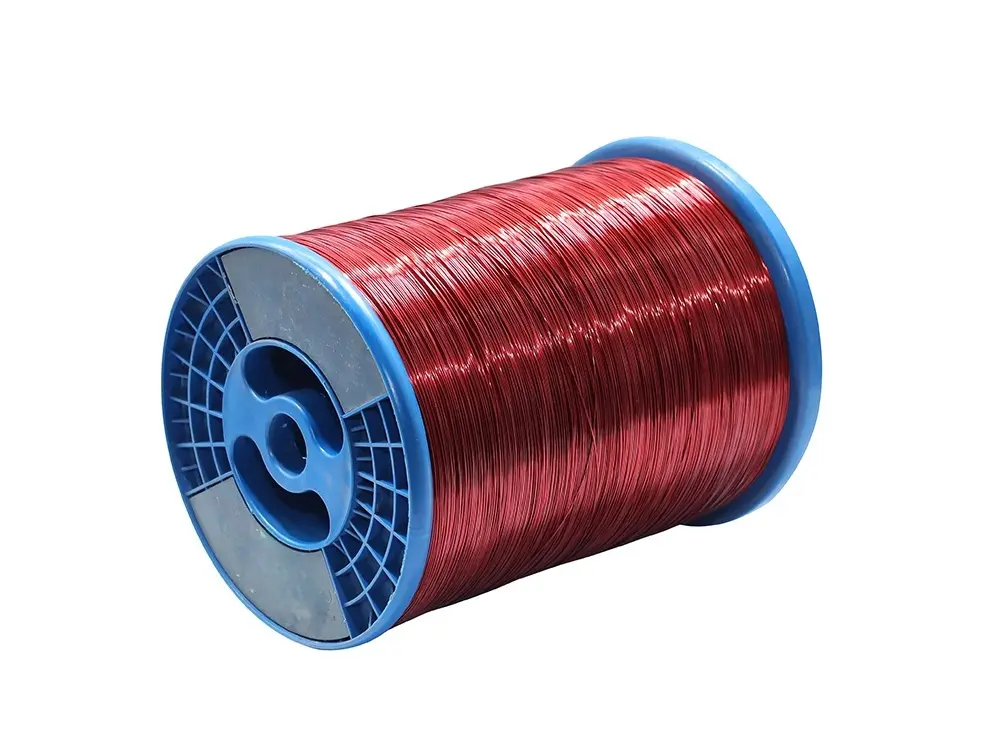
With the rapid development of new energy and high-end manufacturing in 2026, cost control and quality assurance have become critical priorities...
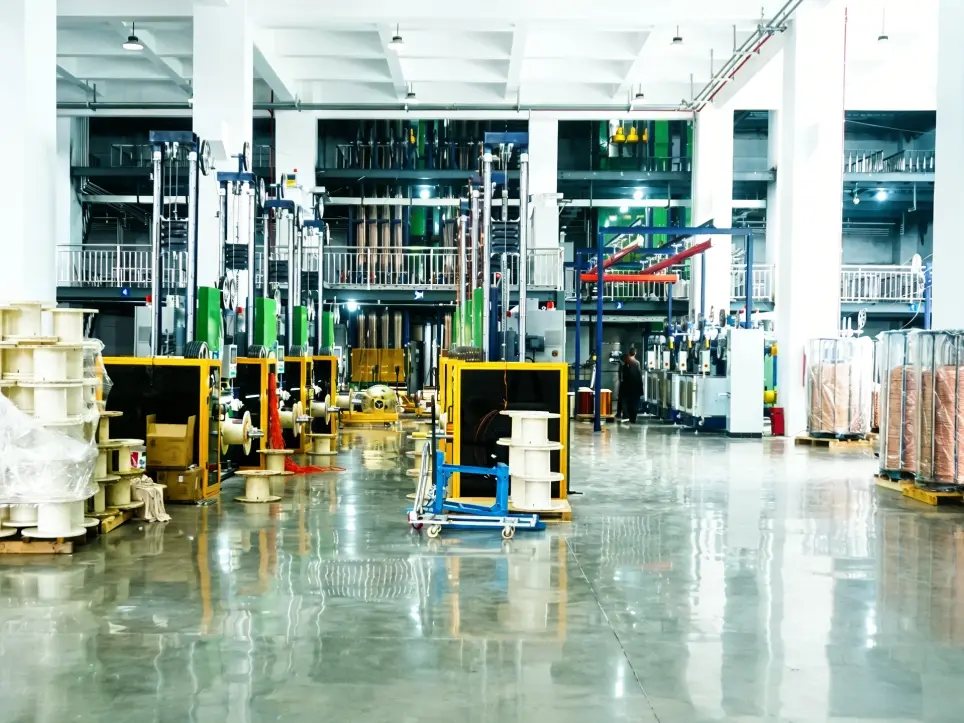
Faced with operational challenges caused by raw material price fluctuations, copper-clad aluminum wire has become a leading alternative...
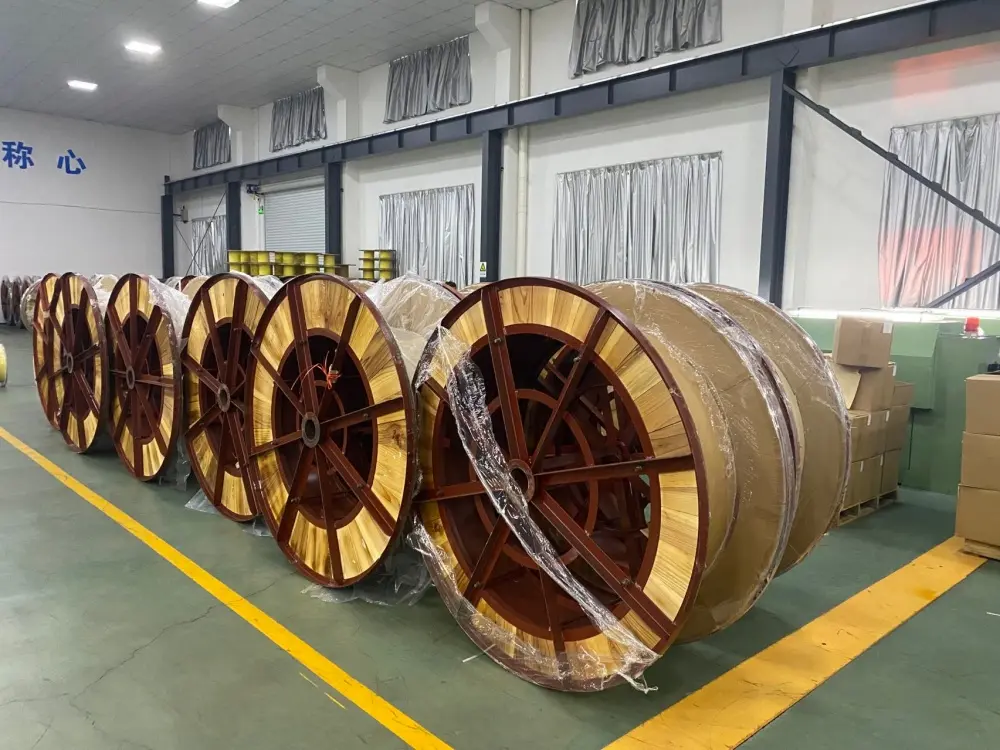
New Overseas Shipment News | High-quality CTC Continuous Transposed Conductors exported to Turkey to support high-voltage grid expansions...