Engineered to comply with strict international standards (IEC, NEMA, ASTM). Explore our direct factory line products.
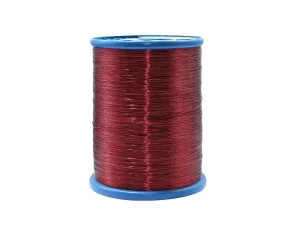
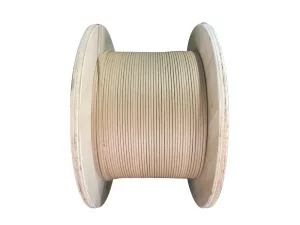
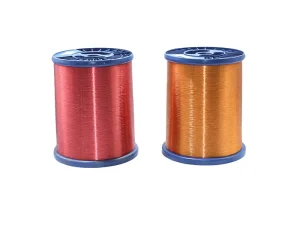
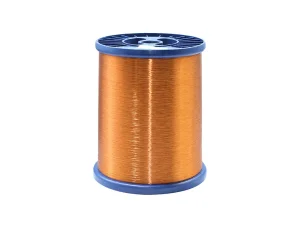
Analyzing the evolving engineering demands in high-voltage transmissions and heavy electrical assemblies.
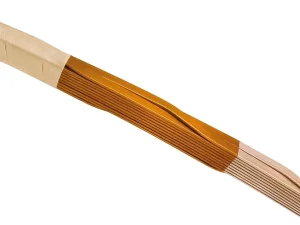
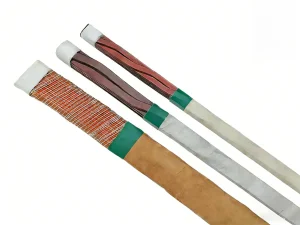
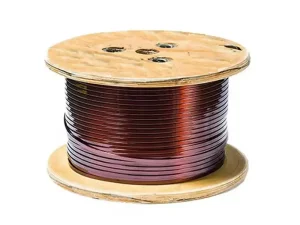
In modern electrical systems, the demand for power grid reliability, sustainability, and ultra-high-voltage (UHV) distribution infrastructure has driven specialized magnet wires to the forefront of materials science. Among these, paper covered wire represents a vital component in power transformer insulation systems. These conductors—consisting of high-conductivity flat copper or aluminum cores wrapped tightly in layers of insulating paper (such as Kraft paper, Nomex, or crepe paper)—provide critical dielectric strength and thermal resistance. They are specifically designed to withstand extreme electrical fields, heat, and physical stress during grid surges.
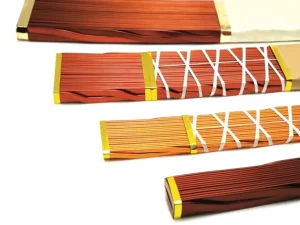
As international economies pivot toward carbon-neutral goals, massive investments are flowing into renewable energy integrations, substation retrofitting, and energy grid expansions. From the wind farms of the North Sea to the utility networks across North America, massive step-up transformers rely heavily on continuously transposed conductors (CTC) and paper-covered flat magnet wires. By packing more conductor area into a smaller volume, flat paper-insulated wires optimize magnetic circuits, increase cooling efficiency, and minimize mechanical failures caused by electromagnetic forces during short-circuit situations.
Unlike standard round enameled wires, paper-covered flat configurations maximize the coil space factor. The rectangular profile minimizes air gaps within the transformer windings, improving heat transfer while ensuring robust dielectric separation under severe voltage fluctuations.
A leading manufacturer committed to excellence, driven by advanced engineering and customer requirements.
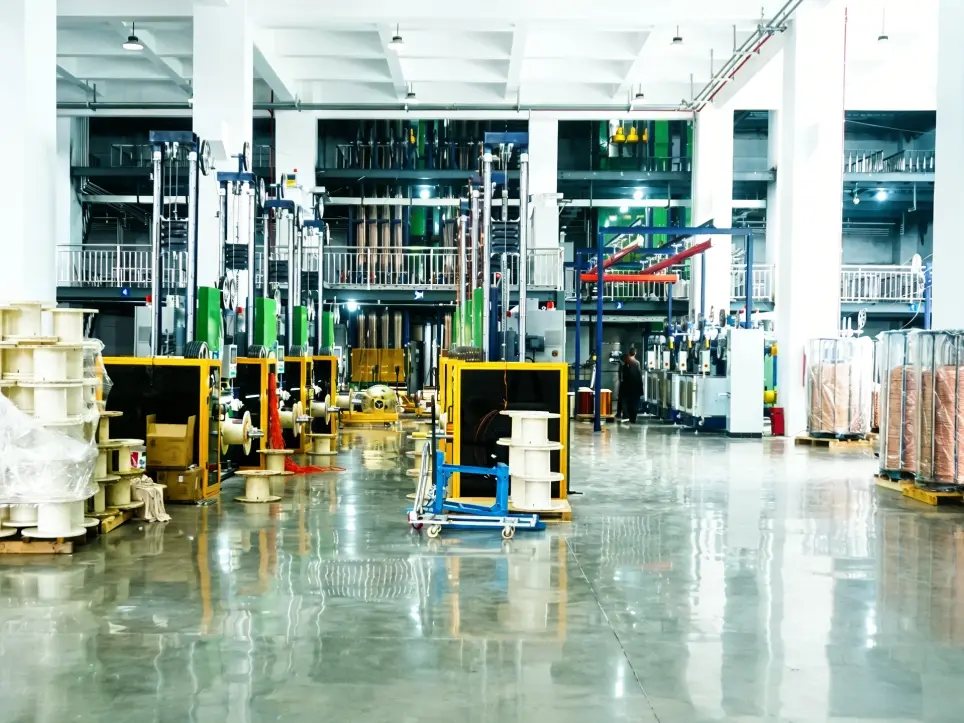
At Suzhou Daiming Electrical Materials Co., Ltd., customer needs remain the core of our operations. Operating from a sprawling 258,333.33 ft² facility, we have equipped our factories with 30 state-of-the-art production lines. This specialized infrastructure enables us to maintain high-volume output and a reliable supply chain to support electrical projects worldwide. Our seasoned engineering and business teams possess over ten years of industry experience, granting deep expertise in international material standards, customized winding geometries, and premium enameled coatings.
Discover how our specialized manufacturing matches exact application tolerances.
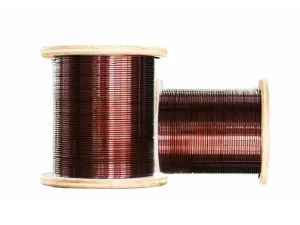
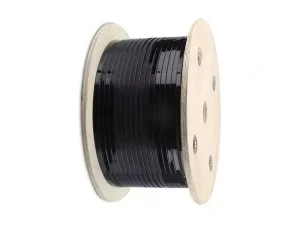
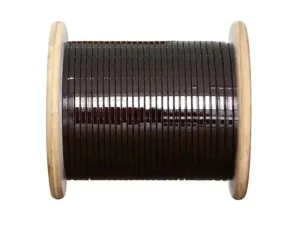
Our manufacturing catalog supports diverse industrial requirements, structured into four major categories of insulated conductors:
| Product Category | Available Materials | Thermal Classes | Primary Industrial Applications |
|---|---|---|---|
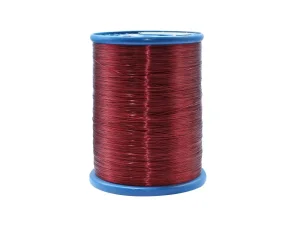
| Enameled Aluminum Wire | EC Grade Aluminum | 130, 155, 180, 200, 220 | Automotive motors, domestic appliances, dry-type transformers |
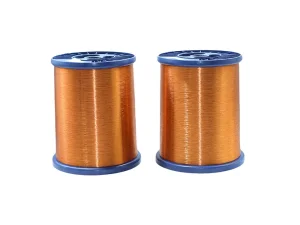
| Enameled Copper Wire | Oxygen-free Electrolytic Copper | 130, 155, 180, 200, 220 | Heavy-duty motors, automotive generators, power tool rotors |
| Copper Clad Aluminum (CCA) | Bimetallic Composite Core | 130, 180, 200 | Weight-sensitive wind coils, high-frequency signal coils |
| Continuously Transposed Conductor (CTC) | Enamelled Flat Copper / Mesh / Semi-rigid | Kraft Paper / Nomex Wrapped | Extra-high voltage (EHV) & ultra-high voltage (UHV) transformers |
Unpacking the strategic and operational advantages of sourcing from Suzhou Daiming.
Choosing a Chinese manufacturer for paper covered magnet wires and continuously transposed conductors offers significant business advantages. With decades of industrial expansion, Suzhou, China has become a key hub for advanced electrical manufacturing. This concentration brings together raw materials, processing machinery, and technical expertise, reducing manufacturing overheads. As a result, we can deliver high-performance conductors that meet rigorous IEEE, IEC, and NEMA specifications at competitive rates.
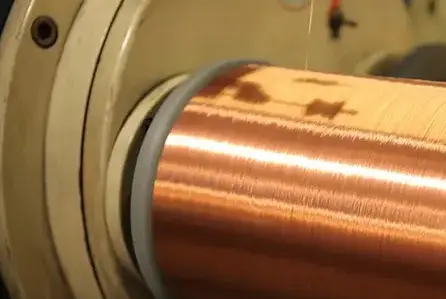
Furthermore, our advanced factories feature integrated drawing, annealing, and paper-lapping machinery that operate continuously. This setup minimizes processing downtime and ensures precise wrapping tension and pitch spacing along the wire. When wrapping kraft paper or synthetic aramid fiber (such as DuPont Nomex), maintaining tension is critical; inconsistencies can create microscopic gaps that compromise dielectric stability under thermal stress. Our automated systems monitor tension continuously, ensuring reliable performance in demanding environments.
Our wires feature uniform, dense enamel and paper layers with high adhesion and bend flexibility to protect against surface damage during winding.
Designed to perform under mechanical stress and sustained elevated temperatures, our wires prevent thermal breakdown in heavy equipment.
We tailor wire cross-sections, paper thicknesses, wrapping layers, and thermal ratings to match the specific needs of your transformer design.
Leveraging 30 production lines and Suzhou’s shipping networks, we guarantee on-time delivery for complex, large-scale utility projects.
Our research focuses on reducing energy loss in electrical steel, supporting the global transition to high-efficiency grid infrastructure.
Every batch undergoes strict insulation, mechanical elongation, and thermal endurance testing to ensure consistent quality in the field.
Critical performance where power, voltage, and safety demand absolute insulation integrity.
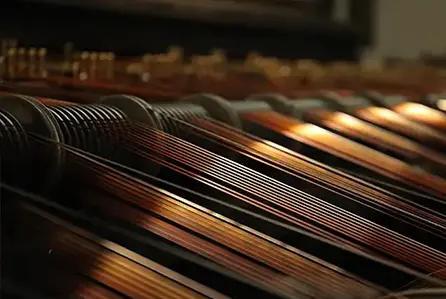
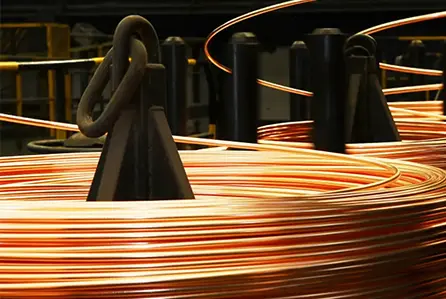
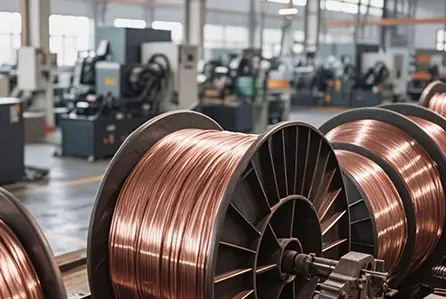
In addition to standard applications, our paper covered flat copper and aluminum wires play a vital role in specialized power applications. Liquid-immersed distribution transformers require paper insulation that remains structurally sound even when saturated with dielectric mineral oil or natural esters. In high-power industrial motors, these conductors withstand severe physical vibration and thermal cycling, ensuring a long operational life.
Insights into grid upgrades, shipping updates, and evolving conductor material demands.
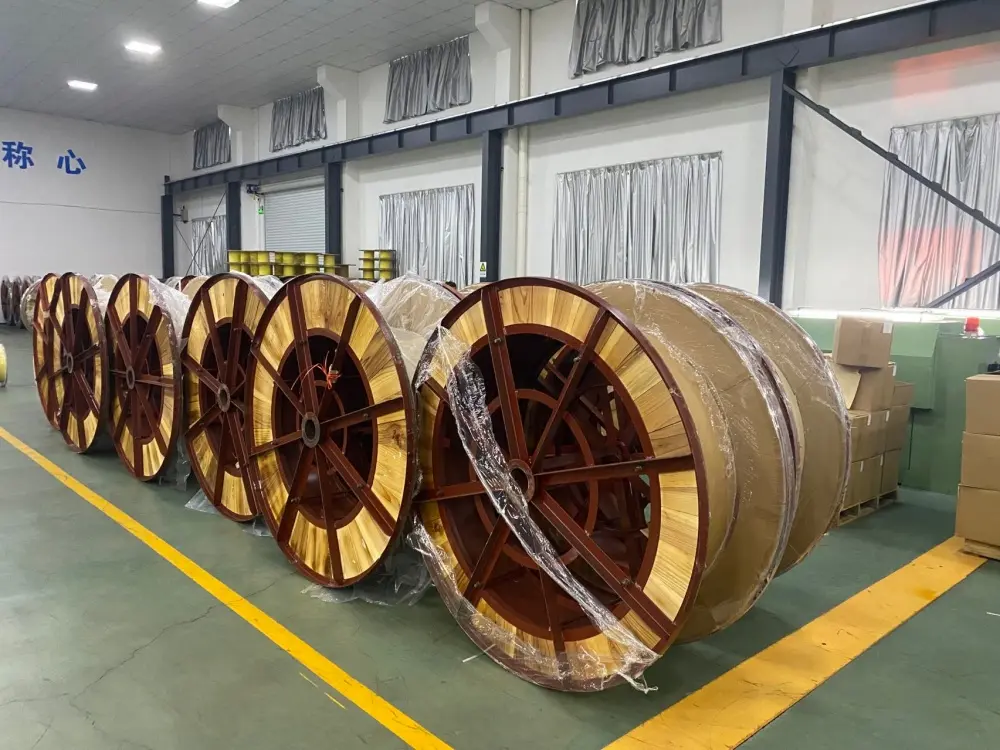
Our factory successfully completed the shipment of specialized CTC (Continuously Transposed Conductor) products to Turkish grid utility operators, supporting critical regional grid efficiency upgrades.
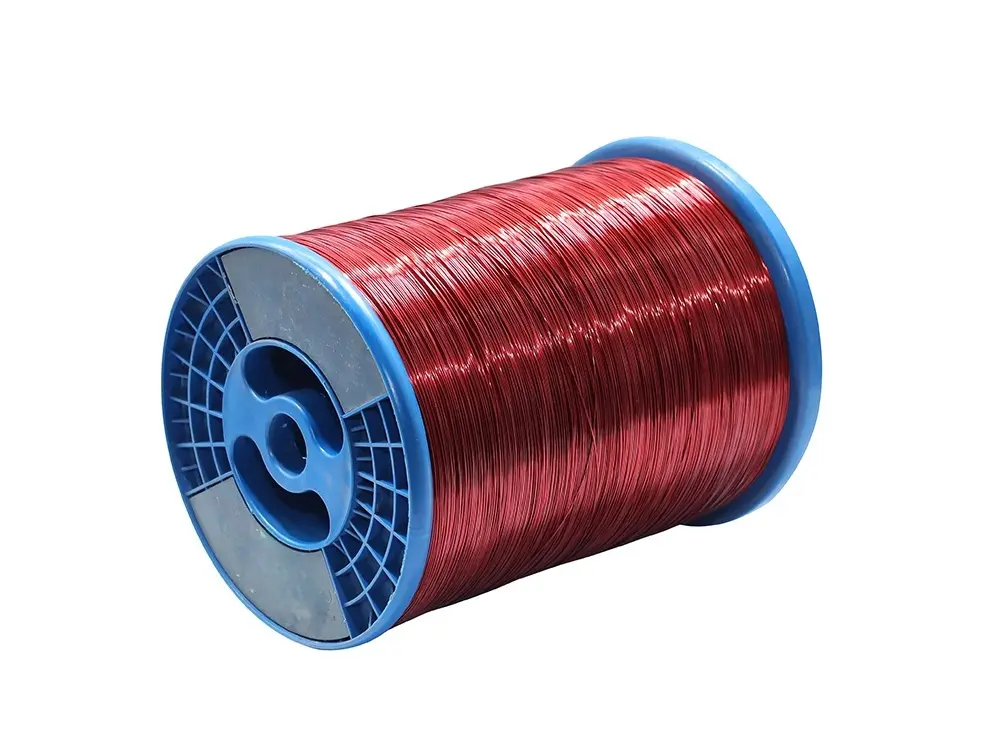
As copper prices continue to fluctuate, manufacturers are adopting Class 180 and Class 200 enameled aluminum flat wires to balance mechanical performance with cost efficiency.
Recent data indicates that Copper-Clad Aluminum (CCA) enameled wire is becoming a popular choice for cost reduction in high-frequency winding assemblies, balancing physical performance with lower material weight.
Technical answers to key procurement and engineering inquiries regarding Paper Covered Wire.
Factory-direct sourcing for global grid installations and custom industrial transformer coils.