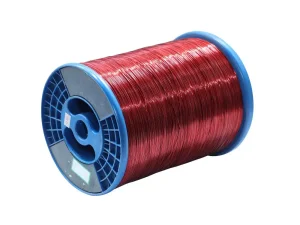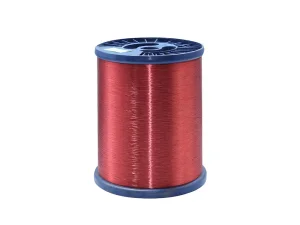
Explore our core product lineup of high-voltage winding wires and advanced insulated conductors manufactured to global standards.
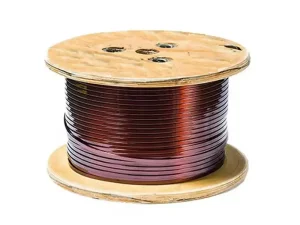
An engineering deep-dive into materials science, mechanical winding tolerances, and thermal barrier attributes.
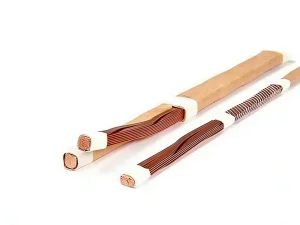
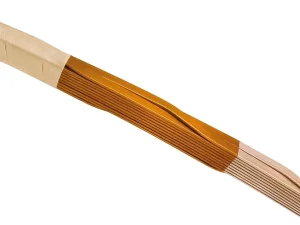
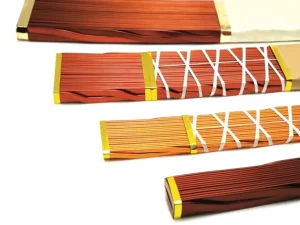
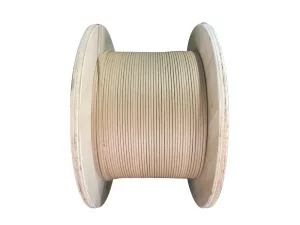
Within high-voltage and ultra-high-voltage electrical transformer design, insulation reliability is paramount. Paper coated electrical wire (also referred to as paper covered winding conductor) remains a critical cornerstone of transformer performance. Applying premium dielectric insulating paper over copper or aluminum conductors provides a highly stable insulation medium capable of withstanding severe mechanical stresses, electric fields, and thermal excursions over decades of operation.
High-quality paper wrapping depends on both the chemical composition of the insulation material and the mechanical wrapping process. Commonly used papers include Kraft paper, thermally upgraded paper, and synthetic meta-aramid (such as DuPont™ Nomex®) insulation. Ordinary cellulose-based Kraft paper functions exceptionally in standard oil-immersed transformers, maintaining structural integrity at continuous operating temperatures up to 105°C. Under thermal stresses, cellulose polymers break down through hydrolytic and pyrolytic degradation, causing a decrease in the paper's mechanical strength (measured by its Degree of Polymerization, or DP).
Did you know? Fresh insulation paper has a Degree of Polymerization (DP) of 1,000 to 1,200. Throughout decades of operation, transformer designers monitor carbon oxide gases dissolved in transformer oil to estimate the remaining DP. When this metric drops below 200, the insulation is considered to have reached its end of life, highlighting the value of sourcing high-quality materials from manufacturers who use premium cellulose fibers.
Thermally upgraded papers are treated with nitrogen-rich compounds like dicyandiamide, urea, or melamine. These chemical stabilizers slow down the degradation of cellulose chains, raising the thermal class rating to 120°C. For dry-type transformers, traction equipment, and high-frequency inductors requiring even higher thermal class thresholds, meta-aramid wrap offers continuous temperature limits exceeding 200°C. Meta-aramid insulation provides high dielectric strength, low moisture absorption, and excellent mechanical resistance to tearing and puncture during manufacturing.
A deep breakdown of Daiming's advanced magnet wire solutions and transposed conductor options.
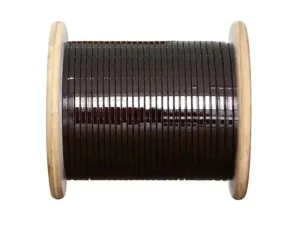
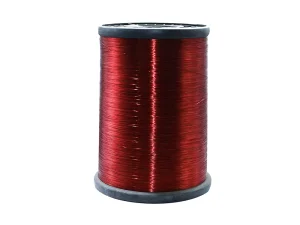
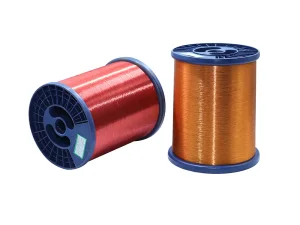
Suzhou Daiming Electrical Materials Co., Ltd. provides diverse winding configurations suited for modern industrial systems. By offering multiple metallic options (copper, aluminum, and copper-clad aluminum) wrapped with thin-film enamel polymers or multi-layered cellulose and synthetic papers, we help global engineering firms meet precise weight, thermal class, conductivity, and budget parameters.

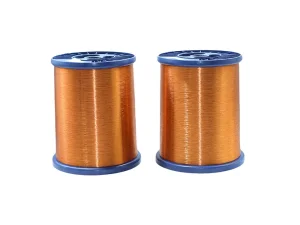
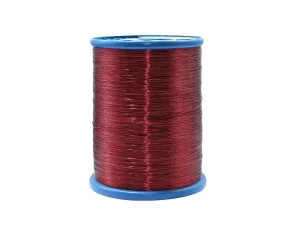
Our wire features uniform, dense paint films with strong adhesion and scratch resistance. Available classes include Polyesterimide (Class 180), Polyesterimide-overcoated with Polyamide-imide (Class 200), and Polyimide (Class 220).

Designed for severe operating environments, these conductors withstand mechanical stress during winding, oil immersion, and high voltage surges in power transformers.

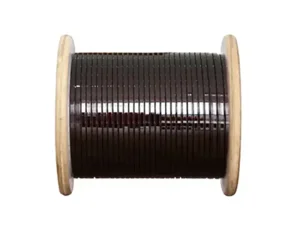
Custom dimensions match unique winding windows, with options for flat/rectangular formats to improve fill factors in high-density coils.
Suzhou Daiming Electrical Materials Co., Ltd. is a leading manufacturer of high-quality enameled and paper-insulated wires, including enameled aluminum wires, enameled copper wires, and enameled copper-clad aluminum wires. Located on a 258,333.33 ft² production site, our facility houses 30 state-of-the-art production lines. This scale allows us to maintain a stable, high-volume output to consistently supply the global market. With strict quality control at every stage—from raw material inspection to final product testing—we uphold high industry standards, ensuring the durability and performance of our winding wires.
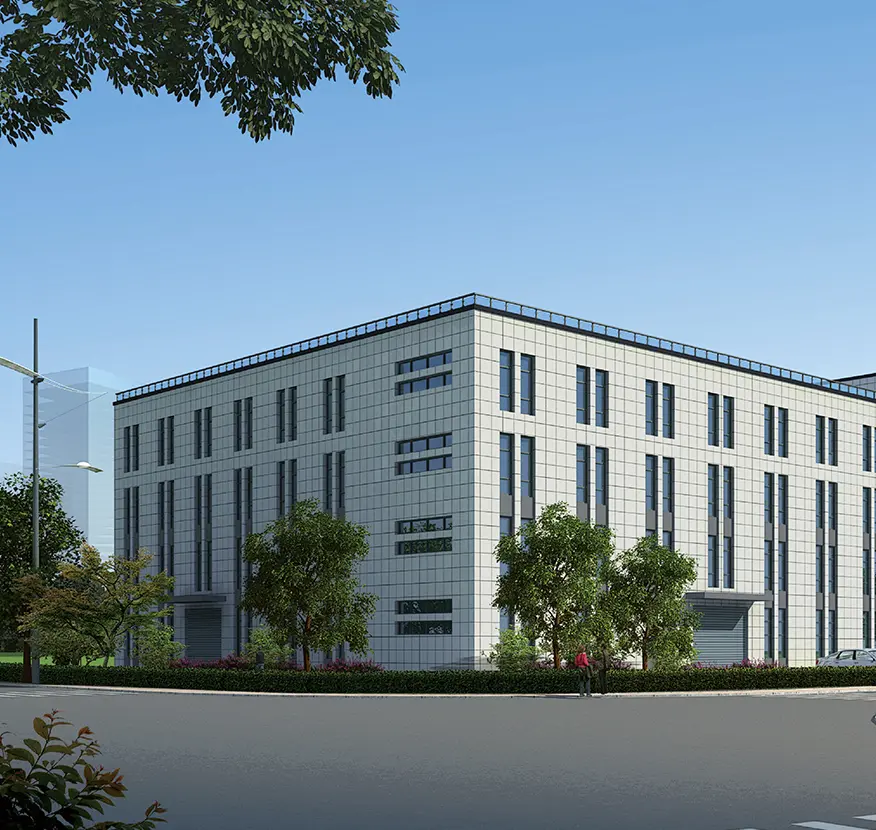
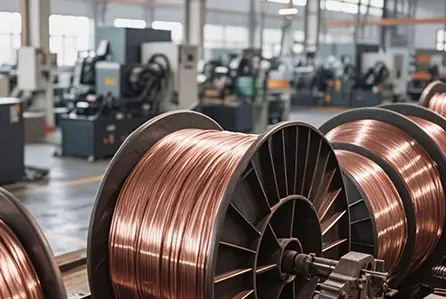
Our production facility features advanced drawing, enameling, and paper-wrapping machinery.
How Daiming integrates advanced automation with strategic raw material sourcing to ensure supply stability.
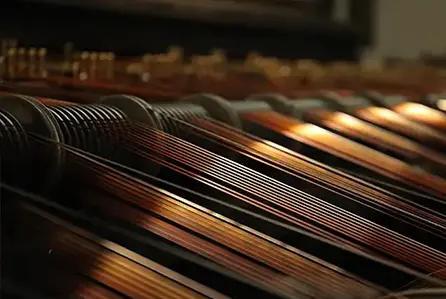
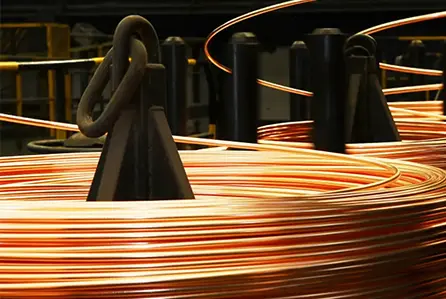
Global markets face raw material volatility and supply chain disruption, making manufacturer resilience a key factor for procurement teams. Daiming addresses these challenges through vertical integration, production automation, and proximity to major shipping ports. In our Suzhou facility, we monitor each step—from drawing and annealing to paper wrapping and testing—using online process control systems.
Our raw material sourcing relies on close relationships with premium metal refineries. For copper conductors, we use high-purity, oxygen-free copper rods with copper content exceeding 99.99%. This material provides electrical conductivity matching International Annealed Copper Standards (IACS). For aluminum conductors, we select electrical grade EC 1350 aluminum alloys, optimizing conductivity and elongation. This strict material selection ensures our wires perform reliably under high physical stress.
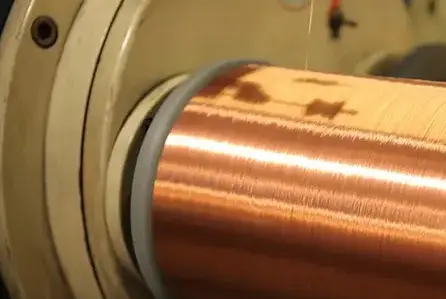
Precision control during paper winding prevents gaps, overlaps, and wrinkling. Daiming’s advanced paper-wrapping lines utilize digital tension controllers that automatically adjust relative spool feed speeds. This maintains uniform tension across the conductor's profile, even for complex rectangular shapes. An online laser measurement system monitors outer dimensions, helping to prevent coil-winding jams at our customers' facilities.
Supplying high-performance insulated conductors to support critical global electrical infrastructure.
Preparing for the next generation of power transmission, renewable integration, and high-frequency grids.
Modern electrical infrastructure demands higher power densities, lower losses, and environmental compatibility. As the power grid evolves to integrate renewable energy sources, the requirements for winding wire performance are rising. Our technological roadmap focuses on three main developments:
Ensuring strict adherence to international electrical engineering benchmarks.
For international projects, purchasing components that meet regional design standards is essential. Daiming aligns its design and manufacturing practices with major international standards bodies, including IEC 60317, ASTM B324/B233, DIN EN 13601, and GB/T 7673.
Our QA/QC team tests each production batch to ensure performance consistency:
1. Electrical Properties: We verify DC resistance (using micro-ohm meters) and dielectric breakdown voltage.
2. Mechanical Integrity: We perform springback tests to measure wire flexibility, along with adhesion tests (such as peel and mandrel wrap tests) for enameled coatings.
3. Geometric Tolerances: Multi-axis laser micrometer checks ensure outer dimension limits remain within ±0.01 mm of customer specifications.
To prevent moisture absorption during maritime transit, our packaging system uses double-layer vacuum-sealed vapor barrier packaging, desiccants, and heavy-duty IPPC heat-treated wooden drums. This ensures the wire arrives at your facility dry and ready for winding.
Answers to common engineering questions regarding selection, operation, and reliability of paper-covered wires.
Insights, technical achievements, and updates from the world of insulated conductor manufacturing.
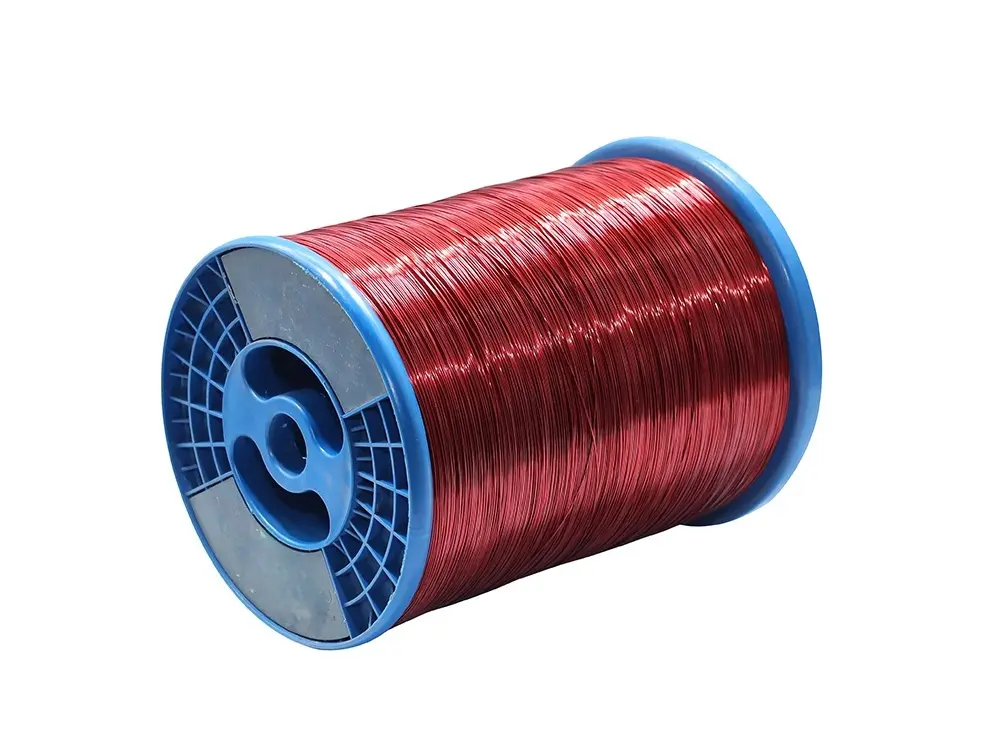
Analyzing the growing role of aluminum magnet wire in high-end manufacturing and automotive subassemblies amid fluctuating raw material markets.
Read More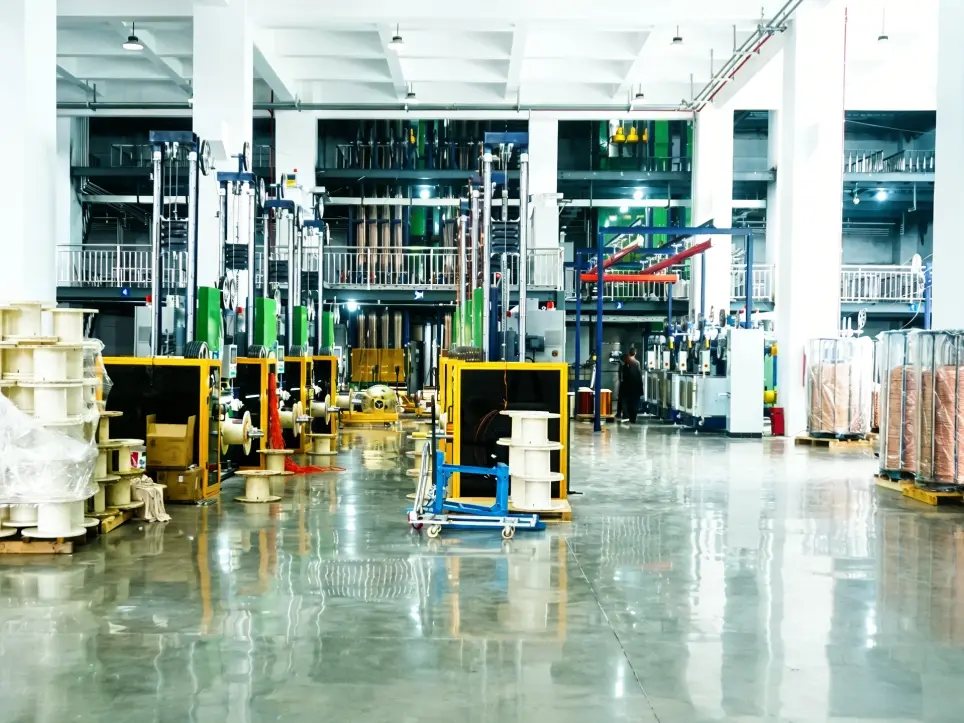
How copper-clad aluminum (CCA) enameled wire balances weight, cost, and high-frequency performance to assist motor manufacturers with cost reduction.
Read More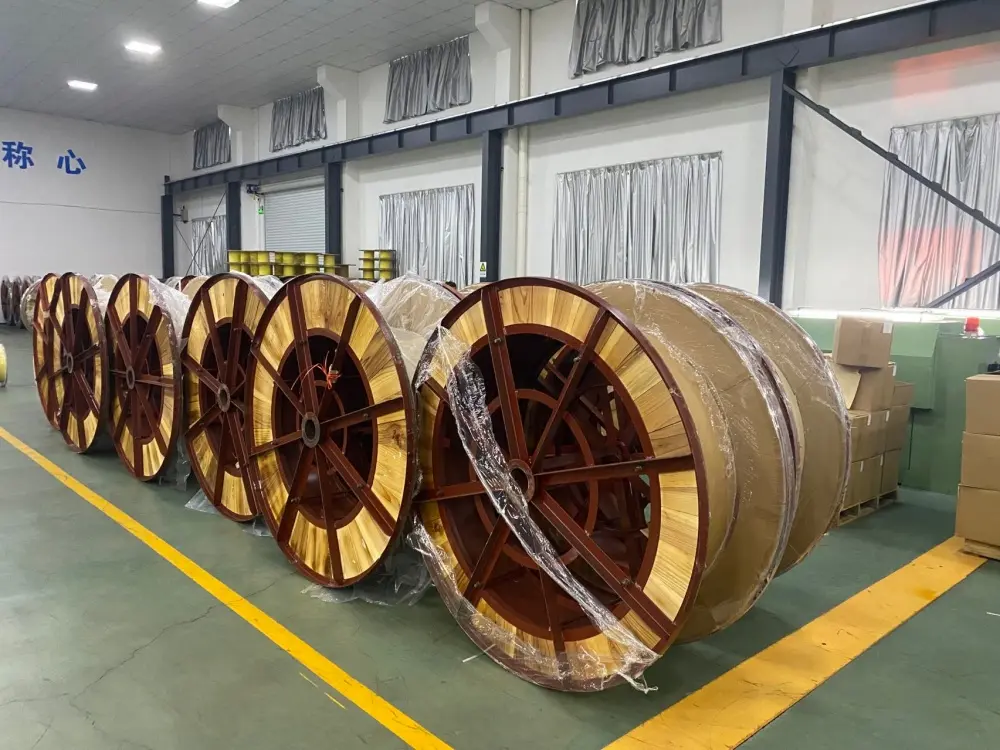
Daiming exports Continuously Transposed Conductors (CTC) to Turkey to support high-voltage transformer manufacturing and grid modernization.
Read MoreAdditional specialized winding wires and custom-coated configurations available for international order fulfillment.