Deep-Dive White Paper: The Evolution and Strategic Procurement of HT Cable & Transformer Winding Insulation
In the modern electrical transmission paradigm, the terms High Tension (HT) Cable Insulation and High Voltage Winding Insulation represent the absolute boundary of materials science engineering. As power grids expand to support multi-gigawatt renewable energy plants, and electrical machinery shifts toward 800V electric vehicle architectures, the demand for high-performance insulation technologies has risen exponentially. Transformers, generators, and distribution networks operate under intense electrical, thermal, and mechanical stress, meaning the selection of enameled magnet wires, flat conductors, and Continuously Transposed Conductors (CTC) dictates the efficiency and longevity of entire national power infrastructures.
1. The Evolution of HT Insulation Material Science
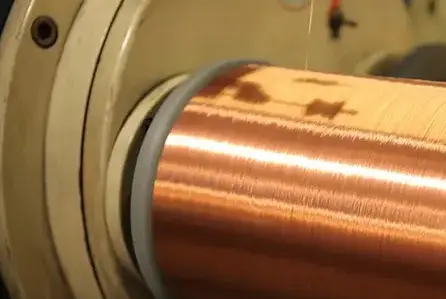
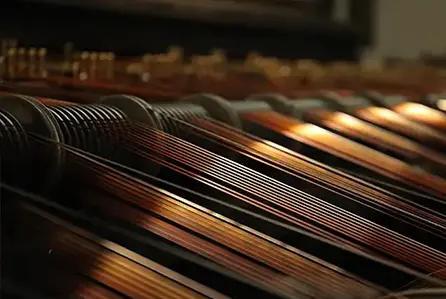
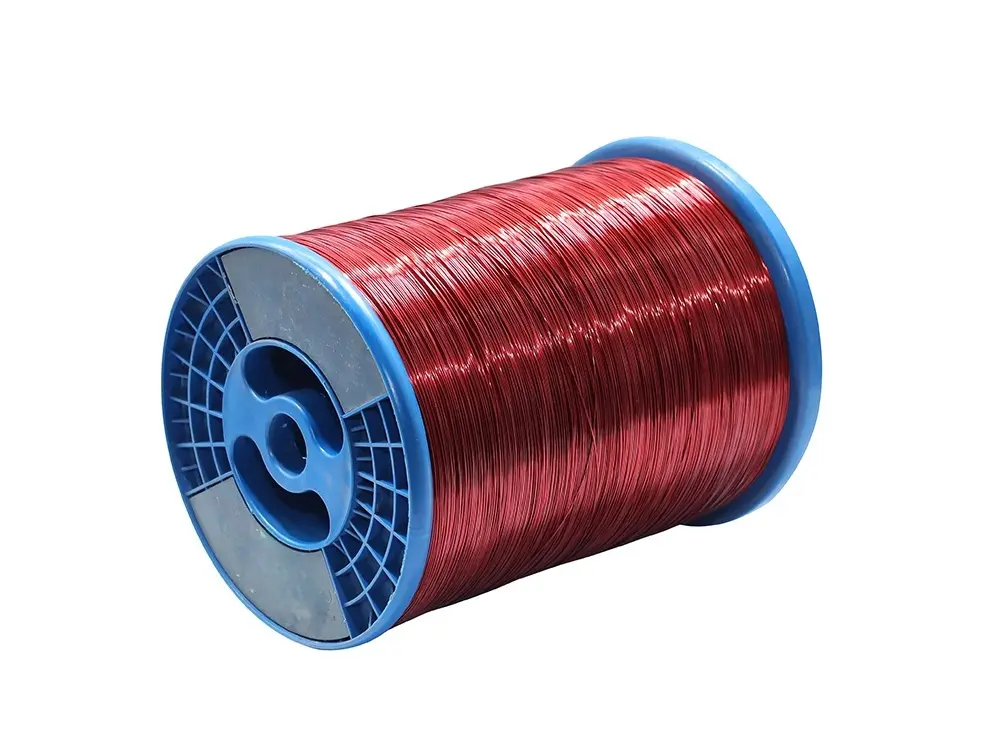
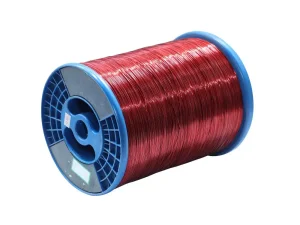
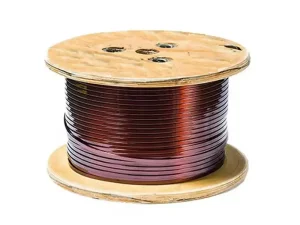
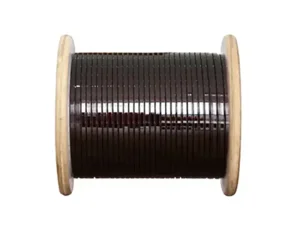
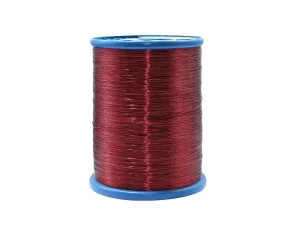
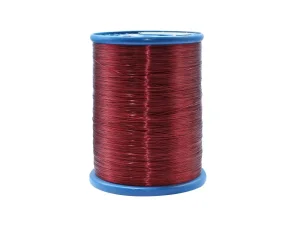
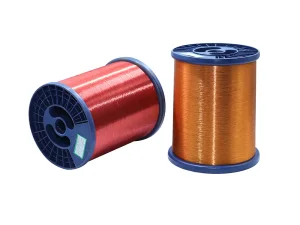
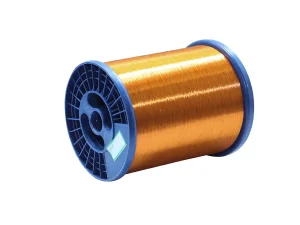
Traditional insulation relied heavily on kraft papers, simple cotton braids, or basic enamel resins. Today's industrial applications necessitate composite materials capable of sustaining constant operating temperatures above 200°C. Modern enameled flat copper and aluminum wires utilize state-of-the-art synthetic polyimide, polyesterimide (EIW), and polyamide-imide (AIW) base layers. These advanced polymer systems offer exceptional dielectric breakdown voltage resistance, lower dissipation factors (tan δ), and phenomenal resistance to abrasive forces during high-speed automated winding processes.
Furthermore, the class rating of insulation (ranging from Class 130 to Class 220) defines the heat threshold at which the material can operate for an expected lifespan of 20,000 hours. The transition to Class 220 enameled flat copper and aluminum wires represents a milestone, enabling motors and transformers to be downsized significantly while sustaining identical or increased output capacities.
2. Global Procurement Dynamics & Smart Sourcing Priorities
Global supply chain managers face critical hurdles when acquiring HT insulation materials. The price volatility of pure LME copper and aluminum requires a flexible, highly efficient manufacturer to mitigate financial risk. Additionally, procurement specialists prioritize strict standard compliance (such as IEC 60317, NEMA MW 1000, and GB/T 4074). Key sourcing requirements include:
- Pin-Hole Density: Ensuring zero structural breakdowns in the polymer film across kilometers of wire.
- Layer Uniformity: Consistent paint film density to avoid hot spots under electromagnetic fields.
- Tension Consistency: Wires must support high-speed machine tensioning without micro-cracking the insulation layer.
3. China Factory 4.0: Supply Chain Resilience and Efficiency Advantages
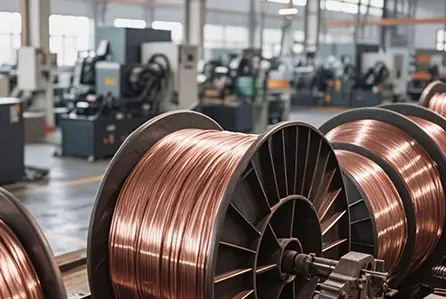
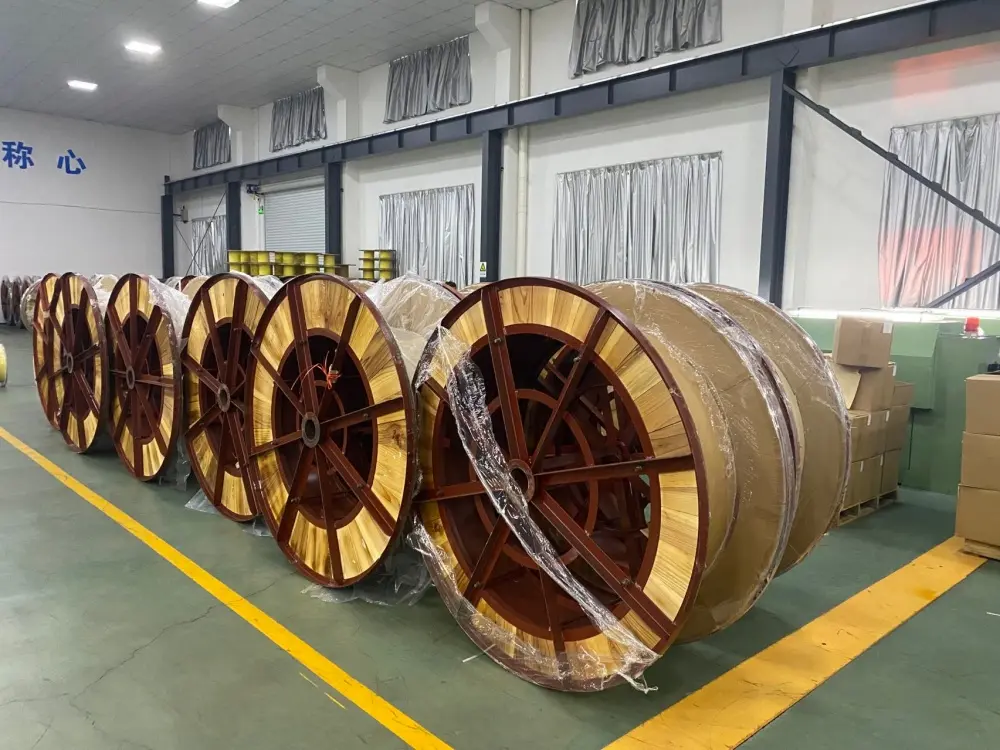
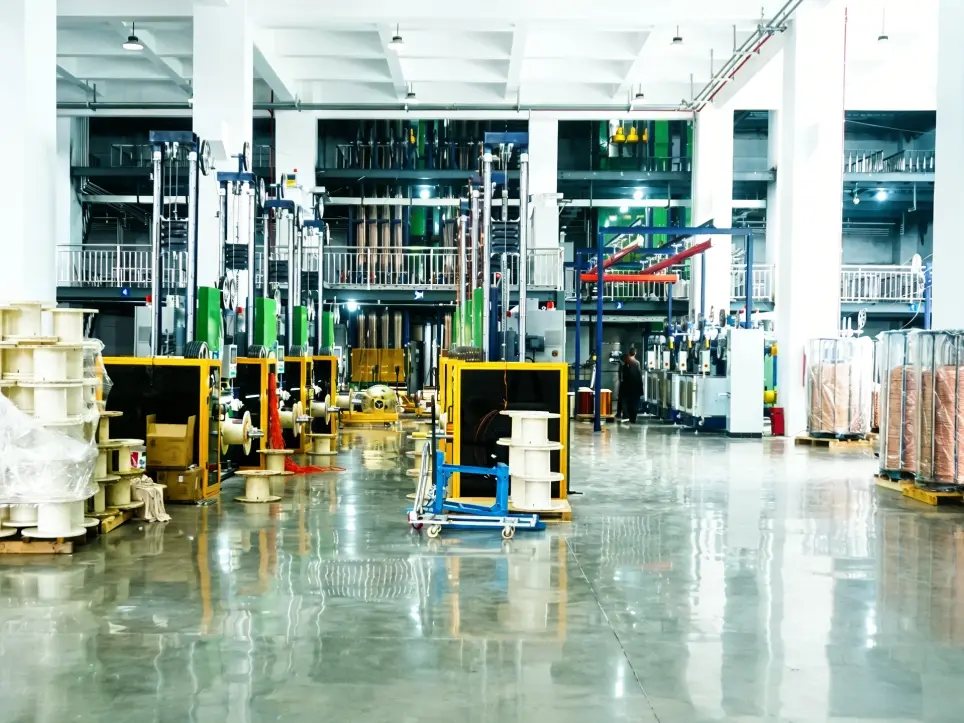
China's smart manufacturing transition has restructured the electrical conductor landscape. Facilities like Suzhou Daiming combine full automation with inline laser diameter monitoring and AI-driven thermal feedback loops during the wire baking process. This guarantees precision wire tolerances (down to the micrometer) and extreme uniformity in the polymer layer. Factory 4.0 systems enable fast batch transitions, letting customers customize wire profiles and insulation structures without severe lead-time penalties. Combined with direct access to local raw copper smelting and polymer formulation industries, Chinese factories maintain high cost-efficiency and unmatched delivery resilience amidst global logistical disturbances.
4. Technological Demands in High-Voltage Applications: Why CTC Wins
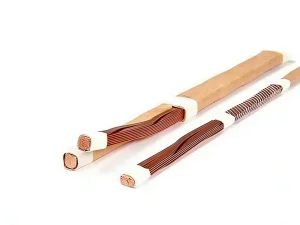
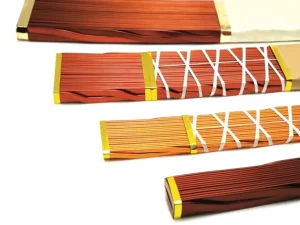
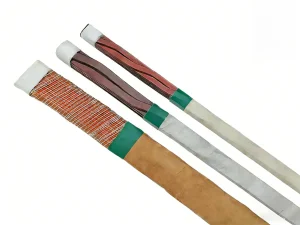
In high-power grid transformers, eddy current losses in windings represent a major source of energy wastage and thermal generation. Continuously Transposed Conductors (CTC) solve this issue by transposing individual enameled flat copper strips in a repeating geometric sequence. Wrapping these transposed configurations in specialized grid mesh or kraft paper insulation provides excellent mechanical strength against short-circuit forces while slashing electrical losses. This is why CTC represents the peak winding technology for ultra-high voltage (UHV) power systems worldwide.