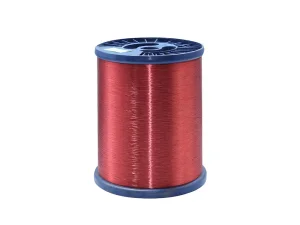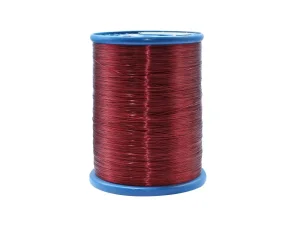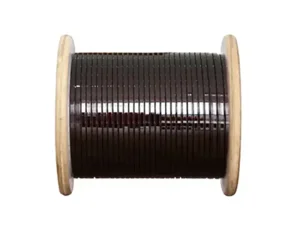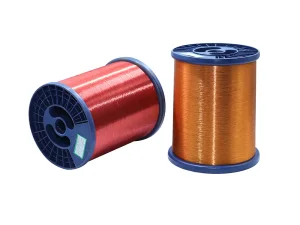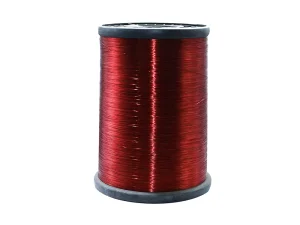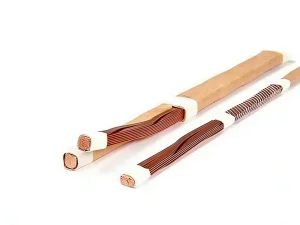
Explore our premium grade enameled copper and aluminum magnet wires designed to meet rigorous global standards.
A comprehensive study on standard criteria, metallurgical advantages, and operational properties of Acetal-insulated aluminum magnet wire.
The International Electrotechnical Commission (IEC) standard 60317 sets out clear parameters for winding wires globally. Within this matrix, IEC 60317 Class 120 specifies magnet wires protected by an insulation layer that guarantees a continuous operational temperature rating of 120°C. Primarily, Class 120 wires feature a coating composed of Polyvinyl Acetal (Formvar) or modified acetal resins. This specific compound yields a robust layer that excels in physical, electrical, and chemical performance.
While high-temperature requirements of 180°C and 200°C are often fulfilled using polyesterimide (PEI) or polyamide-imide (PAI), Class 120 (PVA) enameled aluminum wire maintains an essential role in specialized industries. The outstanding adhesion and flexibility of the polyvinyl acetal resin coating, coupled with its resistance to transformer oils, chemical solvents, and refrigerants, make it highly effective for heavy industrial motors and oil-immersed transformers.
The insulation layer of Class 120 wire consists of polyvinyl acetal modified with phenolic resins. During heat curing in the vertical or horizontal enameling tower, these molecules form a highly cross-linked network. This molecular arrangement ensures excellent physical resilience.
This chemical stability guarantees that the coating does not rupture or delaminate under tight mechanical winding stresses, high-vibration runtime environments, or thermal cycles. Additionally, the cross-linked acetal structure resists chemical breakdown when exposed to commercial dielectric fluids, preventing premature electrical failure in distribution grids.
For engineering procurement teams, choosing between aluminum (Al) and copper (Cu) involves balancing weight, conductivity, thermal properties, and cost:
| Physical Property | Electrical Grade Al (EC 1350) | Refined Copper (ETP) | Engineering Implication |
|---|---|---|---|
| Density (g/cm³) | 2.70 | 8.89 | Reduces overall weight of motors and transformers. |
| Conductivity (% IACS) | 61.0% | 100.0% | Requires slightly larger slot design or wire gauge. |
| Tensile Strength (MPa) | 80 - 120 | 200 - 250 | Requires precision computerized tension control. |
| Coefficient of Expansion (10⁻⁶/K) | 23.0 | 16.5 | Requires careful calculation of thermal clearance. |
At our 258,333.33 ft² production site in Suzhou, we operate 30 advanced, high-speed drawing and enameling lines. Our manufacturing process includes several key steps:
A trusted global supplier of enameled winding solutions, prioritizing reliability and customer needs.
Suzhou Daiming Electrical Materials Co., Ltd. is a leading manufacturer of high-quality enameled wires, including enameled aluminum wires, enameled copper wires, and enameled copper-clad aluminum wires. Located on a 258,333.33 ft² facility, our modern manufacturing site operates 30 advanced production lines. This scale allows us to maintain a stable, high-volume output to satisfy international market demands.
With rigorous quality control at every phase—from raw material checking to final batch testing—we adhere to international quality standards, ensuring long-term durability and performance. Our experienced engineering team possesses deep expertise in product properties, international testing standards, and modern processing technologies.

How we design and manufacture magnet wire to deliver reliable electrical insulation in challenging conditions.
Every spool of enameled wire undergoes rigorous inline inspection to ensure coating consistency and insulation performance.
Our enameled wires feature a dense, uniform insulation film that provides strong adhesion, scratch resistance, and bend flexibility.
We provide tailormade diameter options and customized temperature classifications to match your exact equipment specifications.
Supported by 30 high-output lines, we maintain stable production and inventory levels to guarantee on-time global deliveries.
Our lightweight aluminum and CTC solutions help reduce weight and improve efficiency in electric motors and distribution grids.
Our enameled wires are utilized in critical components across various global industries.
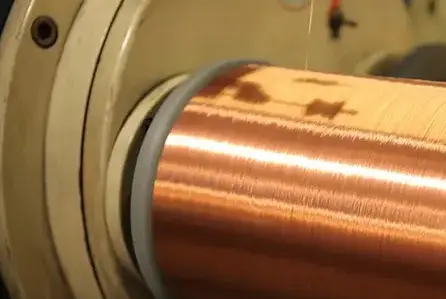
Acetal-insulated wire is widely used in oil-immersed transformers due to its chemical stability and hydrolytic resistance in transformer oils.
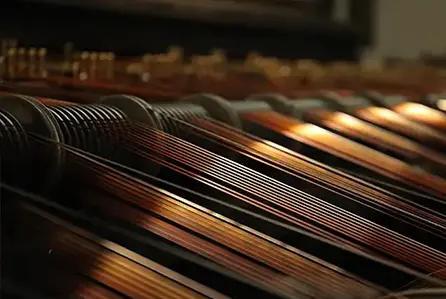
Provides cost-effective and reliable winding options for compressors, fan motors, and washing machine assemblies.
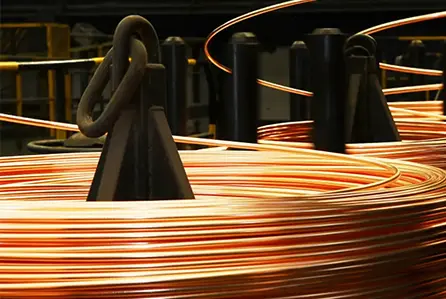
Designed to withstand vibration and mechanical stresses in manufacturing equipment, sensor systems, and solenoids.
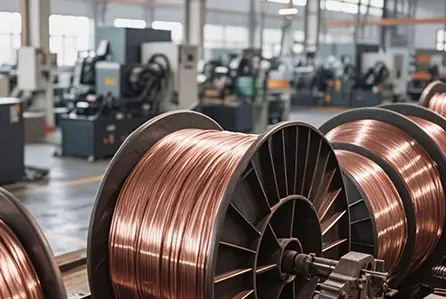
Supports grid upgrades and wind/solar generation systems with lightweight winding wires and Continuously Transposed Conductors (CTC).
Explore our main product categories, each designed to meet specific engineering and environmental demands.


Stay informed with our latest updates, product shipments, and analysis of global magnet wire trends.
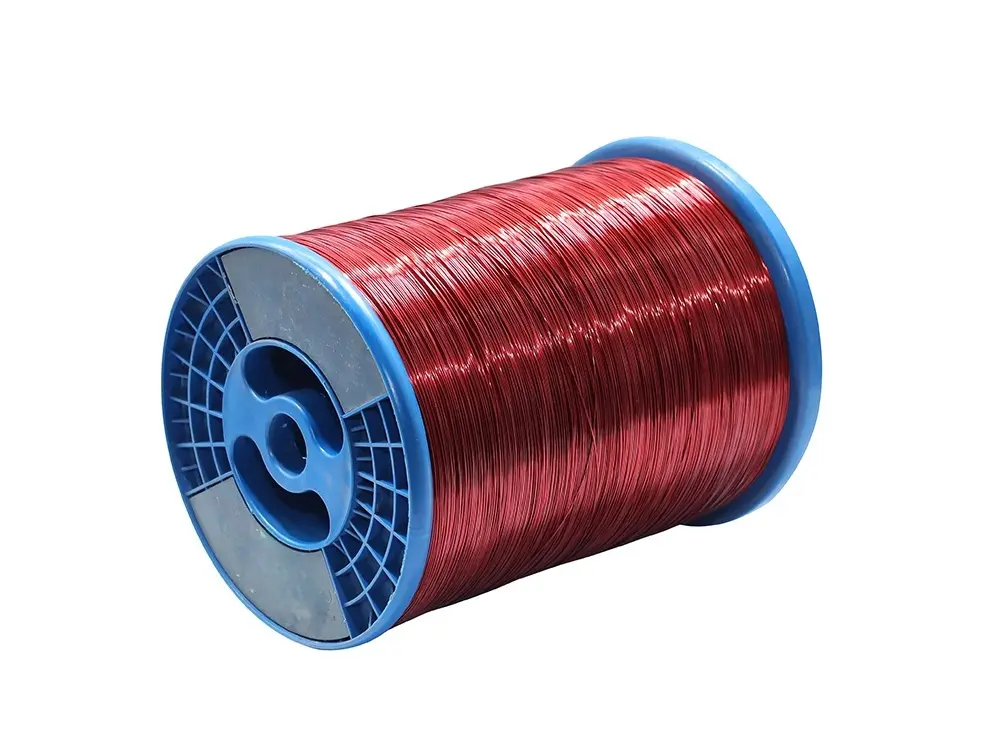
Analyzing how shifting raw material markets drive global manufacturers to implement optimized, Class-compliant aluminum wind architectures.
Learn More →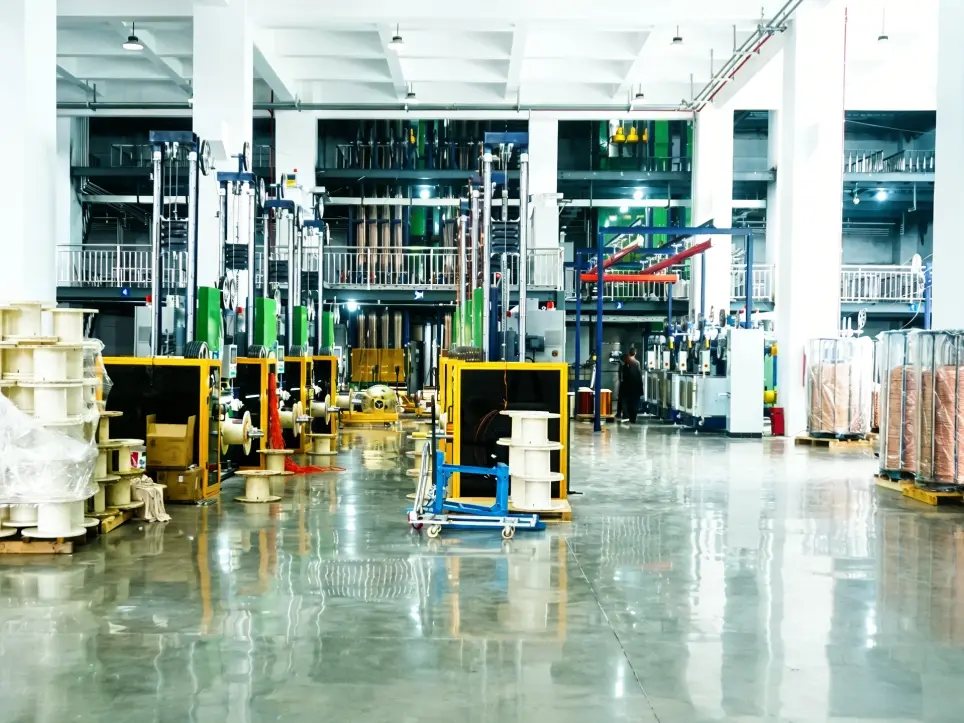
Copper-clad aluminum winding wire offers a balance of electrical conductivity and weight savings, helping factories manage material costs.
Learn More →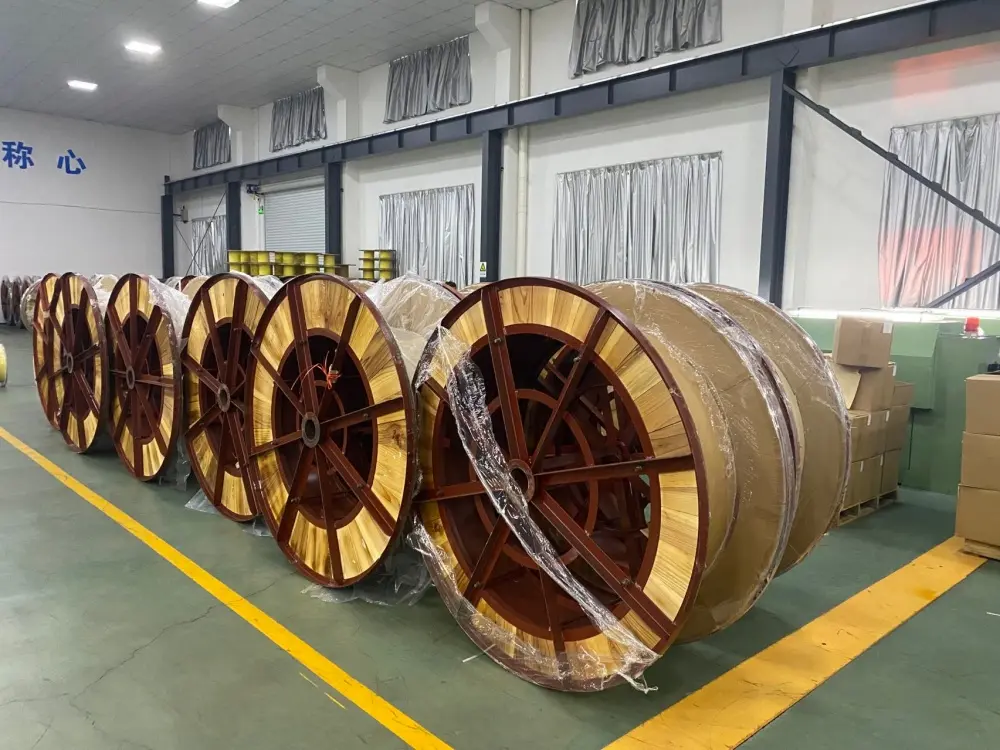
Our latest shipment of Continuously Transposed Conductors (CTC) was exported to Turkey to support high-voltage power transformer projects.
Learn More →Find answers to common questions about IEC standards, materials, and winding wire specifications.
Explore our additional enameled flat and round wires optimized for high-performance industrial applications.