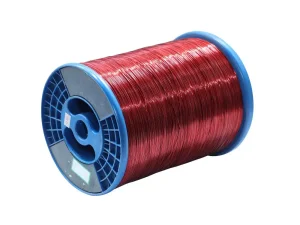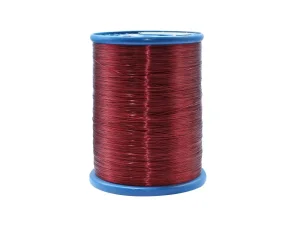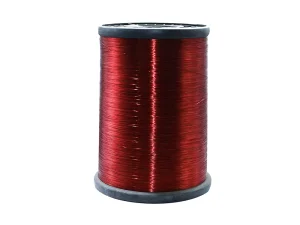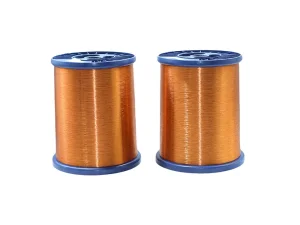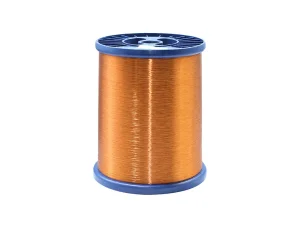
Explore our core high-performance magnet wires designed for high-efficiency transformers, electric motor windings, and specialized industrial electronics.
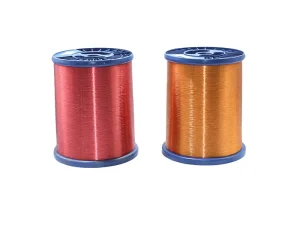
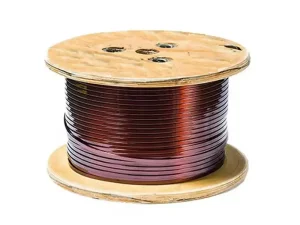
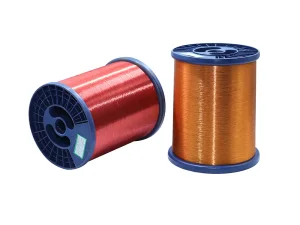
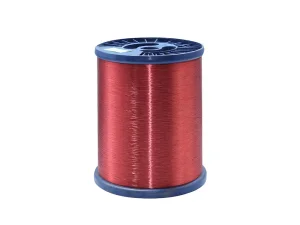
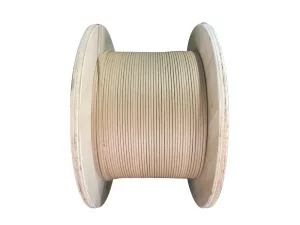
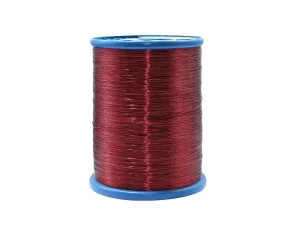
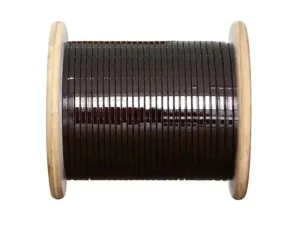
How Suzhou Daiming Electrical Materials Co., Ltd. guarantees volume consistency, precision quality, and global industrial support.
As modern industrial manufacturing pivots toward carbon neutrality and material cost optimization, copper-clad bimetallic technologies have transitioned from niche solutions to mainstream standards. Copper Coated Aluminum (CCA) Wire, also referred to as Copper Clad Aluminum (CCA) wire, stands at the absolute intersection of electrical efficiency and mass optimization.
This technical whitepaper explores the micro-metallurgical framework, electromagnetic characteristics, quality control standards, and systemic advantages of deploying CCA and Enameled Copper Clad Aluminum (ECCA) wires in high-performance electromagnetic applications.
The primary engineering justification for bimetallic wire lies in the electromagnetic physical phenomenon known as the Skin Effect. In alternating current (AC) distribution, high-frequency current density is non-uniformly distributed throughout the cross-section of a conductor; instead, the current flow concentrates near the outer boundary (the "skin").
Because the central core of the conductor carries minimal current density at elevated frequencies, substituting solid copper with a lighter, highly stable aluminum core does not introduce equivalent performance degradation. The outer cladding of high-conductivity copper handles the high-frequency electron flow, while the inner core provides the structural framework and electrical continuity at a fraction of the weight.
Technical Breakdown: By cladding an EC-grade aluminum core with a continuous oxygen-free copper barrier (standardized at 10% or 15% volume ratios, known as 10A and 15A), engineers achieve approximately 65-68% of the electrical conductivity of solid copper, while reducing the net mass of the winding structure by up to 60%. This yields a substantial volumetric and gravimetric cost benefit without compromising system reliability.
The mechanical and thermodynamic reliability of a copper coated aluminum wire rests entirely on the quality of the metallurgical bond between the copper envelope and the aluminum core. At Suzhou Daiming Electrical Materials Co., Ltd., we employ state-of-the-art co-extrusion technology coupled with continuous drawing operations to eliminate risk profiles associated with bimetallic interfaces.
Our production sequence includes:
Over the last decade, copper has exhibited high pricing volatility, creating operational challenges for industrial winding manufacturers. By designing components with copper coated aluminum wires, companies insulate their supply chains from raw material cost hikes.
Furthermore, the environmental impact of copper extraction is significantly greater than that of aluminum processing. Using CCA wires contributes to sustainable, eco-friendly manufacturing initiatives, reducing the carbon footprint of structural components, motors, and high-frequency power distribution grids.
| Property Parameter | Solid Copper Wire (Cu) | CCA Wire (10A Grade) | CCA Wire (15A Grade) | Solid Aluminum Wire (Al) |
|---|---|---|---|---|
| Density (g/cm³) | 8.89 | 3.32 | 3.63 | 2.70 |
| Conductivity (% IACS) | 100% | 63.1% | 65.0% | 61.0% |
| Tensile Strength (MPa) | 200 - 260 | 120 - 160 | 130 - 180 | 80 - 120 |
| Weight Ratio (compared to Cu) | 100% | 37.4% | 40.8% | 30.4% |
| Relative Cost Index (Est.) | Baseline (High) | ~ 40-50% Less | ~ 35-45% Less | Lowest |
To satisfy diverse engineering requirements, we produce several categories of specialized winding wires:
With the global automotive market adopting 800V fast-charging architectures, electric vehicle manufacturers require winding wires that can withstand extreme voltage spikes and thermal surges. The combination of high-grade enamel coatings, optimized flat geometry, and advanced copper clad technology allows modern drive motors to maintain high efficiency while reducing overall weight, directly translating to extended EV driving ranges.
Why global OEMs choose Suzhou Daiming as their partner for critical industrial components.
Every spool undergoes rigorous pinhole testing and high-voltage continuity checks to guarantee insulation performance.
Our class 180, 200, and 220 coatings are specifically formulated to prevent thermal softening under continuous overload conditions.
We provide custom wire diameters, flat shapes, and targeted coating configurations tailored to specialized motor geometries.
Backed by our 30+ production lines, we ensure steady bulk shipping, customs clearance support, and fast logistics response.
Stay updated with the latest technological developments and global shipping milestones from Daiming Electrical.
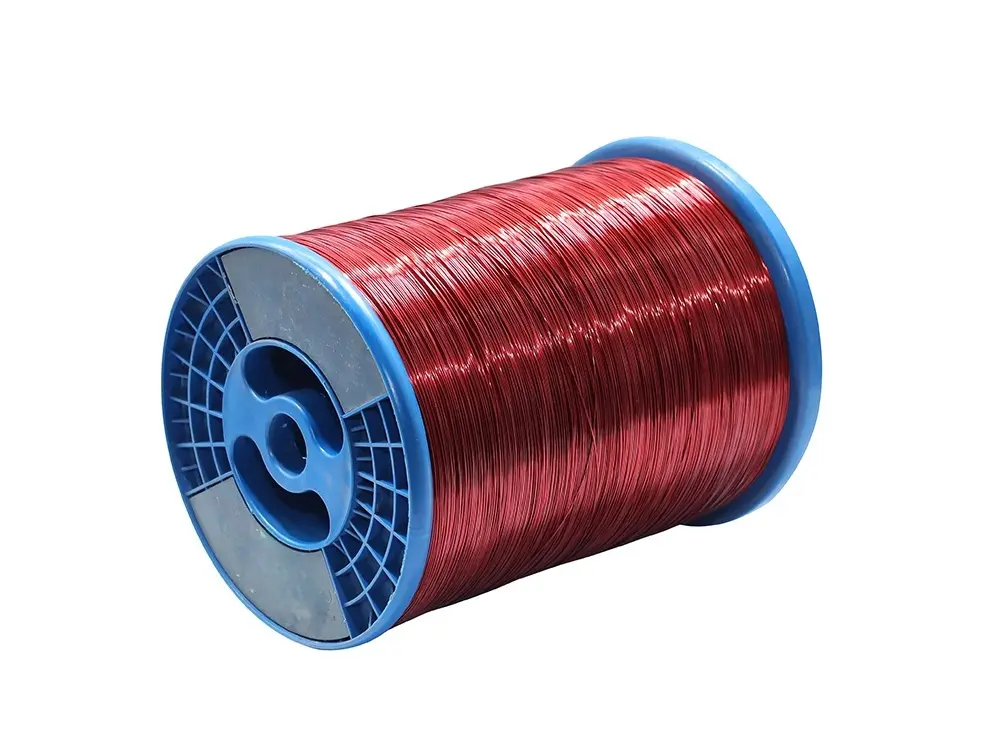
Explore how recent manufacturing advances have positioned enameled aluminum wire as a primary cost-saving alternative for power devices...
Read Article →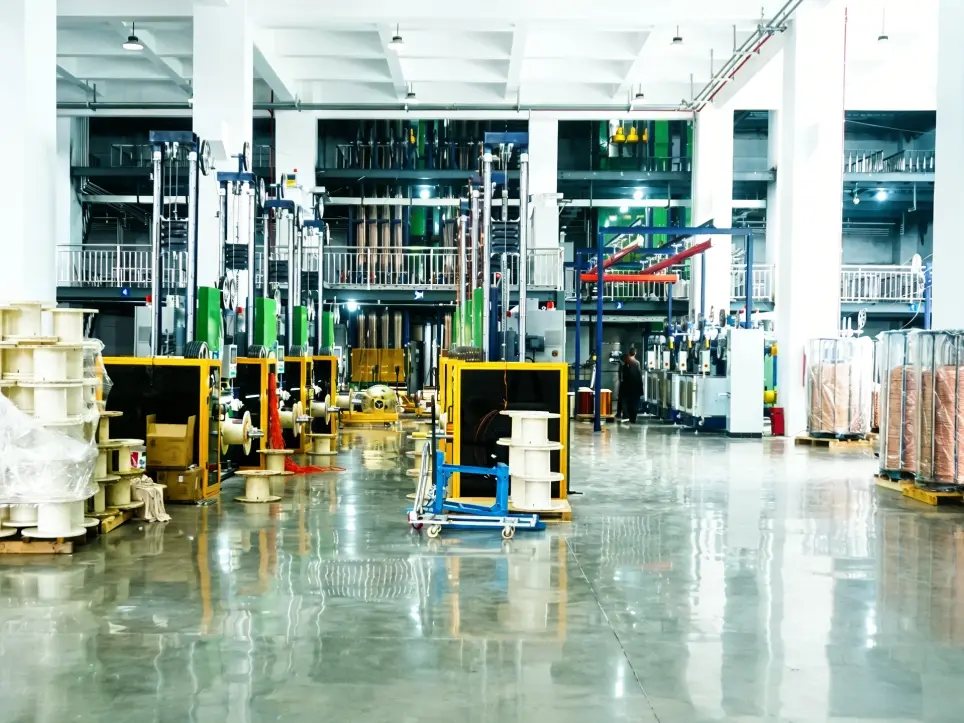
Bimetallic conductors have become a preferred option for industrial motor manufacturers seeking to secure material cost margins...
Read Article →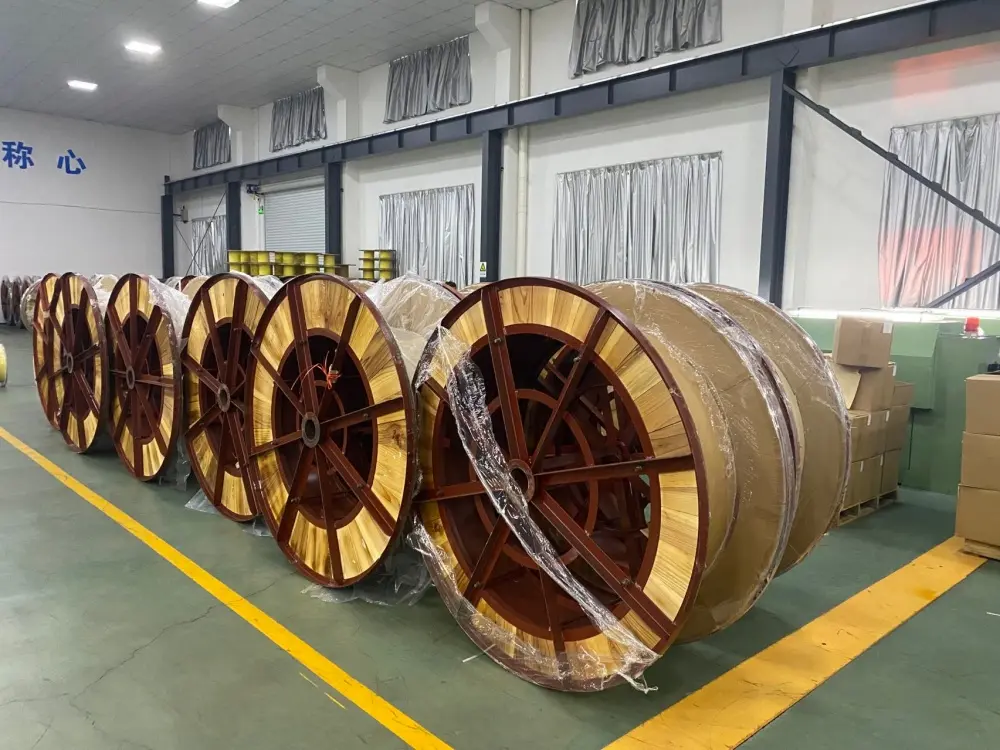
We have completed a major shipment of Continuous Transposed Conductors (CTC) to Turkey, supporting modernization efforts in the regional power grid...
Read Article →Technical answers to key engineering, application, and purchasing questions regarding bimetallic conductors.
A complete selection of enameled magnet wires manufactured to international standards for power systems and electronic devices.