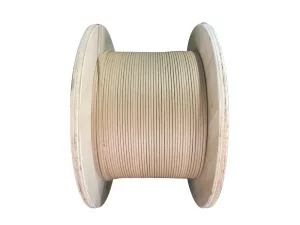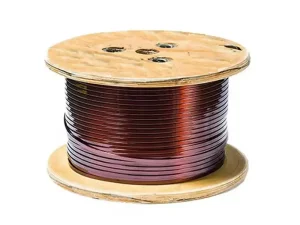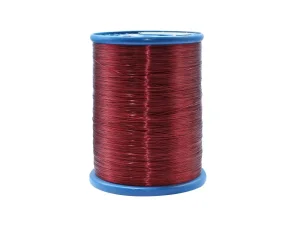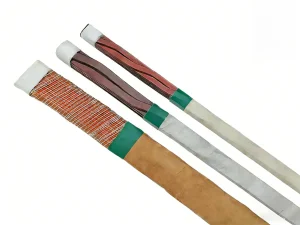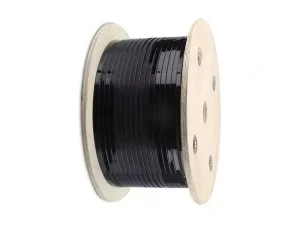
Explore our highly specified product range of enameled, paper-covered, and transposed insulated configurations engineered for high thermal performance, extreme efficiency, and longevity.
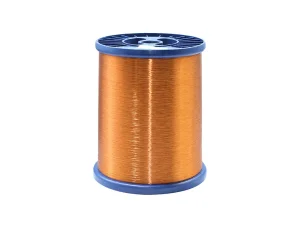
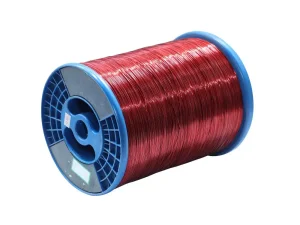
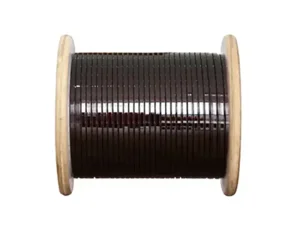
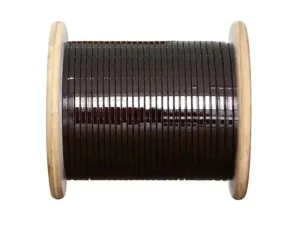
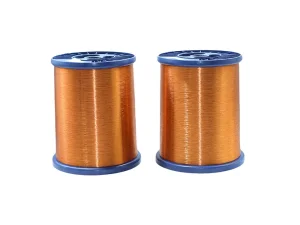
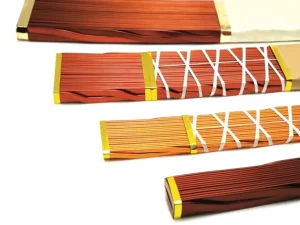
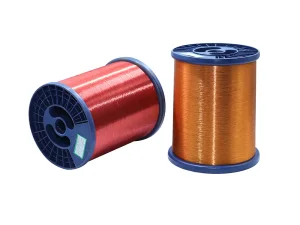
Coated electrical wires—primarily known as enameled magnet wires, transposed conductors, or paper-insulated winding conductors—constitute the energetic backbone of modern energy networks. These precision-coated elements serve as the physical medium for electromagnetic transformation. By insulating high-purity copper or aluminum substrates with micro-thin layers of polyimide, polyesterimide (PEI), polyamide-imide (PAI), or kraft paper insulation, manufacturers achieve maximum dielectric performance with minimal volumetric expansion.
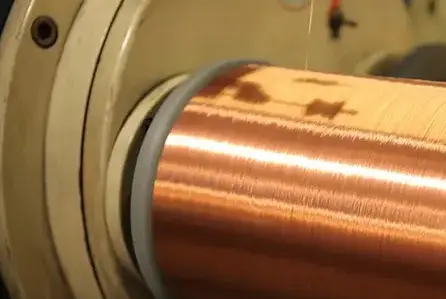
For high-frequency applications, high-voltage vehicle propulsions, and massive power distribution grids, standard wiring solutions are insufficient. High-purity metal substrates are drawn to ultra-fine margins, followed by continuous application and curing of liquid polymers. Modern manufacturing setups use automated die configurations and laser telemetry monitoring to maintain circularity and continuous paint film thickness down to the sub-micron scale, preventing insulation voids that lead to localized breakdown or destructive partial discharge.
Multi-layered base coatings prevent physical breakdowns under high electrical stresses and severe thermal transients, ensuring component reliability.
Class 130 to Class 220 thermal grades insulate electrical systems operating in demanding temperature conditions up to 220°C.
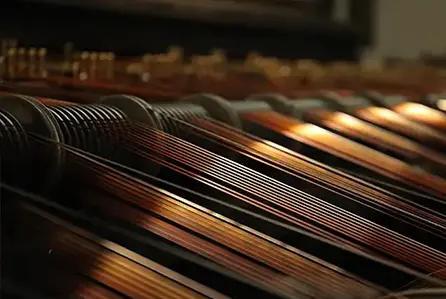
Flat and rectangular wire profiles offer higher space factors compared to round wires, maximizing stator slot packing efficiency.
As a leading supplier of enameled magnet and specialty wrapped wires, Suzhou Daiming Electrical Materials Co., Ltd. operates at the intersection of precision engineering and scale. Operating from a highly consolidated, 258,333.33 ft² modern manufacturing compound, the facility serves as a primary supply anchor for local and international markets.
Our operation houses 30 advanced vertical and horizontal enameled drawing-coating machinery lines. This setup enables simultaneous production of Enameled Aluminum Wires, Enameled Copper Wires, and Copper Clad Aluminum Enameled Wires. By deploying inline eddy current defect detection, continuous laser micrometer calibration, and tension control, Daiming ensures every batch meets global electrical engineering specifications.
Engineered to withstand physical strain, high operating voltages, and thermal stress.
Advanced concentric extrusion dies ensure uniform film layers, preventing mechanical peeling, cracking, or physical breakdown during high-speed coil winding processes.
Proprietary polymer chemistry formulas deliver excellent scratch protection, continuous heat resistance, and pressure resistance under heavy cyclic loads.
We supply custom cross-sectional profiles and exact gauges tailored to specialized traction motors, ultra-heavy transformers, and compact sensor arrays.
The global coated electrical wire industry is transitioning toward materials designed for high power density, thermal performance, and mechanical durability. Key developments reshaping the market include:
Procuring raw winding materials involves evaluating compliance, logistics, and technical specifications. Global buyers face challenges with material quality, import compliance, and volatile raw metal pricing. To address these procurement needs, we focus on:
We provide full material certification, including UL compliance, RoHS testing, and detailed chemical composition reports for international markets.
We offer flexible supply contracts tied directly to metal exchange pricing (LME/SHFE) to help mitigate raw material price risks.
We tailor wire profiles, paint layer configurations, and spool packaging to integrate directly with automated high-speed coil winding systems.
We use protective packaging configurations to safeguard wires from moisture and mechanical damage during maritime transit.
Winding wire needs vary significantly across applications. Our products are engineered for specific operating conditions:
Large transmission networks depend on grid-tier transformers. We supply Continuously Transposed Conductors (CTC)—both semi-rigid and mesh-wrapped—to help minimize eddy current losses, manage thermal dissipation, and withstand mechanical stresses during short-circuit events.
EV drivetrains require wire coatings that handle high temperatures and continuous vibration. We supply 200°C and 220°C class enameled flat copper and aluminum wires to support tight hairpin stators, helping to maximize magnetic flux and increase power density.
Miniaturization in home appliances and sensors requires ultra-thin wires with consistent dielectric performance. Our polyurethane and polyesterimide coated wires offer excellent solderability and wear resistance, supporting high-speed automated production.
To support next-generation electrical equipment, our development focus centers on three key areas:
Maintaining product quality is essential for safety and reliability. Each production batch undergoes rigorous testing to verify mechanical, chemical, and electrical performance:
Our enameled and wrapped electrical wires are designed for critical industrial sectors worldwide.
Key technical answers to assist procurement engineers and electrical design specialists.
Copper offers high electrical conductivity (100% IACS) and tensile strength, making it ideal for compact, high-power-density designs. Aluminum (61% IACS conductivity) is lighter and more cost-effective, making it a preferred choice for large transformers and automotive components where weight reduction is critical.
CTC configurations consist of multiple individual enameled strands arranged in a transposed pattern. This structure continuously rotates the physical position of each strand relative to the magnetic field, significantly reducing eddy current losses and hot-spot temperatures in heavy-duty power transformers.
These classes specify the maximum continuous operating temperature (200°C and 220°C, respectively) that the wire insulation can withstand for a standard 20,000-hour service life. High thermal ratings prevent premature aging and electrical shorts in heavy-duty environments.
CCA wire features an aluminum core metallurgically bonded to an outer copper sleeve. Due to the high-frequency "skin effect," the electrical current primarily flows through the outer copper layer, providing performance close to solid copper while offering substantial weight savings.
Stay updated on industry developments, shipping milestones, and material science breakthroughs.
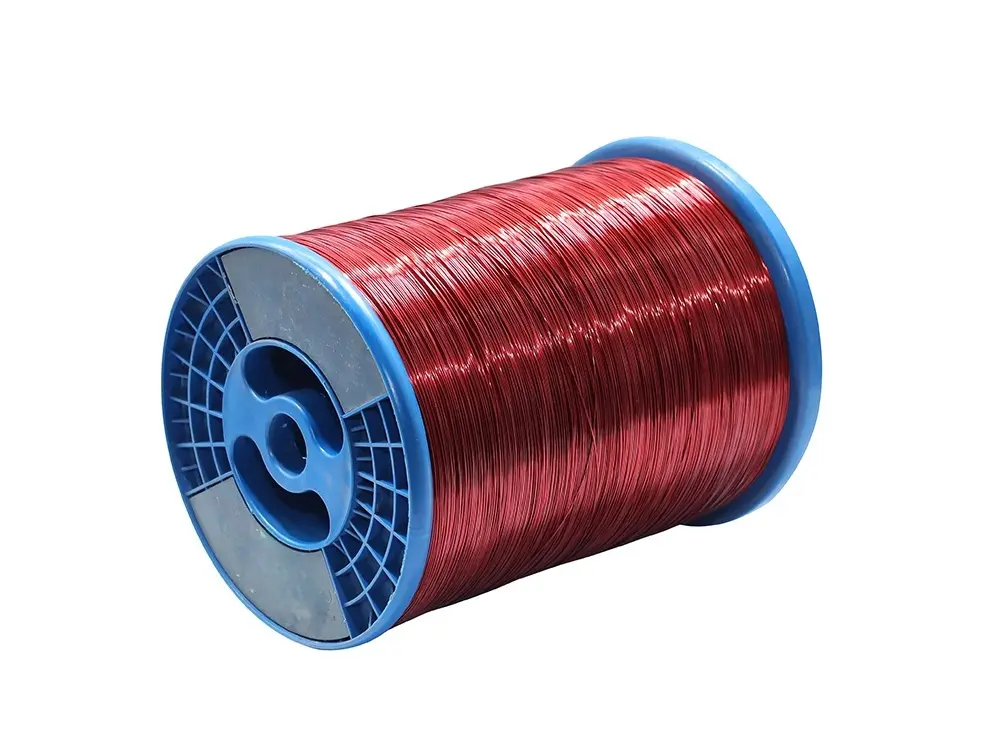
With raw copper prices rising, manufacturers are increasingly selecting high-grade Class 180 and Class 200 enameled aluminum wire for automotive components and power systems to manage costs.
Read Article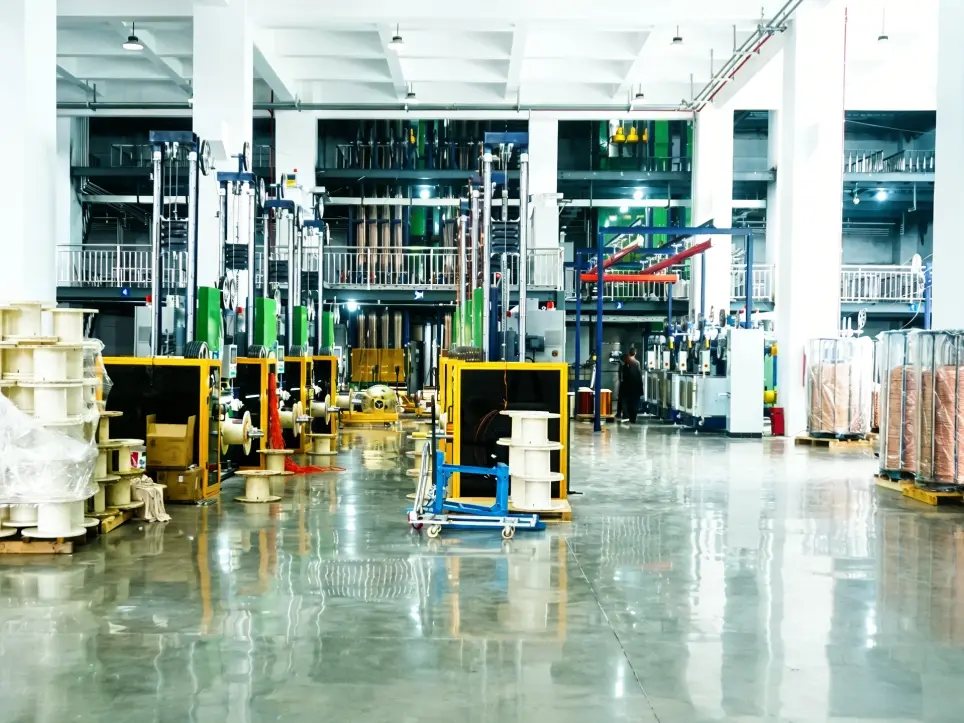
Copper-clad aluminum enameled wire serves as a viable alternative, providing solid electrical performance and weight reduction for light-duty consumer electronics.
Read Article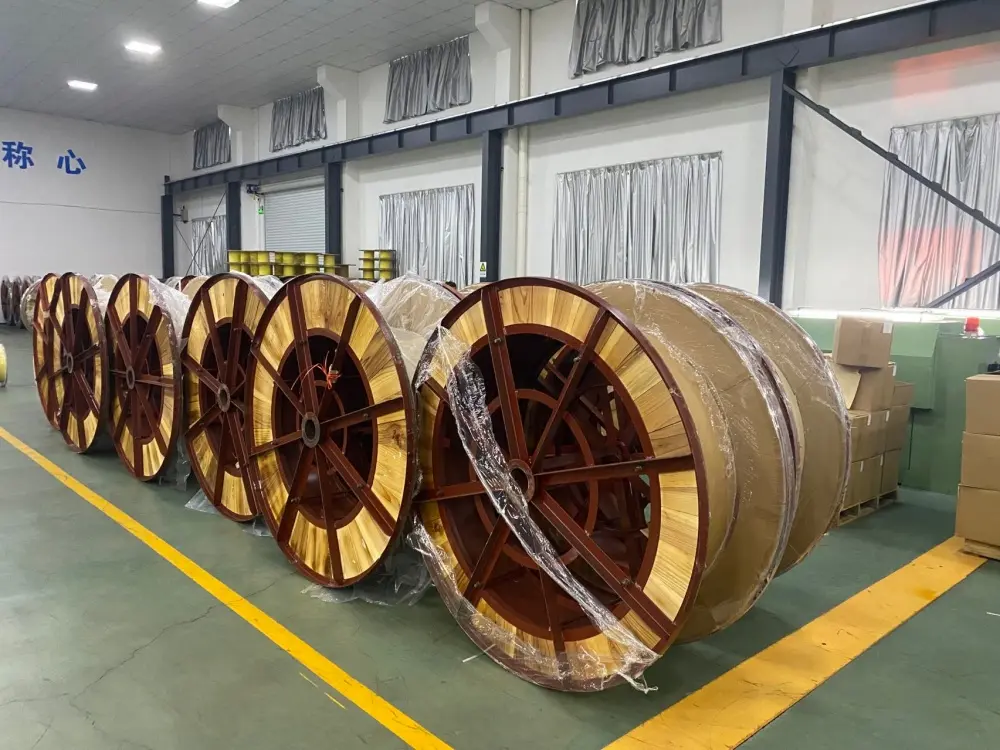
A custom batch of mesh-wrapped Continuously Transposed Conductors (CTC) has been shipped to Turkey to support regional power grid modernization projects.
Read ArticleSpecialty paper-insulated, flat rectangular, and high-temp enameled conductors for global distribution.