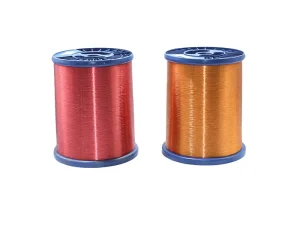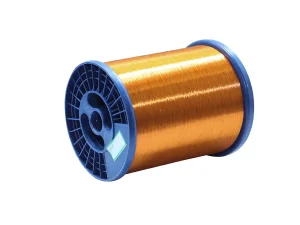
Explore our foundational range of high-performance enameled & paper-covered conductor wires manufactured to international engineering standards.
Suzhou Daiming Electrical Materials Co., Ltd., is a leading manufacturer of high-quality enameled wires: enameled aluminum wires, enameled copper wires, and enameled copper-clad aluminum wires. Situated on a sprawling 258,333.33 ft² site, our advanced production facility houses 30 state-of-the-art production lines. This robust infrastructure enables us to maintain a stable and high-volume output, ensuring consistent supply to meet global market demands. With strict quality control at every stage, from raw material inspection to final product testing, we uphold the highest industry standards, guaranteeing the durability and performance of our enameled wires.



Analyzing the macro-economic and engineering demands shaping modern industrial purchasing strategies for magnet wires and coated copper solutions.
In the modern industrial landscape, global manufacturing enterprises face a compounding set of challenges: volatile raw copper spot markets, aggressive decarbonization mandates, and the engineering necessity of high-power density magnet wire configurations. The demand for Coated Copper Cables and specialty enameled winding wires has moved beyond simple electrical conduction. Today, the commercial focus centers on system optimization, cost mitigation, and long-term operating reliability.
Key procurement sectors—spanning from North American automotive OEMs to European grid transformation authorities—require highly optimized material profiles. For instance, the rapid growth of the electric vehicle (EV) supply chain, specifically the transition to 800-volt drivetrains, has created a severe shortage of high-voltage magnet wire capable of resisting partial discharge degradation. Procurement executives are actively seeking manufacturers that can deliver Class 220 thermal-rated polyamide-imide over polyurethane-coated wires that minimize dielectric losses while maximizing space factor.
Critical Strategic Focus: Raw copper price fluctuations represent a major threat to stable operating margins. As a result, engineering groups are prioritizing hybrid material formulations, such as Copper Clad Aluminum (CCA) enameled wire, to capture significant weight and cost savings without sacrificing high-frequency performance.
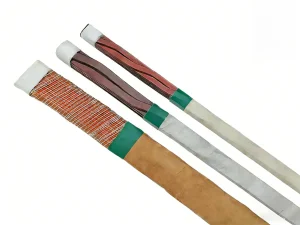
Furthermore, the ongoing global grid upgrade programs require massive volumes of specialized conductors. High-power, high-reliability transformer applications utilize Continuously Transposed Conductors (CTC) wrapped in specialized electrical insulation paper (such as Nomex or thermally upgraded Kraft paper). Through Daiming’s advanced production framework, global buyers access customized conductor arrangements that directly reduce eddy current losses in major transmission systems, securing both operational efficiency and long-term project ROI.
A granular look at the materials, insulation layers, and precise specifications defining Daiming's primary product divisions.
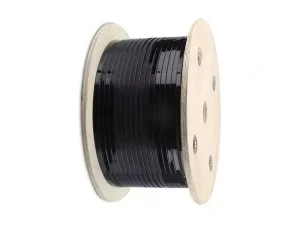
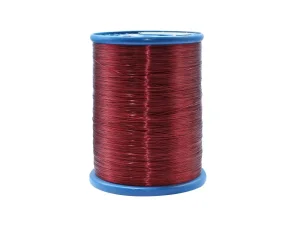
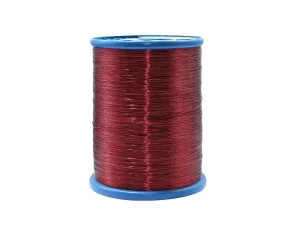
Leveraging advanced polymers to coat high-purity aluminum conductors. Available in round and flat geometries, these products offer an optimal weight reduction strategy for lightweight electric motors and power tools.
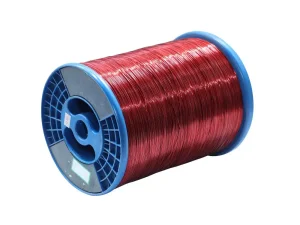
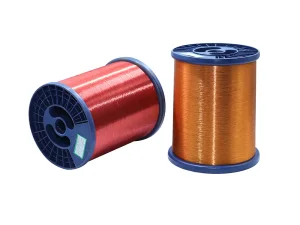
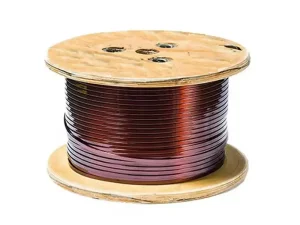
Constructed with oxygen-free copper (OFC) cores to achieve maximum electrical conductivity and low-resistance metrics. Suitable for the most demanding mechanical environments.
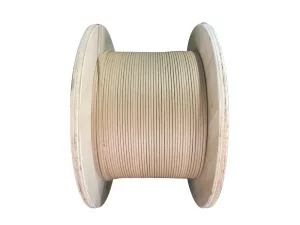
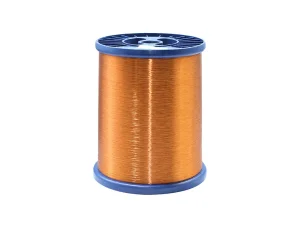
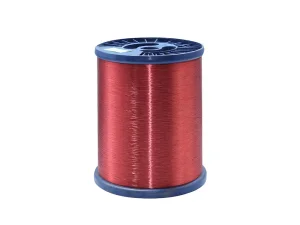
A state-of-the-art hybrid core combining the conductivity of a copper skin with the lightweight properties of an aluminum center.
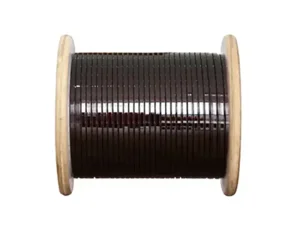
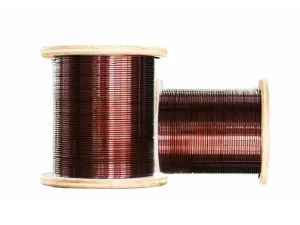
Engineered by transposing multiple individual enameled rectangular copper strips wrapped in high-dielectric paper insulation.
Unpacking engineering systems designed to meet localized energy demands, grid transformations, and high-frequency operational paradigms.
As localized power demands escalate, global power grid infrastructures require rapid modernization. Heavy electrical equipment, such as ultra-high-voltage (UHV) power transformers and industrial generator stations, relies directly on the thermal capacity and insulation integrity of its internal magnet wire windings. In high-power applications, conventional conductor topologies suffer from severe eddy current and proximity effects, leading to internal hot spots, breakdown of paper wraps, and catastrophic failures.
To resolve these performance bottlenecks, Suzhou Daiming Electrical Materials supplies customized Continuously Transposed Conductors (CTC). By shifting individual enameled rectangular wires within the overall assembly, CTC normalizes the electromagnetic field path throughout the conductor length. This system minimizes circulating currents, resulting in a cooler-operating transformer with enhanced emergency overload capacity.
EV Traction System Engineering: Modern 800V EV drivetrains demand magnet wires with extreme resistance to electrical stress. High dv/dt inverter pulses induce corona discharge, eroding standard wire insulation. Daiming is developing specialized polyimide-based magnet wires that withstand high thermal cycles and protect against voltage spikes.
Furthermore, industrial automation systems, including multi-axis servo motors and dynamic sensors, require highly customized, precision-matched wire diameters. These applications depend on the consistency of the enamel film thickness to prevent inter-turn short circuits. Our custom coating lines apply specialized polymer layers (such as polyamide-imide, polyurethane, and polyesterimide) at precise thickness levels (Grade 1, 2, or 3) to guarantee reliability under severe mechanical stress.
Our commitment to material precision, continuous testing, and scalable supply chains guarantees excellence for your production lines.

Each roll of enameled wire has undergone rigorous process and quality inspection to ensure stable, high-dielectric consistency.

The enameled wire we produce has a uniform and dense paint film, strong adhesion, scratch resistance, and good flexibility.

Not only products, but also professional support. From wire diameter specifications to custom thermal classes.

With strong production capacity and a complete supply chain system, we ensure the on-time delivery of major bulk orders.

Our enameled wires are used in core areas such as high-efficiency and energy-saving motors, driving sustainability.
Looking ahead at how nano-composite coatings, corona-resistant polymers, and raw material optimization will shape the next generation of electromagnetic wire designs.
The future of electromagnetic winding wire is closely linked to innovations in materials science. Standard magnet wires are reaching their thermal and dielectric limits in high-power applications, prompting research into advanced insulation chemistries. Suzhou Daiming’s R&D team is tracking several key technical trends that will define the next generation of wire designs.
First, the integration of inorganic nano-fillers into standard polyesterimide and polyamide-imide resins represents a major step forward. By dispersing silica or metal-oxide nanoparticles uniformly throughout the polymer matrix, we can increase resistance to partial discharge. This modification extends the operational lifespan of motor windings subjected to high-frequency voltage waveforms under high thermal stress.
Second, the mechanical demands of high-speed automated winding processes require lower friction coefficients on the outer coating layer. Our chemical engineers are incorporating self-lubricating additives into the outer enamel layer. This modification reduces the friction coefficient without compromising mechanical adhesion, allowing winding machinery to run at higher speeds while reducing surface damage.
Sustainability and LCA Metrics: Regulatory bodies like the European Chemicals Agency (ECHA) are tightening controls on solvent usage. Daiming’s development roadmap focuses on water-soluble enamel formulations and solvent-free extrusion techniques to minimize carbon footprints throughout the life cycle of the wire.
Finally, conductor design is moving toward custom profiles that optimize space factors. Flat (rectangular) wire formats are increasingly replacing round wires in high-power motor applications. Rectangular wires eliminate unused space in the stator slots, increasing the copper fill factor to over 70% and enhancing heat dissipation, which directly boosts motor efficiency and torque density.
At Suzhou Daiming, our quality control framework covers every step from raw copper feedstocks to finished spool inspections. We utilize real-time laser monitoring systems to verify enamel concentricity, alongside high-voltage inline spark testing to detect micro-faults instantly.
All enameled copper and aluminum lines are manufactured in compliance with international engineering frameworks, including IEC, NEMA, and JIS standards. Our laboratory performs regular tensile tests, heat-shock assays, and breakdown voltage measurements to ensure every production batch meets your operational requirements.
Our manufacturing facilities undergo regular audits to ensure compliance with the following international quality systems:
With strict quality control at every stage, from raw material inspection to final product testing, we uphold the highest industry standards, guaranteeing the durability and performance of our enameled wires.
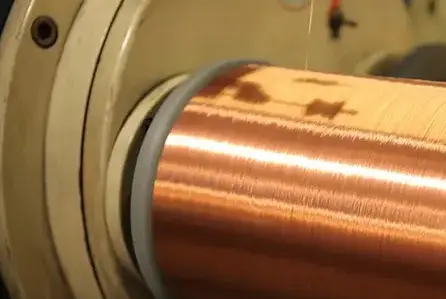
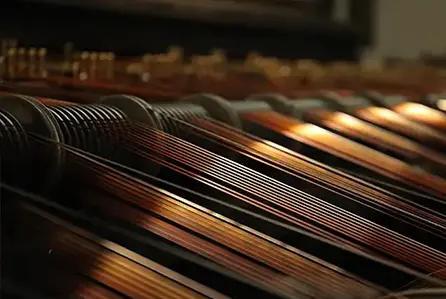
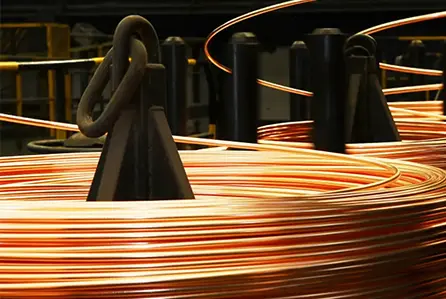
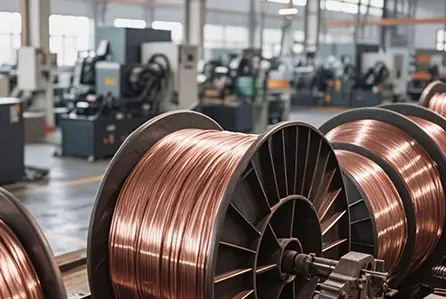
Provide customers with professional support throughout the entire process. Stay updated with the latest technological developments and shipment dispatches.
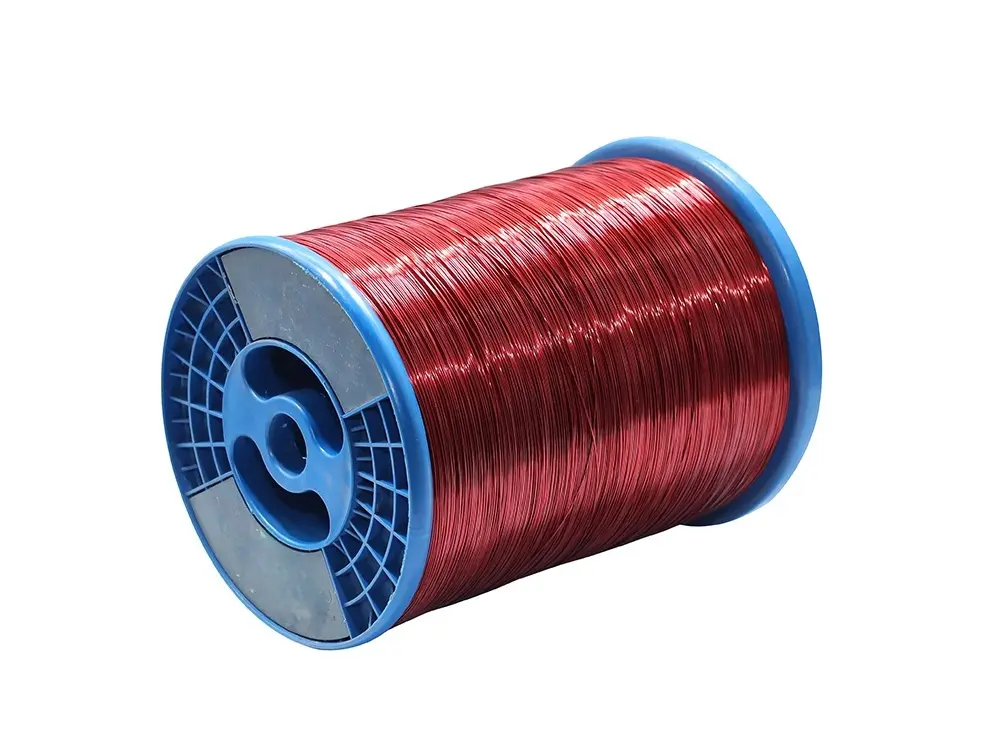
With the rapid development of new energy and high-end manufacturing in 2026, cost control and quality assurance have become key competitiveness for businesses.
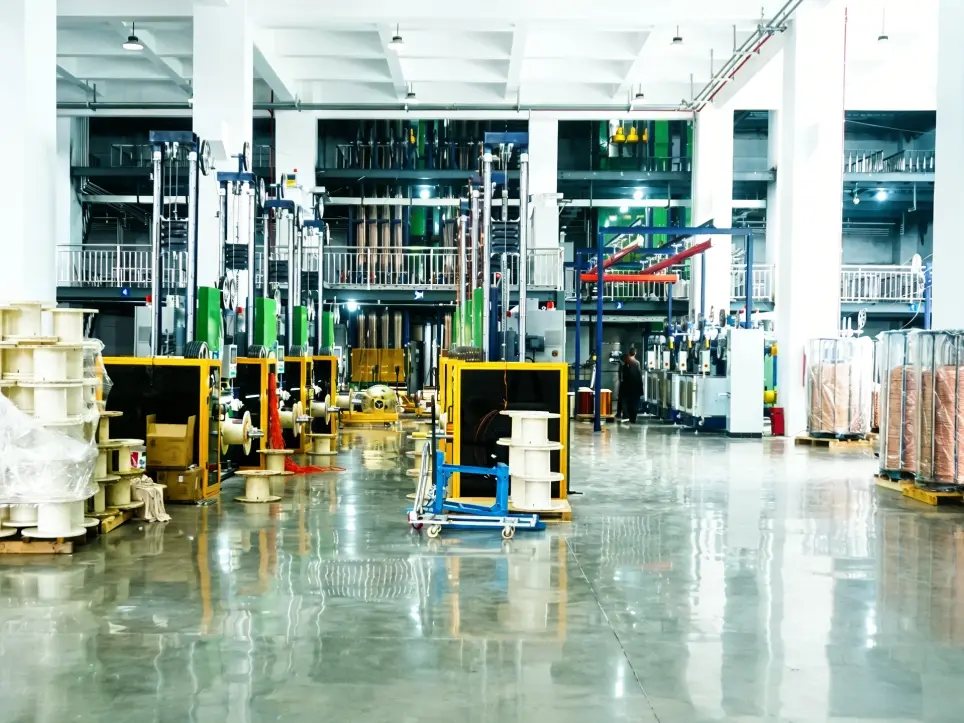
Faced with operational challenges caused by raw material price fluctuations, copper-clad aluminum enameled wire has emerged as the preferred choice for cost reduction.
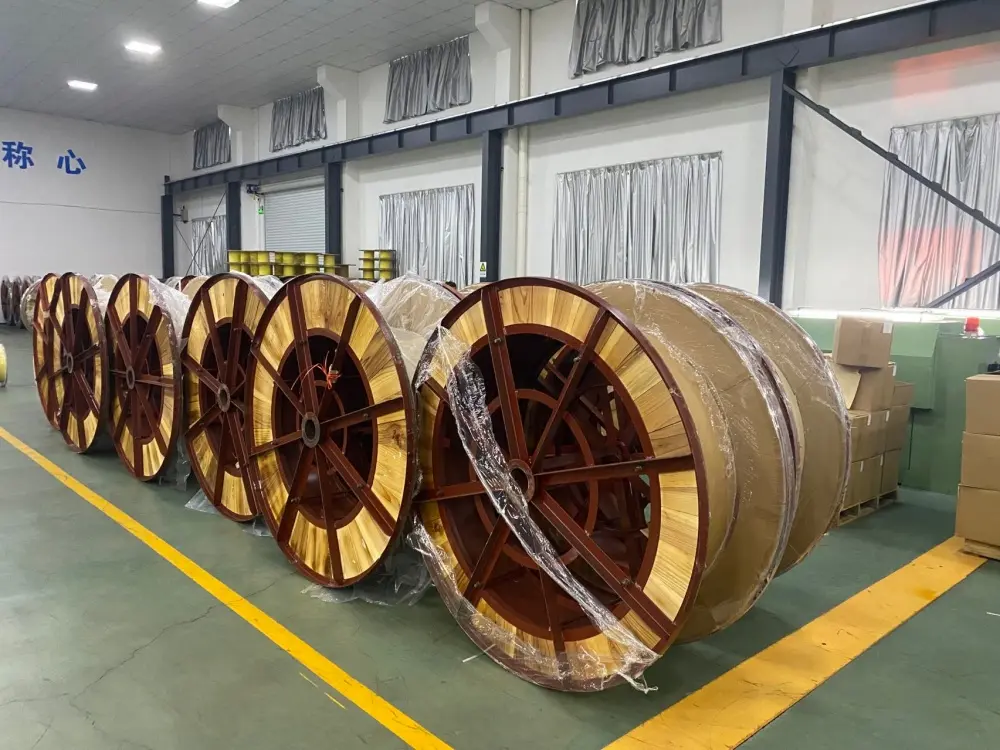
New Overseas Shipment News | High-quality CTC Continuous Transposed Conductors Exported to Turkey to support key regional infrastructure projects.
The global shift toward high-voltage systems in EVs and energy networks is driving rapid changes in enameled insulation standards and requirements.
Get professional answers to common questions about thermal ratings, insulation polymers, and application practices.
Explore our high-performance magnet wires and transposed conductors designed for demanding power distribution and motor winding applications.