Explore our high-temperature rated round, square, and transposed conductor solutions designed to meet stringent global electrical standards.
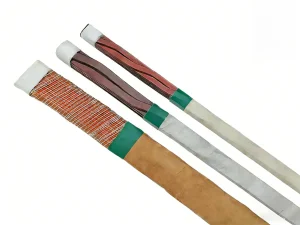
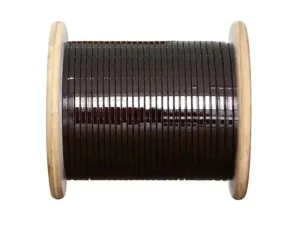
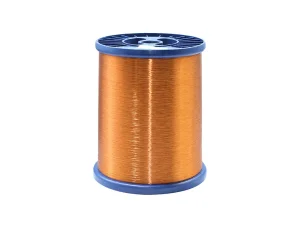
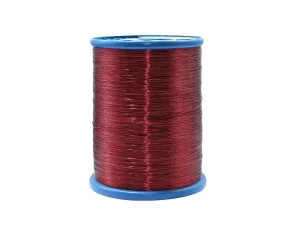
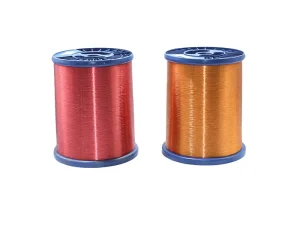
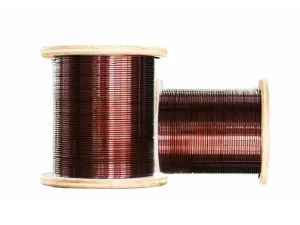
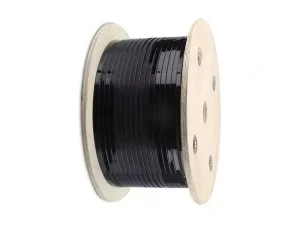
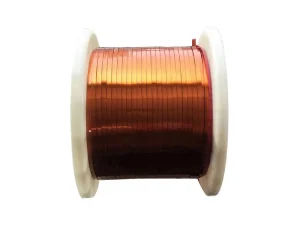
The transition toward high-power density electric propulsion, high-frequency industrial power distribution, and renewable grid infrastructures has redefined the demands placed on winding wire technology. Modern electrical engineering heavily favors Class 180 (Class H), Class 200 (Class K), and Class 220 (Class N) enameled aluminum and copper wires. Among these, the rectangular or square magnet wire geometry stands out for its capability to optimize magnetic core windows.
Unlike conventional round wires, square and rectangular enameled conductors minimize the void space within stator slots or transformer core windows. By eliminating the structural gaps inherent in the packing limits of circular shapes, square wires increase the slot fill factor from approximately 50-60% to over 80-85%. This massive increase in active conductor cross-sectional area directly translates to:
Operational environments determine the choice of thermal insulation classes. Wires must endure continuous thermal stress under cyclic loads without dielectric degradation or mechanical cracking of the enameled insulation layer:
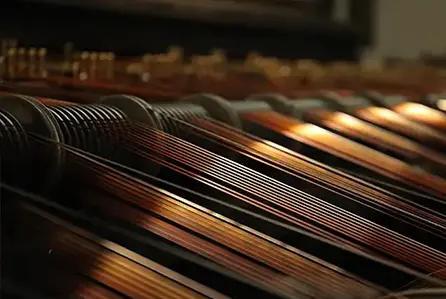
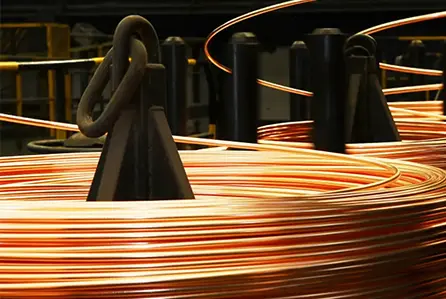
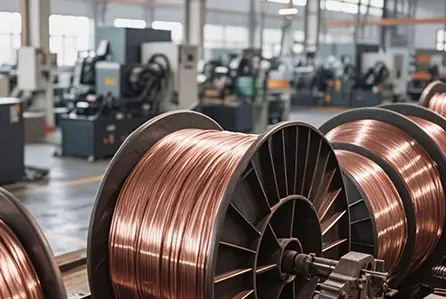
Operating from a state-of-the-art facility spanning 258,333.33 ft², Suzhou Daiming Electrical Materials Co., Ltd. integrates advanced metallurgy with precision polymer chemistry. Supported by 30+ high-capacity automated production lines, we control every variable of the manufacturing cycle—from wire drawing and online annealing to multi-pass enamel coating and catalytic thermal curing.
Our infrastructure maintains high-volume production continuity to satisfy strict global demands. Using inline laser measurement systems and high-precision testing chambers, we check every batch for insulation consistency, elongation tolerance, and breakdown voltage. This rigor guarantees that our enameled aluminum, copper, and copper-clad aluminum wires perform reliably under the most challenging industrial conditions.
 30+
Advanced production lines
30+
Advanced production lines
 258k ft²
Sprawling production site
258k ft²
Sprawling production site
 10+
Cooperating countries
10+
Cooperating countries

Our commitment to material science ensures that Daiming enameled wire delivers superior electrical, thermal, and mechanical performance.

Each spool of enameled wire undergoes inline eddy-current testing and automated laser calibration, ensuring consistent paint film thickness and structural stability.

Our insulation film is formulated to resist cracking, scraping, and high thermal stress during automatic high-speed coil winding.

We tailor cross-sectional dimensions, corner radii (for rectangular/square geometries), and insulation thicknesses to match your exact stator slot dimensions.

Supported by a comprehensive supply chain and vertical production capabilities, we guarantee on-time container shipments to international assembly hubs.

Designed to support high-efficiency, energy-saving electric drive motors, helping lower carbon footprints in EV drivetrains and renewable energy networks.
Our team has over 10 years of experience to help you choose the best thermal index, alloy grade, and insulation film configuration.
From micro-electronics to massive power generation networks, our magnet wires deliver reliability in crucial systems.
Choosing the correct enamel coating involves balancing thermal longevity, dielectric strength, and chemical resistance. In high-power applications, magnet wires must withstand mechanical stresses during winding as well as chemical exposure to cooling oils, refrigerants, and moisture.
| Thermal Class | Standard Resins & Composition | Maximum Short-Term Temp | Primary Application Benefits | Typical Target Devices |
|---|---|---|---|---|
| Class 180 (Class H) | Polyesterimide (PEI) basecoat | 300°C - 320°C | Balanced flexibility, excellent adhesion, high dielectrical index | Dry-type distribution transformers, general industrial motors |
| Class 200 (Class K) | PEI basecoat + Polyamide-imide (PAI) overcoat | 360°C - 380°C | High scrape resistance, chemical resistance, anti-cracking under stress | Industrial fans, heavy-duty alternators, compressor motors |
| Class 220 (Class N) | Polyamide-imide (PAI) or Polyimide (PI) basecoat + overcoats | 400°C - 420°C | Maximum corona discharge resistance, compatible with synthetic oils | EV traction motors (800V architecture), wind generator stators |
Enameled aluminum wire is increasingly selected over traditional copper for key commercial reasons:
Answers to common technical, manufacturing, and quality questions from global procurement and design engineers.
Square wire increases the slot fill factor in motors and transformers from 60% to over 80%. This design maximizes the conductor's cross-sectional area, reducing thermal resistance and improving heat dissipation while allowing for more compact devices.
Class 220 wire is coated with advanced polyimide (PI) or modified polyamide-imide (PAI) resins. These materials resist thermoplastic flow up to 400°C and maintain mechanical flexibility under repeated heating and cooling, which prevents dielectric cracking.
Yes, our square and round enameled wires are manufactured to meet or exceed IEC 60317, NEMA MW 1000, and GB/T standards, ensuring compatibility with international performance specifications.
Yes. We offer Grade 1 (single coat), Grade 2 (heavy coat), and Grade 3 (triple coat) options to align with your design's breakdown voltage and mechanical winding stresses.
For standard specifications, shipment occurs within 15–20 days. Custom dimensions or special insulation grades typically require 25–30 days, including complete metallurgical and insulation testing.
We use multi-pass dying and heating ovens along with online elongation tests. Samples are regularly subjected to peel tests, split-twist tests, and thermal shock tests to verify coating adhesion.
Stay updated with our latest shipments, product developments, and technical milestones in the global magnet wire sector.
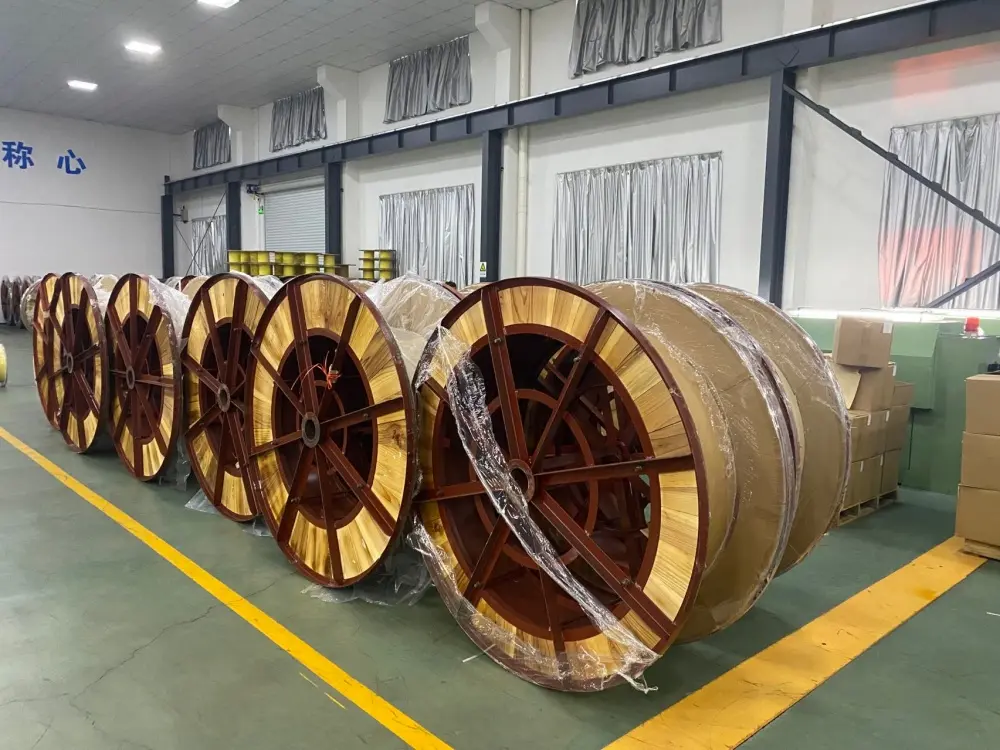
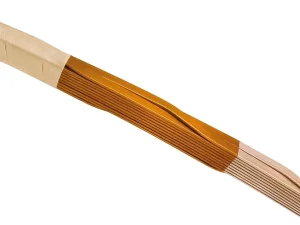
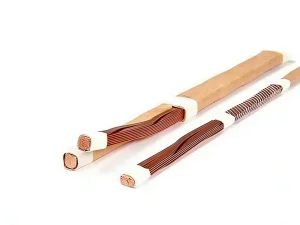
Suzhou Daiming has successfully completed a major shipment of high-quality Continuously Transposed Conductors (CTC) to Turkey, helping support regional grid updates and transformer installations.
Read More →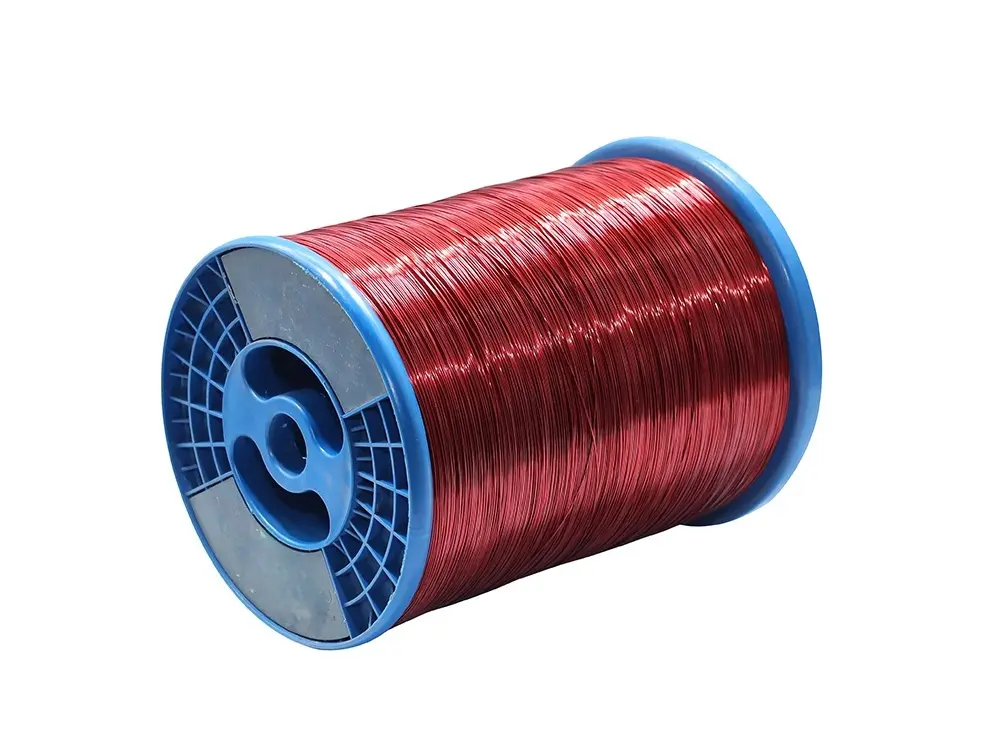
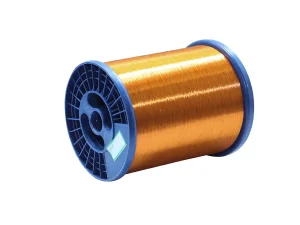
With industrial raw material prices fluctuating, enameled aluminum wire has emerged as a reliable and cost-effective alternative to copper for many applications.
Read More →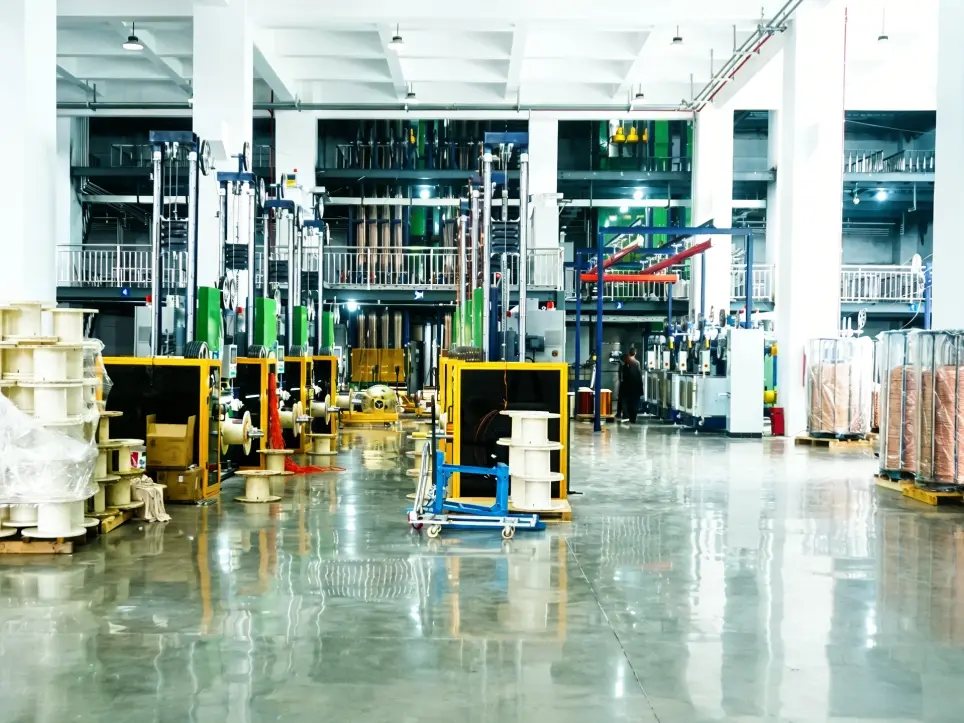
Faced with operational challenges caused by raw material price fluctuations, copper-clad aluminum wire continues to grow in popularity for lightweight, cost-effective winding designs.
Read More →Browse our selection of transposed, copper, and specialized composite conductor lines for modern electrical designs.