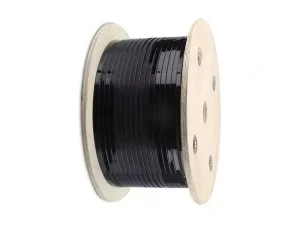
High-performance wire options engineered to resist extreme thermal stress, mechanical fatigue, and dielectric breakdown.
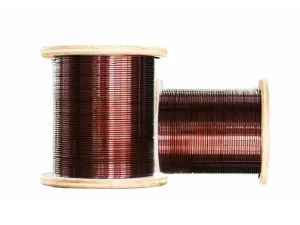
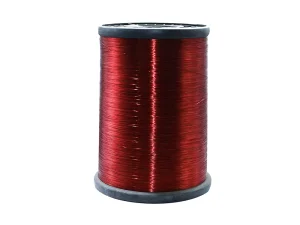
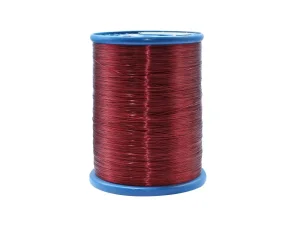
A B2B Engineering Reference Guide on Galvanic Protection, Corona Resistance, and Winding Stability
In modern high-efficiency electrical equipment design, the transition from copper to aluminum has emerged as a key strategy for weight reduction, cost efficiency, and resource sustainability. However, substituting aluminum wire for copper presents significant chemical and mechanical challenges. The natural oxide layer (Al₂O₃) that forms on aluminum prevents reliable electrical contact. In addition, when aluminum connects to copper or steel terminals, the difference in galvanic potential creates a severe risk of galvanic corrosion under humid conditions. The development of advanced aluminum wire connection coatings solves these issues by offering insulation, physical protection, and long-term electrical reliability.
As a leading Chinese manufacturer, our facility works at the intersection of metallurgy and polymer science. We apply advanced chemical coatings—such as Polyurethane (UEW), Polyesterimide (EIW), and Polyamide-imide (AIW)—to stabilize aluminum wire cores against environmental breakdown. These coatings act as an oxygen barrier, preventing oxide formation during storage and assembly while providing high dielectric strength (tested up to several kilovolts) in space-constrained motor stators.
For high-voltage drive motors in electric vehicles, our dual-coat systems—which combine a polyesterimide base coat with a polyamide-imide overcoat—prevent corona discharges and resist partial degradation. This hybrid insulation system maintains its integrity during high-frequency pulse-width modulation (PWM) switching, ensuring performance even at temperatures above 220°C. By selecting the correct polymer chemistry and wire profile, electrical engineers can match their specific thermal, mechanical, and chemical requirements with precision.
Seals the pure aluminum core beneath a dense polymer film to block ambient oxygen and moisture, preventing high-resistance oxide layers at termination points.
Prevents direct electrochemical reactions between aluminum conductors and copper terminals, resolving the galvanic potential gap that leads to joint failure.
Delivers continuous thermal performance from Class H (180°C) up to Class HC (220°C), preventing thermal cracking and dielectric breakdown under heavy overloads.
Serving as a core partner for global B2B supply chains through advanced capacity and strict quality control.


Engineering reliability into every spool through advanced material testing and manufacturing precision.
Every spool undergoes rigorous quality testing to ensure uniform thickness, high flexibility, and zero micro-cracking during fast winding operations.
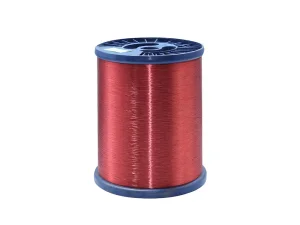
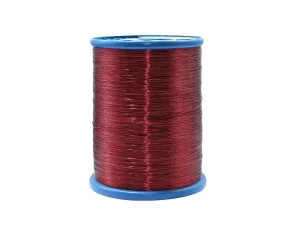
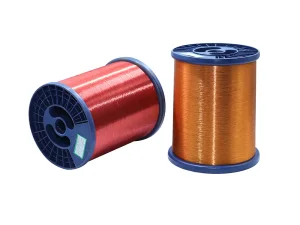
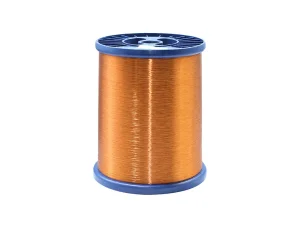
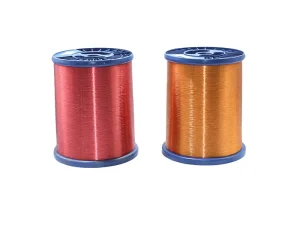
Our enameled wires feature a dense, highly adhesive paint film that provides scratch resistance, flex endurance, and reliable thermal protection.
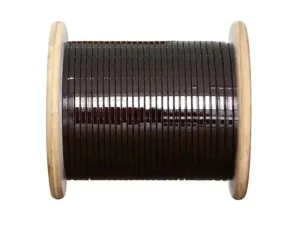
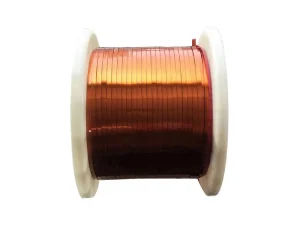
We supply precise wire configurations tailored to your space requirements, including round profiles down to fine gauges and flat rectangular layouts.
Our integrated logistics network and high production capacity ensure consistent delivery schedules, supporting your manufacturing timeline.
Designed for high-efficiency and energy-saving applications, our enameled wires help reduce material weight and lower carbon emissions.
Our coated wire products deliver reliable insulation and mechanical performance across key sectors.
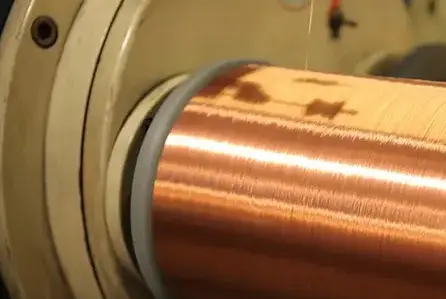
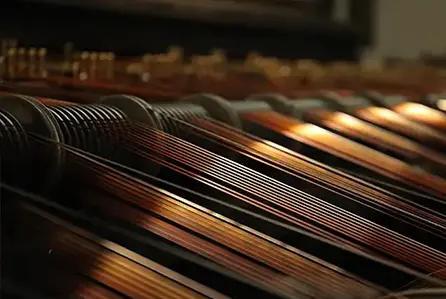
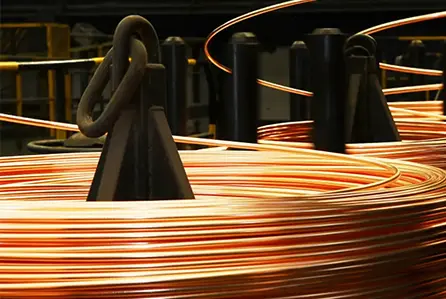
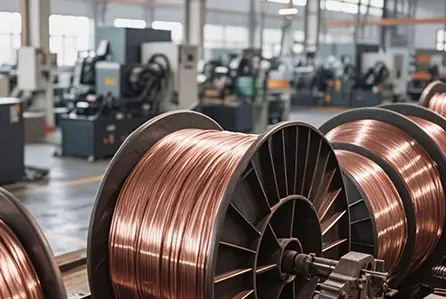
Key technical evaluations for converting copper windings to coated aluminum configurations.
When replacing copper with aluminum in electromagnetic coils, engineers must calculate the adjustments required for electrical resistance and coil volume. Aluminum has approximately 61% of the conductivity of copper. To maintain the same resistance, the cross-sectional area of the aluminum wire must be increased by a factor of 1.6. Although this increases the total volume of the winding, the lower density of aluminum yields a weight reduction of up to 50% for the equivalent coil length.
For application designs with fixed space envelopes, flat rectangular wire and Continuously Transposed Conductors (CTC) help maximize the slot fill factor. Enameled flat aluminum wire features rounded edges to prevent mechanical stress concentration during high-tension winding, protecting the thin insulating layer. Specialized connection coatings and termination techniques—such as laser welding, mechanical crimping with copper-to-aluminum transition sleeves, and ultrasonic welding—bypass the oxide layer to establish reliable electrical contact.
Our manufacturing facility applies these polymer insulation layers with high concentricity. Concentricity, defined as the ratio of minimum-to-maximum insulation thickness, is critical for preventing weak points where electrical breakdown can occur under voltage surges. With our online monitoring systems, we maintain concentricity tolerances within strict limits, preventing dielectric failure in high-voltage industrial applications.
Technical answers to key engineering and procurement questions regarding aluminum wire connection coatings.
Connection coatings act as a physical barrier that isolates the aluminum core from moisture and oxygen at the contact point. This blocks the electrolyte path required for galvanic corrosion, stabilizing the electrical junction even when exposed to fluctuating humidity.
These classes denote the maximum continuous working temperature (in Celsius) at which the wire's insulation coating can operate for a standard 20,000-hour service life without cracking, peeling, or losing its dielectric properties.
Polyurethane (UEW) coated wires offer self-soldering properties, where the enamel layer thermal-degrades at high temperatures to allow direct soldering. For high-temperature coatings like Polyesterimide (EIW) or Polyamide-imide (AIW), mechanical stripping or specialized chemical flux is required to remove the coating before soldering.
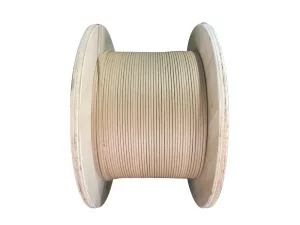
CTC consists of multiple insulated rectangular strands arranged in a transposed pattern. This layout minimizes eddy current losses caused by magnetic flux leakage, optimizing efficiency in high-power distribution transformers.
We use inline laser tracking and high-resolution camera detection on our production lines. This allows us to monitor wire centering in real-time, maintaining high concentricity and preventing dielectric weak spots.
Our manufacturing processes conform to international standards, including ISO 9001, RoHS, REACH, and UL certifications, meeting B2B compliance requirements for international distribution.
Updates on global shipments, industrial trends, and advancements in electromagnetic materials.
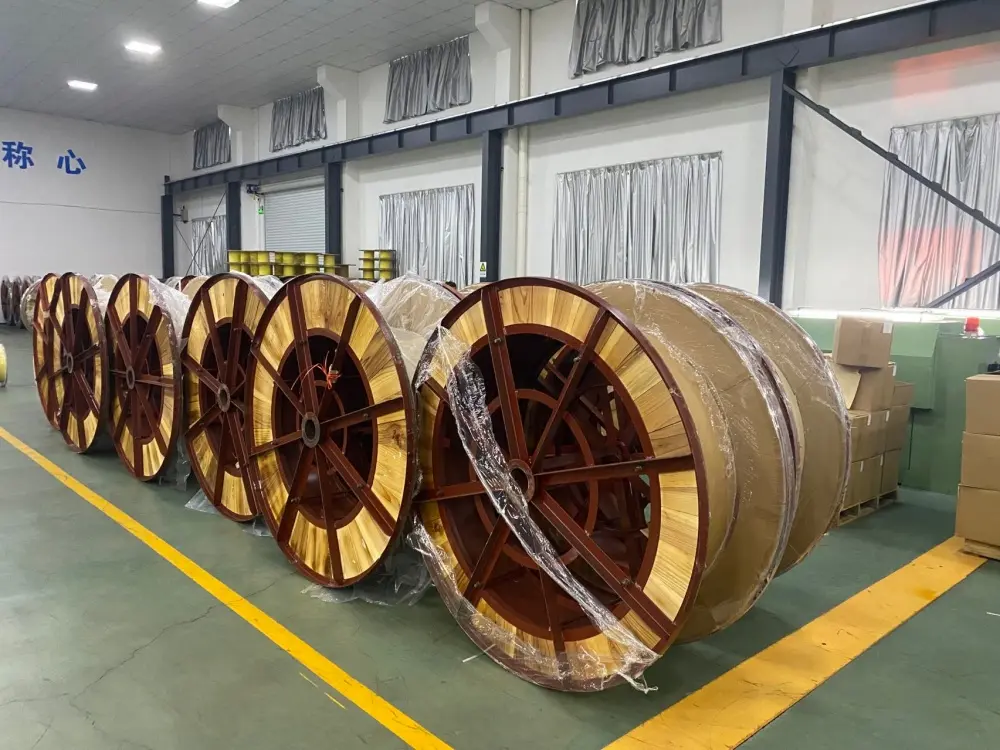
Our latest shipment of Continuous Transposed Conductors (CTC) has departed for Turkey, supporting grid modernizations and high-capacity transformer designs across Europe and Asia.
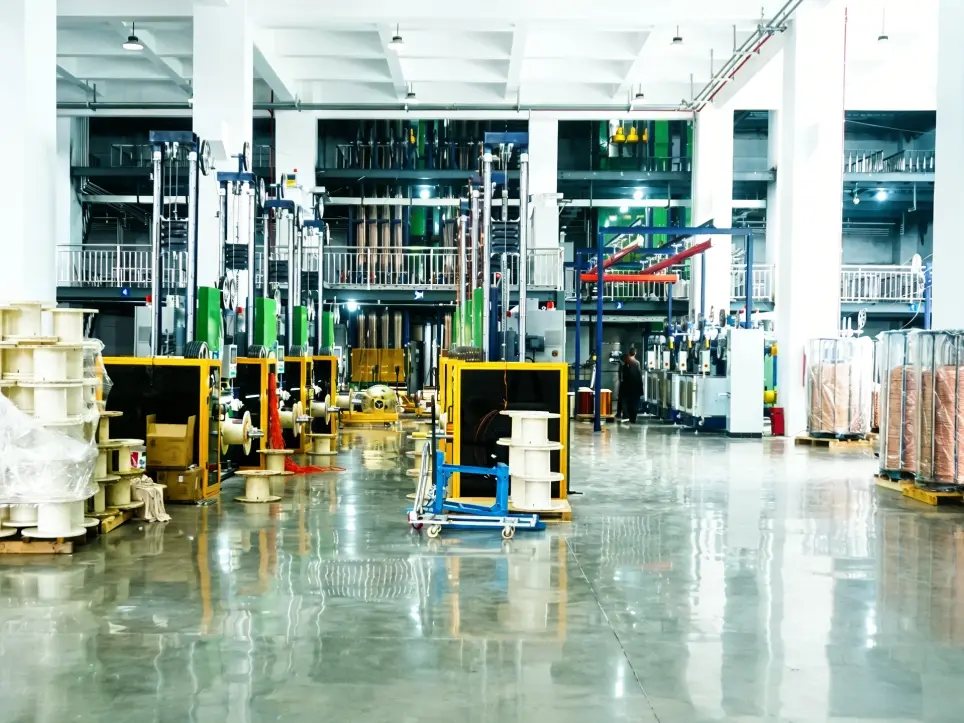
Fluctuating copper prices have led manufacturers to adopt Copper-Clad Aluminum (CCA) enameled wire, which combines the surface conductivity of copper with the light weight of aluminum.
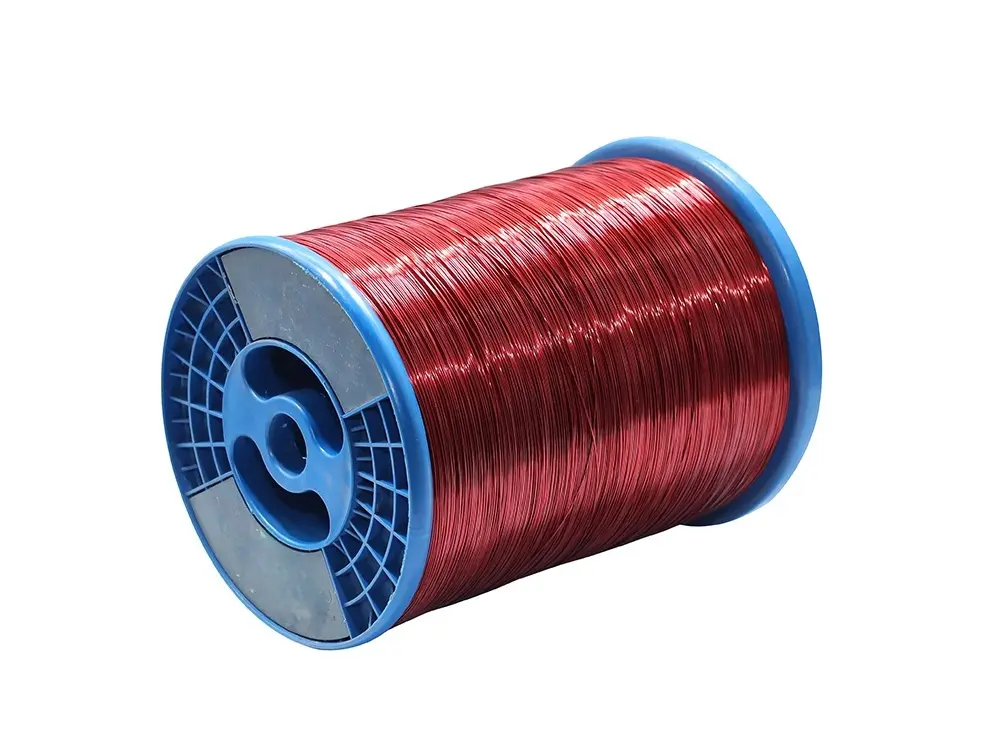
As electric vehicle and renewable energy industries grow in 2026, enameled aluminum wire has become a key design choice for balancing performance and production costs.
Select from our certified range of enameled aluminum, enameled copper, and specialized multi-conductor designs.