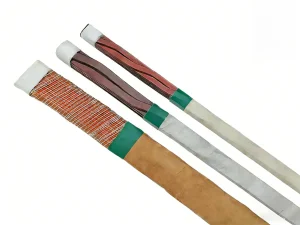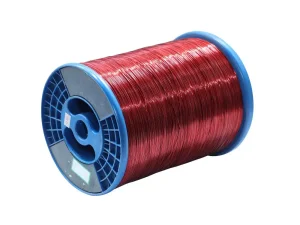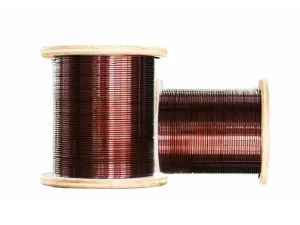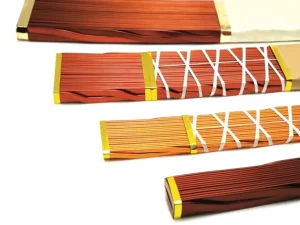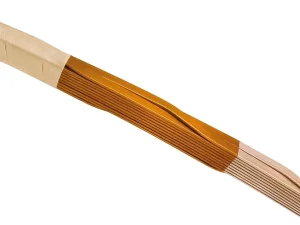
Explore our leading selection of high-grade enameled flat copper, flat aluminum, and continuously transposed conductors (CTC).
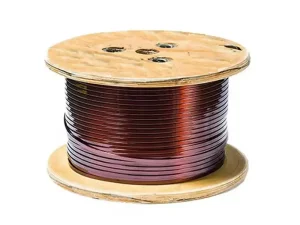
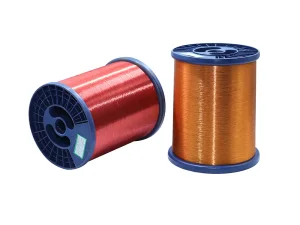
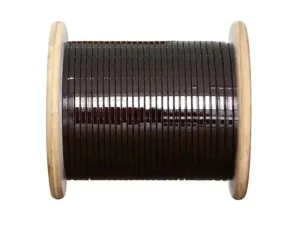
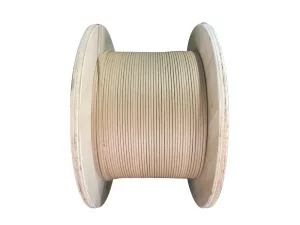
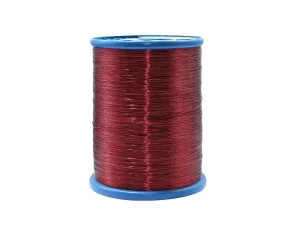
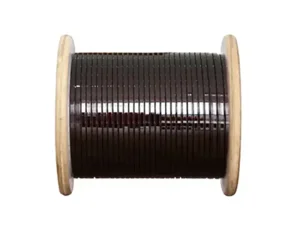
The global electrical manufacturing landscape is undergoing a massive structural shift. Driven by rigorous energy-efficiency regulations and intense global competition for critical raw materials, engineering sectors are re-evaluating the core metals used in electromagnetic induction systems. As a dominant force in this evolution, high-quality enameled aluminum wire and its composites have transitioned from simple cost-saving alternatives to key components in advanced power grids, automotive electronics, and heavy-duty transformers.
Historically, copper was preferred for winding due to its high electrical conductivity. However, recent developments in polymer chemistry, coupled with high copper prices, have accelerated the adoption of aluminum magnet wire. Specialized polymer coatings now prevent raw aluminum from oxidizing during processing, protecting it from moisture and corrosive environments. Leading manufacturers rely on professional Chinese suppliers who offer high-precision, thin-film polymer coatings that match the electrical requirements of copper windings while cutting component weight by up to 50%.
In addition, global decarbonization initiatives require lighter, more efficient components. In automotive propulsion systems and aerospace actuators, reducing mass translates directly to extended range and higher energy efficiency. By utilizing advanced thermal coatings, enameled aluminum wire now delivers reliable performance even under high thermal stress, proving to be an essential material for the modern electrical engineering industry.
We use customized, multi-layer coatings containing Polyesterimide (PEW), Polyurethane (UEW), and Polyamide-imide (AIW) to prevent breakdown at temperatures up to 220°C.
Aluminum wire designs reduce structural weight by 50% compared to equivalent copper configurations, lowering shipping costs and reducing the stress on support hardware.
Our specialized coatings isolate the raw aluminum core, preventing galvanic corrosion in damp or chemical-heavy industrial environments.
A leading global manufacturer specializing in enameled aluminum, copper, and copper-clad aluminum magnet wires.
Operating from a modern 258,333.33 ft² facility equipped with 30 state-of-the-art production lines, we provide consistent supply and custom wire sizes for industrial manufacturers worldwide. Our tenured engineering team brings over ten years of industry expertise to ensure compliance with strict international quality standards.
Modern electrical engineering relies on precise insulation coatings. For coated aluminum magnet wire, the application process requires high accuracy to ensure thickness uniformity, mechanical flexibility, and dielectric strength. Standard coatings use liquid polymers applied in multiple thin layers, with each layer cured in high-temperature vertical or horizontal ovens to build a reliable insulation barrier.
Polyester and Polyurethane coatings are widely used for general-purpose applications. Class 130 and Class 155 enameled wires use these polymers because they offer excellent solderability and dielectric properties at a lower cost. Polyurethane-coated wires are particularly useful in electronics, as they can be soldered directly without stripping the enamel film first.
For high-temperature applications, engineers rely on EIW (Polyesterimide) and AIW (Polyamide-imide). These resins are used for Class 180, 200, and 220 enameled flat aluminum wires. The chemical structure of polyamide-imide provides excellent protection against thermal overload, mechanical abrasion, and chemical solvents, making it ideal for automotive traction motors and heavy-duty industrial machinery.
| Thermal Class | Base Polymer System | Common Applications | Key Properties |
|---|---|---|---|
| Class 130 / 155 | Polyurethane (UEW) / Polyester (PEW) | Home appliances, small transformers, relays | Direct solderability, good chemical resistance |
| Class 180 | Polyesterimide (EIW) | Industrial motors, power tools, automotive sensors | High thermal stability, balanced mechanical strength |
| Class 200 | Polyesterimide + Polyamide-imide (EI/AIW) | High-voltage generators, electric vehicle motors | High scratch resistance, excellent dielectric breakdown |
| Class 220 | Polyimide (AIW) / Polyamide-imide base | Aerospace, heavy industrial transformers, wind power | Exceptional resistance to chemical solvents and heat |
Our products undergo strict testing at every stage to ensure they meet tough industrial demands.
Every roll undergoes rigorous process inspection to ensure consistent enamel thickness and a defect-free surface, providing reliable insulation protection.
Designed with uniform and dense paint films, our wire offers strong adhesion, high scratch resistance, and excellent mechanical flexibility during winding.
We customize wire diameters and coating thicknesses to fit specific slot fill factors, ensuring optimal electromagnetic performance.
Designed to support high-efficiency motors, grid infrastructure, and renewable energy conversion, helping industries transition to sustainable energy.
Coated aluminum and copper-clad aluminum wires are critical components across a wide range of modern electrical industries.
Widely used in distribution transformers, motor windings, and generator coils, where reducing component weight and ensuring thermal stability are key design goals.
Used in consumer electronics, compressor motors, washing machines, and microwave ovens to help manage weight and production costs.
Selected for high-speed automated equipment, solenoid valves, sensors, and actuators that require fast movement and low mechanical inertia.
Used in wind turbine generators, solar power inverters, and heavy-duty grid systems, providing reliable energy transfer in challenging environments.
The electrical industry is rapidly adopting higher voltages. In the electric vehicle sector, migrating from 400V to 800V architectures speeds up charging times and improves vehicle efficiency. However, these higher voltages place greater electrical stress on the winding insulation. To prevent premature failures, wire manufacturers have developed corona-resistant and partial-discharge-resistant polymer coatings.
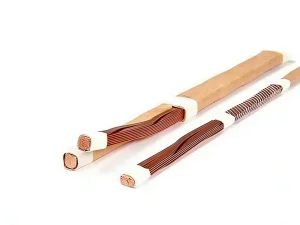
For high-power distribution systems and large power transformers, Continuously Transposed Conductors (CTC) are widely used to minimize electrical losses. CTC systems bundle multiple individually insulated rectangular wires into a transposed configuration, significantly reducing eddy current losses and improving cooling. Combining enameled flat conductors with paper insulation or self-adhesive epoxy coatings ensures high mechanical strength and reliability under short-circuit conditions.
Technical answers on enameled wire, polymer coatings, standards, and material properties.
Latest updates on magnet wire technologies, global supply chain trends, and industry developments.
Exploring how advancements in polymer chemistry and automated manufacturing are making aluminum magnet wire a preferred choice for cost-effective motor winding designs.
Analyzing the performance and cost benefits of Copper-Clad Aluminum (CCA) enameled wire as an alternative material during periods of high copper prices.
Detailing our export shipments of high-performance Continuously Transposed Conductors (CTC) to support infrastructure upgrades and grid modernization projects.
Browse our range of high-performance insulated wires, including flat aluminum profiles and paper-covered conductors.