
Alambre De Aluminio (Aluminum Wire) in Global Electrification: A Strategic Whitepaper
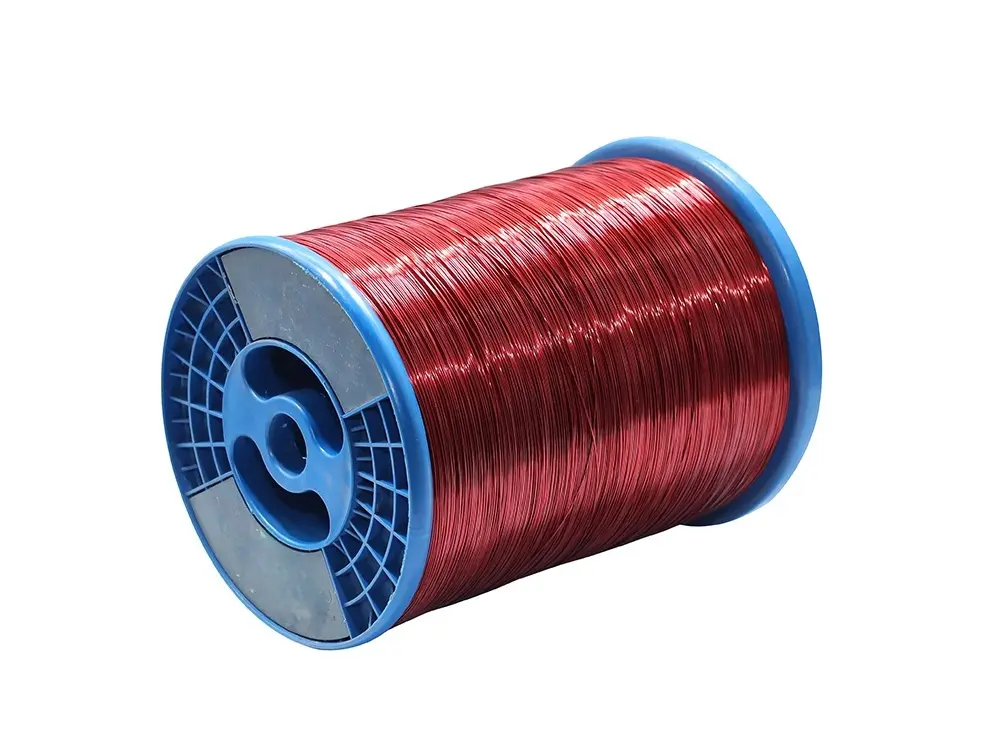
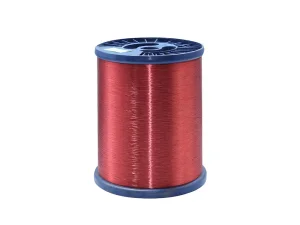
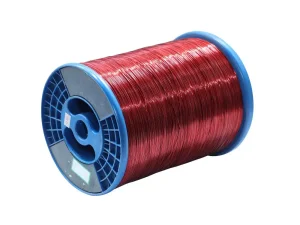
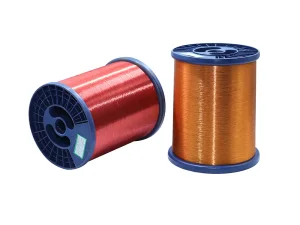
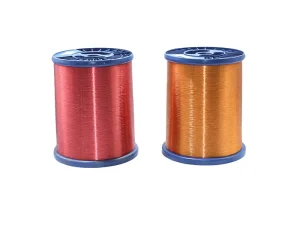
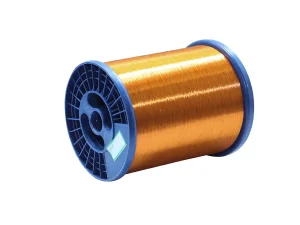
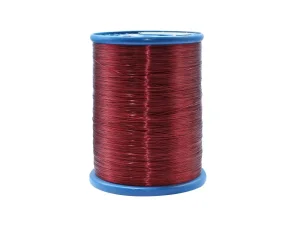
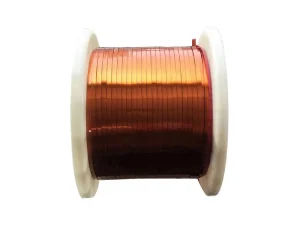
The global copper shortage, coupled with volatile pricing models on the London Metal Exchange (LME), has driven high-value manufacturing segments toward metallurgical substitution. Enameled Aluminum Wire (referred to in Latin America and European regions as Alambre de Aluminio Esmaltado) is no longer viewed merely as a cheap alternative to copper. It is recognized as a strategic structural asset.
"With copper density sitting at approximately 8.89 g/cm³ and aluminum at only 2.70 g/cm³, replacing copper with enameled aluminum wire achieves a weight reduction of up to 50% in equivalent coil architectures, transforming automotive and aerospace design paradigms."
1. Global Commercial and Industrial Status
Aluminum wire applications have seen massive growth worldwide. Industrial manufacturers across North America, the European Union, and rapidly advancing economies in South America have established modern machinery guidelines favoring aluminum conductors. The lower density not only reduces mechanical wear on structural assemblies but also optimizes shipping costs for heavy-duty electric machines.
However, running aluminum in high-stress electrical environments requires superior enamel insulation. Enameled aluminum wire must withstand continuous vibration, thermal degradation, and ambient chemical vapors. That is where high-grade chemical coatings such as Polyesterimide (EIW) and Polyamide-imide (AIW) show their capability—extending the lifespan of motors to match or exceed historical copper designs.
2. Why Chinese Factories Excel in Quality-to-Cost Performance
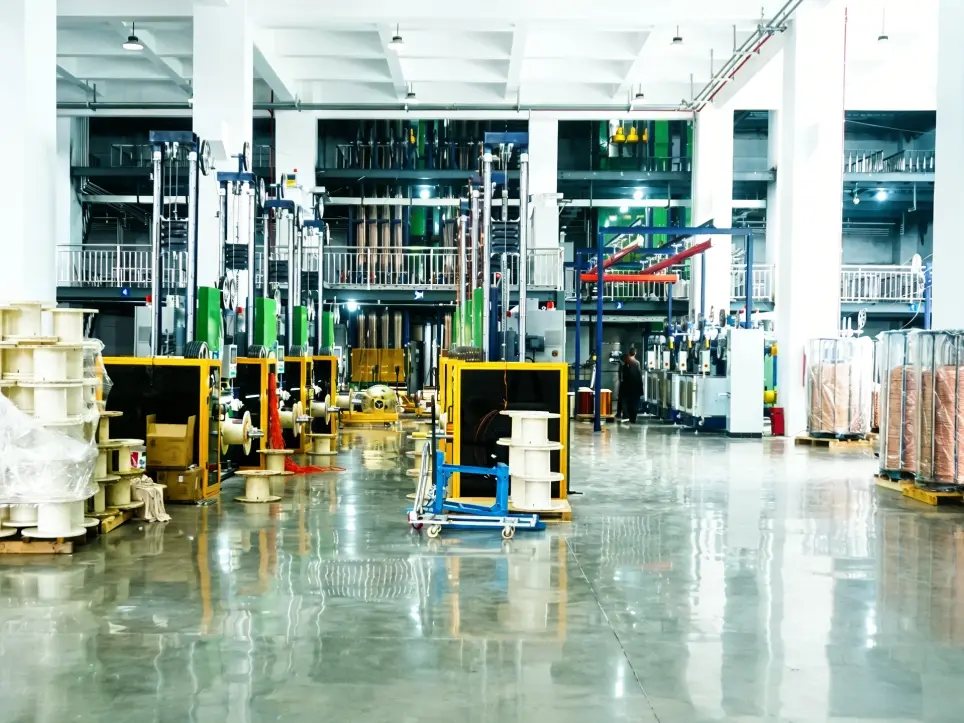
China is home to the world's most integrated electrical steel and conductor supply chains. Enameled wire manufacturing requires tight, synchronized controls over raw material processing, precision wire drawing, heat annealing, and multi-pass chemical coating processes. At Suzhou Daiming, this level of control is demonstrated through:
- Integrated Rod Drawing: Continuous extrusion and inline drawing machines avoid surface defects like oxide spots or metal slivers, ensuring a smooth, round wire structure.
- Multi-Zone Vertical Annealing: Eliminates internal stress, providing maximum flexibility and consistent tensile properties. This prevents wire breakage during high-speed automated winding processes.
- Closed-loop Die Coating Control: Laser measuring systems monitor wire thickness and eccentricity in real-time, preventing micro-voids in the polymer enamel coating.
3. Localized Applications & Conductor Engineering
Conductors must be chosen carefully to match the electrical and mechanical requirements of the application:
- Enameled Aluminum Wire: Ideal for lightweight motors, industrial generators, and dry-type distribution transformers. It offers excellent thermal stability and chemical resistance at a lower weight.
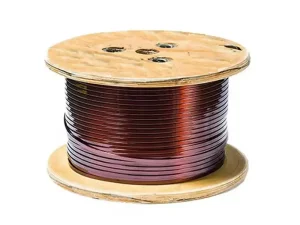
- Enameled Copper Wire: Remains the standard for tight installation spaces that require maximum conductivity per square millimeter.
- Copper-Clad Aluminum (CCA): A smart compromise for high-frequency electronics. CCA uses the skin effect, providing a highly conductive outer copper path with a lightweight aluminum core.
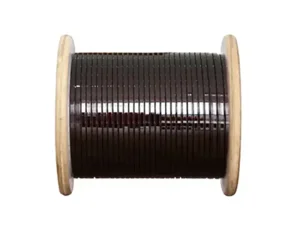
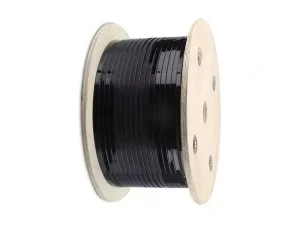
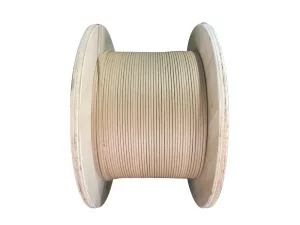
- Continuously Transposed Conductors (CTC): Critical for high-voltage power grids. CTC reduces eddy-current losses in large power transformers, keeping grid distribution systems highly efficient.