The Physics and Engineering Behind 42 AWG Enameled Wire
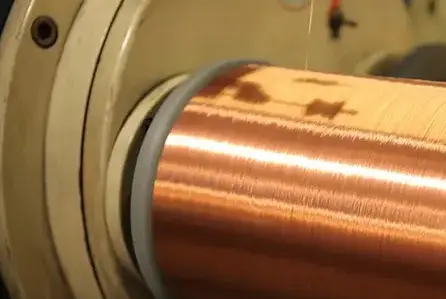
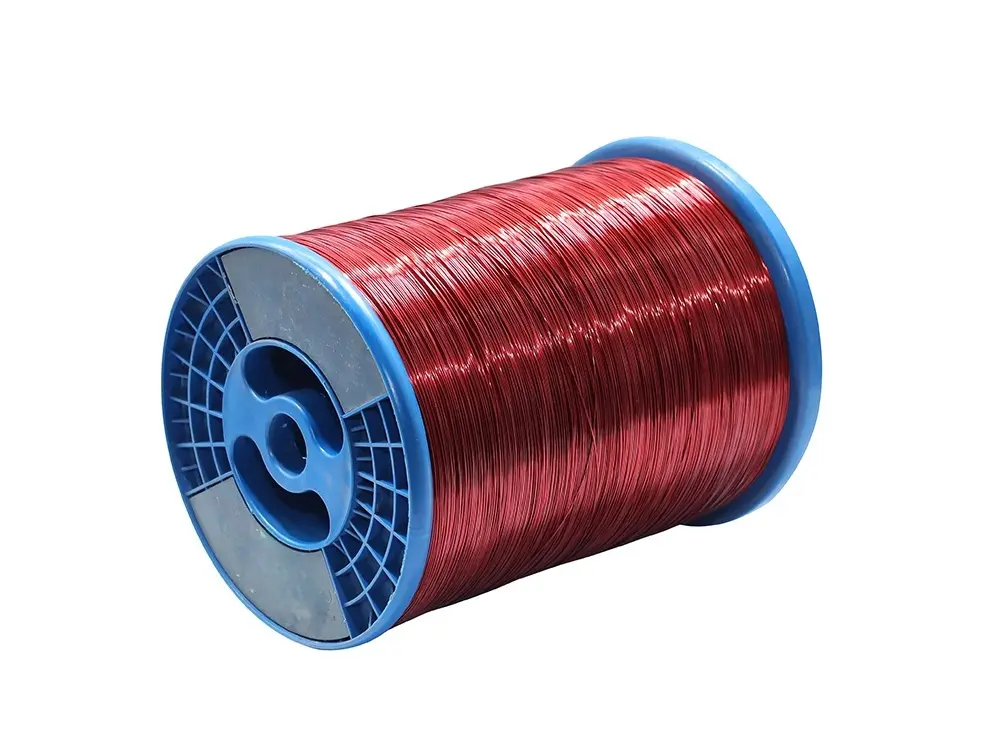
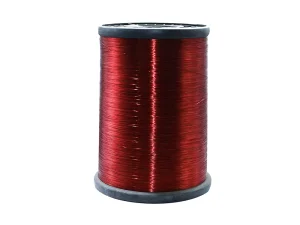
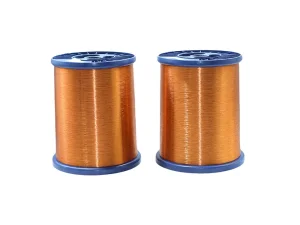
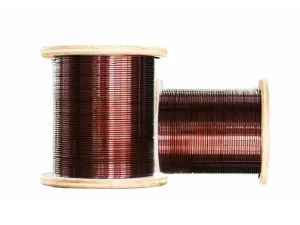
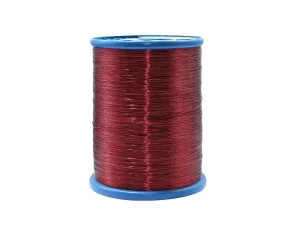
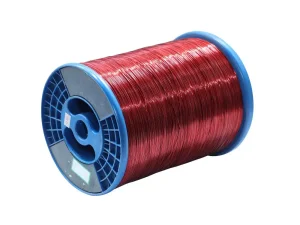
In high-frequency electromagnetics and micro-component design, the choice of winding material dictates efficiency, heat dissipation, and form factor. As a leading China 42 AWG Enamel Wire Supplier & Exporter, Suzhou Daiming Electrical Materials Co., Ltd. supplies high-precision ultra-fine magnet wire engineered to meet the strict limits of modern physical designs. 42 AWG (American Wire Gauge) translates to a nominal bare conductor diameter of approximately 0.063 mm (0.0025 inches). Manufacturing at this scale requires precise control over tension, drawing rate, and the uniformity of the insulation enamel layer.
Skin Effect and High-Frequency Management
When current passes through a conductor at high frequencies, the current density near the surface is greater than at its core. This phenomenon, known as the skin effect, becomes highly relevant in micro-motors, RF transformers, and medical sensors. The skin depth decreases as frequency increases, which means design engineers must use ultra-fine wires like 42 AWG to optimize the AC-to-DC resistance ratio. By bundling multiple fine strands or using single-strand precision coils, engineers can minimize energy losses caused by the skin effect and proximity effects in dense winding setups.
Polymer Insulation Chemistry
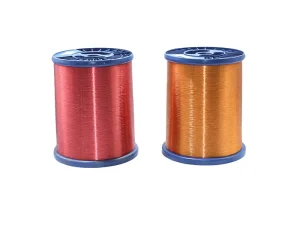
The type of enamel insulation used defines the thermal class, chemical resistance, and ease of processing. Commonly requested coating materials for 42 AWG ultra-fine wires include:
- Polyurethane (UEW): Offers self-fluxing characteristics. The wire can be soldered directly at 360°C to 400°C without needing chemical or mechanical stripping, making it ideal for micro-electronics where terminal damage is a high risk.
- Polyesterimide (EIW): Rated for Class H thermal applications (up to 180°C). Provides excellent resistance to heat shocks, chemical solvents, and high mechanical wind stresses.
- Polyamide-imide (AIW): Typically applied as an overcoat to produce Class 220 dual-insulated wires. It protects against chemical exposure, radiation, and mechanical abrasion in heavy-duty environments.
| AWG Size | Bare Diameter (mm) | Nominal Resistance (Ω/m at 20°C) | Thermal Insulation Class Options | Typical Industrial Applications |
|---|---|---|---|---|
| 42 AWG | 0.063 mm | ~ 5.43 - 5.60 | Class 130 (B), 155 (F), 180 (H), 220 (R) | Hearing aids, micro-relays, quartz clocks, dental drills |
| 40 AWG | 0.080 mm | ~ 3.39 - 3.50 | UEW, PEW, EIW, AIW | Ignition coils, telecommunication equipment, sensors |
| 38 AWG | 0.100 mm | ~ 2.15 - 2.25 | UEW, EIW, Self-bonding types | High-frequency transformers, audio voice coils, step motors |