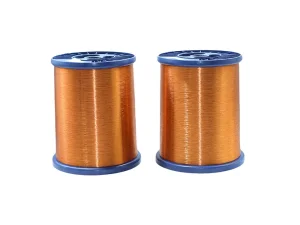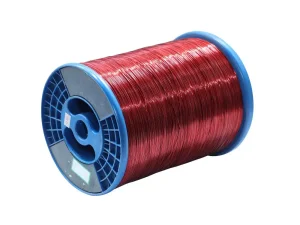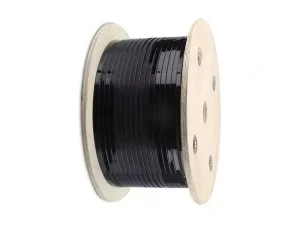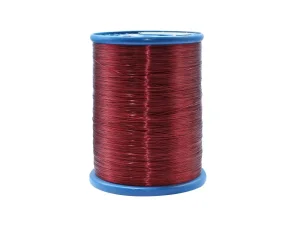
Explore our industrial-grade enameled wires designed for quick termination, high thermal resilience, and optimized dielectric performance.
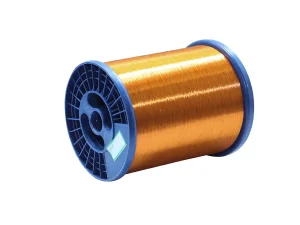
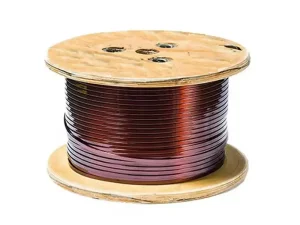
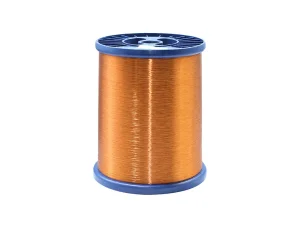
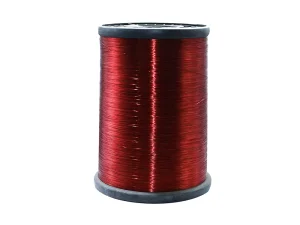
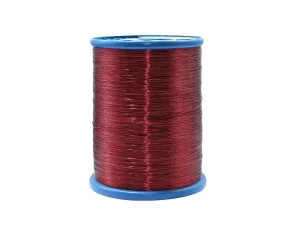
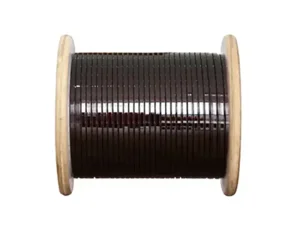
Driving efficiency, reducing assembly cycle times, and enabling micro-miniaturization across precision electronic systems.
In modern electromagnetic component design, the need for rapid processing has elevated solderable magnet wire (predominantly coated with Polyurethane chemistry, or UEW) from a specialty product to a baseline industrial requirement. By bypassing the traditional, labor-intensive mechanical stripping or chemical acid etching phases, manufacturers are achieving up to a 40% reduction in termination cycle times.
Globally, the integration of automation in coil winding demands wires with high mechanical flexibility and uniform thermal breakdown. The chemical structure of solderable enamel allows it to act as an effective dielectric barrier at operating temperatures (typically 130°C to 180°C), while volatilizing cleanly and rapidly at standard soldering temperatures (360°C to 480°C) without leaving carbonized residues that compromise connection reliability.

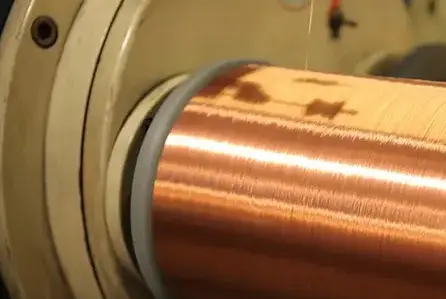
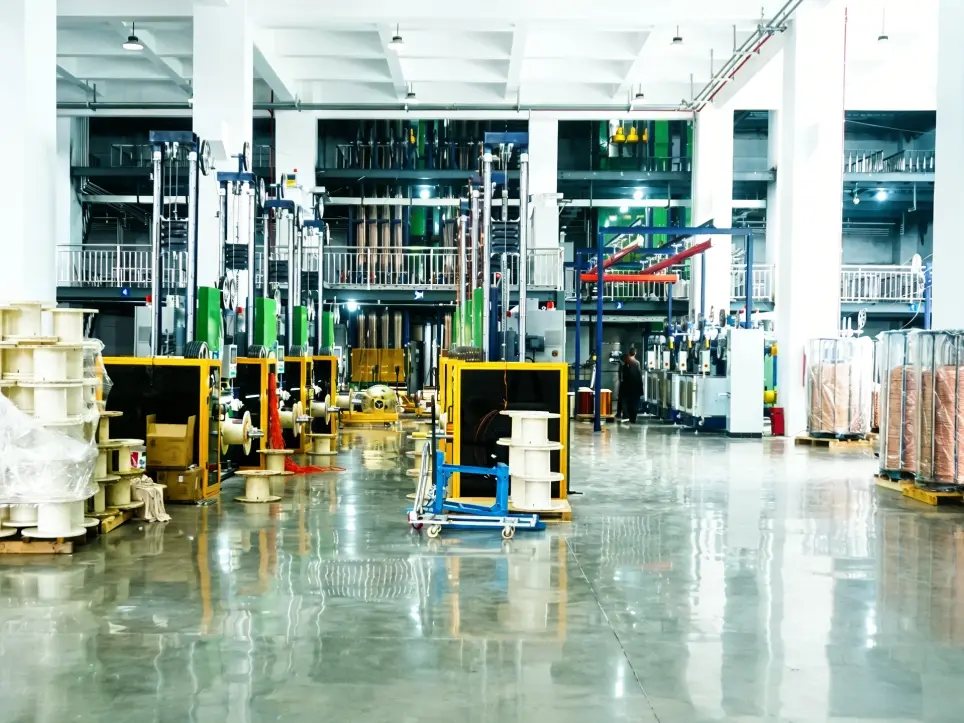
As a premier global supplier of high-quality enameled wires, Suzhou Daiming Electrical Materials Co., Ltd. serves as a reliable manufacturing backbone for industries requiring high-performance magnet wires. Operating from our advanced 258,333.33 ft² production plant, we house 30 state-of-the-art enamel extrusion and drawing lines. This robust setup allows us to guarantee stable output, reliable quality, and scalability for high-volume wholesale requirements.
Our engineering team possesses more than a decade of specialized industry experience. They are proficient in international standards (IEC, NEMA, JIS) and oversee strict quality controls at every production milestone—from raw copper cathode/aluminum rod inspection to final continuous pinhole and dielectric breakdown testing.
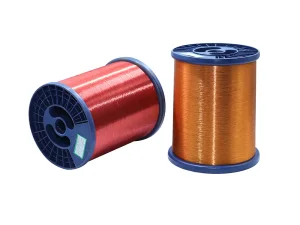
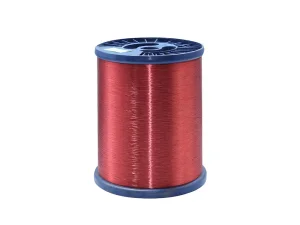
Whether your assembly line demands enameled aluminum wire, high-conductivity copper magnet wire, or lightweight copper-clad aluminum (CCA) options, we deliver tailored diameter ranges, custom thermal classes, and precise spool sizes to match your specific production requirements.
Why Tier-1 automotive and electronics manufacturers choose Suzhou Daiming enameled wires.
We utilize multi-stage concentric coating dies and online laser measuring systems to ensure that each layer of insulation is concentric and free of micro-voids, guaranteeing consistent breakdown voltage across the entire spool.
Designed to withstand extreme operating conditions, our wires possess high thermal indexes (up to 220 Class) and high cut-through resistance, minimizing risk of short-circuits under heavy winding tension.
We customize wire dimensions, insulation thicknesses (Grade 1, Grade 2, Grade 3), and spooling options, ensuring compatibility with automated high-speed needle winding machines.
With controlled annealing cycles, our copper and aluminum wires feature excellent springback angles and low coefficient of friction, protecting the enamel from scratching during fast winding.
Our raw materials and manufacturing practices strictly comply with RoHS and REACH regulations, facilitating frictionless integration into environment-first automotive and appliance projects.
Thanks to raw material supply security and substantial inventory management, we maintain short production lead times and support customers' JIT (Just-in-Time) delivery cycles.
A comprehensive review of the physical properties, base polymers, and application benchmarks of enameled magnet wires.
| Insulation Class Type | Base Polymer Material | Thermal Index (°C) | Solderability Performance | Key Application Focus |
|---|---|---|---|---|
| UEW (Polyurethane) | Polyurethane / Modified PU | 130, 155, 180 | Excellent (Directly solderable at 360°C - 450°C) | Relays, ignition coils, small motors, solenoid valves, audio coils |
| UEW/Y (Nylon Overcoated) | Polyurethane + Polyamide Overcoat | 155, 180 | Good (Directly solderable at 380°C - 470°C) | High-speed automated windings, automotive auxiliary motors |
| PEW (Polyester) | Polyester (PE) | 130, 155 | Non-solderable (Requires mechanical or chemical stripping) | Standard domestic appliance motors, dry-type transformers |
| EIW (Polyesterimide) | Polyesterimide (EI) | 180, 200 | Non-solderable (High thermal resistance) | Heavy-duty industrial motors, hermetic compressors |
| AIW (Polyamide-imide) | Polyamide-imide (PAI) | 220 | Non-solderable (Extreme chemical & heat resistance) | Inverter-fed motors, high-voltage transformers, aerospace windings |
Providing custom-engineered conductor solutions for major global industrial segments.
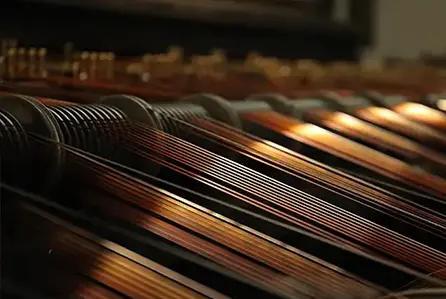
Solderable magnet wire enables rapid connection in washing machine pump motors, refrigerator compressors, smart meter coils, and induction heating coils, saving termination time during mass assembly.
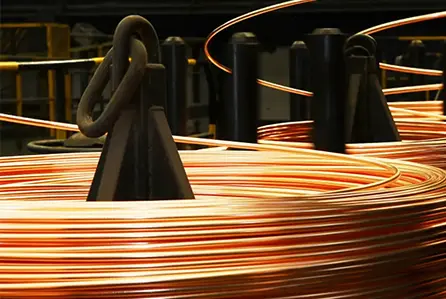
Precision stepper motors, servo-actuators, and industrial magnetic sensors demand tight tolerances, high chemical resistance, and stable pinhole counts to resist harsh environment variables.
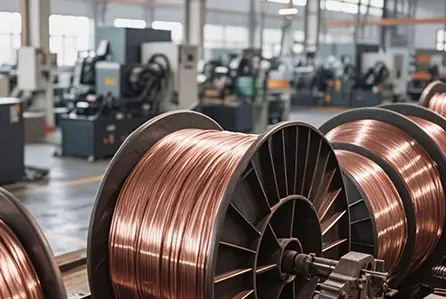
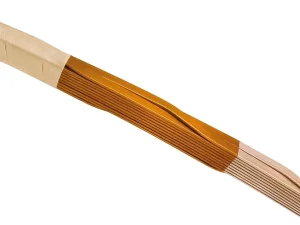
Continuous Transposed Conductors (CTC) and heavy enameled flat wires reduce eddy-current losses in ultra-high-voltage grid transformers, ensuring network stability and minimizing energy leakage.
Under the modern 800V high-voltage EV trend, our enameled copper and aluminum wires are adapted to withstand partial discharge, peak thermal loads, and continuous mechanical vibration.
How we are preparing Suzhou Daiming production facilities for next-generation industrial demands.
The global push towards high-voltage electric vehicle architectures (800V and above) has introduced the risk of corona discharge and premature insulation failure due to rapid voltage surges (high dV/dt). Suzhou Daiming's technology roadmap focuses on developing corona-resistant and high-frequency litz wires using advanced polyesterimide-based formulations overcoated with polyamide-imide polymers.
Simultaneously, cost optimization has driven the development of hybrid conductors like Copper-Clad Aluminum (CCA) enameled wire. CCA provides a lightweight solution with high high-frequency performance (due to the skin effect), making it ideal for lighter consumer electronics and cost-effective motor assemblies.
We are also updating our thermal catalytic combustion systems in our ovens to capture evaporated solvent vapors and reuse them for heat generation, reducing our carbon emissions by 30% while maintaining thermal consistency during high-speed drawing.
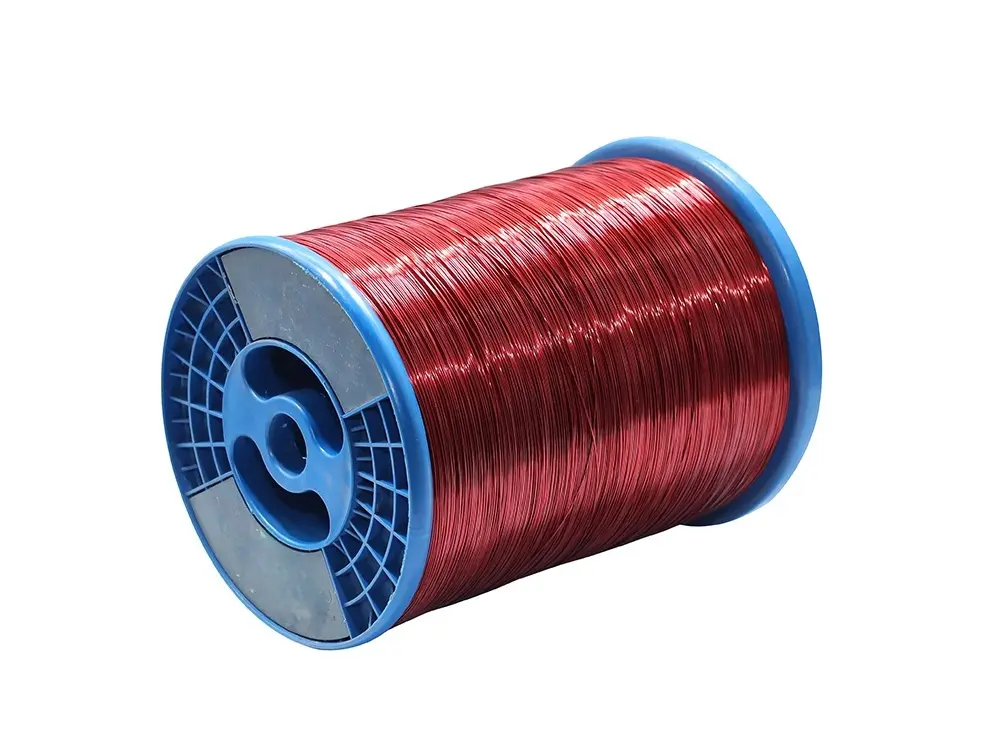
Essential technical questions resolved by our engineering and sourcing department.
Stay informed with the latest updates from Suzhou Daiming's global logistics and technological innovations.
With the rapid growth of new energy systems, enameled aluminum wire serves as the premier cost-reduction choice for global motor manufacturing...
To mitigate copper price volatility, global manufacturers turn to Copper-Clad Aluminum (CCA) for lightweight design and reliable electrical performance...
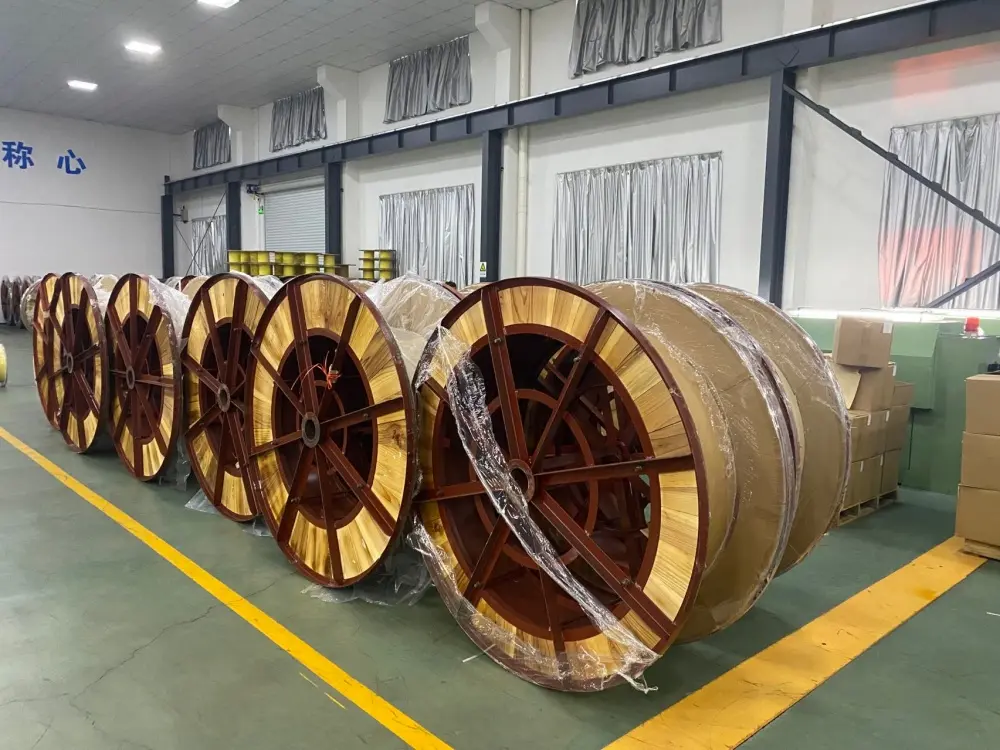
We have completed the export of specialized Continuously Transposed Conductors (CTC) to Turkey to aid in high-voltage power grid upgrading...
Direct sourcing from Daiming factories, ensuring international compliance, custom spooling, and fast lead times.