Direct access to our certified manufacturing output. Engineered for stability under high electrical stress, extreme heat cycles, and mechanical wind stress.
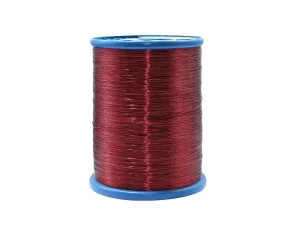
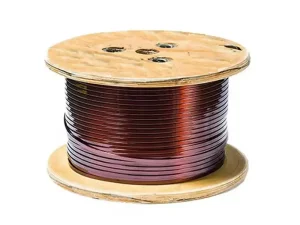
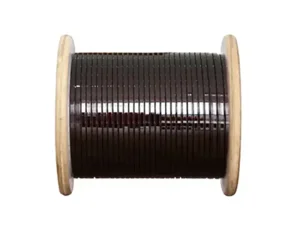
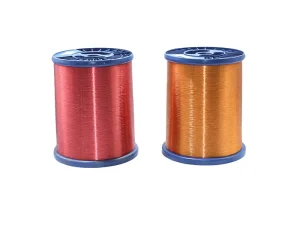
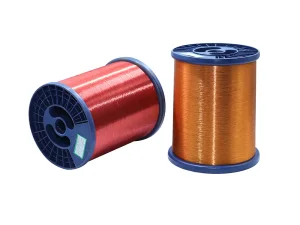
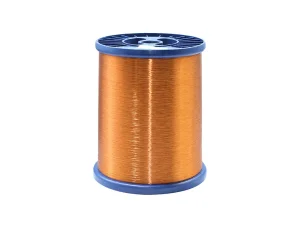
How new-generation grid standards, electric drivetrains, and clean automation shape the core demand for self-adhesive magnet wires.
Modern electric vehicles (EVs) utilize high-voltage traction stators that operate upwards of 800V. Under these harsh conditions, classic winding consolidation using trickle resins is no longer sufficient. High thermal class (200°C to 220°C) self-bonding enamelled copper and aluminum wires offer a clean, reliable, and space-saving alternative, removing voids within slots to dramatically lower partial discharge risk.
Industrial power grids demand ultra-compact dry-type transformers and Continuously Transposed Conductors (CTC) that withstand major electrodynamic short-circuit forces. Utilizing flat self-bonding profiles ensures structural solidarity under massive physical loads, decreasing acoustic vibration while accelerating thermal transmission away from the coil cores.
Global manufacturers face strict emissions limits on Volatile Organic Compounds (VOCs) originating from classical secondary impregnation lines. Self-adhesive enamelled wires resolve this issue by integrating the thermoset or thermoplastic bonding agent directly onto the base insulation layer, bypassing secondary baking ovens and minimizing factory footprints.
An authoritative analysis of base insulations, self-bonding layers, activation systems, and performance criteria.
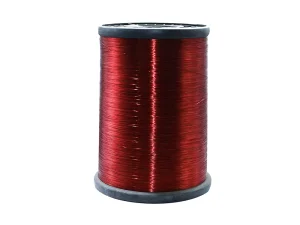
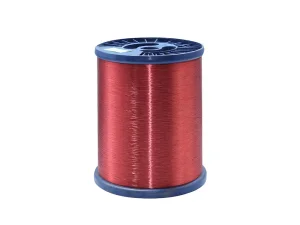
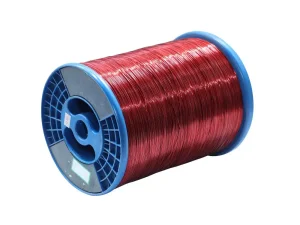
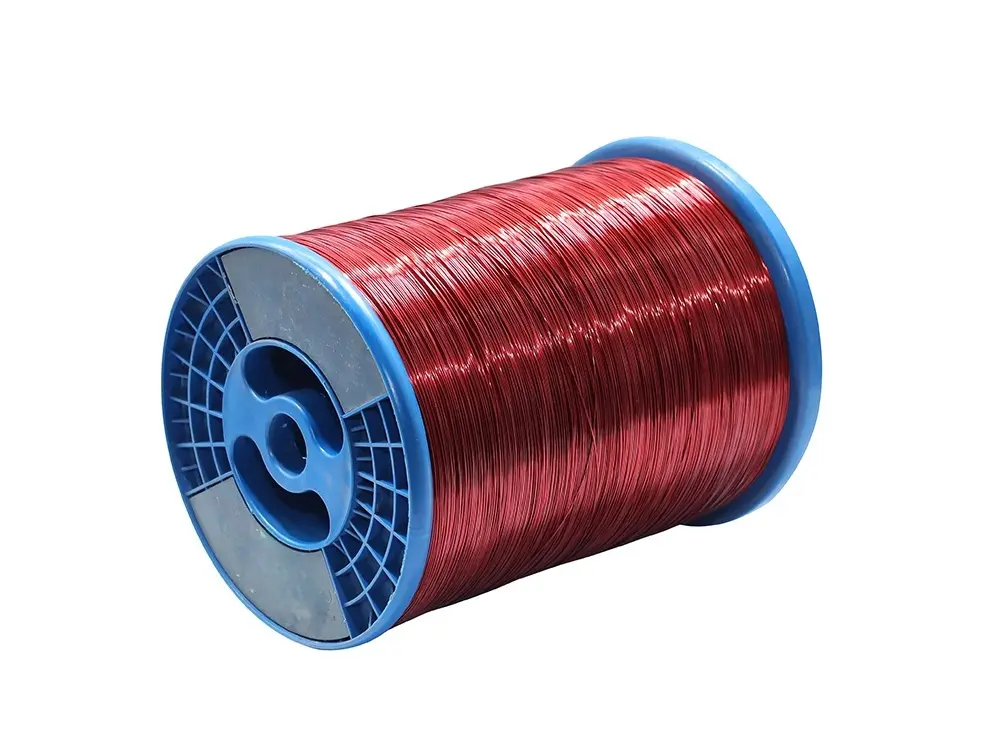
Self-bonding (or self-adhesive) enamelled wire relies on a dual-layer coating process. The first layer is the base insulation (typically polyurethane, polyesterimide, or polyamide-imide), which dictates the breakdown voltage and basic thermal limit. The outer layer consists of a specialized adhesive varnish.
Depending on production setups, target coils can be consolidated via three main processes: Oven Bonding (placing the pre-wound coil into a high-temperature chamber), Resistance Bonding (sending an electrical pulse directly through the wire to heat it internally), or Solvent Activation (applying a mist of alcohol or acetone during winding to temporarily soften the polymer layer).
| Property Class | Base Polymer | Bonding Temp | Best Application |
|---|---|---|---|
| Class 130/155 | Polyurethane + Nylon | 130°C - 150°C | Consumer Electronics |
| Class 180 | Polyesterimide + Epoxy | 160°C - 180°C | High-speed Fans, Pumps |
| Class 200 | Theic Polyesterimide + Polyamide | 190°C - 210°C | Automotive Stators |
| Class 220 | Polyamide-imide + Polyimide | 220°C - 240°C | Heavy Traction, Wind Gen |
*Custom chemical formulations can be tailored to meet unique mechanical shear force requirements at operational temperatures.
Customer needs as the core — Global leader in specialized magnet wire technology.
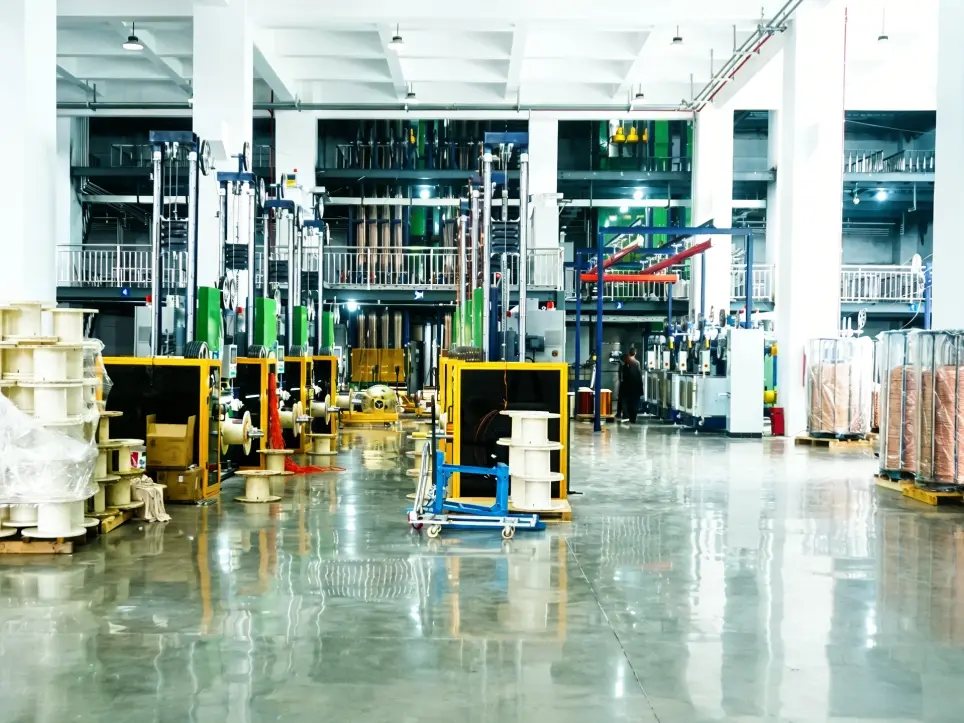
Established as a premier manufacturing destination, Suzhou Daiming Electrical Materials Co., Ltd., specializes in producing high-quality enameled wires, including enameled aluminum wires, enameled copper wires, and enameled copper-clad aluminum wires. Spanning a modern 258,333.33 ft² footprint, our industrial facility operates 30 state-of-the-art production lines, ensuring a consistent and reliable supply for global volume buyers.
Our operation is built on rigorous control at every production stage. From verifying purity levels in our incoming copper and aluminum feedstock to monitoring chemical curing loops, we align with international standards. Our highly experienced engineering team brings more than 10 years of field expertise, enabling us to guide clients through complex insulation specifications, wire tension calculations, and tailored logistics solutions across borders.

Exploring the real-world performance of our enameled aluminum, copper, and copper-clad wire across global industries.
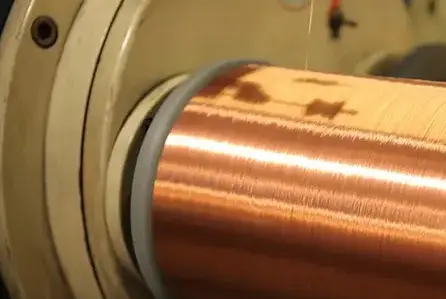
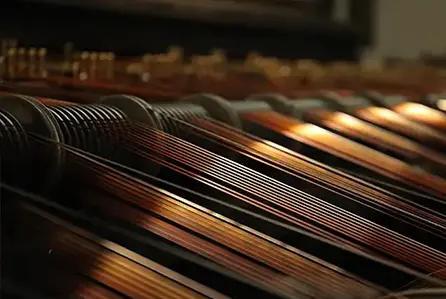
Our flat and round self-bonding wires are heavily used in high-efficiency electric motors and distribution transformers. By heat-curing the winding package directly after spooling, manufacturers eliminate coil movement and resonance noises, increasing the overall operational lifespan under harsh start-stop stress cycles.
In high-volume consumer goods, our self-bonding polyurethane wires enable automated, bobbinless winding of solenoid coils, magnetic sensors, and high-frequency inductors. This helps streamline manufacturing steps, reduces total product weights, and lowers unit production costs.
High-precision robotics require compact, reliable components. Our micro-fine self-bonding copper wires provide consistent electrical resistance and stable performance in precision encoders, dynamic servo motor actuators, and industrial feedback sensor systems.
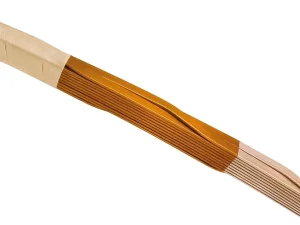
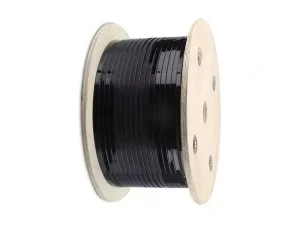
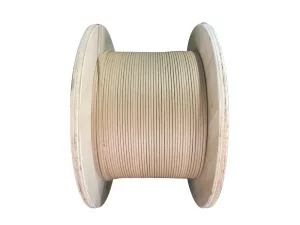
Additionally, our high-voltage solutions support Power & Energy Equipment systems globally, featuring specialized options like paper-covered winding conductors and Continuously Transposed Conductors (CTC).
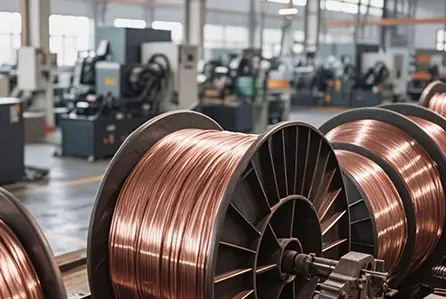
Why global OEMs partner with Suzhou Daiming for high-reliability winding solutions.

Every batch of our self-bonding wire undergoes rigorous testing to ensure uniform thickness, high peel strength, and consistent adhesive performance during activation, preventing winding separation under mechanical stress.

Our wires are designed to maintain physical and electrical integrity under sudden current overloads and high mechanical pressure, offering stable insulation performance inside dense slots.

We provide tailored configurations from round to flat profiles, custom width-to-thickness ratios, and specific thermal ratings, helping clients optimize their winding processes from prototype to scale.

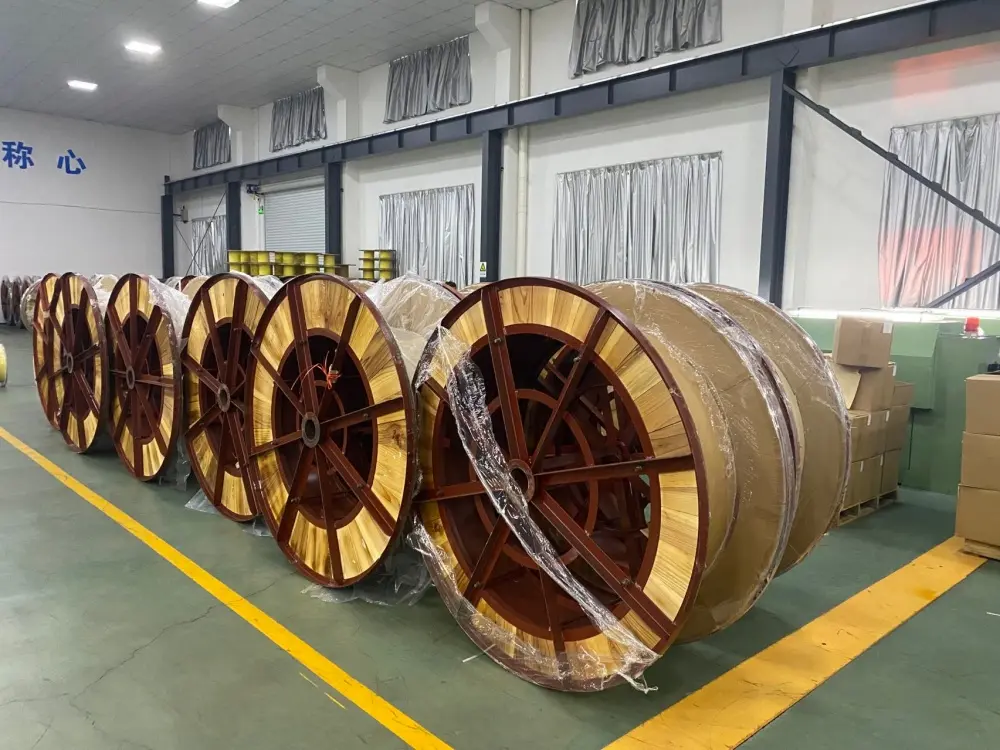
Operating 30 advanced production lines allows us to maintain a consistent output, ensuring on-time shipments and reliable scheduling for long-term supply agreements.

Our lightweight aluminum and copper-clad aluminum (CCA) options help reduce overall motor weights, supporting energy-efficient designs and carbon-reduction initiatives across industries.
Clear answers to common questions about selecting, processing, and ordering self-bonding magnet wires.
Self-adhesive (or bondable) magnet wires eliminate the need for secondary liquid varnish impregnation, reducing volatile organic compound (VOC) emissions, simplifying the assembly line, and lowering overall energy usage. Additionally, they prevent internal wire movement, which reduces mechanical wear within the coil and improves heat dissipation.
The bonding layer can be activated using three main methods: thermal bonding in an oven, electrical resistance bonding (heating the conductor directly with current), or solvent activation (typically using alcohol or acetone during winding to soften the outer adhesive coating). The best method depends on the design of the coil and the equipment used.
Yes, in many applications, aluminum wire can replace copper to save weight and reduce material costs. However, because aluminum has lower electrical conductivity than copper, the cross-sectional area of the wire must be increased (typically by 1.6 times) to maintain the same winding resistance. Our team can help you review these design adjustments.
We perform rigorous quality control checks at every stage, including wire diameter consistency tests, pinhole detection, breakdown voltage checks, springback angle measurements, heat shock resistance testing, and bonding strength verification at both ambient and high operating temperatures.
Yes. In addition to standard round wires, we manufacture flat (rectangular) profiles, custom copper-clad aluminum configurations, paper-insulated conductors, and Continuously Transposed Conductors (CTC) tailored to the exact requirements of your electrical equipment.
Stay updated on development trends, high-voltage application breakthroughs, and global supply updates.
With the growth of new energy and high-end manufacturing, managing costs while maintaining quality remains a top priority. Explore why high-grade aluminum magnet wire is becoming a preferred option for industrial motor designs.
Fluctuations in copper prices have driven interest in alternative conductors. Copper-clad aluminum (CCA) offers a balanced solution, combining the conductivity of copper with the lightweight benefits of aluminum.
We recently exported high-quality Continuously Transposed Conductors (CTC) to Turkey, helping support regional power grid modernization and high-voltage substation transformer manufacturing.
Explore our line of professional conductors, CTC configurations, and high-temperature round and flat wires.