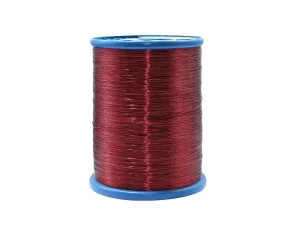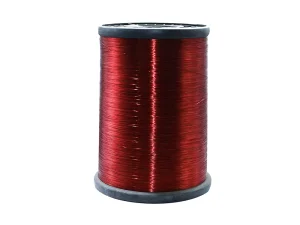
Explore our high-performance product range engineered to withstand maximum thermal load, electrical stress, and corrosion.
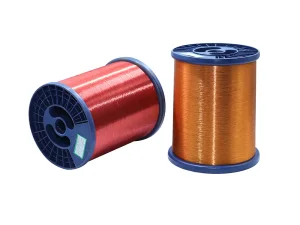
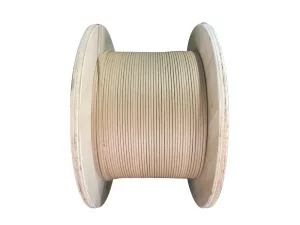
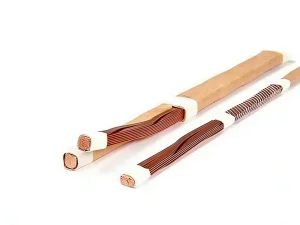
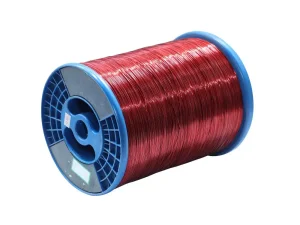
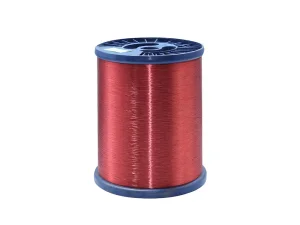
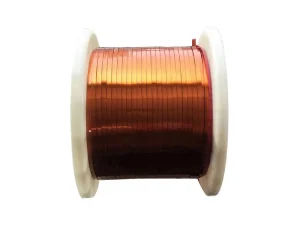
Suzhou Daiming Electrical Materials Co., Ltd., is a globally recognized manufacturer of high-quality enameled wires, specializing in enameled aluminum wires, enameled copper wires, and advanced copper-clad aluminum (CCA) variants. Operating from our vast 258,333.33 ft² state-of-the-art facility, we utilize 30 advanced production lines to supply markets worldwide.
Our integration of Polyesterimide (PEI) coatings ensures that our products achieve outstanding thermal ratings up to Class 200 and Class 220. By optimizing polymer chemistry, our wires provide superior scratch resistance, high dielectric strength, and robust chemical stability, meeting the needs of global distributors, power grid contractors, and high-spec industrial projects.
From raw material inspections to precision winding verification, our quality control process adheres to ISO 9001 and international standards. This commitment makes us a reliable partner for global industries searching for high-performance wire and conductor solutions.

Deep-dive research on material composition, thermal properties, and industrial solutions for extreme environments.
Class H (180°C) and Class C (200°C - 220°C) operations. Provides reliable performance during continuous high-temperature exposure and sudden thermal surges.
Engineered for high winding speeds. Features a low friction coefficient and high abrasion resistance, preventing surface cracking or delamination.
Resistant to aggressive solvents, industrial chemicals, moisture, and alkaline concrete environments, making it suitable for composite structural use.
Polyesterimide (PEI) is a high-performance polymer containing both ester and imide groups. Integrating imide rings into the polymer chain increases thermal resistance, molecular rigidity, and cohesive energy. When applied to conductive metals like copper, aluminum, or copper-clad aluminum, this enamel forms a uniform layer that acts as both a dielectric barrier and a mechanical shield.
In demanding environments, a dual-layer system is often used. This consists of a base coat of Polyesterimide for adhesion and thermal strength, and a top coat of Polyamide-imide (PAI) for scratch and moisture protection. This combination maintains electrical insulation even under physical stress and thermal cycling.
Global industrial supply chains are transitioning toward resource-optimized materials due to rising copper prices and the expansion of renewable energy systems. Procurement departments must balance material cost, component weight, and lifetime durability:
To help engineers and procurement managers select the right materials, the table below highlights the performance differences between copper, aluminum, and CCA under a Polyesterimide coating:
| Performance Metric | Polyesterimide Copper Wire | Polyesterimide Aluminum Wire | Polyesterimide CCA Wire |
|---|---|---|---|
| Thermal Index (°C) | 180°C to 220°C (Class H / H+) | 180°C to 200°C (Class H) | 180°C to 200°C (Class H) |
| Conductivity (% IACS) | ≥ 100% | ≥ 61% to 63% | ≥ 65% to 85% (varies by copper %) |
| Density (g/cm³) | 8.89 | 2.70 | 3.32 to 3.63 |
| Tensile Strength (MPa) | 200 - 300 (Annealed) | 80 - 120 (Annealed) | 130 - 180 (Annealed) |
| Corrosion Resistance | Excellent (enhanced by PEI) | Moderate (requires continuous coating) | Excellent (protected by copper & PEI) |
| Winding Flexibility | Excellent (low springback) | Moderate (controlled springback) | Good (balanced elasticity) |
The industry is moving toward higher voltage levels, especially with the introduction of 800V architectures in electric vehicle drivetrains and ultra-high-voltage (UHV) power grids. To prevent partial discharge in these applications, enameled wire coatings must evolve to withstand corona discharge and transient voltage spikes. Daiming's engineering roadmap focuses on adding nanostructured inorganic fillers to the PEI matrix, which significantly increases resistance to corona discharge and extends insulation life under high frequencies.
Additionally, sustainability remains a key priority. We are continuously refining our closed-loop solvent recovery systems during the enamel baking process. This helps minimize volatile organic compound (VOC) emissions while maintaining the precision and quality of the applied insulation layer.
Precision-engineered configurations designed to meet specific electrical, mechanical, and environmental requirements.
Every roll of enameled wire undergoes strict inline quality checks to ensure a uniform coating, minimizing pinholes and electrical faults.
Features strong film adhesion and high scratch resistance, keeping the insulation layer intact even under tight bending radiuses.
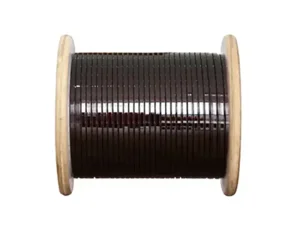
We offer customized wire diameters and cross-sections (flat, round, square) to optimize slot-fill factor and electrical performance.
From industrial grid upgrades to high-density consumer electronics, our enameled wires support essential global infrastructure.
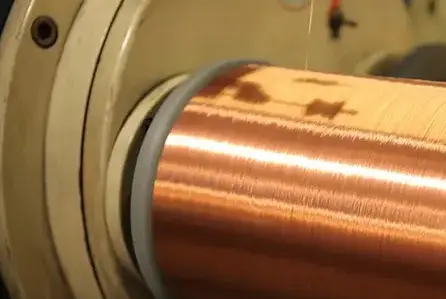
High-efficiency winding components designed to handle extreme thermal loads.
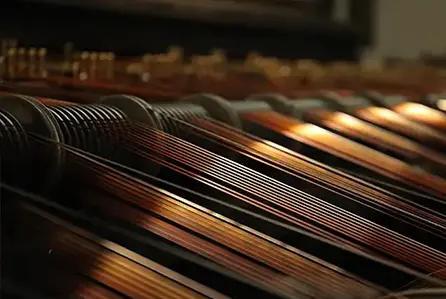
Compact, high-dielectric insulated wires for durable electronic control units.
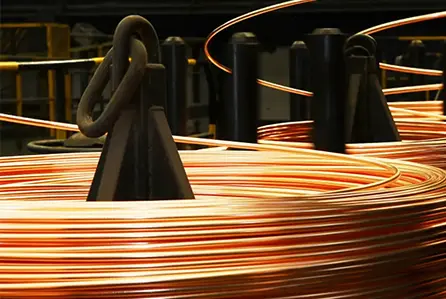
Robust wiring that ensures signal integrity in high-vibration sensor environments.
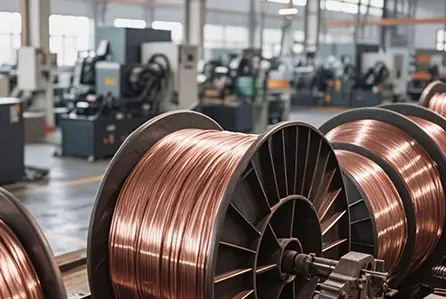
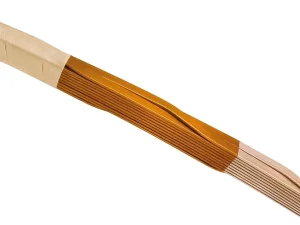
Continuously Transposed Conductors (CTC) optimized for large power grid transformers.
Technical insights and specification guidance directly from Suzhou Daiming's engineering team.
Polyesterimide (PEI) provides a much higher thermal rating (up to 200°C - 220°C) and superior dielectric strength in a thinner profile compared to bulky PVC coatings. This allows for tighter coils, higher slot-fill ratios in motors, and better resistance to mechanical abrasion and solvents during winding or installation.
Yes. In highly corrosive environments—such as marine concrete installations or chemical processing plants—PEI-coated wire functions as an ultra-durable tie. Its tough polymeric structure stands up to the abrasion of tie-wire guns and prevents concrete moisture from initiating electrochemical rust on internal rebars.
All our enameled aluminum, copper, and CCA wires are manufactured in compliance with international standards (IEC, NEMA, JIS). Our production process is certified under ISO 9001 quality systems and complies with RoHS and REACH environmental regulations for worry-free global imports.
Depending on the order volume and specific wire diameters required, our standard production leads range from 15 to 25 days. Our 30 advanced production lines allow us to maintain a stable, high-volume output and schedule orders efficiently.
CTCs reduce eddy current losses in large power transformers by transposing individual insulated strands relative to each other within the magnetic field. This decreases hot-spot temperatures, enhances winding efficiency, and allows for more compact transformer designs.
CCA enameled wire combines the electrical performance of copper with the light weight of aluminum. This helps manufacturers lower raw material costs while reducing overall component weight—making it an ideal choice for high-frequency coils, automotive sound systems, and lightweight motors.
At Suzhou Daiming Electrical Materials Co., Ltd., we combine large-scale manufacturing capacity with responsive technical support. Our engineers assist you through every step of the selection process—from verifying required wire diameters and temperature classes to coordinating custom packaging and shipping schedules. Whether you are upgrading regional power grids in the Middle East, scaling solar inverter production in Europe, or sourcing durable tie wire options for infrastructure projects in North America, we tailor our delivery systems to your local requirements.
We work closely with shipping partners to ensure all wire spools are securely packed in protective, moisture-resistant packaging. This guarantees that your materials arrive in perfect condition, ready for high-speed automated winding machines.
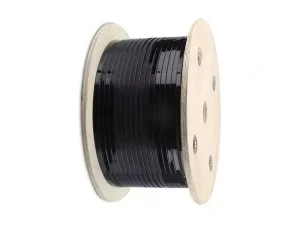
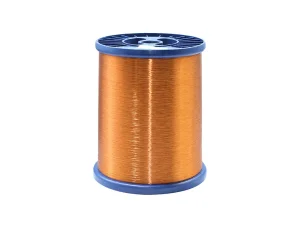
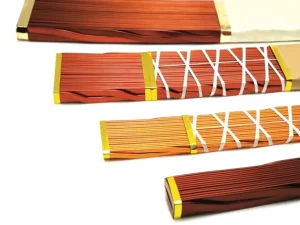
A full range of insulated round, flat, and transposed conductors engineered for highly demanding power systems.