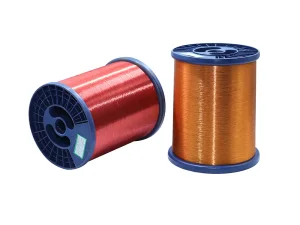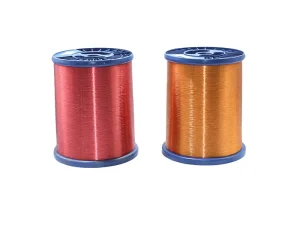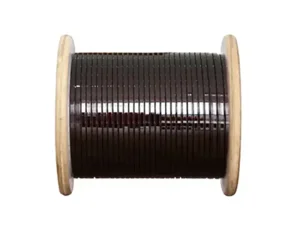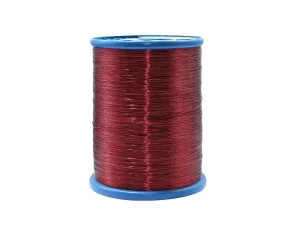
Engineered to withstand high thermal limits, mechanical stress, and aggressive voltage environments. Discover our main wholesale configurations.
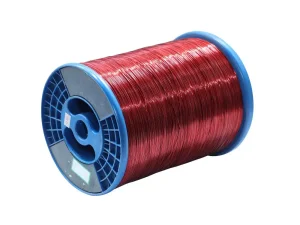
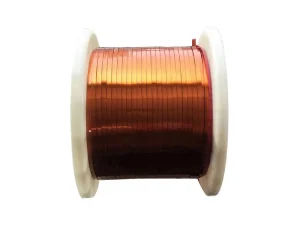
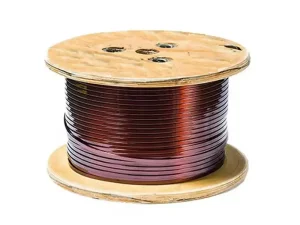
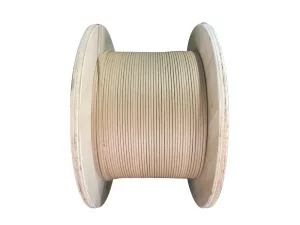
An Industrial Deep Dive into Technical Demands, Substrate Performance, and Material Electrification Trends
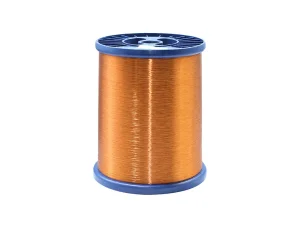
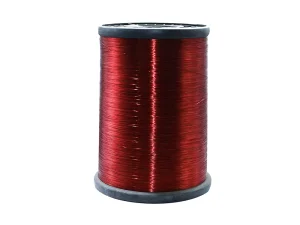
Enamel coated magnet wires—commonly referred to as winding wires—represent the core functional materials responsible for electromechanical energy conversion in electric motors, generators, alternators, transformers, and electronic systems. Across the global industrial sector, magnet wire acts as the literal muscle of electrification. As the world pushes toward smart grids, zero-emission transportation, and high-frequency power electronics, magnet wire engineering has evolved from simple insulation to a sophisticated discipline governing thermodynamics, dielectric integrity, and raw material optimization.
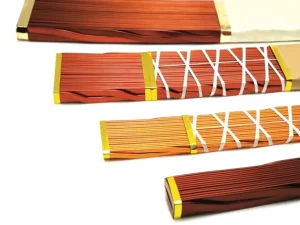
Currently, the magnet wire market is witnessing a tectonic shift driven by fluctuations in base metals. While Enameled Copper Wire remains the benchmark for applications demanding maximum electrical conductivity and minimum space factor, Enameled Aluminum Wire and Copper-Clad Aluminum (CCA) Enameled Wire have grown exponentially. This expansion is heavily influenced by volatile copper prices and the crucial requirement for mass reduction in automotive and high-speed motion setups. In parallel, heavy-power transmission applications rely on ultra-precise Continuously Transposed Conductors (CTC) to control alternating-current losses in large transformer designs.
The performance of an enamel coated magnet wire depends on two core elements: the conductor core and the chemical insulation polymer. Understanding how these elements interact is critical for project managers, design engineers, and industrial sourcing agents.
Primarily used in Classes 130, 155, and 180. These wires are solderable without requiring chemical mechanical peeling, making them ideal for high-precision electronics, small coils, and automated PCB soldering processes.
Designed for thermal Class 180 and Class 200. PEI provides excellent heat-resistance, solvent-resistance, and mechanical strength, making it the industry standard for general industrial motors and heavy-duty alternators.
Used as an outer shell to create dual-coat insulation structures (PEI+PAI) rated for Class 220. It provides exceptional resistance to high-frequency voltage stress, mechanical scrape, and chemical solvents, which is critical for 800V EV drivetrains.
Offering exceptional mechanical toughness and oil resistance. Historically relied upon in oil-immersed distribution transformers where interactions with organic transformer oil require high chemical compatibility.
Suzhou Daiming Electrical Materials Co., Ltd. is a modern, leading manufacturer specializing in the research, development, and high-volume fabrication of elite-performance enameled wires. Centered on customer needs, we deliver premium enameled copper, aluminum, and copper-clad aluminum magnet wires to dynamic industries worldwide.
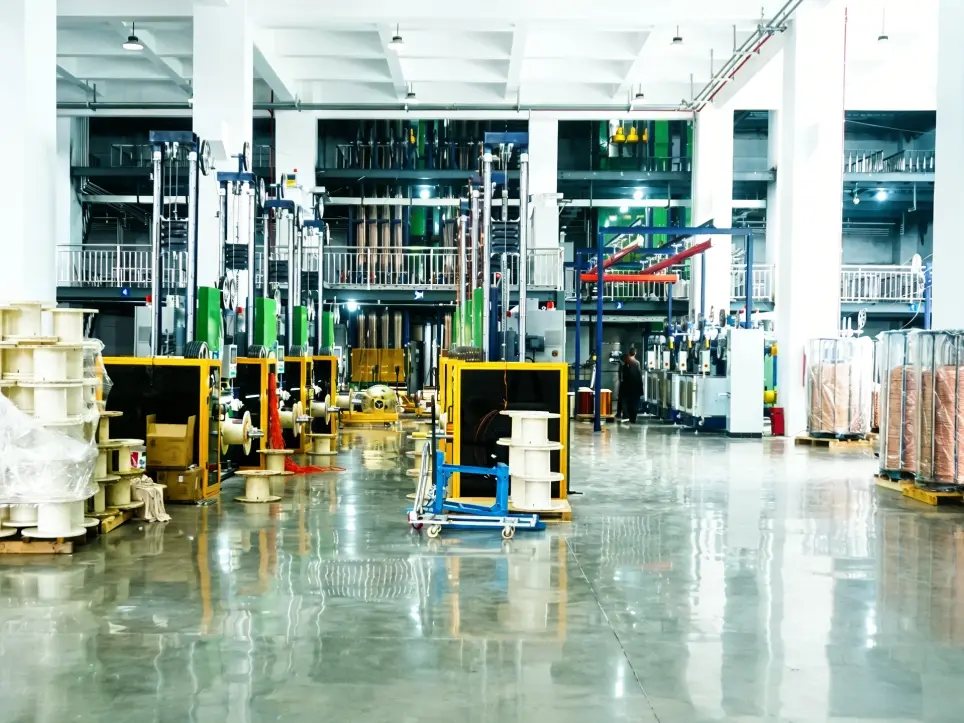
Our industrial complex stretches across a 258,333.33 ft² manufacturing park, housing 30 state-of-the-art production lines. By combining advanced computerized thickness-monitoring devices, online pinhole detection equipment, and precision annealing units, we ensure that every spool leaving our facility matches international specifications such as NEMA, IEC, JIS, and GB.
View Factory Video Tour
Designed to deliver consistent quality and outstanding performance in highly demanding electromechanical applications.

Every batch of wire undergoes continuous optical and laser checks to ensure exact enamel thickness, high concentricity, and zero pinhole defects.

Optimized polymer curing produces uniform and dense paint layers with excellent scrape abrasion resistance and thermal index capability up to Class 220.

We provide full customization options for wire diameters, flat profile dimensions, temperature classifications, and specific spool designs.

Through strategic raw material alliances and efficient high-volume production, we ensure timely deliveries to meet demands across global industrial markets.

Our enameled wires play a key role in next-generation green technologies, supporting ultra-high-efficiency industrial motors and clean energy generators.
Standard engineering parameter matrix for Suzhou Daiming enameled wire products.
Our manufacturing lines are calibrated to handle a wide range of wire dimensions and configurations, ranging from ultra-fine electronics wire to heavy rectangular conductors. The following table showcases the technical parameters of our primary product lines:
| Wire Classification | Conductor Core | Diameter Range (mm) | Thermal Class Index | Insulation Options | Main Standards |
|---|---|---|---|---|---|
| Enameled Round Copper Wire | Pure Copper (OFC) | 0.08mm – 6.00mm | Class 130 / 155 / 180 / 200 / 220 | PU, PEW, PEI, PAI Overcoat | IEC 60317, NEMA MW 1000 |
| Enameled Round Aluminum Wire | High-Purity EC Aluminum | 0.12mm – 8.00mm | Class 130 / 155 / 180 / 200 / 220 | Polyester, Polyesterimide | IEC 60317, NEMA MW 1000 |
| Copper Clad Aluminum Enameled Wire (CCA) | CCA (10% or 15% Copper Cladding Vol) | 0.15mm – 5.00mm | Class 155 / 180 / 200 | Polyurethane, Polyesterimide | Company Standard, Custom |
| Flat/Rectangular Enameled Wire | Copper / Aluminum | Thickness: 0.80–8.00mm / Width: 2.00–22.00mm | Class 180 / 200 / 220 | Polyesterimide, Polyamide-imide | IEC, NEMA, JIS |
| Continuously Transposed Conductor (CTC) | Copper (Standard / Semi-rigid) | Multi-strand structured bundle | Class 105 to 120 (Paper/Film wrapped) | Netting wrap, Kraft Paper, Nomex | IEC 60629, Custom specifications |
Each product category is developed to address specific challenges. For example, Continuously Transposed Conductors (CTC) are designed to limit eddy current and skin-effect losses in large transformers, improving grid efficiency in high-voltage power networks.
Delivering high reliability and performance in key global industries.
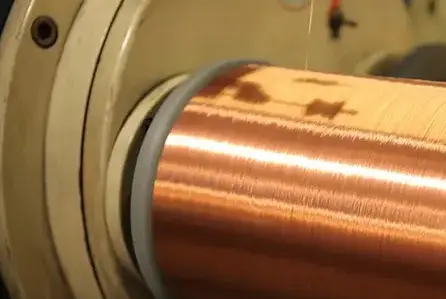
Our enameled wires provide high thermal performance, excellent winding properties, and high fill factors. These characteristics are critical for traction motors, heavy-duty industrial alternators, and both liquid-immersed and dry-type distribution transformers.
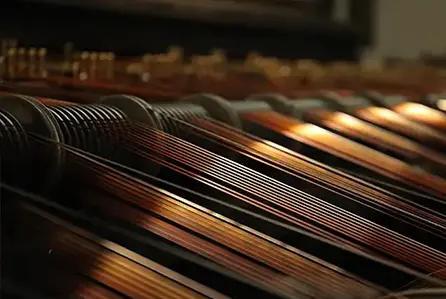
Providing high-precision magnet wires with consistent solderability and compact winding limits. Ideal for deflection yokes, relays, solenoid valves, micro-motors, and high-frequency coils used in consumer electronics.
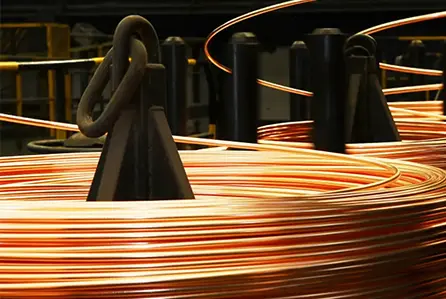
Engineered to deliver signal accuracy and withstand environmental exposure in precision servo motors, robotic joints, control systems, and process automation sensors where downtime is not an option.
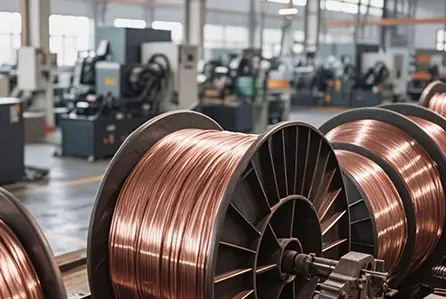
Designed for clean energy generators, grid substations, and transmission networks. Our Continuously Transposed Conductors (CTC) help improve power distribution efficiency and reduce mechanical stress under short-circuit conditions.
How the 800V Automotive Architecture and High Copper Prices are Redefining Winding Wire Requirements
The global winding wire market is evolving rapidly, driven by two major market requirements: the automotive transition to 800V architectures and high copper prices. In this section, we analyze how these factors impact wire selection and design.
Modern electric vehicles (EVs) are transitioning from 400V systems to 800V battery systems to enable faster charging times and higher drivetrain efficiency. However, this shift places greater electrical stress on traction motor windings.
The high-frequency voltage pulses generated by silicon carbide (SiC) inverters can cause partial discharge and corona damage, which degrades standard insulation films. To prevent this, manufacturers use composite insulation layers, such as PEI/PAI blends with inorganic nano-filler additives. These additives improve corona resistance, thermal dissipation, and physical toughness, protecting the wire under continuous electrical stress.
As copper prices experience volatility, design engineers are seeking cost-effective alternatives. Copper-Clad Aluminum (CCA) Enameled Wire combines the high electrical conductivity of copper with the lightweight properties of aluminum.
Featuring a high-purity aluminum core metallurgically bonded to a continuous copper outer cladding, CCA wire helps reduce weight and raw material costs. It is widely used in high-frequency applications where the skin effect concentrates current flow in the outer copper layer, preserving electrical efficiency while lowering overall component weight.
Stay informed with the latest updates from Suzhou Daiming on supply chains, projects, and technical innovations.
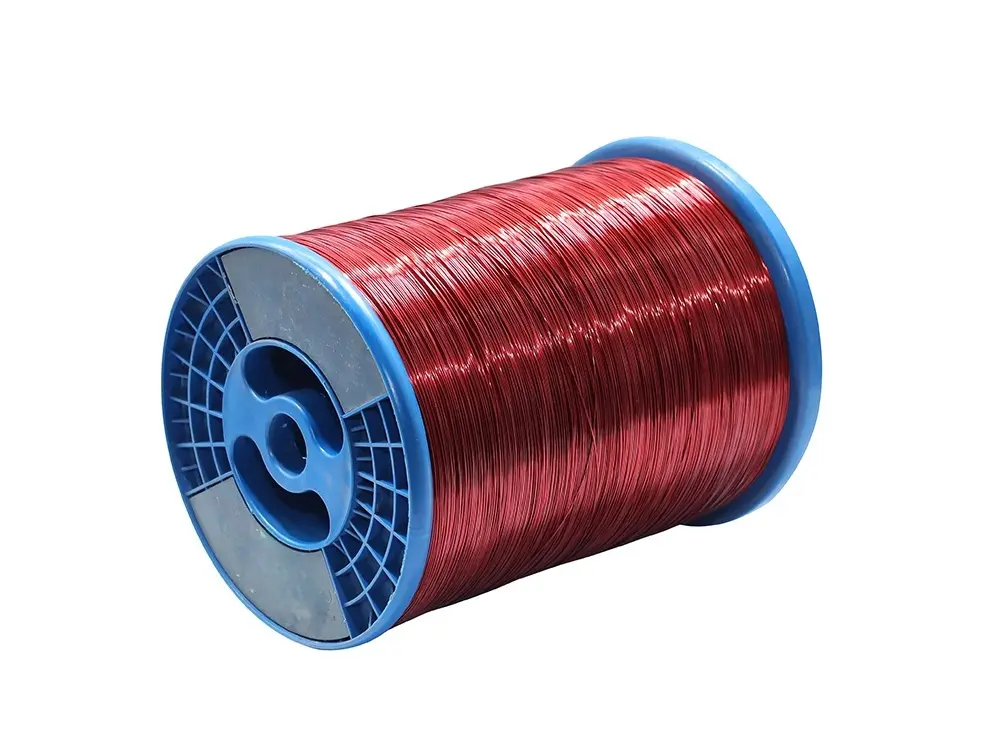
With industrial systems focusing heavily on cost-efficiency, enameled aluminum wire is emerging as a preferred alternative for modern electrical designs.
An in-depth analysis of how Copper-Clad Aluminum enameled wires help manufacturers reduce weight and costs while maintaining electrical performance.
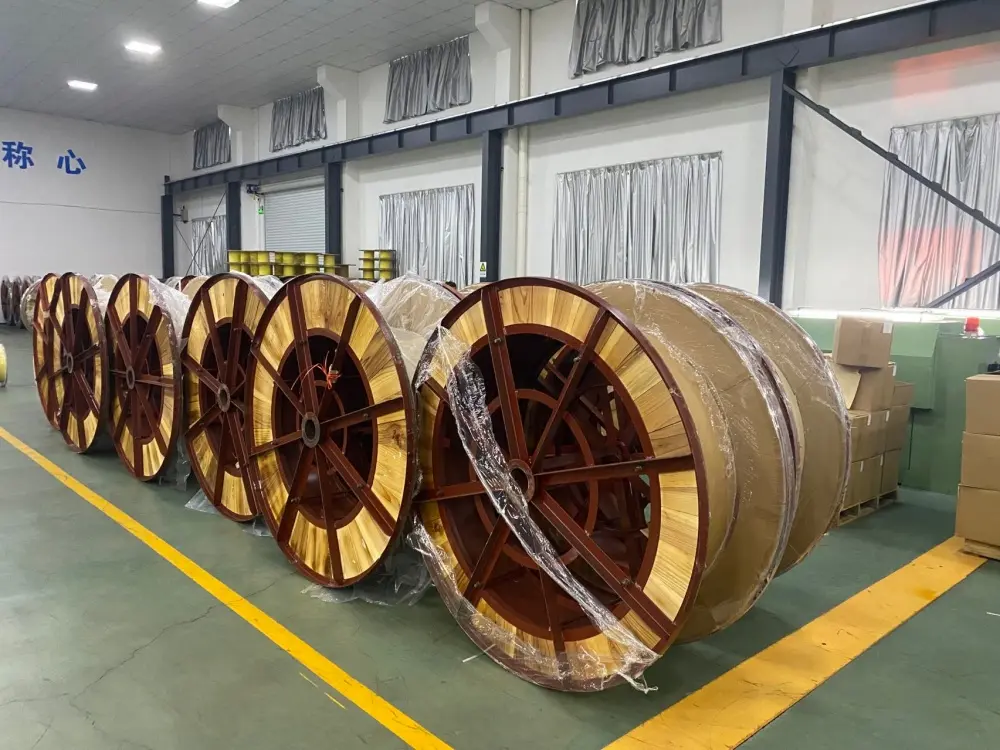
Suzhou Daiming has completed a shipment of premium Continuously Transposed Conductors (CTC) to Turkey, supporting Eurasian grid modernization projects.
Answers to common technical questions regarding enameled magnet wires and conductor design.
Direct-to-factory sourcing for high-purity conductor spools and custom industrial profiles.