Engineered for extreme thermal stability, low dielectric losses, and robust structural reliability.
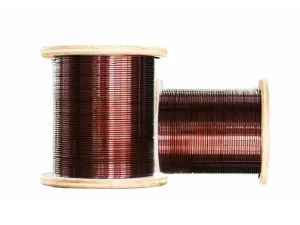
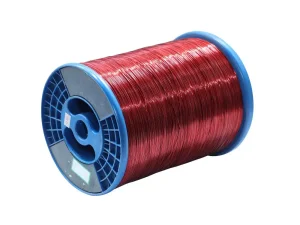
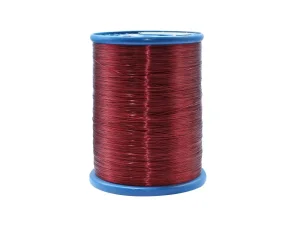
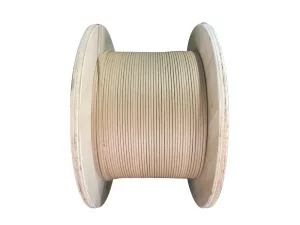
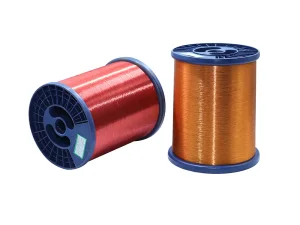
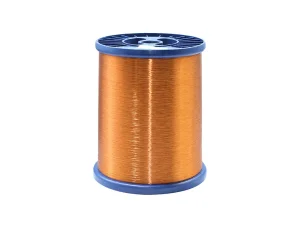
Analyzing market demand, manufacturing ecosystems, and materials engineering in electrical windings.
In the age of energy transition, Alambre de Bobina (known globally as magnet wire or winding wire) acts as the fundamental electromagnetic link in modern motors, generators, and transformers. Driven by the mass migration to electric vehicles (EVs), automation systems, and high-efficiency smart grids, procurement strategies have moved away from commodity buying toward strategic raw-material risk planning, high thermal resilience, and certification alignment.
Purchasing directors from regions like the Americas, the European Union, and the Middle East are re-evaluating supply pipelines. Key considerations include the mechanical performance of the bare metal, chemical purity of the insulation enamel (such as Polyamide-imide or Polyurethane), and environmental metrics like carbon footprint. The choice between enameled copper and enameled aluminum wire now impacts not just manufacturing costs, but also the total system weight and efficiency profiles of large-scale electrification projects.
We provide stable pricing architectures using London Metal Exchange (LME) copper and aluminum indexes, reducing vulnerability to raw material volatility.
Fully compliant with EU RoHS and REACH regulations, guaranteeing that our magnet wires contain no hazardous substances, supporting circular design.
Through robust logistics and custom storage configurations, we offer reliable delivery cycles and container optimization for global ports.
Decoupling the thermal, mechanical, and insulation criteria of advanced winding wires.
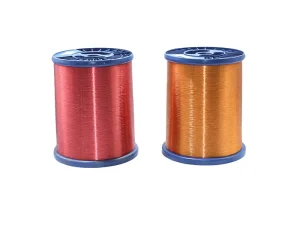
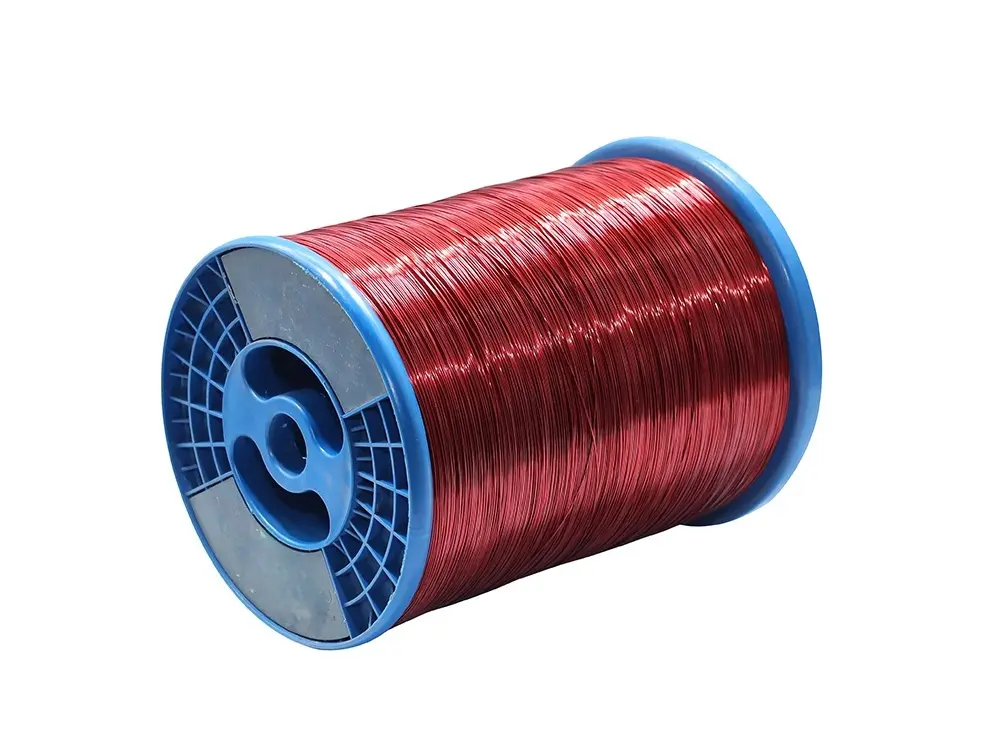
Choosing the correct Alambre de Bobina requires understanding how insulation chemistry interacts with thermal classes. Standard formulations like Polyester (PEW) and Polyurethane (UEW) are suitable for normal operational levels, whereas Polyesterimide (EIW) and Polyamide-imide (AIW) offer high resistance up to 220°C. For industrial environments prone to power spikes and high voltage stresses, dual-coat systems (EIW/AIW) prevent early breakdown by improving resistance to partial discharge.
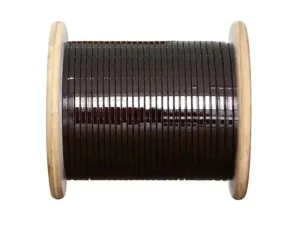
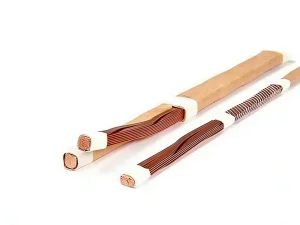
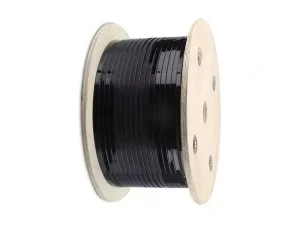
In addition to insulation chemistry, conductor geometry is highly important. Rectangular and flat enameled wires are increasingly chosen over round wires. Flat wire geometries maximize slot fill factors in motors and transformers, reducing airspace, lowering resistance, and improving heat dissipation. This flat profile is key to building smaller, more efficient electric drive motors and heavy-duty generators.
For over a decade, Suzhou Daiming Electrical Materials Co., Ltd. has developed and produced high-performance enameled winding wires. Spanning an expansive 258,333.33 ft² facility equipped with 30 automated production lines, we ensure a stable supply of products to meet growing global demands.
Our technical team averages over ten years of specialized experience in insulation systems, chemical design, and international standards (including IEC, NEMA, and JIS). By controlling quality from incoming copper rod inspection to final testing of dielectric strength, scratch resistance, and breakdown voltage, we provide high reliability to engineering and procurement teams in over 10 countries.

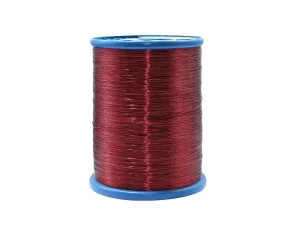
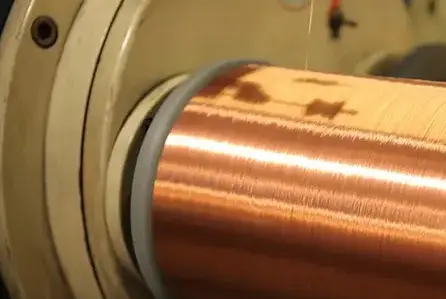
Consistent application of lacquer coats helps prevent insulation voids, reducing the risk of motor failures under high voltage.
We supply round, flat, and transposed wires in exact dimensions, designed to match the winding space limits of your systems.
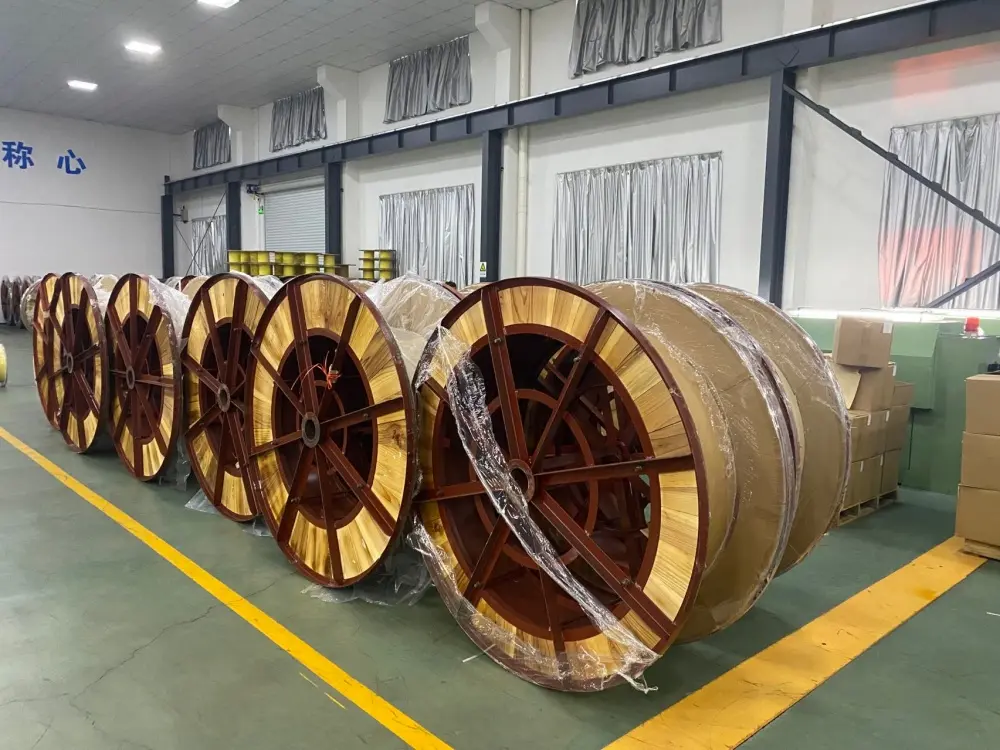
We offer flexible shipping arrangements to regional terminals, using protective packaging to prevent wire damage during transit.
How our enameled winding solutions enable performance across key industrial sectors.
Our enameled wires provide high thermal limits and consistent mechanical properties, making them suitable for reliable operation in industrial motors and power transformers.
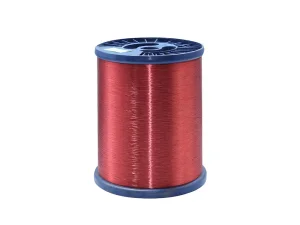
For home appliances and power supplies, our thin-gauge enameled wires provide high insulation reliability in compact footprints, helping designers meet energy efficiency targets.
Engineered to handle high cycles and rapid thermal changes, these winding wires support high reliability in solenoids, sensors, and servo motors for automated assembly lines.
Stay updated with research on magnet wire technologies and high-voltage electrical insulation developments.
As copper prices remain high, enameled aluminum wire offers a lightweight, cost-effective alternative for high-volume electrical equipment without compromising insulation class parameters.
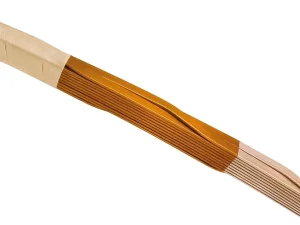
Modern power grids require low losses in high-voltage equipment. Discover how Continuously Transposed Conductors (CTC) improve energy efficiency and mechanical strength in transformer windings.
Technical answers to key inquiries regarding specifications, standards, and procurement of enameled winding wires.
The primary difference is the continuous thermal operating limit. Class 180 wires (typically insulated with Polyesterimide - EIW) are rated for continuous service up to 180°C. Class 220 wires (insulated with Polyamide-imide - AIW) can withstand continuous operation up to 220°C, providing higher resistance to thermal overload and transient heat spikes in heavy-duty machinery.
Flat (or rectangular) enameled wire provides a higher slot fill factor in stator and rotor configurations. By minimizing the void space within the slot, flat wire reduces winding resistance, lowers heat generation, and improves thermal transfer. This geometry supports the design of smaller, highly efficient electric vehicle drive motors and transformers.
CCA wire features an aluminum core bonded to an outer sleeve of copper. It offers a lightweight alternative to copper, matching its solderability while being lighter and less expensive than solid copper wire. This makes it suitable for high-frequency applications and consumer appliances where weight reduction is a primary target.
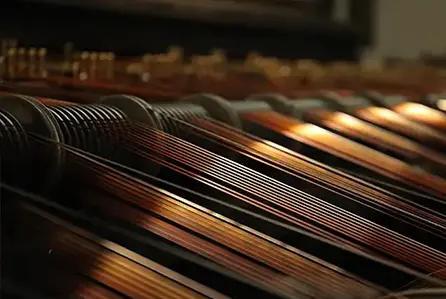
We maintain quality through automated inline controls, measuring wire outer diameter, concentricity, and coating thickness at each production step. The finished product undergoes testing for dielectric breakdown voltage, springback angle, flexibility, elongation, and pinhole density using high-voltage detection systems, ensuring compliance with NEMA MW 1000 and IEC 60317 standards.
We supply wire on PT-4, PT-10, PT-25, and high-capacity cylindrical spools designed for high-speed automated winding equipment. Custom packaging configurations can be arranged to match different machine de-reeling setups, helping to minimize down-time during spool changes.
Select from our range of enameled wire formulations, dimensions, and insulation layers for your application needs.