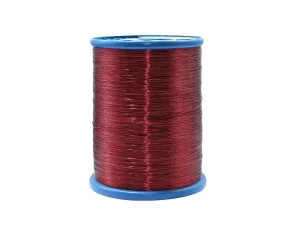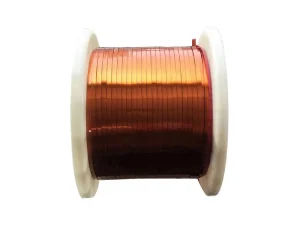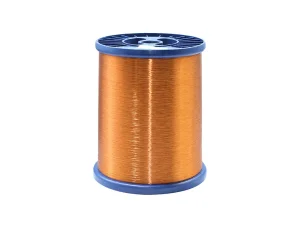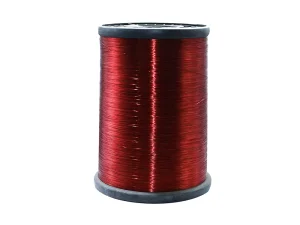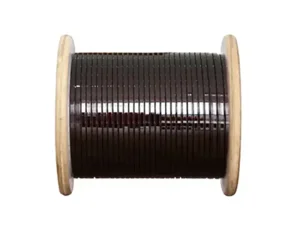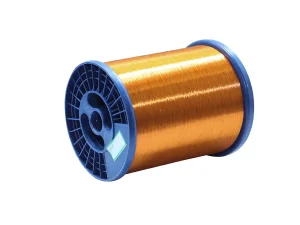
Premium industrial enameled wires and paper-covered windings engineered to standard specifications for global high-power applications.
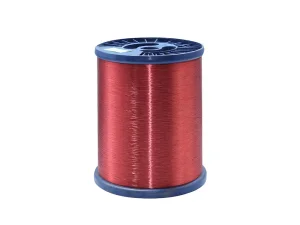
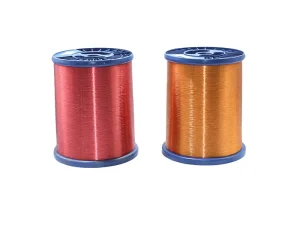
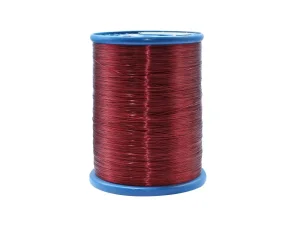
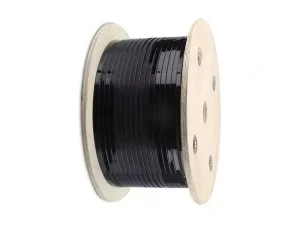
In the realm of advanced electromechanical engineering, the selection of winding wire insulation is critical to the efficiency, thermal management, and service life of the machinery. Qz coated copper wire, historically classified under national and international standards (commonly referred to as polyester enameled copper wire or PEW), represents a foundational component in electromagnetic induction systems. Designed with a synthetic polyester-based insulation coating, Qz wire offers an exceptional balance of dielectric strength, mechanical toughness, and cost efficiency, making it the industry standard for general-purpose electric motors, automotive alternators, and low-to-medium voltage transformers.
The manufacturing process of Qz coated copper wire involves multiple passes of applying high-grade polyester varnish onto oxygen-free copper rods, followed by high-temperature curing in vertical or horizontal baking ovens. This creates a uniform, highly concentric insulation layer that adheres tightly to the copper core, ensuring optimal space factor, minimum pinhole rates, and superior resistance to winding stress and vibration. Modern Qz wire variations incorporate modified polyester-imide (EIW) or polyamide-imide (AIW) topcoats to elevate the thermal performance to Class 180, 200, and 220, meeting the high-performance demands of modern high-power-density designs.
Thermal stability dictates the maximum continuous operating temperature of enameled wires without degradation of their physical properties. We offer a comprehensive suite of thermal classifications designed to address specific industrial thermal environments:
| Insulation Type / Designation | Thermal Class | Max Continuous Temp (°C) | Key Performance Features | Primary Industrial Applications |
|---|---|---|---|---|
| QZ / PEW (Polyester) | Class 130 / 155 | 130°C / 155°C | Excellent mechanical windability, baseline chemical resistance. | Standard domestic appliance motors, fractional HP motors, small transformers. |
| QZY / EIW (Polyester-imide) | Class 180 | 180°C | Enhanced heat-shock resistance, elevated breakdown voltage, chemical stability. | Industrial automation actuators, general-purpose dry transformers, refrigeration compressors. |
| EIW/AIW (Polyester-imide + Polyamide-imide) | Class 200 / 220 | 200°C / 220°C | Outstanding resistance to overload, high breakdown voltage, corona discharge mitigation. | EV drive motors, heavy-duty traction motors, wind turbine generators, high-frequency switch-mode power supplies. |
For custom engineering projects, the mechanical profile of the wire can be tailored through multiple insulation thicknesses (Grade 1, Grade 2, or Grade 3 coatings, representing thin, thick, and extra-thick insulation wraps). These thickness parameters directly influence the dielectric breakdown strength, allowing engineers to balance slot fill factors with electrical insulation reliability.
For procurement officers and supply chain directors at Tier-1 automotive and global power grid equipment manufacturers, sourcing Qz coated copper wire is no longer just a transaction of commodity buying. It is a strategic exercise in quality assurance, compliance adherence, and volatile cost-risk management. The global shift toward electrification in industrial machinery, combined with the explosive growth of Electric Vehicles (EVs) and high-voltage grid integrations, has intensified the demand for ultra-reliable winding materials. In high-power systems, a single insulation failure in a stator coil can lead to catastrophic motor burnout, causing expensive operational downtime and liability claims.
Therefore, sophisticated industrial buyers prioritize the following criteria during supplier vetting and audits:
Translating material science into industrial performance. How our enameled and wrapped wire solutions empower primary global sectors.
Highly resistant winding wires designed for automated stator slot insertion. Excellent adhesion and flexibility ensure low defect rates in large-scale assembly of standard electric motors, high-frequency transformers, and distribution grids.
Delivering consistent electrical insulation for micro-motors, cooling fans, washing machine motors, compressor coils, and precision relays where space optimization and long-term operating reliability are key constraints.
Ultra-fine enameled copper wires providing high-density magnetic fields in control solenoids, high-accuracy actuators, encoder sensors, and inductive proximity switches operated in hot, vibrating, or oily environments.
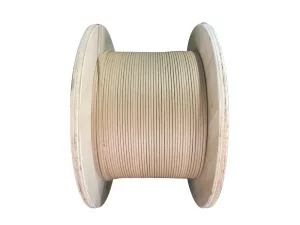
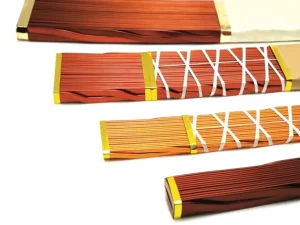
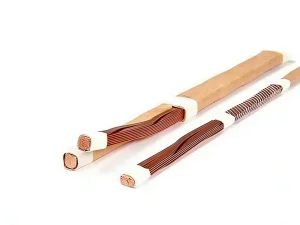
Robust conductor systems including CTC (Continuously Transposed Conductors) and paper-wrapped profiles tailored for substation power transformers, hydro-power generators, and offshore wind-power converter units.
Targeted development for electric drive motors under high dv/dt voltage stresses. Our advanced enameled wires feature specialized polymer formulations designed to withstand severe corona discharges and mitigate partial discharge damage, ensuring high durability in automotive EV drivetrains and inverter-driven industrial systems.
As power grid voltages rise and space inside electric machines diminishes, winding wire technology must adapt. The industry roadmap points to three clear trends where Daiming Electrical is actively investing and deploying solutions:
The transition of EV battery architectures from 400V to 800V allows for faster charging times and higher drivetrain efficiency. However, this higher voltage stresses the insulation of traction motor windings by generating severe high-frequency voltage spikes (surge transients). Under these conditions, conventional polyester or polyurethane coatings experience localized electrical stress exceeding the corona inception voltage (CIV), leading to destructive partial discharges. To combat this, next-generation enameled wires are developed with nano-silica or metal-oxide filled polymers that scatter the charge and resist thermal-electrical erosion, vastly prolonging motor service life.
Compared to traditional round wire windings, rectangular or flat copper wire windings enable a higher copper fill factor (up to 80% slot fill compared to 50% for round wires). This minimizes void space inside the stator slots, significantly improving thermal conductivity, reducing copper losses (I²R losses), and allowing motors to be downsized while maintaining or increasing their power output. Extrusion and drawing of flat profiles with high-precision corner radii demand exact process control to prevent coating thinning at the corners, a technical capability our production lines guarantee.
Modern sustainability targets require decarbonization throughout the supply chain. Enameled wire manufacturing is energy-intensive due to the high baking temperatures required for curing. Implementing closed-loop catalytic incineration systems that reuse the heat generated by burning solvent vapors is key to reducing carbon emissions. Additionally, incorporating certified low-carbon or recycled copper cathodes helps global OEMs reduce their Scope 3 greenhouse gas emissions without compromising electrical conductivity or mechanical ductility.
Combining decade-long manufacturing experience with advanced quality-assurance testing systems.
Suzhou Daiming Electrical Materials Co., Ltd. is a leading manufacturer of high-quality enameled wires, including enameled aluminum wires, enameled copper wires, and enameled copper-clad aluminum wires. Situated on a sprawling 258,333.33 ft² site, our advanced production facility houses 30 state-of-the-art production lines. This robust infrastructure enables us to maintain a stable and high-volume output, ensuring consistent supply to meet global market demands. With strict quality control at every stage, from raw material inspection to final product testing, we uphold the highest industry standards, guaranteeing the durability and performance of our enameled wires.
Our engineering and production teams possess over ten years of industry experience and are proficient in product characteristics, international standards (IEC, NEMA, JIS, GB), and advanced process flows. Rather than just acting as a component supplier, we provide professional application engineering support. From wire diameter specifications and thermal endurance adjustments to custom packaging and logistics, we ensure precise matching to your technical needs.

Sourcing electromagnetic materials internationally requires comprehensive certification and compliant operations. Our factory maintains rigorous quality systems to facilitate seamless customs clearance and direct delivery to manufacturing plants worldwide.
Environmental and Materials Compliance: All enameled and wrapped wires are fully compliant with RoHS and REACH regulations, guaranteeing that our products are free from restricted hazardous substances. We maintain ISO 9001 and ISO 14001 certifications, ensuring that our production processes are governed by standardized quality policies and environmentally responsible practices.
Worldwide Logistics Strategy: Recognizing that lead times affect production planning, we have optimized our supply chains to support global delivery. A representative case is our recent export of high-quality Continuously Transposed Conductors (CTC) to Turkey, which supported a regional transmission grid upgrade. Whether your facility is in Europe, North America, or Asia, our logistics partners ensure shipping documentation, custom packaging on plastic/wooden spools, and sea/air freight are coordinated for on-time arrivals.
Technical and procurement inquiries regarding Qz coated wires, materials, and ordering procedures.
Qz (PEW) wires are coated with polyester resins, which provide higher mechanical toughness, scratch resistance, and thermal stability (typically Class 130 to 185). They require mechanical or chemical stripping before soldering. Qa (UEW) wires use polyurethane insulation, which is self-solderable (the coating melts at soldering temperatures of 360°C-400°C, allowing direct soldering without stripping), but they offer lower mechanical strength and are generally limited to lower thermal classes.
Yes. Dielectric breakdown voltage is governed by the insulation layer thickness, which is standardized into Grade 1 (thin), Grade 2 (thick), and Grade 3 (extra thick). We can adjust the coating passes on our production lines to meet specific breakdown requirements, ensuring compliance with NEMA MW 1000 or IEC 60317 standards.
Every production batch undergoes comprehensive quality control testing, including dimension measurement, spring-back angle testing, flexibility and adhesion testing (mandrel wrap test), heat-shock testing, pinhole testing (saltwater bath), and high-voltage dielectric breakdown testing. Test reports can be provided with shipment documents.
Copper is a publicly traded commodity, and its price fluctuates based on global supply and demand. To mitigate this risk, we offer flexible purchasing contracts, including copper price-locking agreements based on the London Metal Exchange (LME) index, or we work with customer-supplied raw material programs.
CTC consists of multiple individual enameled flat wires arranged in a transposed design, wrapped in high-grade insulation paper. It is primarily used in large power transformers. By transposing the individual conductors, CTC reduces eddy current losses and skin-effect losses under high load conditions, while improving windability and short-circuit mechanical strength.
We support standard industrial spool configurations, including PT-4, PT-10, PT-15, PT-25, cylindrical spools, and tapered spools, depending on the wire gauge. Spools are packed in sea-worthy carton boxes and secured on pallets with plastic shrink wrap to prevent moisture damage during ocean transit. We offer EXW, FOB, CIF, and DDP delivery terms.
Stay updated with the latest technological developments, export highlights, and market updates from Daiming Electrical.
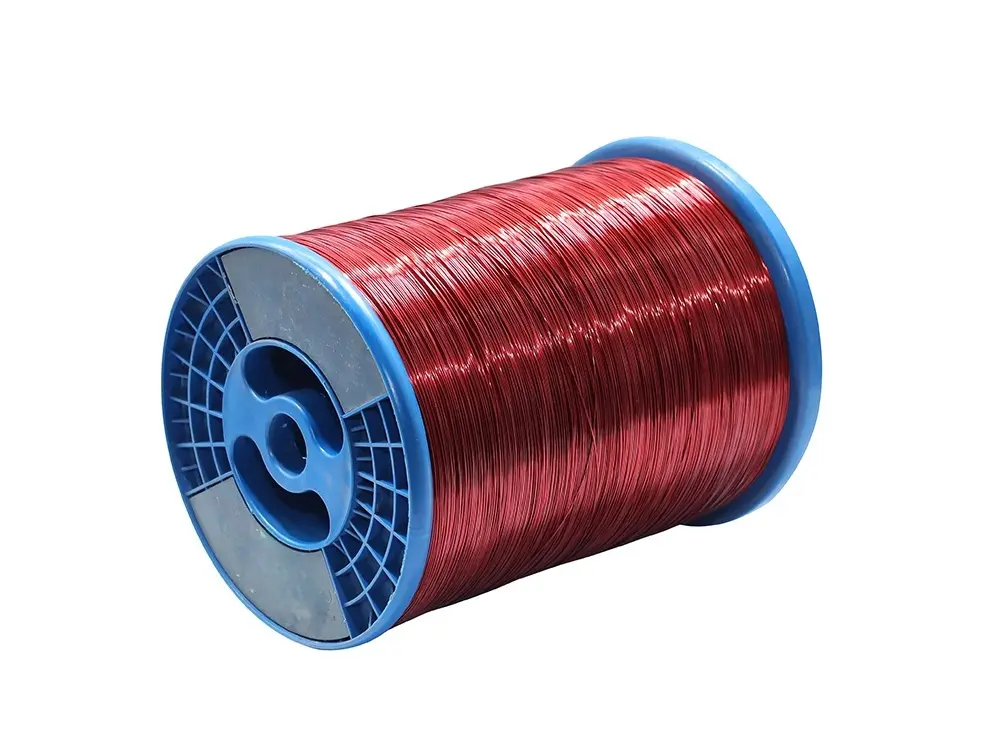
With the rapid development of new energy and high-end manufacturing in 2026, cost control and raw material selection are vital. Learn how our optimized aluminum wire options help reduce bill-of-materials costs while maintaining performance.
Read More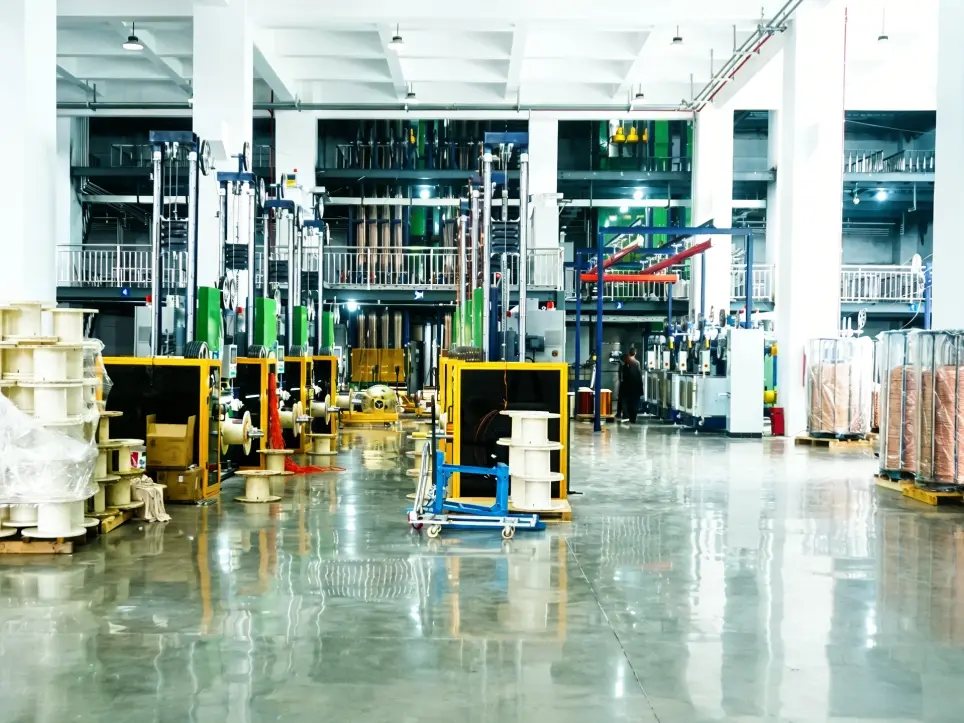
Faced with operational challenges caused by raw metal fluctuations, copper-clad aluminum enameled wire has emerged as a reliable replacement for standard copper wire in domestic appliances and high-frequency coils, offering a lighter weight and optimized cost structure.
Read More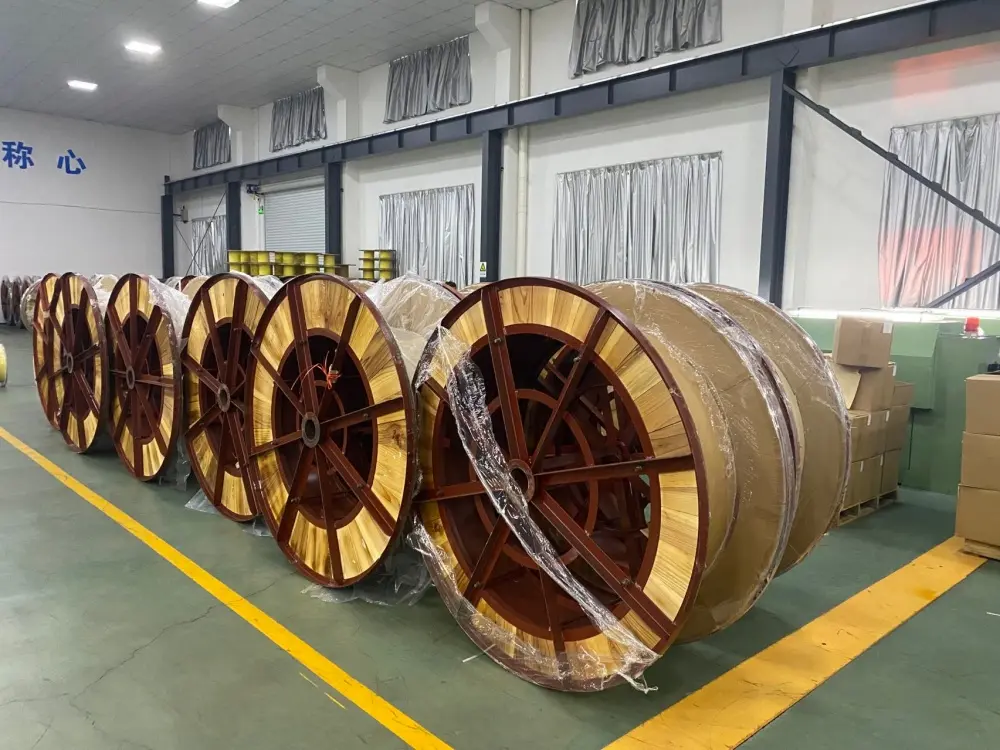
New Overseas Shipment News | High-quality CTC Continuous Transposed Conductors exported to Turkey, meeting strict electrical and mechanical test protocols to support regional power grid expansion and high-voltage transmission upgrades.
Read MoreFrom ultra-high thermal resistance enameled wires to customized paper-wrapped conductor strips, explore our catalog.