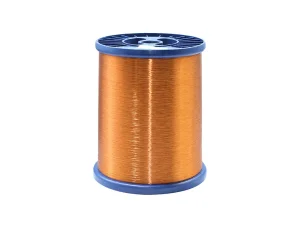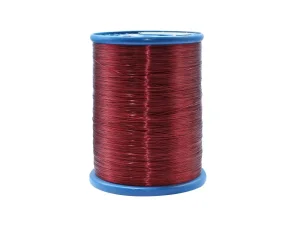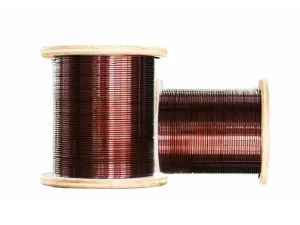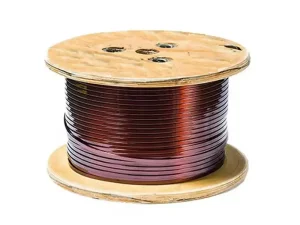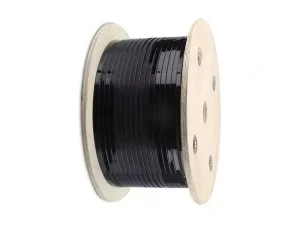
Explore our industrial-grade enameled aluminum, copper, and continuously transposed conductor portfolio manufactured under strict ISO standards.
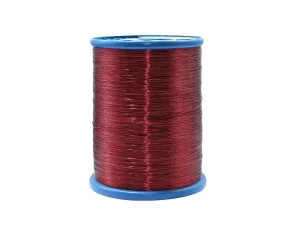
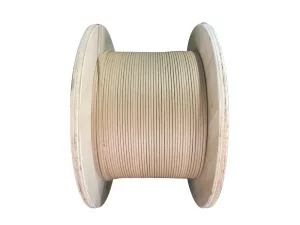
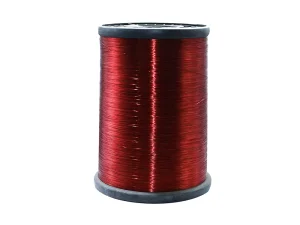
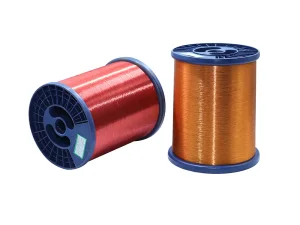
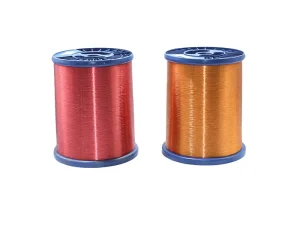
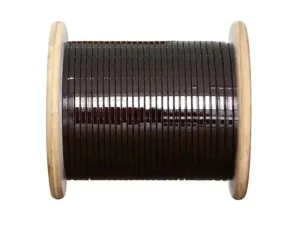
A comprehensive analysis of insulation mechanics, materials, thermal capabilities, and manufacturing criteria for global power system grids and heavy-duty industrial applications.
In modern high-voltage (HV) transformer engineering and high-efficiency motor fabrication, insulation acts as the critical barrier preventing dielectric breakdown and thermal failures. At high operating voltages—especially in systems exceeding 800V platforms or high-voltage transmission lines—insulating materials are subjected to intense mechanical stress, localized electric fields, and high thermal fluxes. Standard insulation methods are insufficient for preventing corona discharges and partial discharge degradation, which occur under high-frequency pulse-width modulation (PWM) waves in inverter-driven motors.
To resist these degradations, specialized insulating layers like polyesterimide (EIW), polyamide-imide (AIW), and polyimide (PI) varnishes are formulated with specific chemical properties. In magnet wire production, the uniformity and adhesion of the lacquer insulation layer are critical. These layers prevent micro-voids during fast continuous extrusion and enameling processes, ensuring the wires perform consistently under extreme mechanical tension and temperature changes.
Operating temperature is the primary factor limiting the lifetime of high-voltage winding systems. Our manufacturing lines run specialized processes designed to achieve varying thermal classifications, including:
Understanding these thermal indices is critical for procurement departments, as using the correct class ensures long-term operational stability and prevents insulation failure in high-voltage environments.
In high-power grid systems and industrial distribution networks, large-capacity transformers generate significant magnetic leakage fields. When standard solid rectangular conductors are used, eddy currents cause significant electrical losses and localized hotspots. Continuously Transposed Conductors (CTC) solve this engineering challenge.
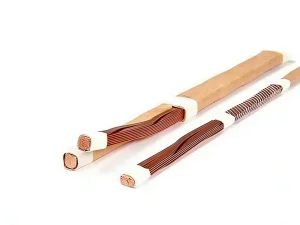
A CTC bundle consists of multiple enameled rectangular wires, typically insulated with polyvinyl acetal (PVF) or epoxy-blend coatings, arranged in a specific transposed pattern. This transposing ensures that each sub-conductor alternates its position within the slot or window, balancing the induced voltage and neutralizing eddy currents. For mechanical stability during short-circuit stresses, self-adhesive epoxy coatings (such as self-bonding epoxy resin mesh wrapping) are applied. These resins cure during transformer drying cycles to form a highly rigid, thermally stable structural unit.
Dual-coating systems (PEW/UEW/EIW/AIW) retain their insulating properties at high voltage frequencies, preventing partial discharge degradation in 800V EV motors.
Optimized wire draw-ratios and continuous curing ensure the insulating film does not crack or peel under tension during high-speed automated winding processes.
Polyamide-imide (AIW) top-coats resist transformer oils, industrial solvents, and operating temperatures up to 220°C without mechanical degradation.
Customer needs as the core. Empowering global power transmission, industrial machinery, and automotive electrification.
Suzhou Daiming Electrical Materials Co., Ltd., is a leading manufacturer of high-quality enameled wires: enameled aluminum wires, enameled copper wires, and enameled copper-clad aluminum wires. Situated on a sprawling 258,333.33 ft² site, our advanced production facility houses 30 state-of-the-art production lines. This robust infrastructure enables us to maintain a stable and high-volume output, ensuring consistent supply to meet global market demands. With strict quality control at every stage, from raw material inspection to final product testing, we uphold the highest industry standards, guaranteeing the durability and performance of our enameled wires.
The team members have over ten years of industry experience and are proficient in the product characteristics, international standards, and process flow of enameled wire. We support specialized requests, from custom wire diameters and specific thermal indices to complex multi-conductor transposition configurations (CTC) for high-power grid infrastructure.

How Suzhou Daiming uses advanced regional supply chains, strict compliance protocols, and logistics networks to serve industrial partners worldwide.
In high-voltage wire manufacturing, raw copper and aluminum represent a major portion of overall costs. Global market volatility can disrupt project budgets and delivery timelines. By partnering with leading Chinese copper and aluminum refiners, Suzhou Daiming secures access to high-purity raw materials, including electrolytic copper cathodes with 99.99% purity and high-conductivity electrical-grade aluminum rods.
Our integrated manufacturing model combines continuous extrusion drawing, automated multi-pass enameling, inline laser diameter measurement, and automated packing. This streamlined workflow reduces material waste, lowers energy consumption, and provides cost-effective pricing for global distributors, transformer OEMs, and motor rebuild facilities.
To qualify as a Tier-1 supplier for international utility grids and automotive networks, compliance with international standards is mandatory. Suzhou Daiming maintains strict quality assurance protocols at every production step:
We supply engineering teams in over ten cooperating countries, offering comprehensive technical support from design to delivery. Whether optimizing wire dimensions for high-slot-fill electric motors or designing self-adhesive CTC configurations for power distribution grids, our engineers provide detailed product drawings, material safety data sheets (MSDS), and compliance certificates.
Located in the Suzhou industrial corridor, close to major deep-water ports like Shanghai and Ningbo, we offer fast shipping options, protective seaworthy packaging, and flexible customs clearance documentation, minimizing lead times and transit risks.
Our high-voltage winding wires and transposed conductors are engineered for demanding applications across many industries.
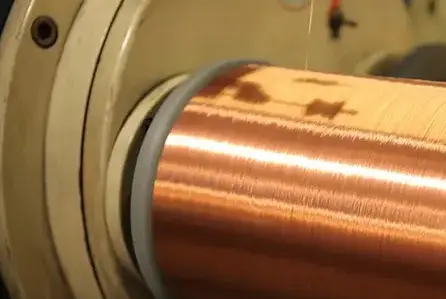
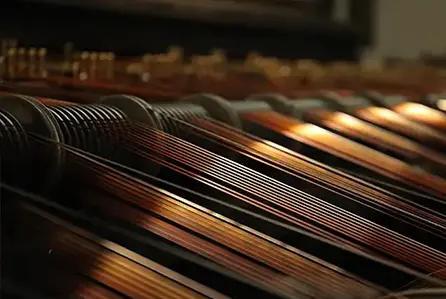
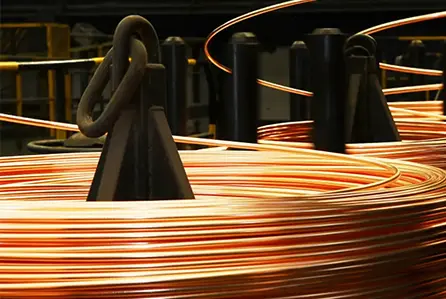
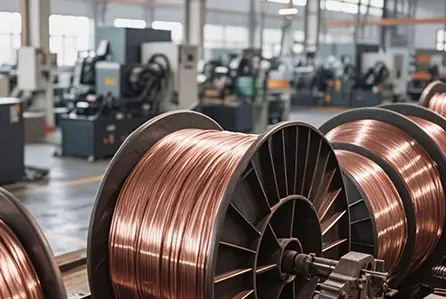
Read our latest updates on high-voltage winding wire developments, materials research, and global shipping milestones.
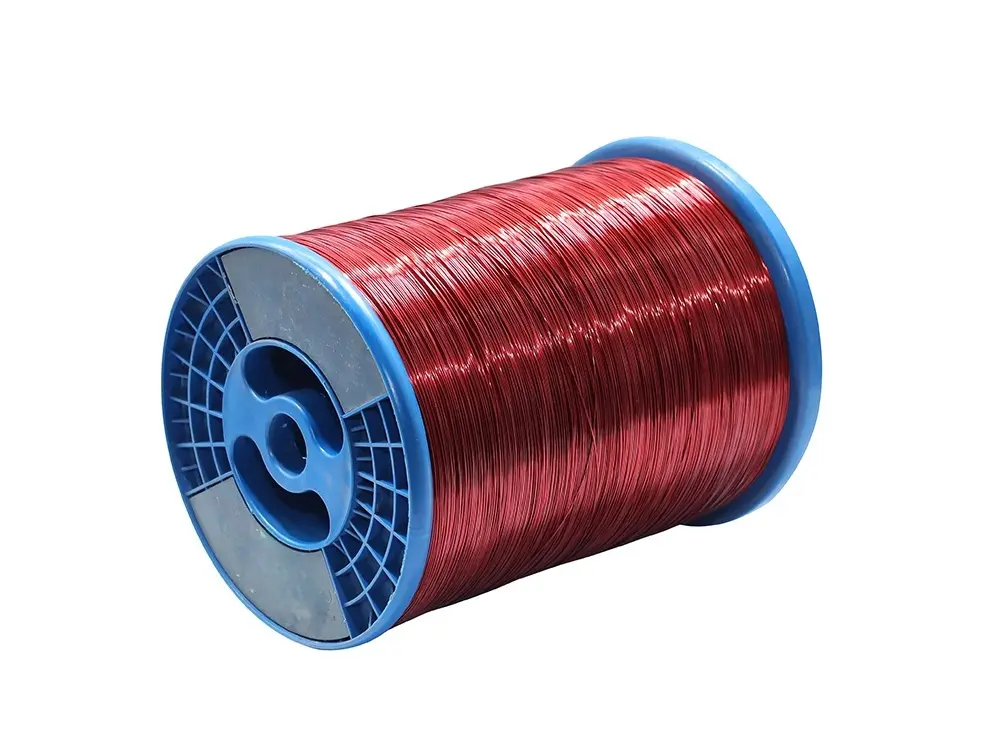
With the rapid development of new energy and high-end manufacturing in 2026, cost control and raw material selection are critical. This article highlights how enameled aluminum wire serves as an efficient alternative...
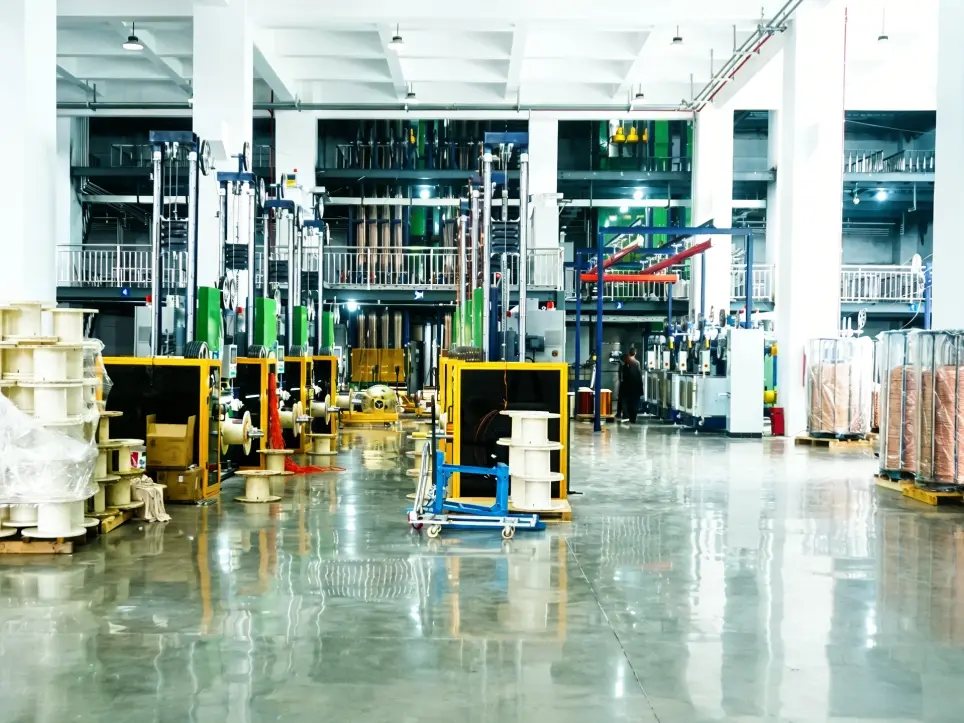
Faced with operational challenges caused by raw material price fluctuations, copper-clad aluminum wire provides a stable, lightweight, and cost-efficient alternative for automotive and motor manufacturers...
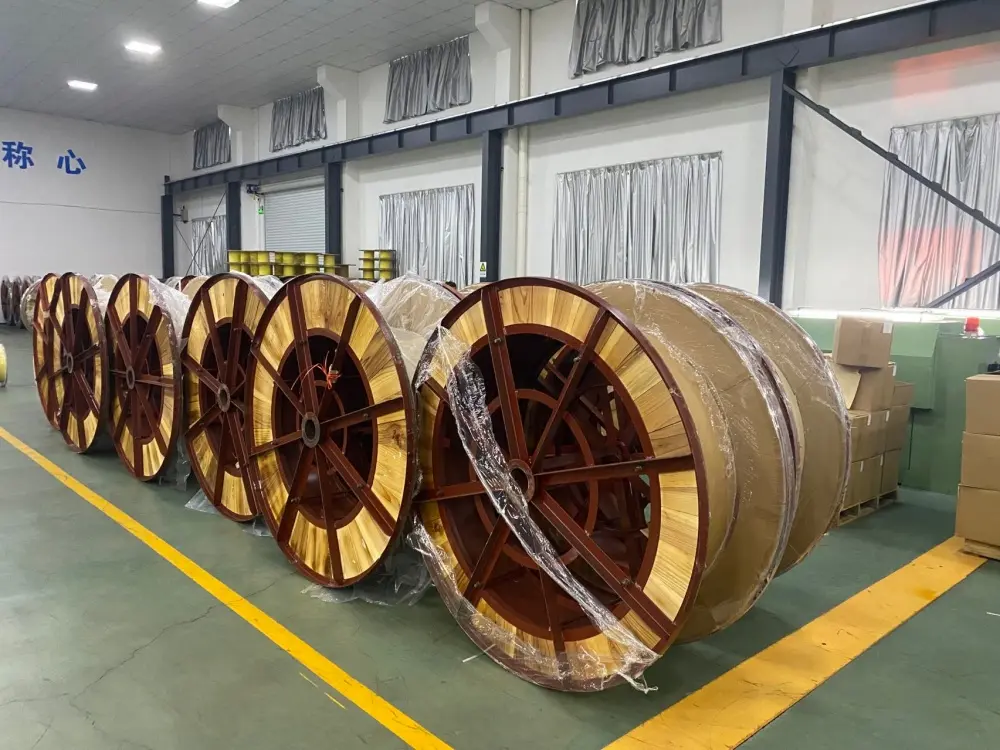
New Overseas Shipment News | High-quality CTC Continuously Transposed Conductors exported to Turkey help optimize heavy-duty transformer units, supporting regional power grid expansions...
As the automotive industry transitions to 800V architectures, enameled wire manufacturers must adapt to new requirements for breakdown resistance and heat dissipation capabilities...
Get answers to common technical, manufacturing, and shipping questions from our engineering team.
The difference lies in their chemical composition and thermal limits. Class 180 wire uses a polyesterimide base coat and operates at temperatures up to 180°C. Class 220 wire features a dual-layer structure with a polyesterimide base coat and a polyamide-imide (PAI) top coat. This provides thermal protection up to 220°C, improved resistance to chemical solvents, and high mechanical scratch resistance.
Solid conductors in large transformers experience significant eddy current losses due to magnetic leakage. CTC bundles transpose multiple insulated sub-conductors along the winding path, balancing the induced voltages and reducing AC losses. This design also improves winding space efficiency and mechanical strength, helping the winding assembly withstand short-circuit stresses.
We use multi-pass dying ovens equipped with precise concentric felt pads and high-precision carbide sizing dies. Automated inline laser monitoring systems measure the outer diameter of the wire in real time. If any deviation from our standards is detected, the line speed and varnish viscosity are automatically adjusted to keep the coating uniform.
CCA enameled wire combines the electrical conductivity of copper with the light weight and cost-efficiency of aluminum. By using a metallurgical-bonded aluminum core clad in a copper sleeve, it provides a cost-effective alternative to pure copper winding wire. This material reduces overall component weight, lowers raw material costs, and helps stabilize pricing during fluctuations in the copper market.
Explore our complete product catalog, featuring specialized flat winding wire, high-conductivity drive motor wires, and high-temperature copper conductors.