A comprehensive showcase of industrial-grade enameled wires and custom transposed conductors for heavy industry procurement.
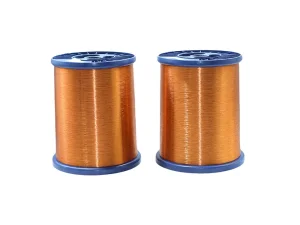
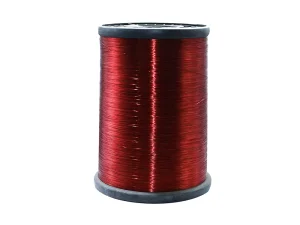
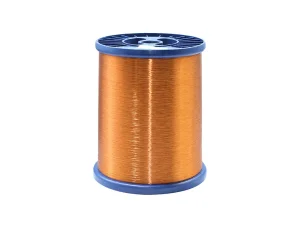
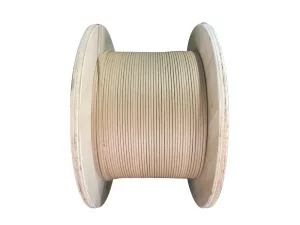
Customer needs as the core — Elevating global electrical conduction systems with precise metallurgy and advanced insulation technologies.
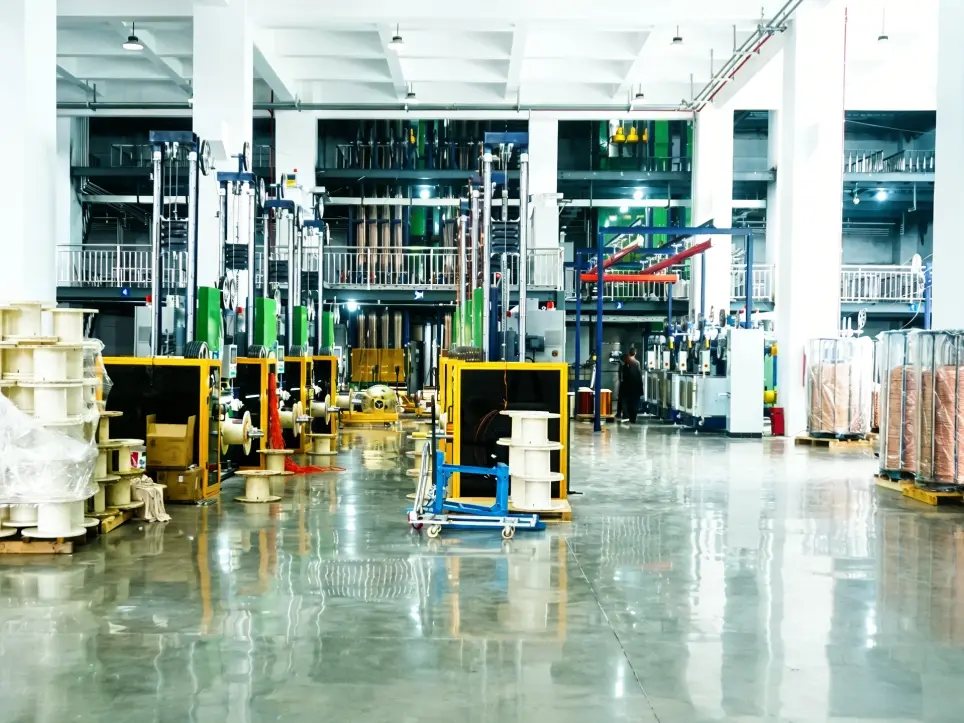
Suzhou Daiming Electrical Materials Co., Ltd., is a leading manufacturer of high-quality enameled wires: enameled aluminum wires, enameled copper wires, and enameled copper-clad aluminum wires. Situated on a sprawling 258,333.33 ft² site, our advanced production facility houses 30 state-of-the-art production lines. This robust infrastructure enables us to maintain a stable and high-volume output, ensuring consistent supply to meet global market demands. With strict quality control at every stage, from raw material inspection to final product testing, we uphold the highest industry standards, guaranteeing the durability and performance of our enameled wires.

Deep-dive research into global grid transit electrification, insulation reliability, and technological developments shaping modern high-capacity wire architecture.
The rapid decarbonization of the global transportation and industrial sectors is placing unprecedented strain on modern grid delivery systems. Electric high-speed railways (HSR), light rail transits, industrial automation centers, and high-frequency power plants demand stable and efficient overhead line systems. Enameled catenary conductor technologies represent a key design vector within this infrastructure. They supply traction energy to locomotives while maintaining the dielectric isolation required to protect equipment from voltage surges, mechanical fatigue, and environmental corrosion.
Across Europe, North America, and dynamic industrial corridors in Asia, power grids are transitioning to handle higher density transmission capacities. By implementing specialized copper and aluminum wire configurations featuring multi-layered enameled insulations, utility operators are reducing transmission losses, optimizing heat dissipation, and extending the operational lifecycle of railway overhead lines, traction transformers, and substation motor drivers.
"Enameled catenary conductors and transposed assemblies represent the critical baseline in the construction of low-loss electromagnetic propulsion units, directly impacting the grid stability of modern transportation links."
The performance of enameled wire is fundamentally defined by the chemistry of its polymer coatings. Classical magnet wires operated at thermal classifications that limited their deployment under extreme loads. Modern industrial applications require wire insulation to endure sustained thermal thresholds of up to 220°C.
To meet these demanding engineering constraints, key material formulations have emerged:
| Insulation Class | Base Polymer Coating | Thermal Index | Primary Industrial Use Cases |
|---|---|---|---|
| Class 130 | Polyurethane / Polyester | 130°C | Standard domestic appliances, small transformers, relays |
| Class 155 | Polyurethane (UEW) | 155°C | Precision electronics, automotive sensors, coils |
| Class 180 | Polyesterimide (EIW) | 180°C | Industrial automation stators, heavy-duty transformers |
| Class 200 | Polyesterimide + Polyamide-imide (EI/AIW) | 200°C | High-voltage traction motors, 800V EV drivetrains |
| Class 220 | Polyamide-imide (AIW) Overcoat | 220°C | Heavy railway overhead contact networks, aerospace power cells |
Leveraging precise quality controls to deliver superior electrical performance, physical strength, and longevity.
Each production run undergoes continuous online laser monitoring to verify film concentricity and cross-sectional uniformity. This process ensures high breakdown resistance and prevents dielectric faults.
The dual-coat enamel system creates a resilient physical shell. The wires withstand high mechanical winding speeds and resist cracking under severe mechanical tension.
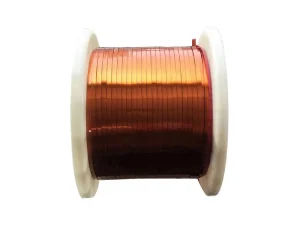
We supply flat, round, and transposed shapes tailored to your specifications. Our profiles optimize slot-fill factors in motors, resulting in smaller footprints and higher power outputs.
The global raw materials market is characterized by price volatility in copper and aluminum, meaning component sourcing requires deep supply chain integration. Suzhou Daiming Electrical Materials Co., Ltd. addresses this challenge by combining robust raw material procurement networks with high-capacity processing operations. Located in the Suzhou industrial hub, the factory coordinates shipping logistics across global rail systems and deep-water ports.
Operating 30 high-speed production lines, the factory relies on automated drawing-annealing-enameling lines that minimize human handling. In-line testing systems monitor conductor wire diameter, surface smoothness, pinhole density, and spring-back properties in real time. These automated quality control loops verify that every batch meets the dimensional tolerance and mechanical performance criteria defined by IEC, NEMA, and JIS industry standards.
By integrating raw material sourcing, drawing, enameling, and logistics under one roof, Daiming optimizes manufacturing lead times. This vertical integration helps insulate project developers and procurement directors from unexpected supply bottlenecks.
"A supply chain's strength relies on its manufacturing repeatability. Our 30 continuous-extrusion production lines deliver consistent dimensional accuracy, helping global grid projects run without delay."
When evaluating suppliers for catenary components or electromagnetic windings, procurement engineers must balance performance requirements against cost limits. Understanding the functional differences between wire profiles helps ensure the right choice:
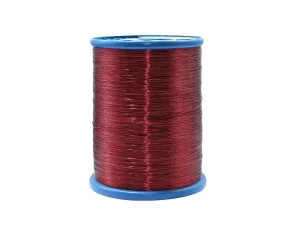
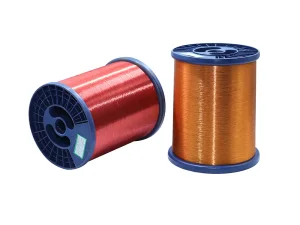
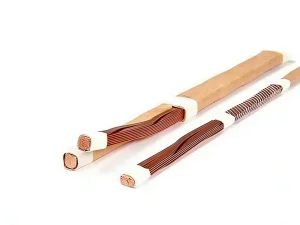
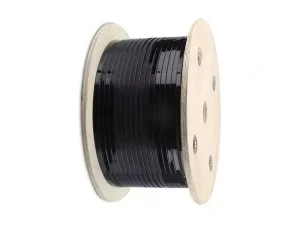
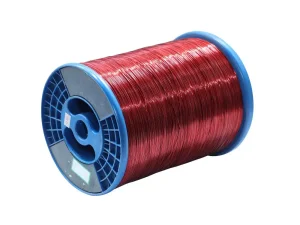
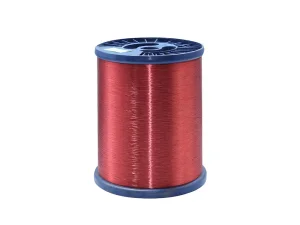
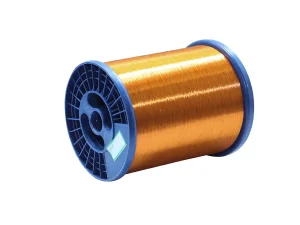
Explore our core product lines, featuring precision-enameled aluminum, copper, and transposed wire configurations.


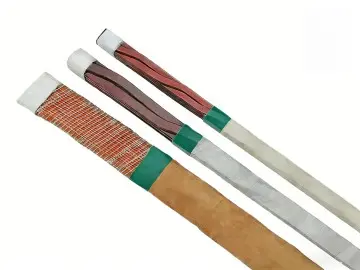
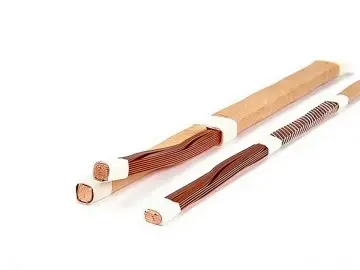
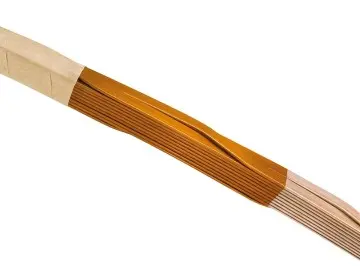
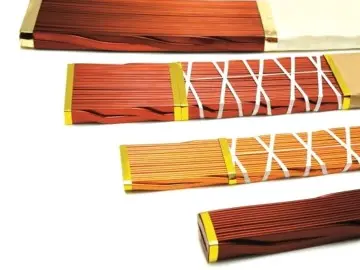
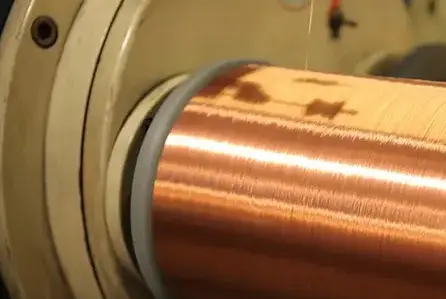
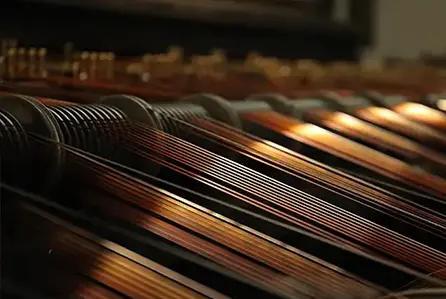
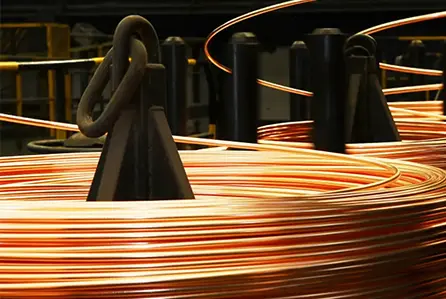
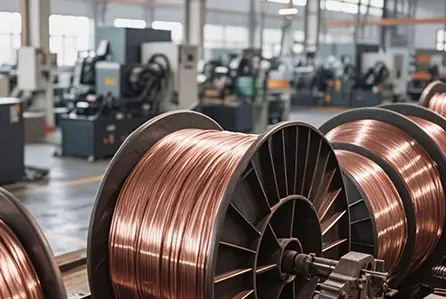
Our enameled wires and custom transposed conductors deliver reliable power transmission in high-demand environments worldwide.
Follow emerging trends in enameled conductor design, from 800V EV architectures to global grid upgrades.
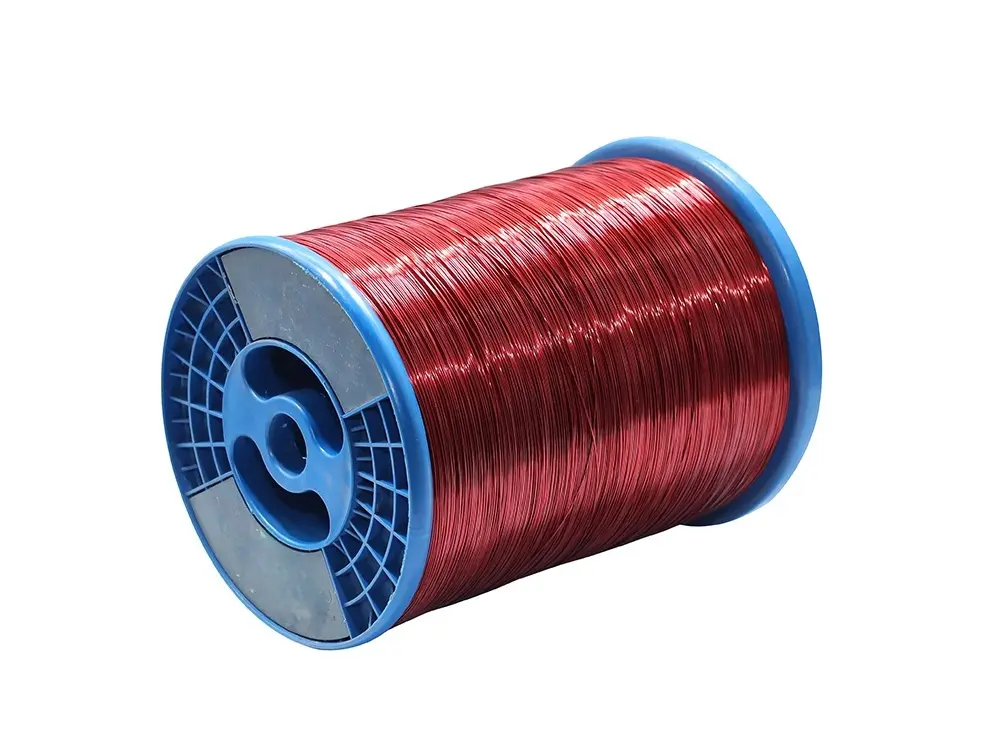
With fluctuations in commodity prices, enameled aluminum wire offers a lightweight, budget-friendly alternative for industrial applications.
Discover how CCA wires use skin effect properties to deliver reliable performance in high-frequency applications at a lower cost.
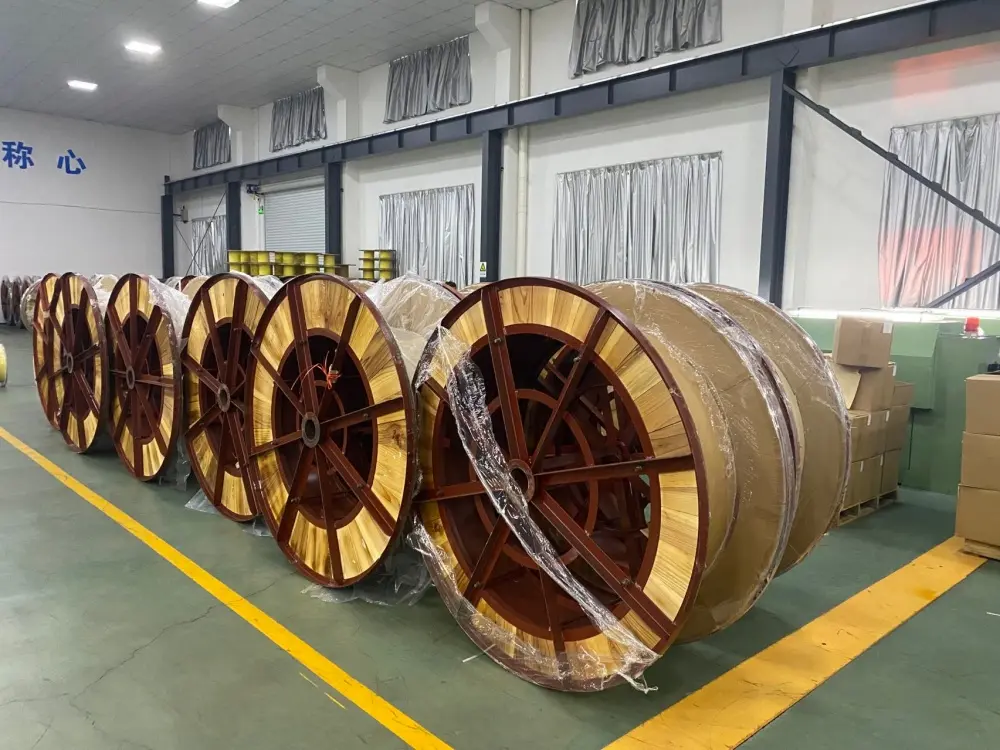
Daiming's high-capacity transposed conductors are selected for a key substation upgrade project in Turkey, expanding our international presence.
Explore our selection of specialized high-temperature enameled and paper-covered wires for heavy industrial applications.
Find answers to common questions about material specifications, insulation performance, and logistics for international orders.
The class rating indicates the maximum continuous operating temperature of the wire's polymer insulation in degrees Celsius. Class 180 wires (typically insulated with Polyesterimide) are designed for standard industrial motors and transformers. Class 200 and 220 wires feature a Polyamide-imide (AIW) topcoat, providing high thermal stability, chemical resistance, and dielectric strength. These higher-class wires are well-suited for demanding environments, such as high-speed traction motors and 800V electric vehicle drivetrains.
CTC structures transpose individual flat enameled wires in a braided configuration. This arrangement helps balance the magnetic fields across each strand, which reduces eddy current losses and hot spots in large power transformers. By minimizing these electrical losses, CTC makes transmission equipment more efficient and helps extend its overall operating life.
Enameled flat wire (rectangular wire) allows for a higher slot-fill factor in motors and transformer coils. By eliminating the empty spaces typical of round wire layouts, flat wire packs more conductive material into the same area. This design improves heat dissipation, increases winding efficiency, and helps reduce the overall size of the electrical component.
CCA wire is a practical choice for applications where weight and cost need to be managed, but high frequency conduction is still required. Because of the skin effect, high-frequency currents flow primarily along the outer layer of a conductor. CCA's copper cladding handles this surface flow, while its aluminum core keeps the overall assembly light and cost-effective. However, for applications requiring high mechanical strength or the lowest electrical resistance at standard power frequencies, pure copper remains the preferred material.
Our quality control processes start with verifying raw material purity and continue through each stage of production. Across our 30 production lines, automated sensors monitor wire diameter, surface finish, and winding characteristics in real time. Standard mechanical and electrical tests (such as spring-back, paint adhesion, thermal shock, and breakdown voltage tests) are performed regularly to ensure all products comply with international specifications (IEC, NEMA, JIS).