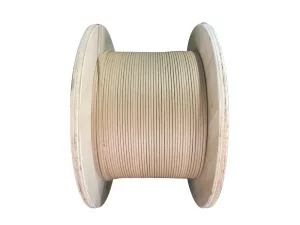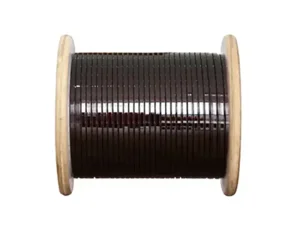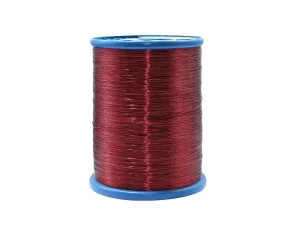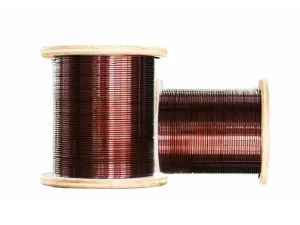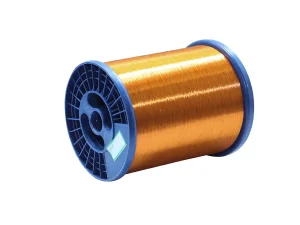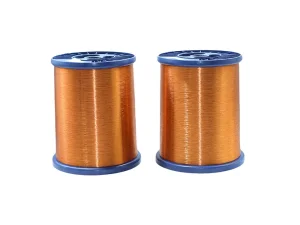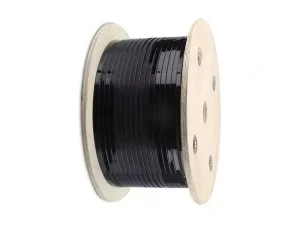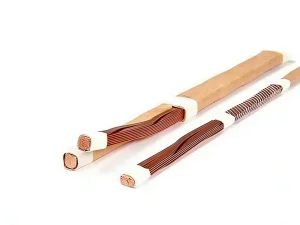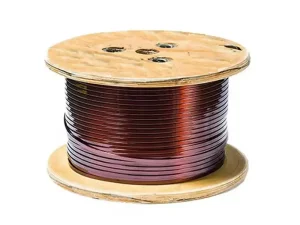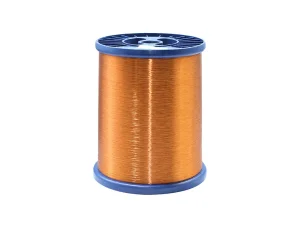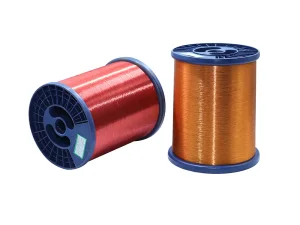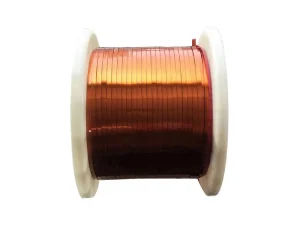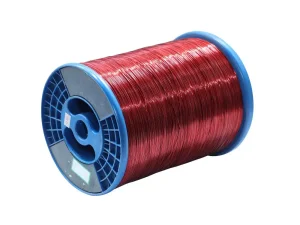
Direct supply from state-of-the-art Chinese manufacturing facilities. Fully certified magnet wires and precision-engineered flat configurations.
In the modern electrical engineering paradigm, the demand for high-efficiency, lightweight, and cost-effective conductive paths has driven significant material innovation. As copper prices exhibit ongoing volatility on the London Metal Exchange (LME), global industries are turning to Enameled Aluminum Wires (EAW) and specialized hybrid configurations like Copper-Clad Aluminum (CCA). This migration is not merely a cost-reduction strategy; it represents a deep technical pivot toward optimizing electromagnetic coils for the next generation of energy, automotive, and industrial products.
"Suzhou Daiming Electrical Materials Co., Ltd. leads this structural transition by supplying internationally standard-compliant magnet wires. Operating from a sprawling 258,333.33 ft² manufacturing base with 30 state-of-the-art automated production lines, Daiming bridges the gap between raw material resilience and ultra-precise engineering."
Magnet wire performance is dictated by its base conductor metallurgy and the formulation of its polymeric enamel. Aluminum wire utilizes high-purity electrical grade aluminum (minimum 99.7% Al), which provides approximately 61% of the electrical conductivity of standard annealed copper (% IACS). However, because the density of aluminum is only 30% of copper's, an aluminum conductor weighs roughly half as much as a copper conductor of equivalent resistance. This favorable mass-to-conductivity ratio is critical for aerospace, automotive, and rotating-machinery applications where rotating inertia must be kept minimal.
The insulating enamel layer is applied through repeated coating and thermal curing cycles inside vertical or horizontal oven systems. These ovens utilize catalytic combustion of solvent vapors to recover thermal energy, ensuring eco-efficient processing. Common enamel configurations include:
| Conductor Material | Electrical Conductivity (% IACS) | Density (g/cm³) | Thermal Expansion Coefficient (10⁻⁶/K) | Tensile Strength (MPa) |
|---|---|---|---|---|
| EC-Grade Copper (Cu-ETP) | 100% | 8.89 | 16.5 | 200 - 250 |
| EC-Grade Aluminum (Al-1350) | 61% | 2.70 | 23.1 | 80 - 120 |
| Copper-Clad Aluminum (CCA 15% Vol) | 68% | 3.63 | 18.8 | 120 - 160 |
Traditional round wire designs are constrained by internal gaps when wound into coils, limiting the physical amount of conductor that can fit into a given stator slot or transformer core window. Rectangular or **flat enameled aluminum wire** solves this limitation by achieving a slot fill factor of up to 75% to 85%, compared to the typical 50% to 60% of round wire. This geometric optimization translates directly into higher power density, reduced electromagnetic path lengths, and improved heat dissipation profiles, as flat surfaces allow for direct contact and efficient heat paths.
Our flat wire production lines maintain tight dimensional tolerances on radii to eliminate thin spots in enamel at the corners, preventing localized dielectric breakdown under high-stress cycles.
Precise annealing stages guarantee standard-compliant springback angles, ensuring winding processes do not fracture the outer enamel layer during high-speed tensioned coil manufacturing.
Flat configurations present an increased surface area for convective heat transfer, allowing air or cooling oil streams to draw heat away from the core of the winding stack much faster than round wires.
The rapid shift in the electric vehicle (EV) sector toward 800V drivetrain architectures demands advanced performance from magnet wires. Standard wire coatings degrade rapidly under the high-frequency voltage spikes (high dV/dt) produced by Silicon Carbide (SiC) inverters, which generate micro-discharges known as corona or partial discharges. If unchecked, this leads to early dielectric failure.
Suzhou Daiming's research addresses these challenges through the development of corona-resistant coatings. By integrating inorganic nano-fillers into the polyamide-imide (PAI) and polyesterimide (PEI) matrix, our specialty wires dissipate heat and withstand high-frequency voltage stress. This technology provides insulation durability that matches the lifetime demands of modern EV drivetrains.
At grid-level power steps, electrical networks face significant energy losses due to eddy currents and the skin effect in high-capacity transformer windings. **Continuously Transposed Conductors (CTC)** address these losses by weaving individual enameled rectangular wires in a self-transposing pattern. This arrangement ensures that each individual strand occupies every relative position across the entire cross-section of the conductor bundle.
By equalizing internal reactance, CTC configurations minimize circulating currents and lower load losses. Additionally, applying a self-adhesive polyvinyl butyral (PVB) or epoxy resin overcoat ensures that under thermal curing, the individual strands bond together. This structural bonding provides the mechanical strength needed to resist deformation during short-circuit events.
Modern electrical machines demand customized wire solutions that optimize density, thermal resistance, and mechanical properties. Below is an overview of how Suzhou Daiming's material solutions map to specific macro industries.
Utilizes Class 220 PAI-over-PEI flat wire configurations to maximize slot fill factor, support high thermal loads, and survive inverter-driven partial discharge stresses.
Combines paper-covered flat aluminum conductors with CTC patterns to limit load losses, support winding stability under short-circuit stresses, and lower overall material costs.
Relies on solderable polyurethane copper-clad aluminum (CCA) wires to maintain performance in high-speed compressors while reducing the weight of handheld and rotating appliances.
For international procurement teams, selecting an exporter involves evaluating and mitigating operational risk. Standardizing regulatory compliance and ensuring transparency in testing protocols are essential steps to secure the supply chain.
All magnet wires produced by Suzhou Daiming comply with key environmental directives, including RoHS (Restriction of Hazardous Substances) and REACH (Registration, Evaluation, Authorization and Restriction of Chemicals). We maintain material traceability protocols that document every batch of copper, aluminum, and chemical enamel from raw input to final spooled product. This traceability is verified using spark testing, inline optical measurement, and periodic third-party testing.
Our Quality Control laboratory performs rigorous checks to ensure compliance with the following international standards:
| Test Parameter | Testing Methodology / Standard | Quality Benchmark / Acceptance Limit |
|---|---|---|
| Pinhole Test | Saltwater immersion at 12V DC | Zero leakage points over a 6m specimen length |
| Breakdown Voltage (BDV) | Twisted pair / cylinder method (IEC 60851-5) | Exceeds nominal limits by a minimum of 35% |
| Adhesion & Flexibility | Elongation followed by mandrel wrapping | No cracking or peeling under visual inspection |
| Thermal Shock Resistance | High-temp exposure (e.g., 200°C - 240°C) | No enamel cracking after dynamic stretch and wind cycles |
Specialty conductors, transposed windings, and advanced alloys designed for high-performance industrial applications.
Global supply chain volatility has highlighted the importance of industrial resilience. Our manufacturing approach integrates process automation with direct logistics support to maintain consistent supply cycles.
Suzhou Daiming's production facility utilizes automated monitoring networks to control operations in real time. We employ non-contact laser diameter measurement heads along our wire draw and coating lines. If a deviation from nominal thickness is detected, the line speed and tension adjustments are executed automatically. This feedback control system maintains consistent coating application across production runs.
Our logistical system supports multiple shipping options (FOB, CIF, DDP) and custom packaging designs. Wires are spooled onto high-impact plastic or cylindrical wooden drums (such as PT-10, PT-25, and PT-100 formats), then wrapped in protective moisture-barrier film and secured on reinforced pallets to withstand long ocean shipments.
"By centering our production in Suzhou, we leverage proximity to China's deep-water ports, including Shanghai and Ningbo. This location enables efficient shipping and reliable delivery schedules for global projects."
Explore our core product groups designed for specific electrical insulation and conductivity requirements.
Features 130 Class, 155 Class UEW, 180 Class, 200 Class, and 220 Class flat and round configurations for lightweighting electrical coils.
Offers maximum conductivity in Class 130, 155, 180, 200, and 220 flat magnet wire profiles, designed for compact motor stators.
Combines the high conductivity of copper with the weight advantages of aluminum, serving as an alternative under high copper prices.
Available in semi-rigid, mesh-wrapped, and self-adhesive patterns designed for high-capacity power transformers.
Get answers to common technical and logistical questions about specifying and procuring magnet wire.
Stay informed on material developments, industry trends, and the shifting economics of global raw materials.
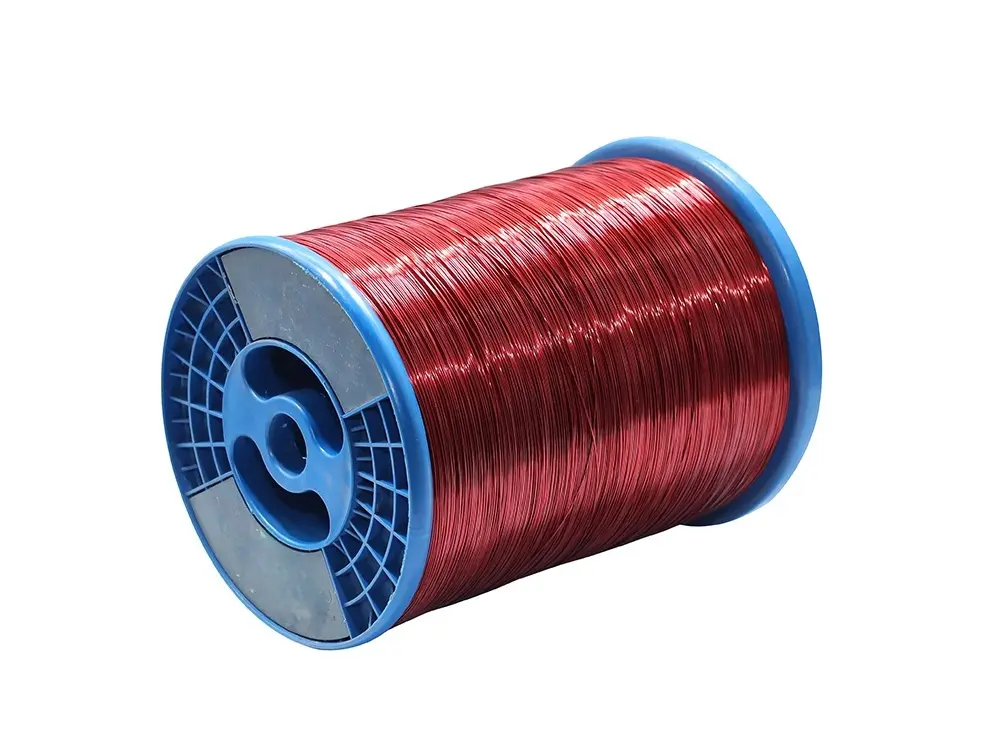
With industrial demand rising in 2026, manufacturers are prioritizing cost control and lightweight design, making aluminum wire an increasingly common choice...
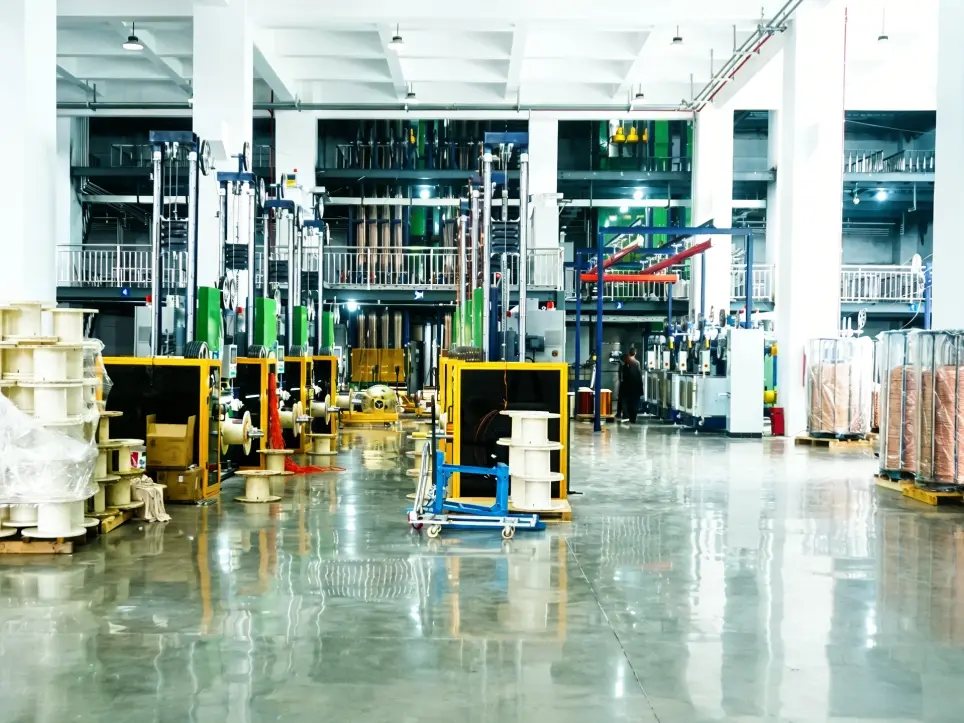
In response to copper price fluctuations, copper-clad aluminum wire offers a balance of weight and performance for electronic components...
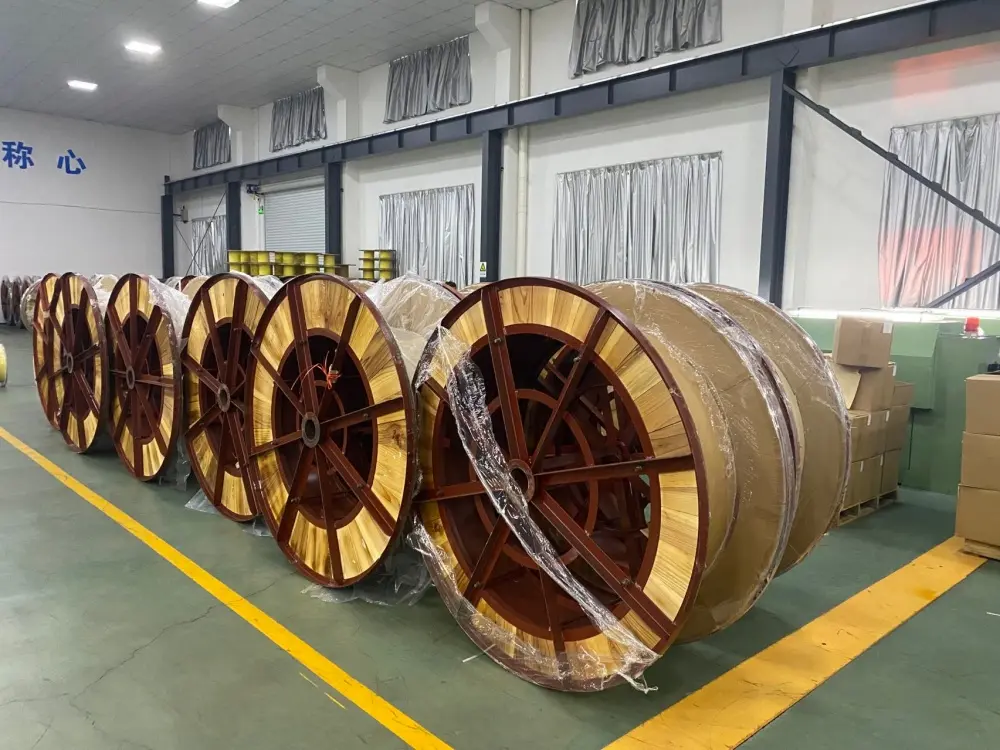
Our latest international shipment of Continuously Transposed Conductors (CTC) has arrived in Turkey to support ongoing regional grid improvements...
The shift toward 800V EV architectures is driving the development of new enameled wire designs capable of resisting high-voltage stress...
Contact Suzhou Daiming Electrical Materials Co., Ltd. for technical guidance, material samples, and custom specifications.
Contact Our Engineering Team