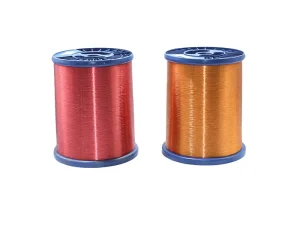
Engineered to deliver exceptional thermal endurance, reliable dielectric breakdown performance, and superior chemical resilience for heavy-duty winding configurations.
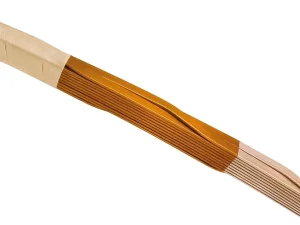
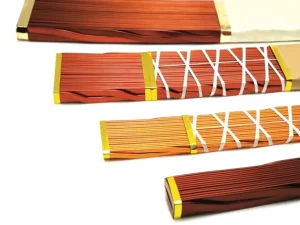
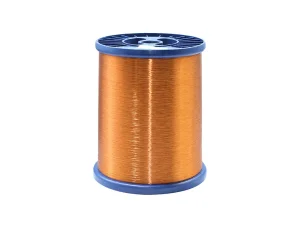
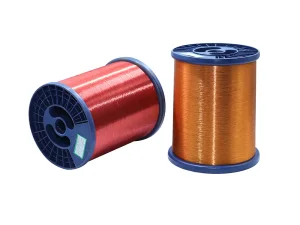
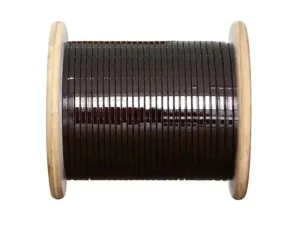
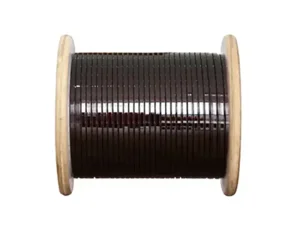
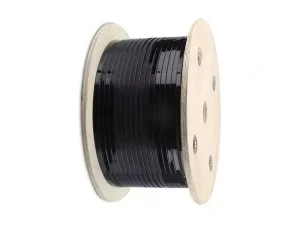
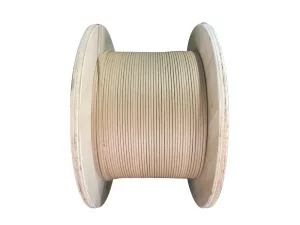
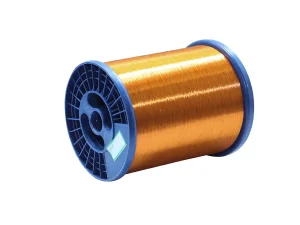
In modern industrial systems, the demand for electromagnetic winding components has progressed far beyond basic conductivity. Standard magnet wires with single-layer insulation often display vulnerabilities when exposed to extreme thermal spikes, chemical exposure, and high mechanical strain. As a result, Double Coated Wires (dual-insulated magnet wires) have emerged as a vital technology for high-performance applications.
Typically comprised of a primary basecoat—such as Polyesterimide (PEI)—and a specialized secondary topcoat—like Polyamide-imide (PAI)—these wires are engineered to optimize mechanical durability and chemical resistance. This dual-insulated architecture effectively separates performance functions. The basecoat ensures high dielectric strength and thermal stability, while the topcoat offers scratch resistance, low windability friction, and protection against chemical degradation. As global industries shift toward 800V EV drivetrains, high-frequency smart grids, and high-density industrial transformers, double-coated wire designs have become the industry standard for reliability in challenging environments.
The global demand for high-performance insulated wire is growing rapidly, driven by the clean energy transition, the expansion of grid transmission networks, and the electrification of transportation. International energy sectors, high-power electronics manufacturers, and automotive Tier-1 suppliers are increasingly focusing on the quality of underlying magnet wire components. Double-coated designs help mitigate risks associated with electrical short circuits and winding friction, directly extending the service life of high-value systems.
China is at the center of this supply chain, acting as both a major production base and an innovation hub. Supported by complete industrial integration, modern smelting plants, and domestic chemical synthesis industries, Chinese manufacturers offer a secure supply of high-grade copper and aluminum. This robust infrastructure helps shield international buyers from volatile material costs and shipping delays, ensuring a consistent, dependable supply of double-coated magnet wires.
Combining large-scale manufacturing capacity with strict quality standards to serve specialized industries worldwide.
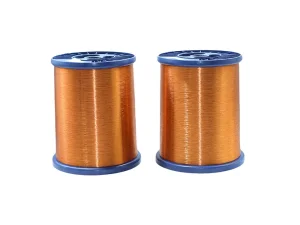
At Suzhou Daiming Electrical Materials Co., Ltd., we develop high-performance enameled wires, including double-coated aluminum, copper, and copper-clad aluminum configurations. Operating from a modern 258,333.33 ft² facility equipped with 30 state-of-the-art vertical drawing and enameling lines, we maintain the operational capacity required to fulfill large-scale global orders without compromising on precision.
We work with clients in over 10 countries, supplying high-performance winding wire to manufacturers of electric vehicle motors, power distribution systems, high-frequency reactors, and industrial automation equipment. Our technical team has over ten years of industry experience, ensuring all products align with IEC, NEMA, and JIS standards.



Providing reliable performance and consistent manufacturing quality for high-demand industrial applications.

Every batch of wire undergoes strict quality inspections to ensure thin, uniform insulation and stable performance across demanding workloads.

Our dual-coated wire features a dense paint film that offers strong adhesion, scratch resistance, and the flexibility needed to withstand high winding stress.

We provide full technical support, customizing wire diameters, insulation configurations, and thermal ratings to match your specific requirements.

Backed by a robust raw material supply chain and high-volume production capacity, we ensure dependable, on-time delivery for global orders.

Our low-loss enameled wires are optimized for energy-efficient motors, helping minimize operational losses in power generation and drive systems.
Our production cost advantages are rooted in technology, automation, and industrial cluster benefits, rather than raw materials alone. Modern Chinese factories utilize integrated, inline wire-drawing and enameling systems. In these setups, copper or aluminum rods are drawn to target diameters and immediately coated with insulating enamel in a single, continuous automated loop. This process significantly reduces the oxidation risk associated with intermediate handling, lowers energy consumption, and maintains consistent wire tension.
Additionally, our facilities utilize computer-controlled, multi-pass vertical baking ovens. Equipped with catalytic combustors, these ovens burn off solvent vapors released during paint curing and convert them into thermal energy. This recycled heat is redirected back into the drying chambers, lowering overall energy costs. By pairing high-capacity automation with resource-efficient production, we provide premium magnet wire at competitive prices.
To ensure high quality, we monitor our production lines with real-time laser micrometer inspection systems. These sensors detect and record outer diameter deviations as small as ±0.001mm, immediately alerting operators to any variations. We also use high-voltage spark testers inline to check for insulation pinholes, helping prevent defects before the wire is spooled.
In our quality control labs, technicians test each completed production run for:
Our high-performance double-coated wires are engineered for durability, reliability, and efficiency across demanding industrial sectors.
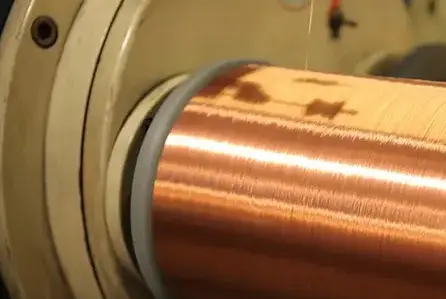
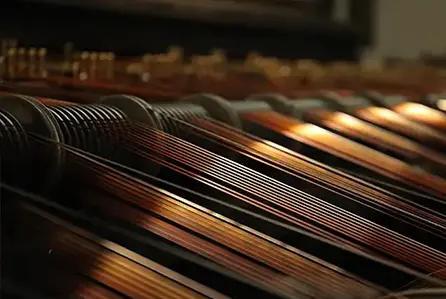
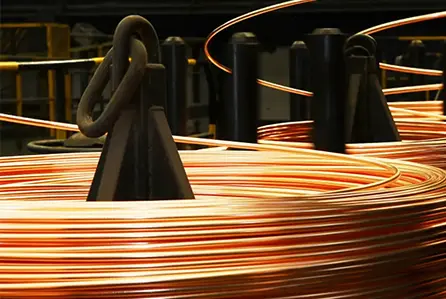
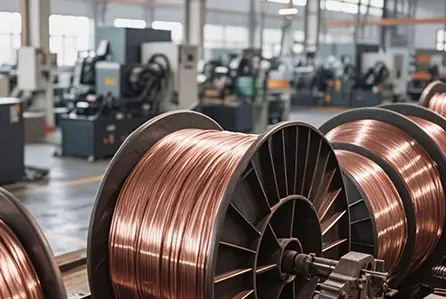
The global automotive industry is rapidly transitioning from standard 400V electrical architectures to 800V drivetrains. While 800V systems enable faster charging and higher efficiency, they also subject electric motors to increased electrical stress. The high voltage rise rates (dv/dt) generated by modern silicon carbide (SiC) inverters can cause voltage overshoots, increasing the risk of partial discharge and corona damage within the stator windings.
To address these challenges, we utilize double-coated wires with specialized, high-performance polymer blends. Our PEI basecoat and PAI topcoat configuration is formulated to resist micro-cracking caused by rapid temperature cycles. We also offer corona-resistant formulations that use dispersed inorganic nanoparticles to deflect electric fields, preventing localized breakdown of the insulation layer. This advanced design helps protect critical drive motors from premature failure, even under continuous high-voltage operation.
Industrial applications require balancing physical properties, conductivity, and material costs. Selecting the right wire substrate is critical to project performance and budget:
Stay updated on our latest product innovations, global export shipments, and emerging technical trends in the magnet wire industry.
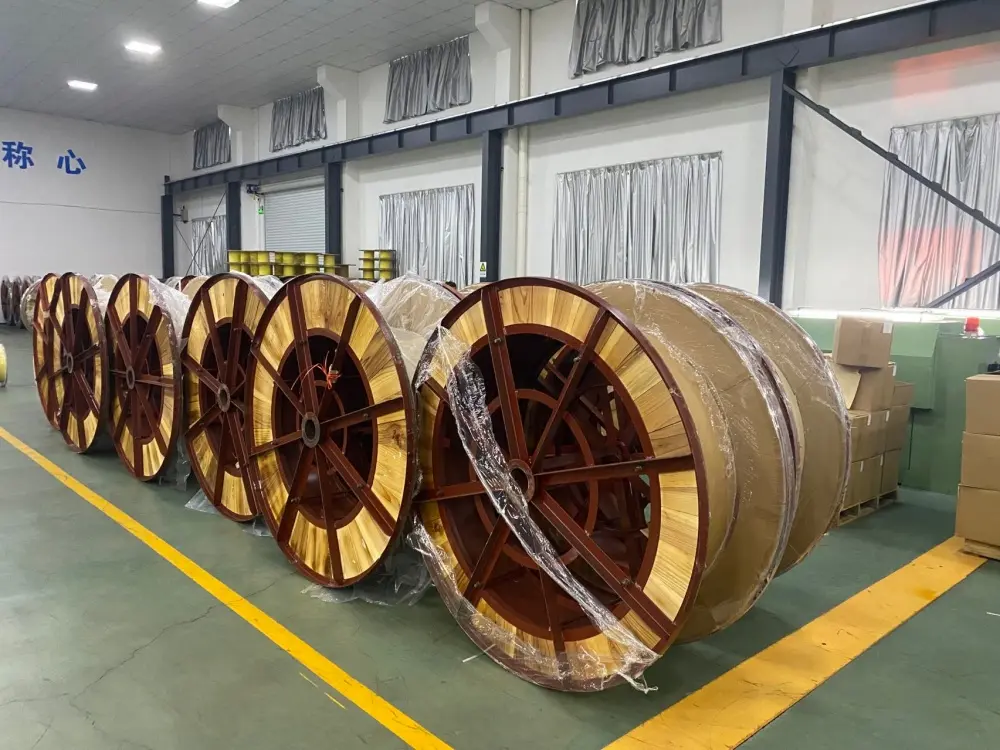
Our team recently shipped high-quality CTC (Continuously Transposed Conductors) to Turkey, supporting upgrades to local electrical grid networks and transmission infrastructure.
Read Article →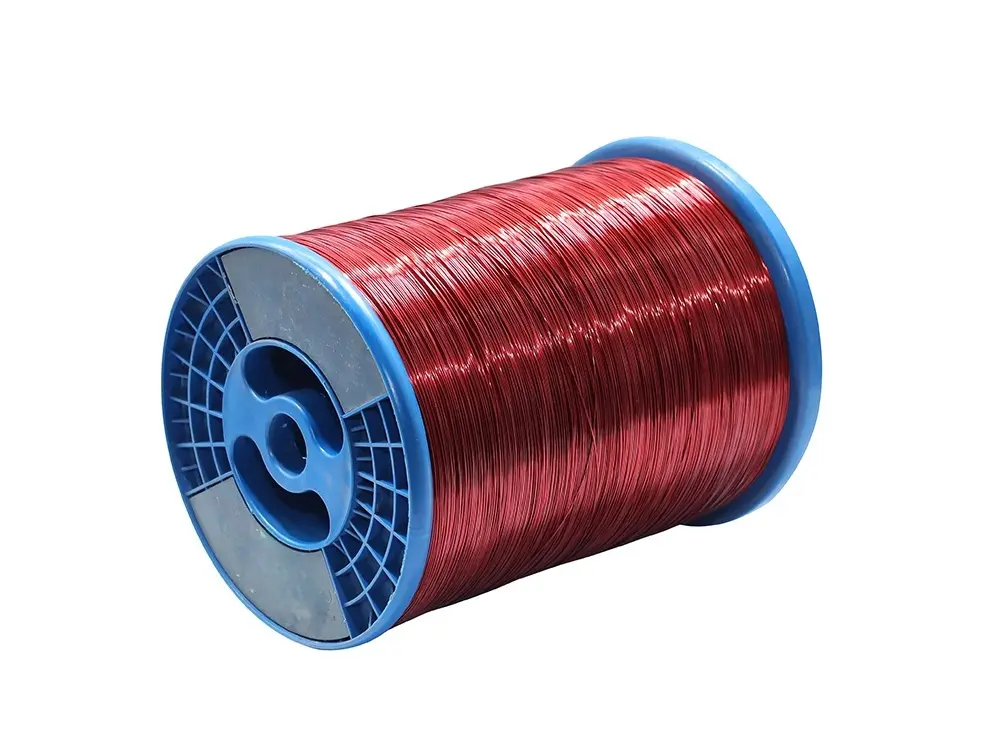
As raw material prices fluctuate, our enameled aluminum wire series offers a reliable, cost-effective alternative for global manufacturers seeking to manage production expenses.
Read Article →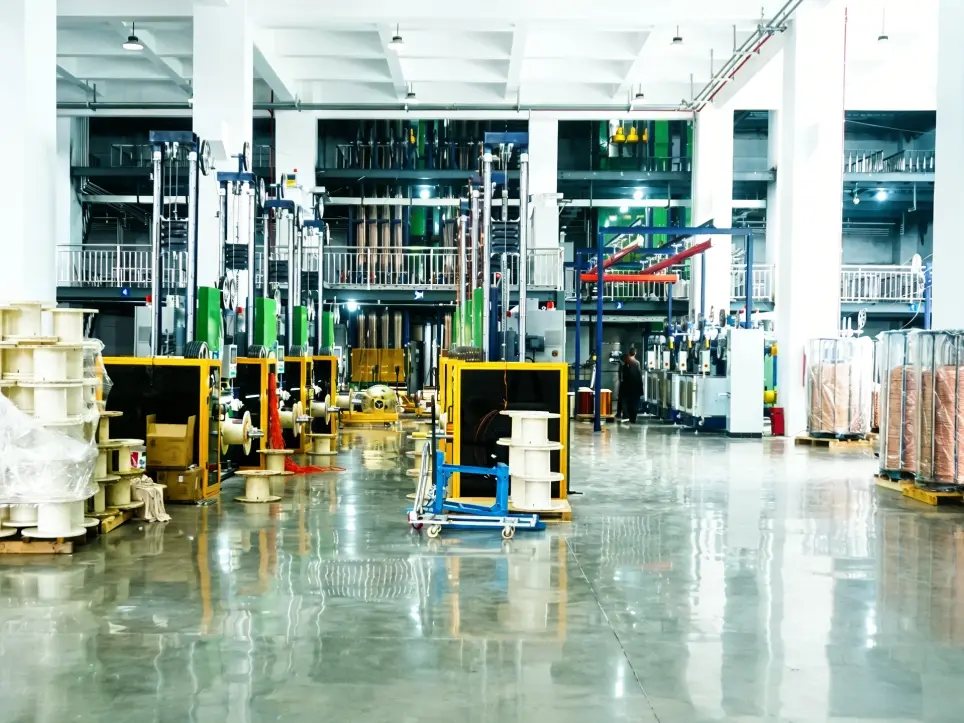
Faced with volatile copper markets, copper-clad aluminum enameled wire serves as a reliable alternative, helping manufacturers optimize material costs without compromising on conductivity.
Read Article →Addressing common questions regarding double-coated magnet wire specifications, performance standards, and application design.
Double-coated wire uses two distinct insulation layers to optimize overall performance. Typically, a thermal-resistant basecoat (like Polyesterimide) is paired with a durable outer topcoat (like Polyamide-imide). This combination provides higher dielectric strength, improved resistance to winding abrasion, and better protection against chemical solvents compared to single-layer configurations.
These ratings indicate the maximum continuous operating temperature (in Celsius) that the wire's insulation can withstand for a standard service life (typically 20,000 hours). Class 220 wires are engineered for high-temperature environments, such as traction motors and compact industrial transformers, preventing premature degradation of the insulation.
CCA wire is lighter and more economical than solid copper. It is particularly effective in high-frequency applications, such as high-frequency transformers, where current flows primarily along the outer copper layer due to the skin effect. Solid copper remains the preferred choice when maximum electrical and thermal conductivity is required in space-constrained designs.
Our manufacturing processes and finished products comply with international specifications, including IEC 60317, NEMA MW 1000 (such as MW 35-C and MW 73-C), and JIS C 3202. We verify compliance through internal quality checks and third-party laboratory validation.
High concentricity ensures the insulation layer is applied evenly around the conductor. Variations in thickness can create weak spots prone to dielectric breakdown or insulation damage during high-speed automated winding processes, making consistent concentricity vital for product reliability.
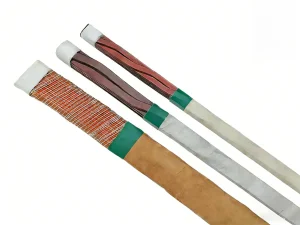
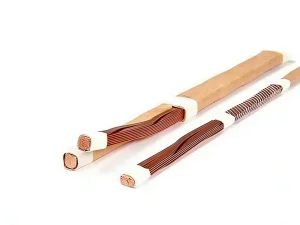
CTC consists of multiple insulated rectangular wires bundled into a specific transposed configuration. Primarily used in large power transformers, CTC minimizes eddy current losses and improves winding space efficiency, enhancing overall transformer performance.
We use automated inline laser diameter measurement systems and continuous high-voltage spark testing on our production lines. Additionally, we conduct post-production tests on each batch, evaluating thermal shock, adhesion, and dielectric breakdown to verify consistency.
Yes. We customize wire specifications, including conductor dimensions, thermal classes, and insulation materials (such as polyurethane, polyesterimide, and polyamide-imide), to match the electrical and thermal requirements of your application.
Providing specialized winding materials for high-efficiency motors, distribution transformers, and electronic systems.