High-performance wire profiles, Continuously Transposed Conductors (CTC), and specialized insulations designed for extreme thermal and mechanical demands.
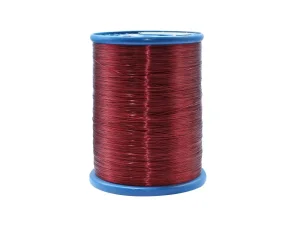
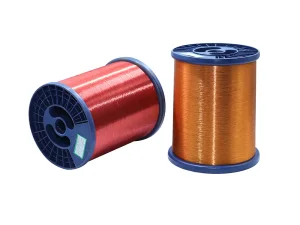
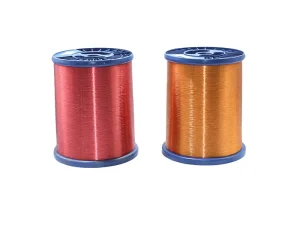
At the heart of every modern industrial electromagnet—whether used in heavy-duty scrap lifting systems, medical MRI scanners, high-frequency transit switchgear, or subsea actuators—lies the fundamental engineering compromise: space factor optimization versus heat dissipation. Standard electromagnetic calculations define the magnetomotive force ($F = N \times I$) as a function of the number of turns ($N$) and current ($I$). To achieve high flux densities without thermal runaway, engineers must balance current density ($J$) against insulation class rating.
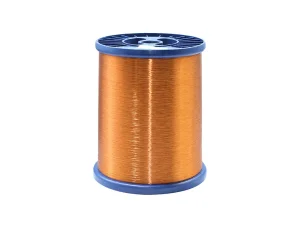
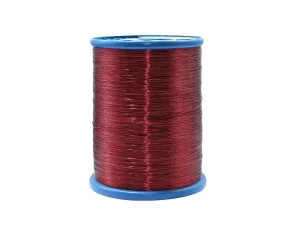
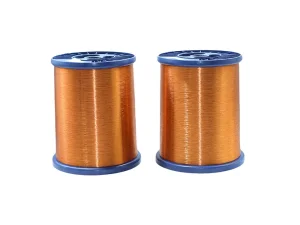
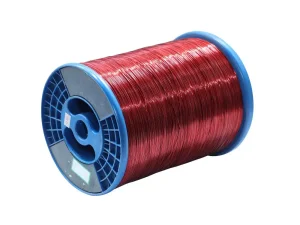
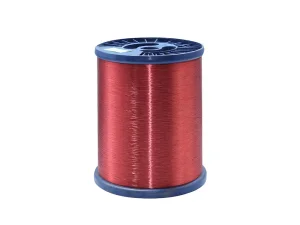
As a premier coiled wire electromagnet supplier, Suzhou Daiming Electrical Materials addresses this physical paradigm through advanced metallurgy and polymeric insulation chemistry. Standard copper windings provide excellent electrical conductivity ($58 \text{ MS/m}$), but their weight and susceptibility to raw material pricing fluctuations present major business challenges. Enameled Aluminum and Copper-Clad Aluminum (CCA) configurations present viable alternatives, drastically reducing winding mass and shifting the inertia-to-torque ratio of rotating magnet systems.
The coating applied to copper and aluminum substrates is not simple paint; it is a highly cross-linked polymeric film engineered to withstand continuous thermomechanical stress. Our product range utilizes advanced chemical insulation classes:
| Insulation Substrate Type | Thermal Class Rating | Max Operating Temp (°C) | Typical Resins / Polymers | Primary Industrial Applications |
|---|---|---|---|---|
| PEW / UEW (Polyurethane) | Class 130 / 155 | 130°C / 155°C | Polyurethane modified resins | Small relays, precision coils, sensors, automotive actuators |
| EIW (Polyesterimide) | Class 180 | 180°C | Polyesterimide core coating | Industrial motors, generators, power transformer control coils |
| AIW (Polyamide-imide) | Class 220 | 220°C | Polyamide-imide overcoat | Heavy-duty electromagnets, traction motors, aerospace sensors |
By applying multiple coatings (e.g., Polyesterimide basecoat paired with Polyamide-imide topcoat), we construct a dual-layer enameled barrier that increases dielectric strength, resists chemical solvents, and eliminates micro-cracking during high-tension automatic coil winding operations.
Suzhou Daiming Electrical Materials Co., Ltd.
Suzhou Daiming Electrical Materials Co., Ltd., is a leading manufacturer of high-quality enameled wires: enameled aluminum wires, enameled copper wires, and enameled copper-clad aluminum wires. Situated on a sprawling 258,333.33 ft² site, our advanced production facility houses 30 state-of-the-art production lines.
This robust infrastructure enables us to maintain a stable and high-volume output, ensuring consistent supply to meet global market demands. With strict quality control at every stage, from raw material inspection to final product testing, we uphold the highest industry standards, guaranteeing the durability and performance of our enameled wires in electromagnetic solenoids, inductors, and high-capacity electrical grids.

Over a decade of industry expertise shaping the performance, reliability, and precision of electromagnetic coiled wire products.
Rigorous inline optical inspection guarantees uniform paint film coating with 100% pinhole detection coverage.
Maintains physical structure and dielectric characteristics under severe mechanical tension and thermal cycles.
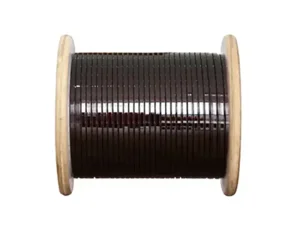
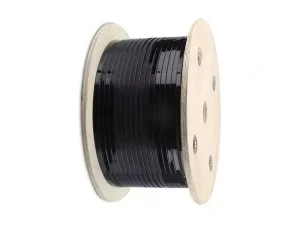
Precisely matched dimensions, profiling custom flat, square, and round geometries to optimize coil space factors.
High-volume raw material procurement ensures consistent production flow and insulated wire deliveries worldwide.
Pioneering ultra-efficient continuous transposition wire products that cut core losses in smart grid power systems.
The electrical landscape is shifting rapidly. The massive growth of new energy infrastructure, coupled with high global copper price fluctuations, has forced engineers to reconsider the economic aspects of electromagnetic coil designs. In the past, pure copper conductors were default choices. In 2026, raw copper price dynamics are prompting engineers to implement Enameled Aluminum and Copper-Clad Aluminum (CCA) wires to reduce overall material cost structures without compromising device efficiency.
Furthermore, high-voltage vehicle traction architectures are shifting from 400V to 800V. At 800V, windings experience heightened electrical stress, triggering partial discharges that accelerate insulation breakdown. Consequently, enameled wire manufacturers must supply custom insulation profiles—incorporating metal-oxide nanoparticles—that resist corona discharges and high-frequency voltage spikes generated by Silicon Carbide (SiC) fast-switching inverters.
In giant utility transformers, magnetic field paths generate eddy currents within heavy individual copper strands. This phenomenon, known as the skin and proximity effect, forces current to flow only along the conductor outer skin, wasting internal cross-sectional area and causing hotspots.
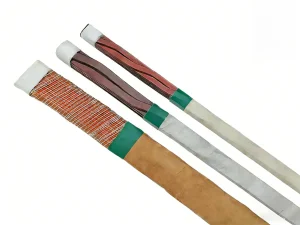
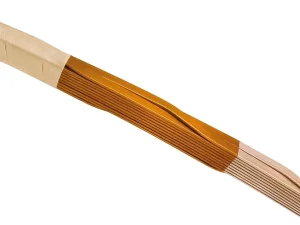
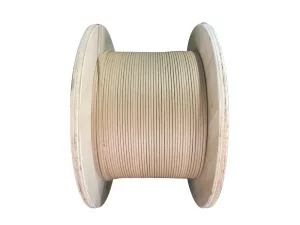
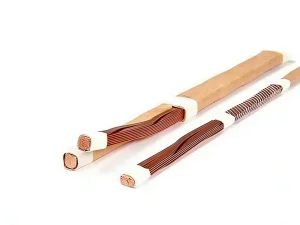
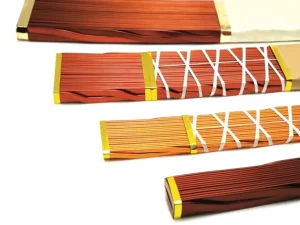
Our Continuously Transposed Conductor (CTC) systems solve this issue by transposing individual enameled rectangular strands in a structural matrix, wrapped inside Kraft paper or high-density mesh materials. By changing the geometric path of each strand relative to the total magnetic field, CTC equalizes the voltage distribution across all strands. This design reduces internal eddy current losses, increases overall transformer efficiency, and lowers structural oil cooling requirements.
From heavy manufacturing tools to renewable power grids, our custom magnet wires power essential global infrastructure.
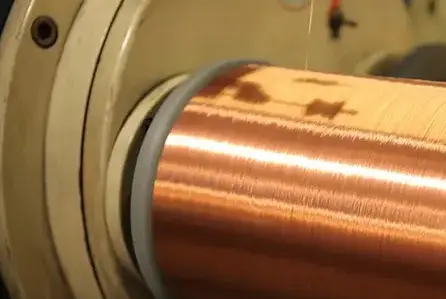
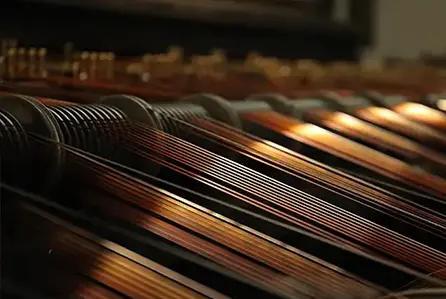
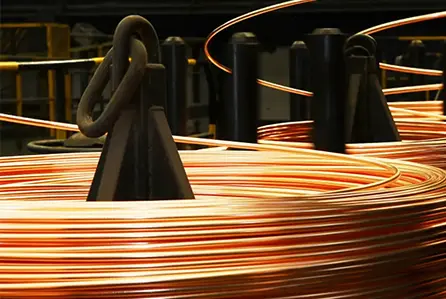
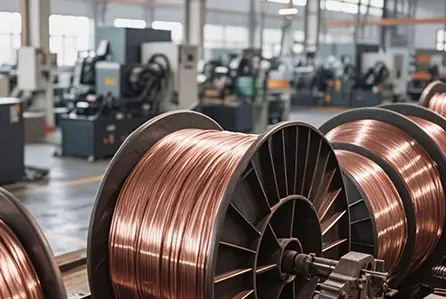
Follow our engineering team as we analyze materials science updates, global logistical movements, and international grid trends.
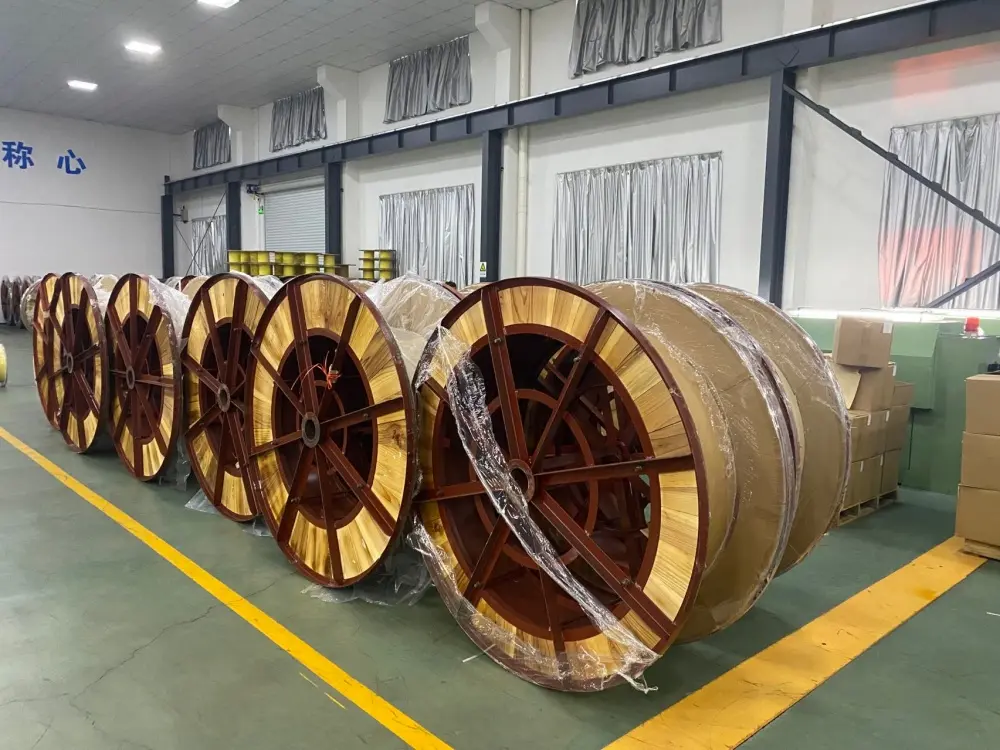
Exporting high-quality CTC Continuously Transposed Conductors to Turkey to support regional power distribution grids.
Learn More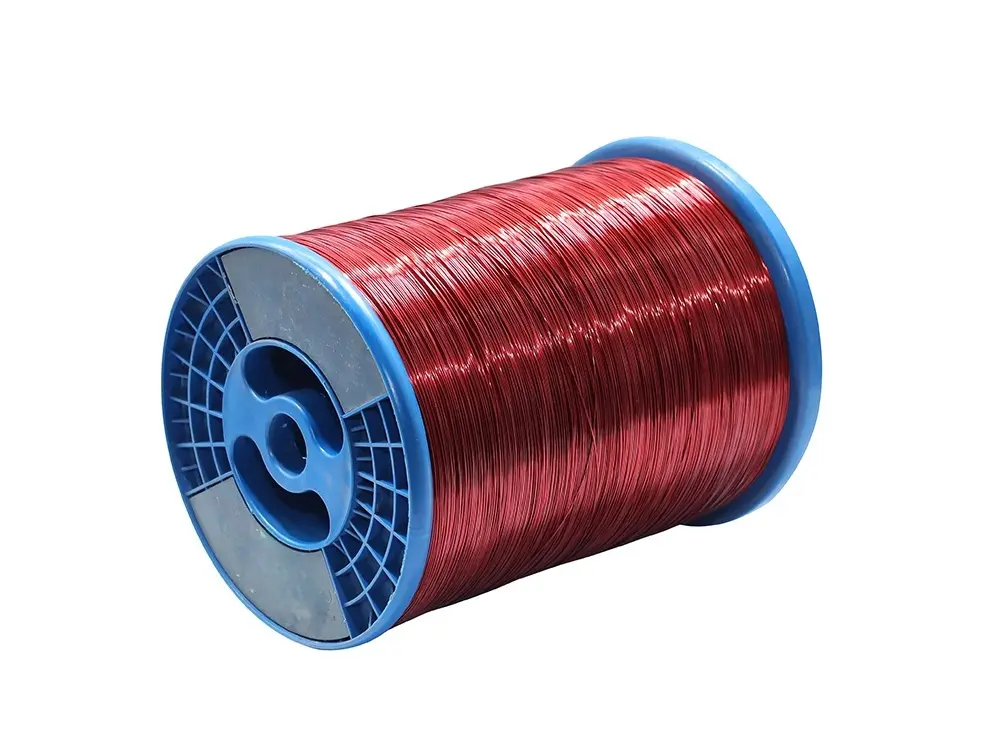
Analyzing how global manufacturers integrate lightweight enameled aluminum wire to manage overall component weights.
Learn More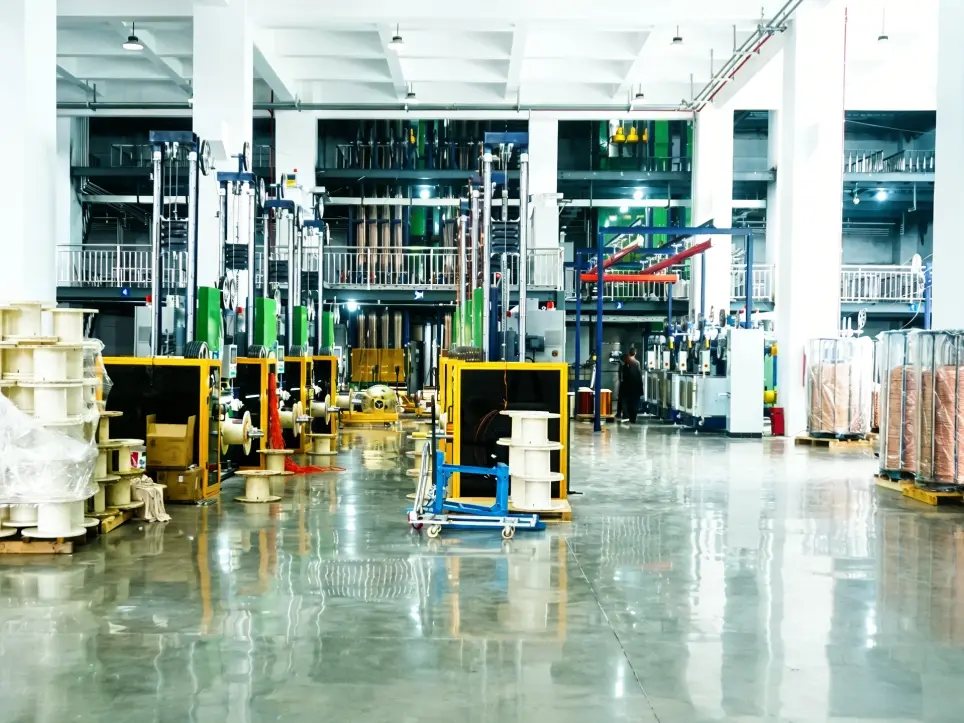
Copper-clad aluminum wire provides an optimized alternative to mitigate supply chain pricing pressures.
Learn MoreSuzhou Daiming Electrical Materials implements strict engineering standards across our production lines. Our quality inspection framework ensures our enameled aluminum, copper, and composite wires meet global standards (IEC, NEMA, ASTM, JIS, and DIN). For instance, our paper-insulated continuously transposed conductors comply with IEC 60317 and undergo insulation resistance and physical load testing.
Furthermore, our manufacturing processes prioritize sustainability, and our products comply with RoHS and REACH regulations, eliminating heavy metal elements from our chemical enamels. Whether shipping to infrastructure partners in Turkey or electrical engineering clients in North America, we verify and certify each batch of wire products to ensure consistent performance.
Looking forward, our research is focused on developing magnet wire systems capable of operating above Class 240. Extreme industrial designs demand winding systems that survive harsh environments, such as deep geothermal pumps or spacecraft propulsion actuators. In these applications, polyaryletherketone (PAEK) or polyetheretherketone (PEEK) thermoplastic coatings are showing promise.
Simultaneously, we are refining our micro-wire fabrication processes, allowing us to manufacture ultra-thin enameled aluminum wires with consistent layer thicknesses down to 0.05 mm. By improving wire tolerance levels, we support the miniaturization of high-frequency electronic parts, lightweight automotive starter assemblies, and high-efficiency appliance motors.
High-performance wire specifications, specialized insulation films, and custom profiles designed for global applications.
Technical and logistical insights to assist you in designing and sourcing electromagnetic coil windings.
Continuously Transposed Conductors (CTC) consist of multiple individual enameled rectangular copper wires wrapped in a transposed arrangement. This design minimizes internal losses due to eddy currents and the skin effect, particularly at high power densities. It also improves mechanical stability against short-circuit forces and increases the overall copper packing factor inside transformer windows.
The numerical classes indicate the maximum continuous operating temperature in degrees Celsius (°C) for a 20,000-hour service life. Class 155 is commonly used in general appliance motors and sensors. Class 180 is typical for industrial motor applications. Class 220 (typically utilizing Polyamide-imide resins) is designed for heavy industrial electromagnets, aerospace components, and automotive traction motors operating under severe thermal loads.
Yes, enameled aluminum is widely used because it is lightweight and cost-effective. However, since aluminum has lower electrical conductivity (approx. 61% of copper), you must increase the conductor cross-section to maintain the same electrical resistance. This requires a larger coil volume. We provide customized flat and rectangular aluminum wires to help maximize the filling factor and keep coil sizes compact.
Our 30 production lines feature inline laser micrometer systems and high-voltage spark detectors. These tools monitor wire diameter and coating concentricity in real time, detecting anomalies during the drawing and curing stages. We perform physical tests on every batch, including winding adhesion, thermal shock, and dielectric breakdown tests, ensuring full compliance with IEC and NEMA standards.