Clear Polyester Coated Wire: Material Science, Thermal Performance & Engineering Thresholds
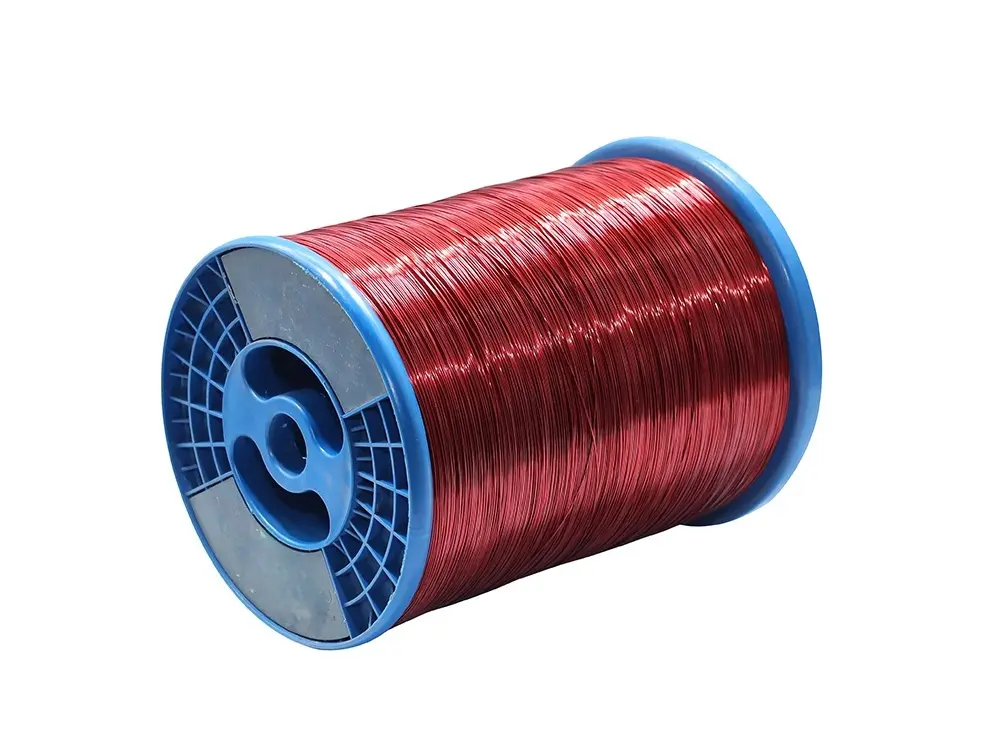
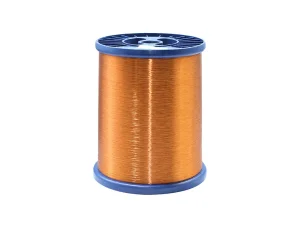
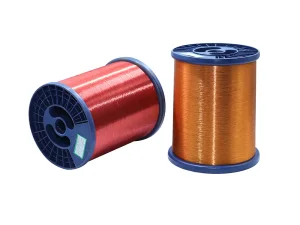
In high-frequency power electronics and industrial magnetic winding applications, the choice of conductor insulation dictates the system's longevity, operational thermal envelope, and overall energy transmission efficiency. Clear polyester coated wire—often classified under thermal classes ranging from Class 130 to Class 220—serves as the foundational cornerstone for high-performance electromagnetics. Unlike colored enamels that incorporate dyes for easy classification, clear polyester coatings are favored in critical inspection scenarios where wire surface uniformity, copper or aluminum substrate grain structures, and internal defects must remain visually certifiable through optical and automated scanning systems.
The Chemistry of Polyester Coatings: Polymers & Film Resilience
The clear polyester varnish utilized by leading Chinese factories typically comprises a high-molecular-weight polymer solution synthesized from terephthalic acid (or dimethyl terephthalate) and polyhydric alcohols, modified by imide groupings (polyesterimide) or amide-imide compounds for high-temperature variants. The cross-linked polymer matrix provides excellent structural elasticity, enabling the coated wire to undergo severe mechanical elongation during high-speed automated winding processes without showing micro-fractures or pinhole degradation.
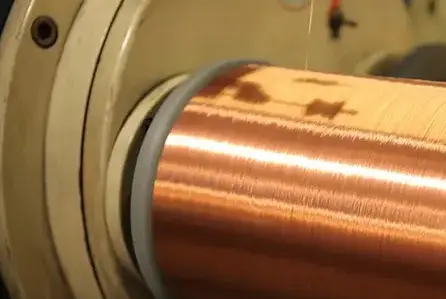
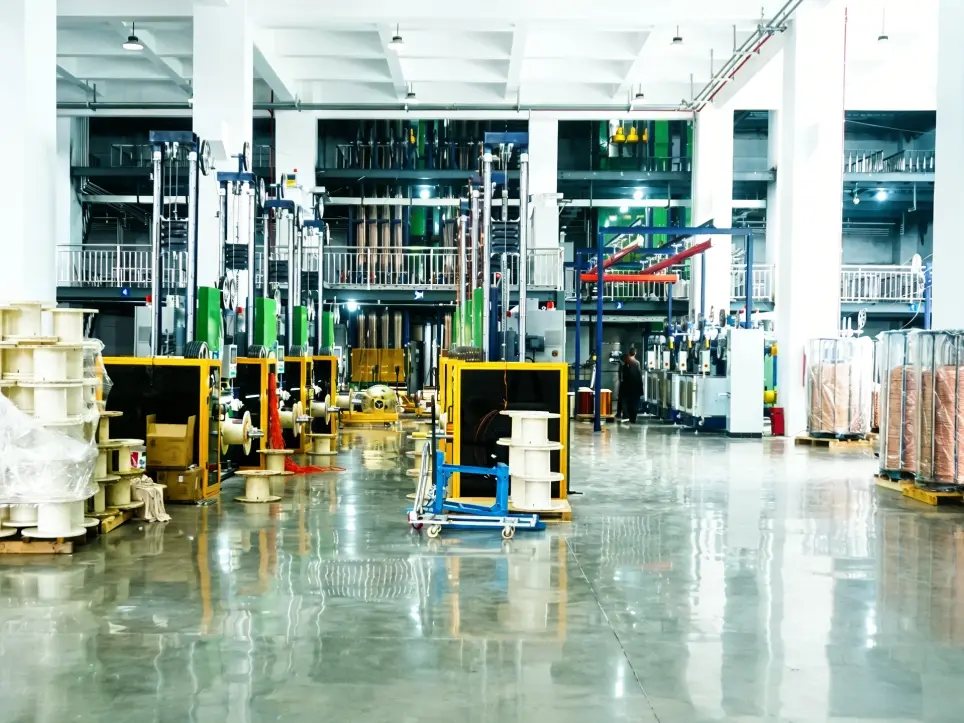
The application of this varnish occurs in multiple microscopic passes inside precision vertical tower ovens. Each coating is cured under carefully balanced catalytic combustion atmospheres to eliminate solvent volatile organic compounds (VOCs) while ensuring complete molecular cross-linking. The result is a smooth, clear insulation film that exhibits high dielectric breakdown voltage (often exceeding 5 kV for Grade 2 insulation coatings) and outstanding resistance to standard impregnating varnishes, transformer oils, and industrial solvents.