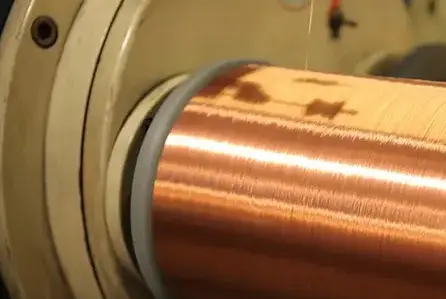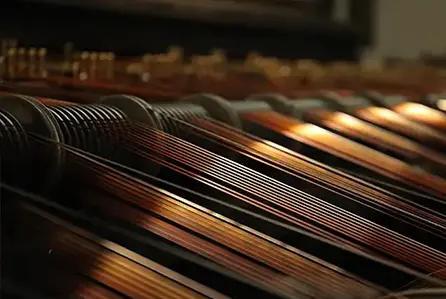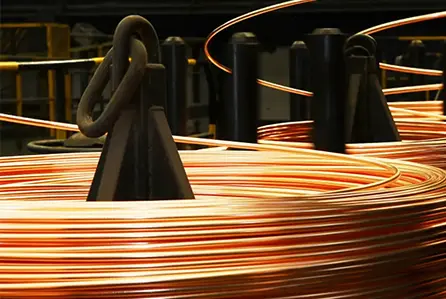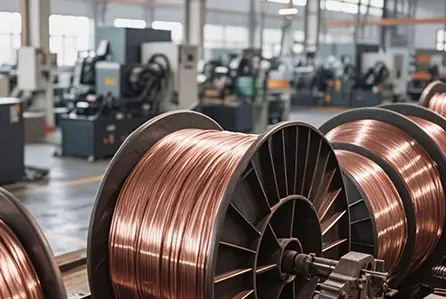
Explore our engineering-grade enameled wire portfolio designed for high-thermal stress applications, certified by global quality benchmarks.
An In-Depth Whitepaper on Market Needs, Core Engineering, and Insulation Performance Standards.
In modern power transmission, high-frequency signal processing, and automotive engineering, the thermal rating of winding wires defines the ultimate limitations of system size, power density, and operational lifespan. The Class 180 enameled wire, primarily coated with polyesterimide (PEI) resins, serves as the standard baseline for high-reliability electrical systems globally. Designated under IEC 60317 and NEMA MW 35-C standards, these conductors are engineered to operate continuously at a temperature of 180°C while maintaining dielectric integrity and mechanical stability.
The global migration from Class 130 (B) and Class 155 (F) insulation to Class 180 (H) is driven by the imperative of miniaturization. High-fill-factor coils wound with Class 180 enameled flat or round wires can withstand critical transient overloads without premature breakdown. In high-power-density environments, such as dry-type transformers, heavy industrial servo motors, and inverter-driven HVAC compressors, the thermal reserves of Class 180 insulate the system from thermal aging, moisture absorption, and chemical breakdown under extreme conditions.
"Class 180 represents the inflection point where thermal headroom meets optimal material cost efficiency. For global OEMs, utilizing Class 180 enameled aluminum or copper wire translates directly to long-term operational guarantees under thermal stress."
The global electrical manufacturing landscape is coping with unprecedented fluctuations in raw copper pricing. This has triggered a dual-pronged strategy among industrial buyers: first, optimizing the copper slot fill factor through enameled flat (rectangular) wires; second, shifting toward high-grade Enameled Aluminum Wires and Copper Clad Aluminum (CCA) Enameled Wires.
In mass-market applications, such as microwave oven transformers, UPS systems, and welding equipment, Enameled Aluminum Wire has transformed from a cost-cutting compromise to a highly stable engineering solution. High-quality Class 180 enameled aluminum wires manufactured in China offer significant weight reduction (up to 50% lighter than copper equivalent) and reliable insulation continuity. Meanwhile, Copper-Clad Aluminum Enameled Wire has emerged as a premium hybrid material, preserving high-frequency conductivity through the outer copper layer while utilizing the lightweight, cost-effective aluminum core to buffer against volatile metal markets.
 About Suzhou Daiming Electrical Materials Co., Ltd.



Our comprehensive winding solutions meet diverse industrial demands, from micro-electronics to high-voltage grid systems.
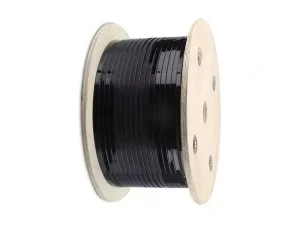
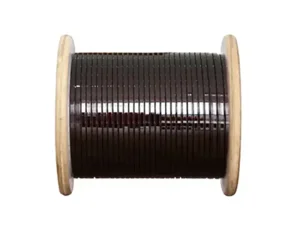
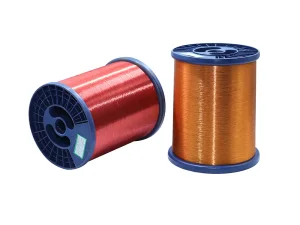
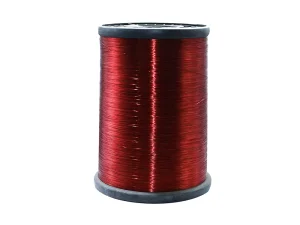
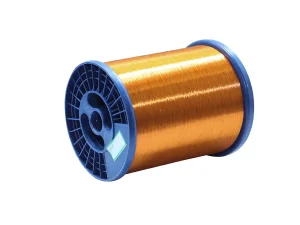
Superb weight-to-conductivity ratio. Extensively utilized in cost-sensitive and weight-restricted high-thermal applications.
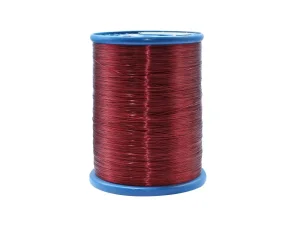
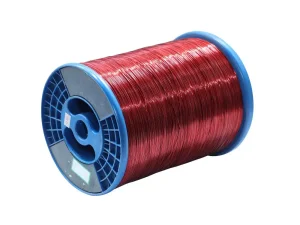
Premium electrical conductivity, superior solderability, and mechanical strength. Ideal for high-efficiency drive motors.
Combines copper's dynamic electrical conductivity on the outer skin with aluminum's weight and cost benefits at the core.
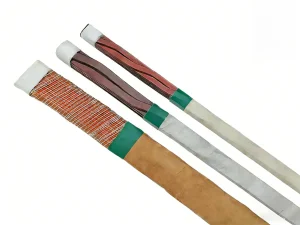
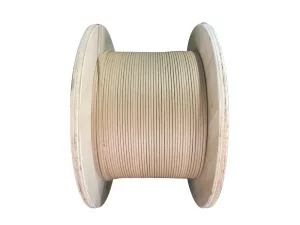
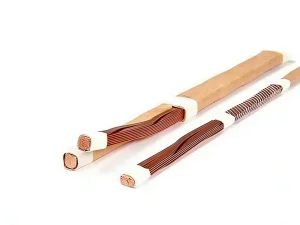
Advanced Continuously Transposed Conductor designed for high-power transformer grids, reducing eddy current losses.
How Daiming Electrical optimizes manufacturing scaling and supply chain coordination to support global OEMs.

Each roll of enameled wire undergoes inline laser-monitored coating procedures to guarantee uniform insulation thickness and eliminate concentricity defects.

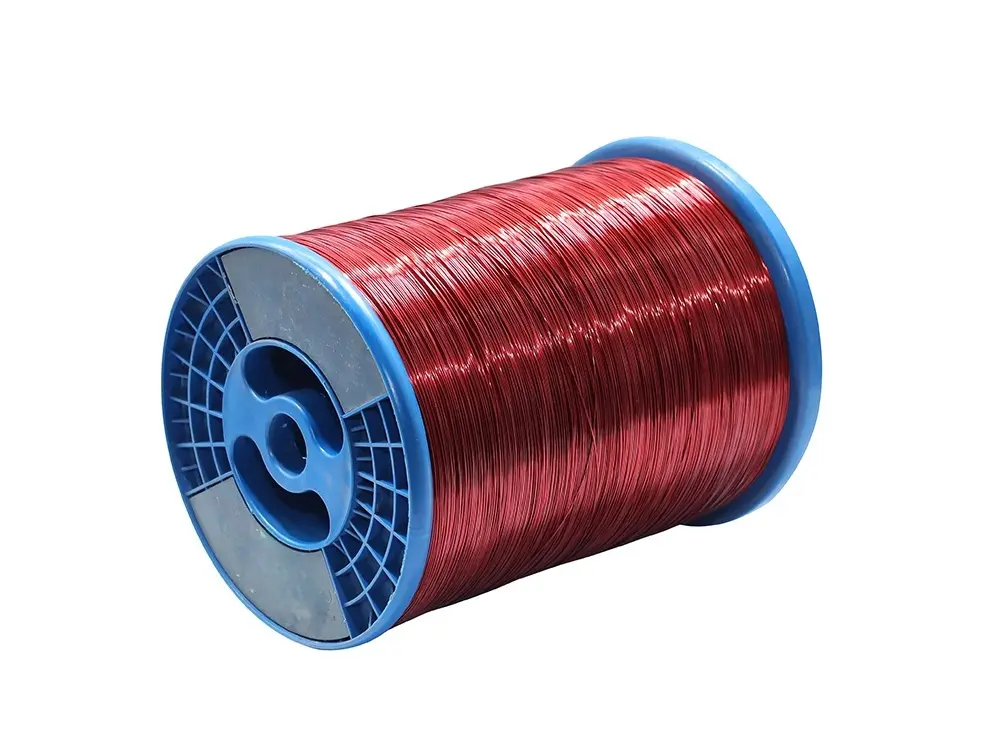
Our enameled wire features a uniform and dense paint film with strong adhesion, scratch resistance, and excellent elasticity to withstand automated high-speed winding.

Not only standard products, but professional custom engineering. From wire diameter specifications to thermal indexes, we customize insulation thicknesses to exact specifications.

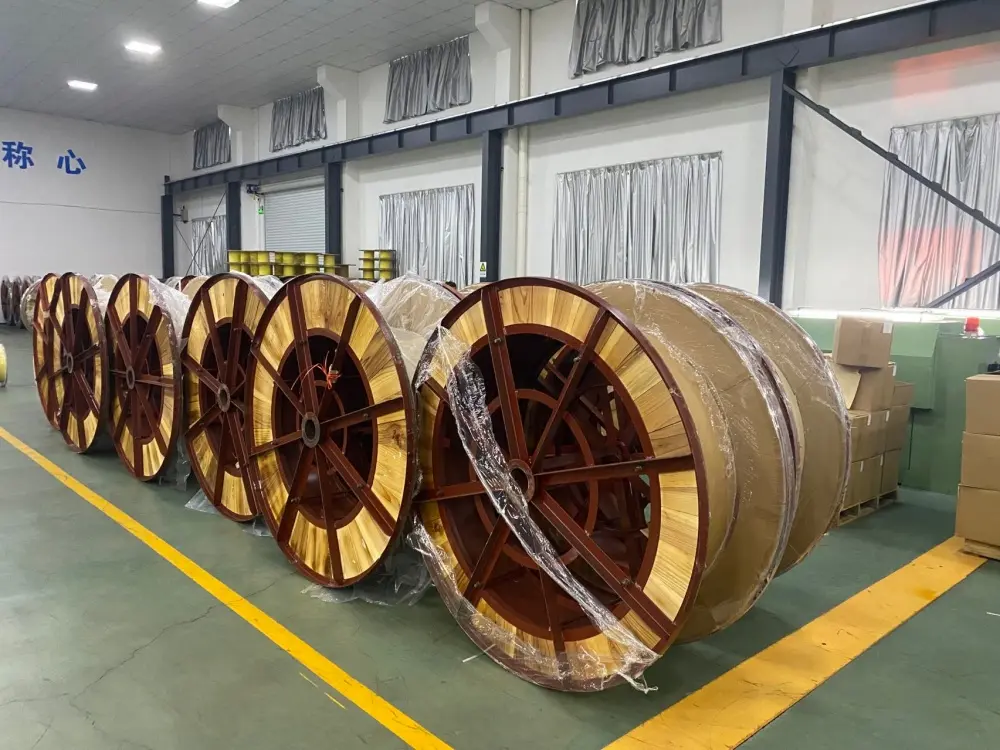
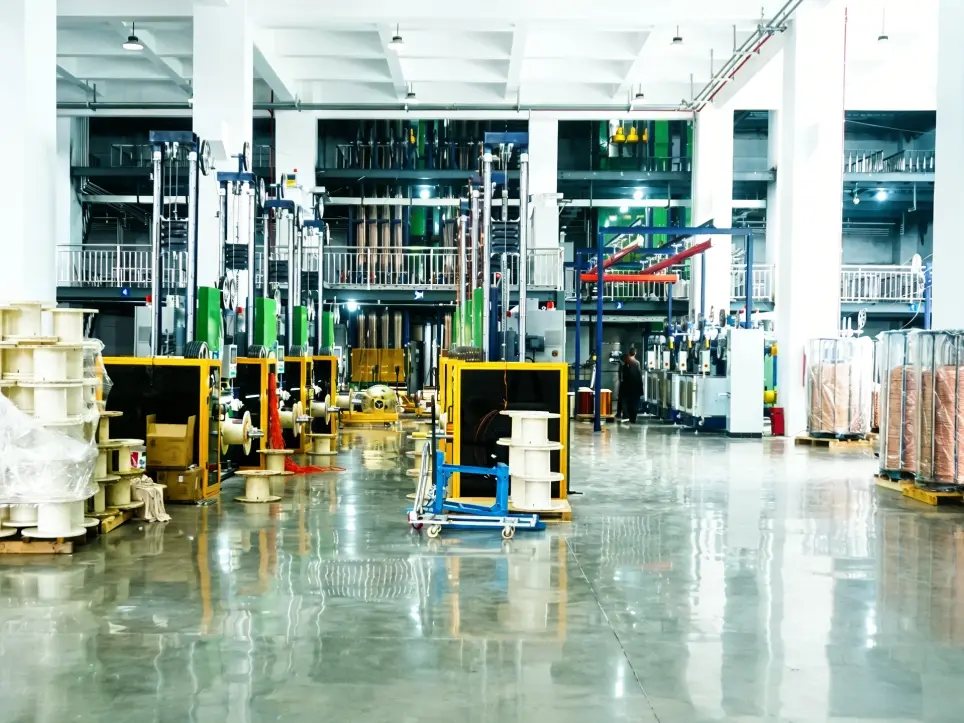
With our massive 30-line infrastructure and advanced supply-chain forecasting, we ensure continuous inventory supply and on-time shipment for global manufacturing.

Our low-loss enameled wires and custom CTC layouts are widely integrated into high-efficiency renewable energy grids, EV traction motors, and energy-saving appliances.
Our core engineering team possesses extensive technical knowledge of insulation chemistry, international IEC/NEMA standards, and advanced drawing-enameling dynamics.
With strict quality control at every stage, from raw material inspection to final product testing, we uphold the highest industry standards, guaranteeing the durability and performance of our enameled wires.
One of the most consequential transitions in modern electrical engineering is the migration from 400V to 800V architecture in Electric Vehicles (EVs). High-voltage drive motors enable faster charging and lower overall vehicle weight. However, this higher voltage stresses the motor winding insulation. Fast switching frequencies of modern silicon carbide (SiC) inverters generate repetitive transient voltage surges, resulting in partial discharge. This phenomenon, known as corona discharge, rapidly degrades conventional wire insulation.
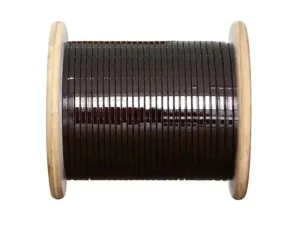
To combat this, manufacturers require Class 180 and Class 220 enameled flat wires featuring corona-resistant properties. High-voltage drive motors require a dual-coat paint system, typically using polyesterimide (PEI) overcoated with polyamide-imide (PAI). Rectangular flat wire profiles are essential for these systems. Flat wires allow for a tighter winding layout, reducing air gaps in the motor slots. This increases the slot fill factor up to 75% or higher, improving power density and thermal dissipation efficiency.
In the utility sector, power grids demand massive, reliable transformers to handle long-distance transmissions. Here, traditional winding conductors suffer from excessive eddy current losses. Suzhou Daiming's Continuously Transposed Conductors (CTC) address this challenge directly. By transposing individual enameled flat copper strips within a single cable structure, CTC minimizes skin effect and circulating current losses. When insulated with specialized Kraft paper, self-adhesive epoxy layers, or high-temperature synthetic paper, CTC improves transformer efficiency and thermal overload capacity under unstable grid conditions.
Stay informed with our latest shipping updates, technical whitepapers, and dynamic industrial application developments.
Providing direct, authoritative answers to critical engineering, specifications, and manufacturing logistics questions.
Class 180 insulation is primarily achieved using a basecoat of modified polyesterimide (PEI) resin. In dual-coat wire systems, an overcoat of polyamide-imide (PAI) is applied to provide additional chemical and mechanical protection. This formulation enables the wire to operate continuously at 180°C without dielectric degradation or mechanical embrittlement.
Aluminum enameled wire is ideal for applications where weight reduction is crucial (such as aerospace component windings, mobile generators, and automotive sub-systems) or where metal cost fluctuations must be minimized. CCA enameled wire is highly recommended for high-frequency signal systems, high-frequency transformers, and sound coils where the skin effect confines high-frequency current conduction to the outer copper surface, retaining copper's conductivity at a lower weight and cost.
Our 30 advanced production lines are equipped with inline laser diameter measuring instruments and continuous surface monitoring systems. The raw material wire goes through multi-stage precision dies and multiple thin-pass baking ovens to ensure a gradual, uniform build-up of the insulation layer. Every batch is subjected to continuous high-voltage pinhole testers, spring-back testers, and scraping wear tests before shipment.
Rectangular enameled wires provide superior packing factor/slot fill factor compared to round wires (up to 80% compared to 55-60%). This reduction in air gaps in the motor slots or transformer windings translates directly into higher power output, reduced electrical resistance, improved thermal dissipation, and overall compact machine sizes, making them essential for 800V EV traction motors and heavy-duty industrial machinery.
Consistent, high-volume production for international distribution networks. Explore our full range of winding conductors.