Engineered to meet international standards (IEC, NEMA, JIS) with superior thermal and electrical specifications.
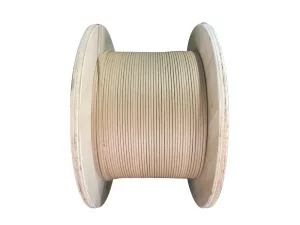
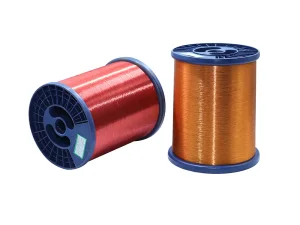
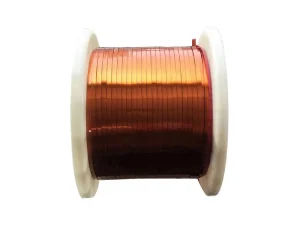
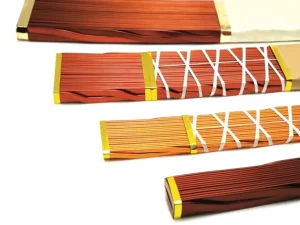
An In-Depth Whitepaper on Metallurgy, Film Deposition, and Electromagnetic Efficiency in Global Power Infrastructure
In modern industrial applications, the choice of conductive materials plays a decisive role in the efficiency, weight, cost, and longevity of electromagnetic systems. Aluminium metalizing wire and enameled winding wires represent two crucial segments of this material revolution. As a leading manufacturer based in China, Suzhou Daiming Electrical Materials Co., Ltd. addresses the highly specialized requirements of both metallurgical coatings (metalizing) and high-density electromagnetic windings (enameled aluminum/copper conductors).
Aluminum metalizing wire is utilized predominantly in thermal spray applications (both twin-wire arc spray and flame spray processes) and vacuum deposition chambers. The metallurgical integrity of the aluminum feed-wire determines the adhesion strength, porosity, and corrosion-resistant profile of the resulting metallized layer on steel structures, film capacitors, and electronic components. In parallel, enameled aluminum and copper wires act as the functional core for motors, generators, automotive electronics, and high-frequency transformers.
Advanced Production Facility and Strict Quality Controls Tailored for High-Volume OEM/ODM Supply
Our modern facility is built across a sprawling 258,333.33 ft² footprint in Suzhou, China. Housing over 30 advanced, automated drawing and enameling lines, we ensure an uninterrupted supply chain capable of handling high-tonnage monthly procurement demands from global partners.
From raw ingot inspection using optical emission spectrometers to finished spool dynamic balance tests, we enforce zero-defect quality control. Our products are formulated to exceed NEMA MW-1000 and IEC 60317 thermal, mechanical, and electrical specifications.
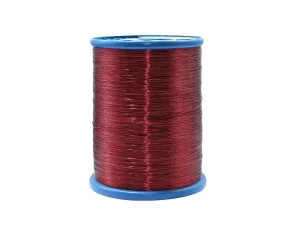
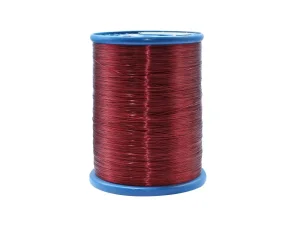
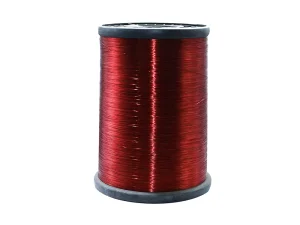
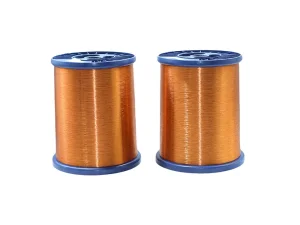
Whether applying Polyesterimide (EIW), Polyurethane (UEW), or Polyamide-imide (AIW), our advanced vertical baking ovens guarantee uniform insulation layer thickness, high scrape resistance, and excellent flexibility under tight bending radii.
Empowering High-Efficiency Electric Grids, EV Traction Motors, and Heavy Industrial Coatings
High thermal class enameled aluminum wire and CTC systems minimize copper losses, optimizing the structural packing factor inside oil-immersed power transformers and industrial motors.
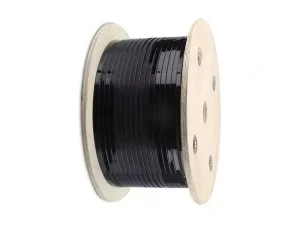
The global transition to 800V electric vehicle architecture requires magnet wires capable of resisting corona discharge. Our high-class enameled flat wire delivers superior dielectric strength.
Aluminium metalizing wire is processed with strict wire diameter control to ensure uniform atomization during twin-wire arc thermal spray, producing consistent capacitance values.
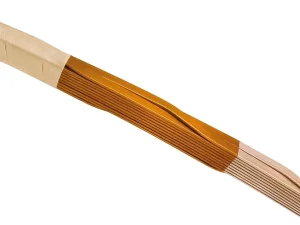
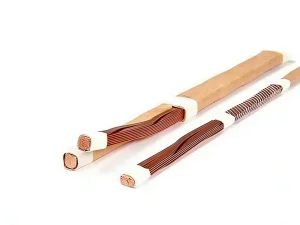
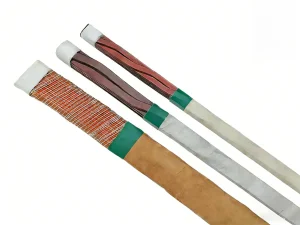
Continuously Transposed Conductors (CTC) improve grid efficiency by reducing eddy current losses and mitigating hot spots in massive grid-level step-up transformers.
Comparative analysis of enameled and metalizing wire classes, thermal indices, and core applications.
| Insulation / Wire Type | Thermal Class Index (°C) | Core Base Material | Primary Industrial Application | Standards Compliance |
|---|---|---|---|---|
| Polyurethane Enameled (UEW) | 130 / 155 / 180 | Copper & EC-Grade Aluminum | Relays, micro-motors, ignition coils, sensors | IEC 60317-20 / NEMA MW 79-C |
| Polyester Enameled (PEW) | 155 / 180 | Aluminum / Copper | Standard motors, dry-type power transformers | IEC 60317-3 / NEMA MW 5-C |
| Polyesterimide (EIW) | 180 / 200 | Aluminum / Copper | Compressors, automotive generators, power tools | IEC 60317-8 / NEMA MW 35-C |
| Polyamide-imide Overcoat (EI/AIW) | 220 | Pure Copper / Aluminum | EV Traction motors, aerospace coils, heavy-duty pumps | IEC 60317-13 / NEMA MW 73-C |
| Aluminium Metallizing Wire | High Thermal (M.P. 660°C) | Al 99.5% - 99.99% Purity | Capacitor metallization, thermal spray anti-corrosion | GB/T 3190 / ASTM B211 |
| CTC (Continuously Transposed) | Up to 120 (Paper / Film) | Semi-rigid / Self-adhesive Copper | High-voltage grid transformers, power generators | IEC 60851 / NEMA MW 1000 |
Choosing the correct combination of wire diameter, thermal class, and base metallurgy is critical to prevent premature winding failure. For instance, in heavy power generation plants, Continuously Transposed Conductors (CTC) are preferred over single monolithic conductors. CTC utilizes multiple enameled rectangular strands transposed in a mechanical grid arrangement, decreasing electrical AC loss significantly. Alternatively, Copper-Clad Aluminum (CCA) provides a lightweight solution, bridging the density gap of copper with the conductive efficiency of aluminum, making it ideal for high-frequency signal transfer and localized weight-critical motor designs.
Direct from factory. High volume export capabilities for specialized winding configurations.
Why Aluminum Magnet Wire is Gaining Global Procurement Traction Over Copper
In the engineering design of rotating machinery and grid infrastructure, copper has long been the default choice due to its high electrical conductivity. However, macro-economic factors, fluctuations in the London Metal Exchange (LME) copper pricing, and the intense push for lightweighting in aerospace and modern electric drivetrains are reshuffling industrial priorities. Aluminum magnet wire is increasingly serving as a reliable substitute, offering significant advantages under the right mechanical paradigms.
At approximately 30% of the density of copper, aluminum-wound components achieve massive weight savings. While the electrical conductivity of electrical-conductor (EC) grade aluminum is roughly 61% of copper's conductivity, this deficit is overcome by modifying the coil's spatial footprint (slightly larger slot area in motors or winding space in transformers). The resultant electromagnetic coil is physically larger, yet significantly lighter and up to 50% more cost-effective. This density benefit reduces rotational inertia in motor rotors, boosting dynamic response and system lifecycle efficiency.
Furthermore, during metallurgical processes like thermal spray coating (vacuum metalizing), high-purity aluminum wire provides uniform sacrificial galvanic protection on structural steel, protecting infrastructure from atmospheric and maritime corrosion. Daiming Electrical’s strict quality metrics guarantee that our drawn wire maintains isotropic micro-grain structures, enabling predictable melting dynamics and smooth spraying profiles.
Expert answers to common engineering, supply chain, and application questions.