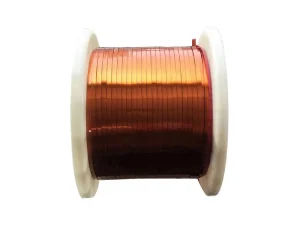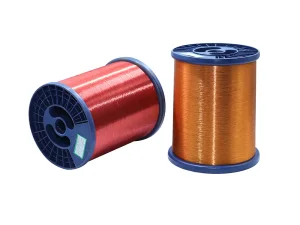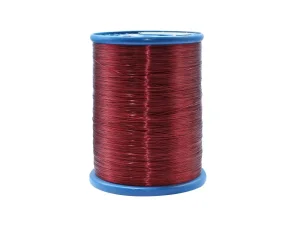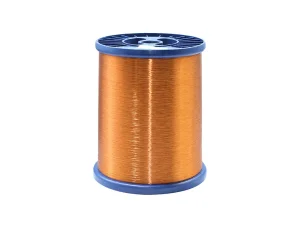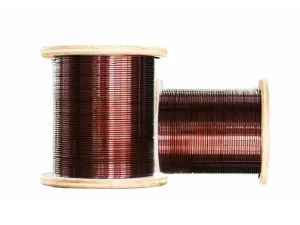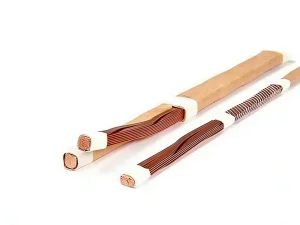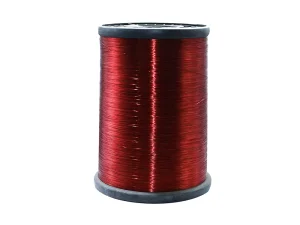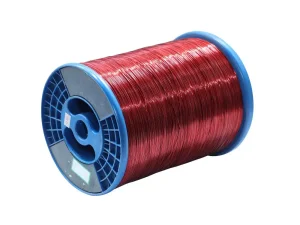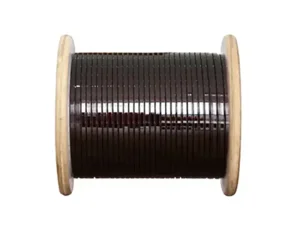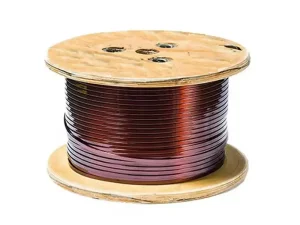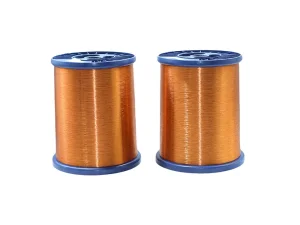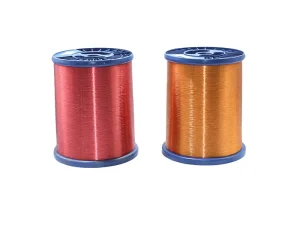
High-performance wire configurations engineered to optimize efficiency, space, and heat dissipation under extreme electrical environments.
In the matrix of modern electromagnetics, the 0.2 mm enamelled copper wire (often classified under American Wire Gauge as 32 AWG) serves as a fundamental building block. Known for its ultra-fine cross-sectional profile coupled with exceptional electrical conductivity, this micro-magnet wire is engineered for high-precision components. As electronic components continue to undergo rapid miniaturization, the demand for precision-wound coils that operate without mechanical failure at high temperatures has spiked dramatically.
Manufacturers in China leverage advanced metallurgical technologies to draw copper rods down to exactly 0.2 mm. Applying insulation layers at this micro-scale demands specialized dies, consistent temperature controls, and highly uniform enamel coatings. The mechanical integrity of the wire must be preserved throughout the high-speed winding processes of manufacturing lines. A slight deviation in diameter or concentricity could result in localized hotspots, pinholes, and subsequent dielectric breakdown, rendering precision electronics unusable.
As a leading supplier, Suzhou Daiming Electrical Materials Co., Ltd. integrates state-of-the-art drawing and enameling technology. Our facility produces high-grade enamelled copper wire with optimized mechanical properties and high dielectric strength. This guarantees that our 0.2 mm enamelled copper wire satisfies rigorous performance benchmarks set by the IEC, NEMA, and JIS standards.
The selection of the appropriate enamel chemistry defines the thermal and mechanical resilience of 0.2 mm wire. Depending on the operational conditions, different synthetic resins are applied:
Verified mechanical, thermal, and electrical performance parameters according to international standard guidelines.
| Property Parameter | IEC Reference / Value Range | Industrial Applications / Benefits |
|---|---|---|
| Nominal Diameter | 0.200 mm (Tol: ±0.003 mm) | Ensures precise winding count in high-density slot micro-motors. |
| Thermal Temperature Class | Class 130, 155, 180, 200, 220 | Allows selection matching the absolute maximum ambient operating temp. |
| Breakdown Voltage (V) | ≥ 2,400V (Class 2 Insulation Thickness) | Prevents dielectric breakdown under rapid voltage spikes. |
| Pinhole Density | 0 per 6 meters (under saline water test) | Guarantees long-term reliability in high-humidity applications. |
| Solderability Temp | 375°C ± 5°C (For Polyurethane UEW base) | Saves assembly time during high-speed coil winding termination. |
| Elongation at Break | ≥ 18% | Ensures wire resists high mechanical winding tensions without necking. |
The manufacturing ecosystem for fine enamelled wire is shifting towards highly consolidated production clusters. China represents over 50% of the worldwide supply, driving innovation in oxygen-free copper rods and continuous high-speed drawing technology. Industrial customers benefit from centralized logistics and raw material price stability, minimizing delays in the global logistics network.
Electrified drivetrains and onboard chargers demand winding wires with unprecedented performance. High-voltage architectures (transitioning from 400V to 800V and above) create intense thermal and electrical stresses. Fine 0.2 mm wires and continuous transposed conductors (CTC) are integrated into high-density magnetic modules to control skin effect heating and limit current losses.
Under tight carbon neutrality objectives, manufacturing facilities are adopting solventless curing systems and energy-efficient induction ovens. Recycling high-purity copper scrap and optimizing heat recovery during enamel baking allow manufacturers to minimize energy consumption, reducing the overall carbon footprint of end products.
Excellence in Enameled Wire Manufacturing with Over 10 Years of Expertise
Suzhou Daiming Electrical Materials Co., Ltd., is a leading manufacturer of high-quality enameled wires: enameled aluminum wires, enameled copper wires, and enameled copper-clad aluminum wires. Situated on a sprawling 258,333.33 ft² site, our advanced production facility houses 30 state-of-the-art production lines. This robust infrastructure enables us to maintain a stable and high-volume output, ensuring consistent supply to meet global market demands. With strict quality control at every stage, from raw material inspection to final product testing, we uphold the highest industry standards, guaranteeing the durability and performance of our enameled wires.

How our magnet wires empower high-efficiency electrical layouts globally
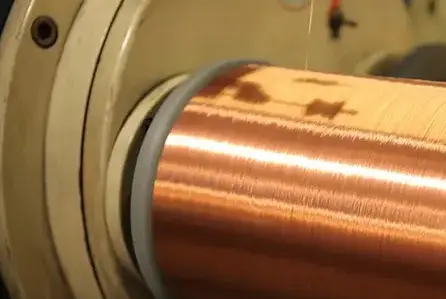
0.2 mm enamelled wire plays a crucial role in winding high-efficiency step motors, small transformers, and smart solenoids, reducing core energy losses.
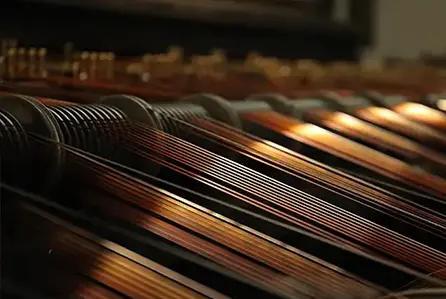
Essential for high-frequency switch-mode power supplies (SMPS), induction cooking coils, and smart home sensor arrays requiring slim wire profiles.
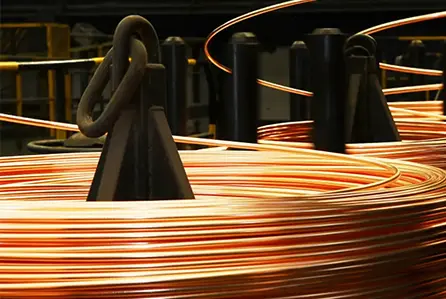
Wound within electromagnetic valves, flow control sensors, and high-precision encoders to guarantee stable signal transmission in harsh fields.
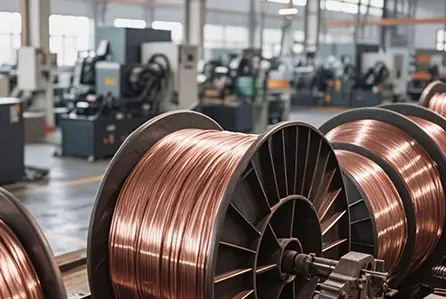
Optimized for renewable energy converters and solar inverters, ensuring low loss over long operation cycles.
As micro-electrification accelerates globally, Suzhou Daiming Electrical Materials Co., Ltd. is actively targeting the future of magnet wire designs. By investing in next-generation material science, we ensure that our customers stay ahead of industrial challenges. Below is our engineering roadmap for the coming years:
Developing thermo-setting and solvent-bonded coatings for 0.2 mm wires. These allow wound coils to bond into a solid mass without impregnating varnishes. This reduces process times, improves winding rigidity, and increases thermal dissipation properties.
To resist the transient voltage spikes (dv/dt) caused by modern high-speed IGBT and SiC inverters, we are developing metal oxide nanocomposite enamels. These significantly delay electrical erosion, preventing insulation breakdown in EV motors.
Complying with strict RoHS and REACH updates globally. We ensure all formulations exclude toxic flame retardants or heavy metals. We strive for a 100% eco-safe lifecycle from copper rod sourcing to wire disposal.
Technical expertise answers to critical winding challenges faced by purchase managers and engineers.
We utilize dual-axis laser micrometer measuring systems in real-time during the drawing and enameling process. Ensuring a minimum concentricity value of 92% prevents micro-cracks or uneven insulation thickness, which is a major factor in premature short circuits.
Yes. Our Polyurethane (UEW) class wire is designed to auto-solder at temperatures above 370°C. The heat decomposes the insulating enamel film cleanly without leaving corrosive chemical residues, facilitating swift termination on circuit boards.
Under high-speed winding, tension must be strictly monitored. For 0.2 mm wire, winding tension should not exceed 3.5 Newtons to prevent plastic elongation. If the wire stretches beyond its yield point, the resistance rises, and the dielectric properties drop.
Copper wire provides significantly higher electrical conductivity and mechanical tensile strength than aluminum. This makes it suitable for application designs with limited space, where maximum electromagnetic performance and thin coils are required.
Every batch undergoes rigorous quality testing. This includes springback angle tests for windability, peel and scrape tests for enamel adhesion, high-voltage breakdown analysis, and thermal shock testing to verify durability under sudden load fluctuations.
Stay updated with emerging trends and global shipment updates from Daiming Electrical.
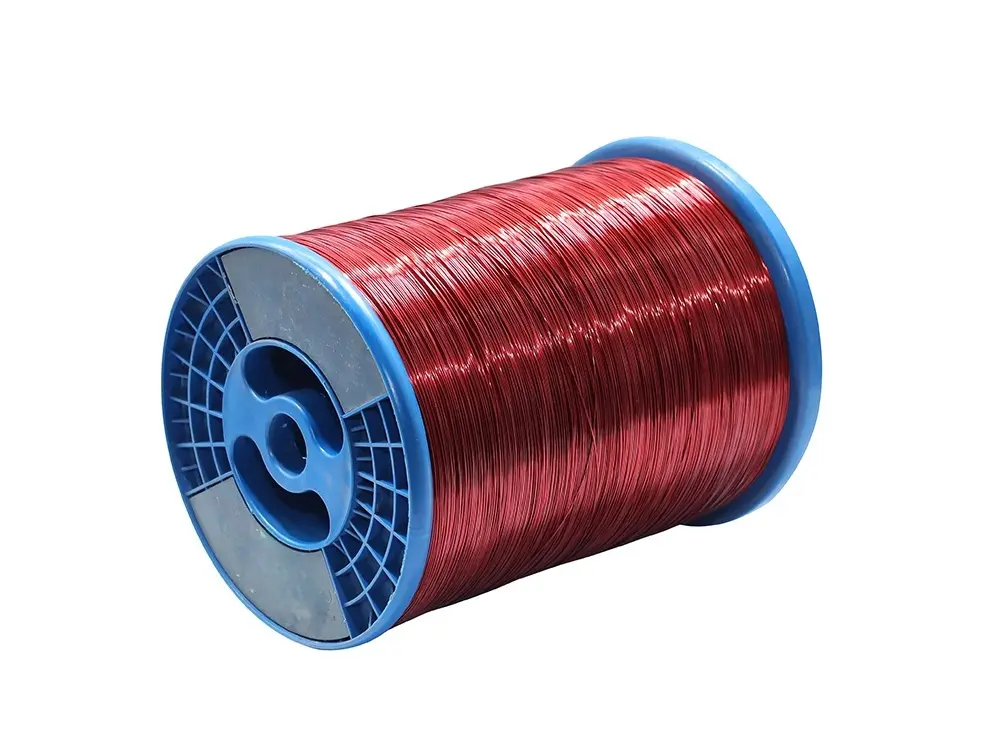
With the rapid development of new energy and high-end manufacturing in 2026, cost control and raw material selection have become critical metrics for electrical companies globally...
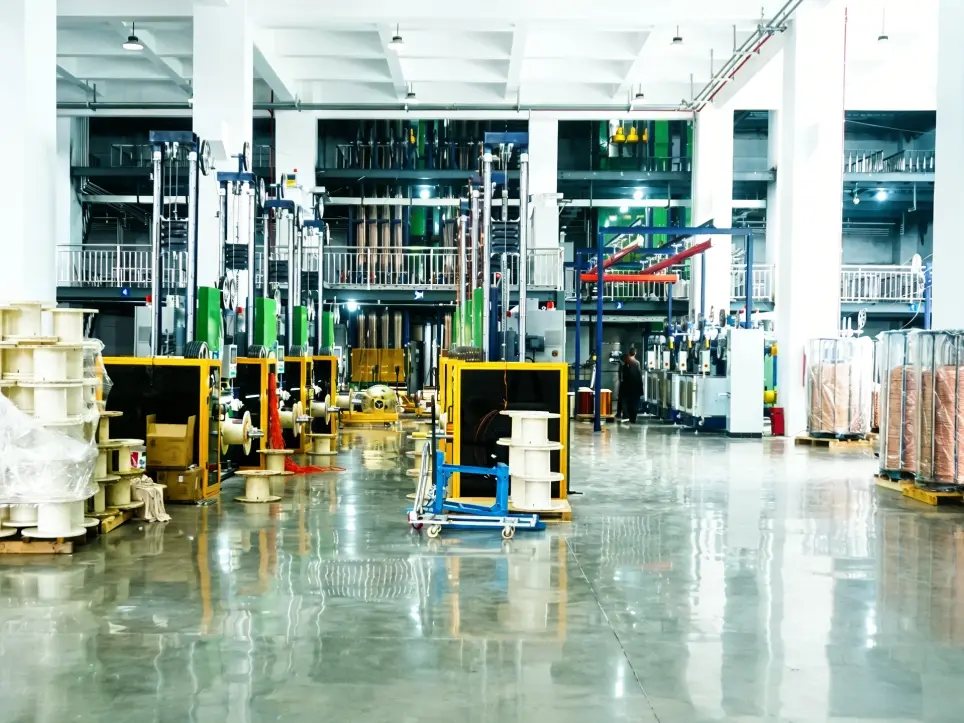
Faced with operational challenges caused by raw material price fluctuations, copper-clad aluminum enameled wire has emerged as a premium cost-reduction choice for transformer systems...
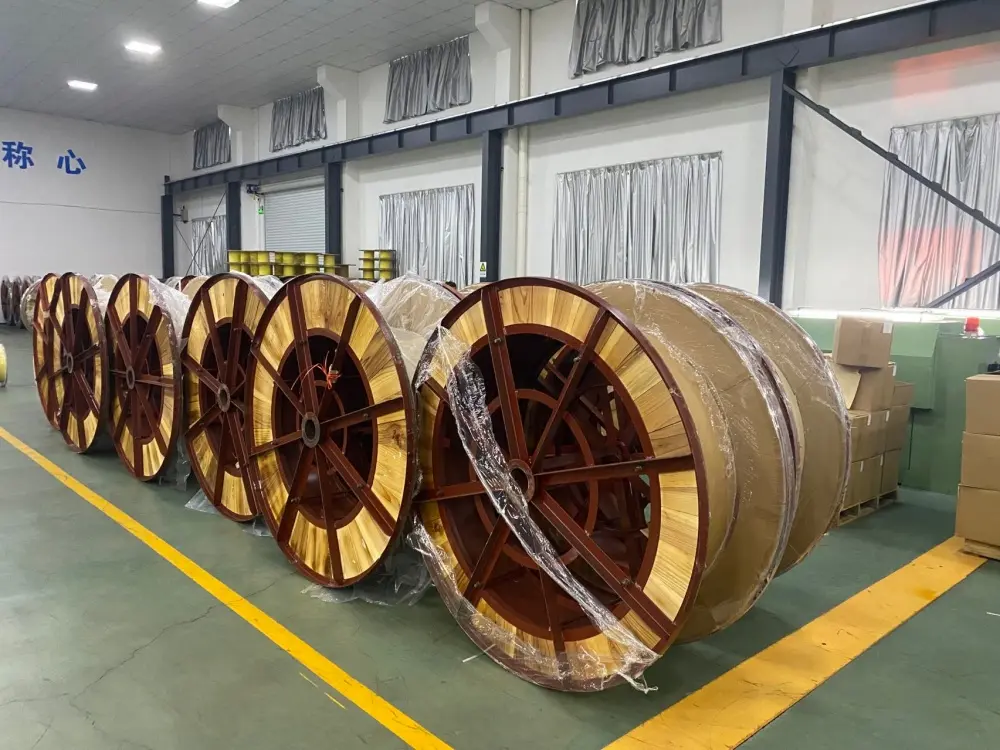
Our latest overseas shipment features high-performance Continuously Transposed Conductors (CTC) customized for Turkey, designed to support Eurasian high-voltage electrical grid renovations...
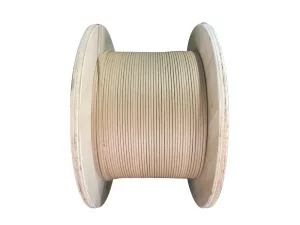
From paper-covered windings to high-class enameled flat copper conductors, match your design parameters directly.