High-precision winding solutions manufactured to meet strict international standards for diverse electromechanical applications.
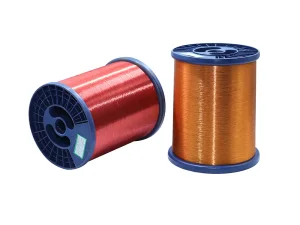
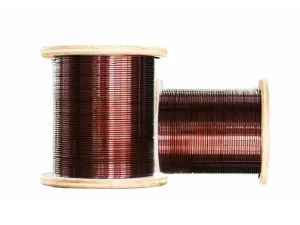
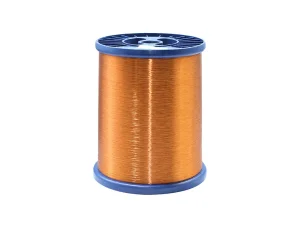
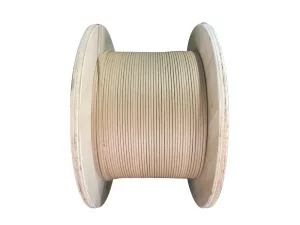
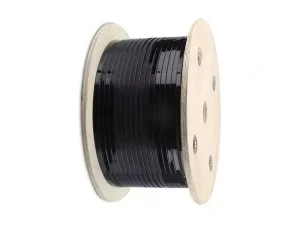
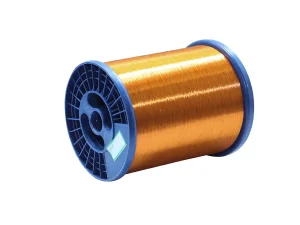
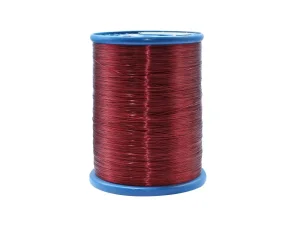
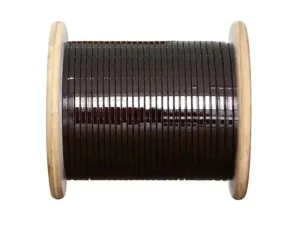
In the modern home appliance manufacturing sector, performance efficiency and cost optimization dictate product engineering decisions. Within electric table fans, the motor serves as the functional core, directly converting electrical energy into mechanical rotational force. Historically, copper wire dominated magnet winding configurations. However, the commercial and technical landscape has significantly shifted toward 0.15mm-0.30mm Enameled Aluminum Wire.
This specific diameter range represents a finely balanced sweet spot for shaded-pole motors, permanent split capacitor (PSC) motors, and modern Brushless DC (BLDC) motors utilized in residential table fans. In these setups, maintaining low rotational inertia, managing thermal dissipation, and minimizing structural weight are paramount. Aluminum wire, with its lower density (2.7g/cm³ compared to copper's 8.9g/cm³), yields motors that are significantly lighter. This weight reduction directly translates to reduced wear on rotor bearings, less internal vibration, and a lower start-up current requirement, which ultimately enhances the operational lifespan of the final household fan.
Operating conditions for table fans vary globally, exposing winding materials to diverse environments:
Successfully winding 0.15mm to 0.30mm enameled aluminum wire requires precise mechanical controls. Aluminum has a lower tensile strength than copper, which changes its behavior under automated high-speed coil winding machinery.
During winding, tension must be strictly monitored to prevent stretching or thinning, which can lead to localized resistance spikes and hot spots. Modern drawing processes apply inline continuous tension controllers and annealing units. This thermal treatment yields an elongation rate exceeding 15% for diameter ranges above 0.20mm, providing the ductility required for automated fly-winding configurations without cracking the outer enamel coating.
As energy efficiency standards tighten worldwide, table fan motors are transitioning from AC induction designs to high-efficiency BLDC systems. The technical roadmap for magnet wires includes:
From a procurement perspective, raw material cost stability is critical for appliance manufacturers. Copper prices are highly volatile and subject to global geopolitical and macroeconomic shifts. In contrast, aluminum exhibits relative price stability and a lower base cost per ton.
Because aluminum has roughly 61% of the conductivity of copper, an aluminum-wound motor requires a slightly larger stator volume to match copper's electromagnetic performance. However, because aluminum is much lighter, the overall weight of the motor is reduced. For large-scale table fan manufacturers producing millions of units annually, the material cost savings easily outweigh the minor costs of stator redesign, making enameled aluminum wire a key driver for cost-reduction initiatives.
Customer needs as the core. Delivering high-volume output and consistent quality to global markets.
Suzhou Daiming Electrical Materials Co., Ltd., is a leading manufacturer of high-quality enameled wires: enameled aluminum wires, enameled copper wires, and enameled copper-clad aluminum wires. Situated on a sprawling 258,333.33 ft² site, our advanced production facility houses 30 state-of-the-art production lines. This robust infrastructure enables us to maintain a stable and high-volume output, ensuring consistent supply to meet global market demands. With strict quality control at every stage, from raw material inspection to final product testing, we uphold the highest industry standards, guaranteeing the durability and performance of our enameled wires.
View More About Us


Why manufacturing partnerships in Suzhou, China provide unmatched logistical, scaling, and cost benefits.
Our factory in Suzhou is located within a highly integrated industrial cluster. We source raw aluminum directly from key domestic smelters, securing a steady supply of high-purity (99.99%) EC grade aluminum rods. This raw material security protects our production lines from unexpected market shortfalls and guarantees consistent electrical conductivity and elongation properties in the finished wire.
Every production line features inline eddy current testers and laser diameter sensors. These systems monitor the enamel coating thickness and eccentricity in real time. By catching coating defects before the wire is spooled, we prevent dielectric failures in high-speed winding operations and ensure consistent product quality across all batches.

Each roll of enameled wire has undergone rigorous process and quality inspection to ensure stable performance.

The enameled wire we produce has a uniform and dense paint film, strong adhesion, scratch resistance, and good flexibility.

Professional support from wire diameter specifications to temperature classes, designed to match your application.

Strong production capacity and a complete supply chain system ensure on-time delivery for high-volume orders.

Our enameled wires are used in core areas such as high-efficiency and energy-saving motors, contributing to global sustainability goals.
Explore our diverse catalog of high-performance magnet wires and transposed conductors, engineered for global industrial systems.


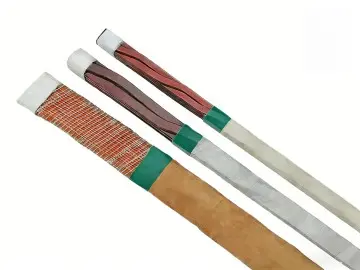
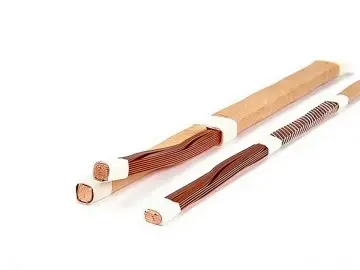
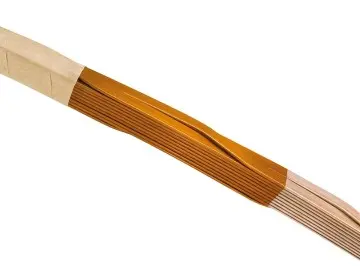
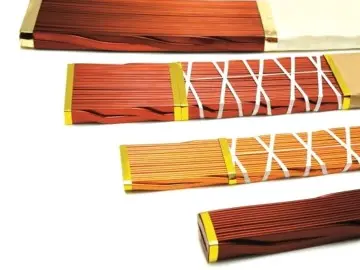
With strict quality control at every stage, from raw material inspection to final product testing, we uphold the highest industry standards, guaranteeing the durability and performance of our enameled wires.
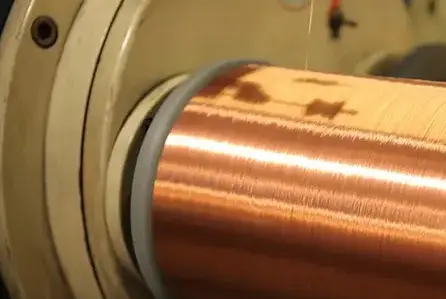
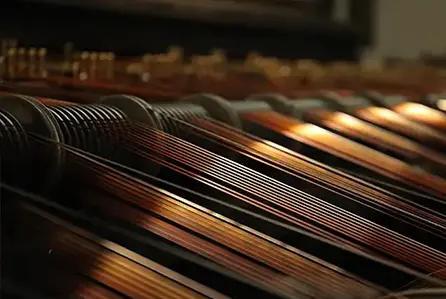
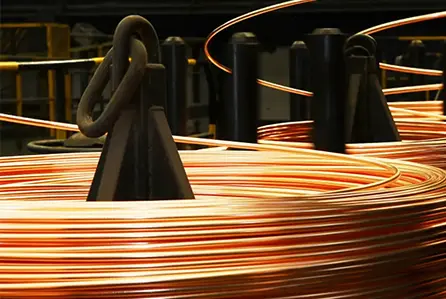
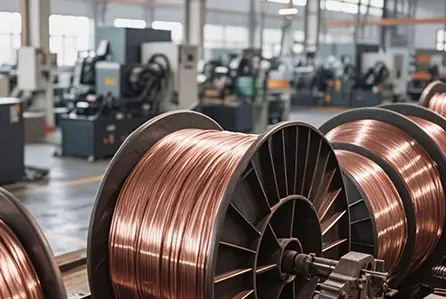
Ensuring seamless compliance with international trade, environmental safety, and engineering specifications across global markets.
All 0.15mm-0.30mm enameled aluminum wires fully comply with EU RoHS 3.0 and REACH regulations. We provide complete SVHC declaration sheets, guaranteeing that our insulation enamels contain no hazardous flame retardants or heavy metals.
Our insulation systems are recognized under UL file systems for thermal classes ranging from 130°C up to 220°C. This streamlines the safety approval process for household appliances in North American and European markets.
We offer direct technical consultations, wire tension calibration support, and custom winding tests. Our engineering team assists clients with test spools to optimize automated high-speed winding machinery.
Technical answers regarding mechanical properties, soldering techniques, and performance optimizations.
Aluminum does not solder as easily as copper using traditional rosin fluxes due to its persistent oxide layer. For 0.15mm-0.30mm wire, manufacturers typically use:
1. Direct Welding / Resistance Welding: Localized heat melts the enamel and fuses the aluminum directly to the copper terminal clip.
2. Mechanical Crimping: High-pressure piercing terminals pierce the enamel layer to establish a gas-tight electrical contact.
3. Specialized Fluxes: Active organic fluxes designed for aluminum are used at controlled soldering temperatures (typically 350°C to 400°C).
The primary advantage is cost efficiency and weight reduction. Aluminum is lighter than copper, which lowers the rotor mass and motor inertia. This results in quieter operation and less bearing wear. Additionally, aluminum offers stable pricing, helping home appliance manufacturers better manage production costs.
Yes. To match the electrical resistance of copper, the aluminum wire must have a cross-sectional area approximately 1.6 times larger. By slightly adjusting the stator slot design to accommodate the thicker wire, engineers can achieve identical torque and efficiency ratings while still reducing overall motor weight.
We use high-precision diamond drawing dies and inline laser sizing systems to monitor wire diameters continuously. Our annealing process is automated to keep elongation above 15% and tensile strength within target limits, ensuring the wire performs reliably on automated winding machines.
For hot, humid climates, we recommend a dual-coat configuration, such as Polyester-imide overcoated with Polyamide-imide (EIW/AIW, Class 200). The outer polyamide-imide layer provides excellent moisture protection and mechanical scratch resistance during winding.
Browse our full range of high-performance winding wires, certified for demanding industrial and electrical engineering projects.
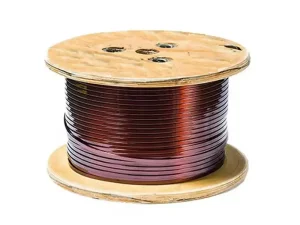
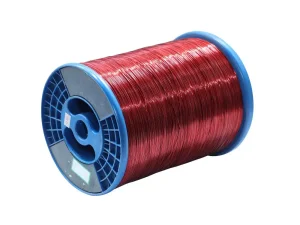
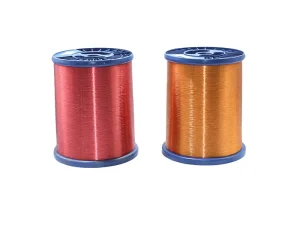
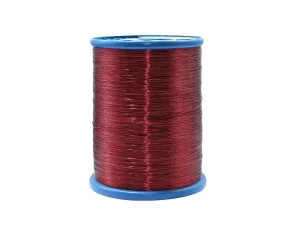
Stay updated with research trends, new material rollouts, and global export milestones from Suzhou Daiming.
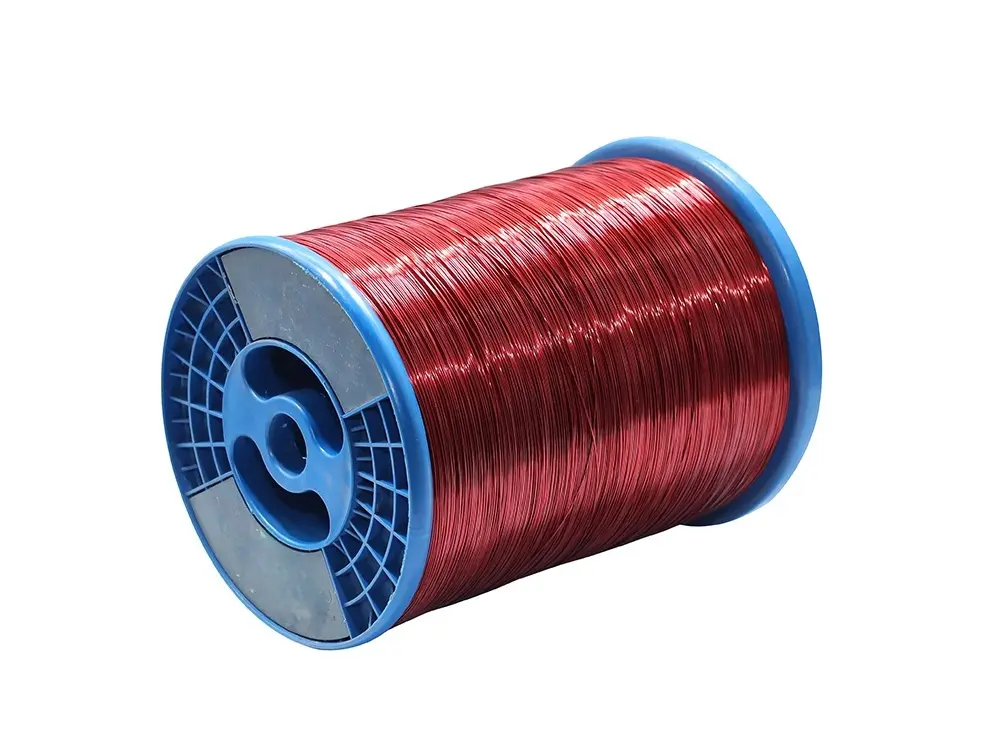
With the rapid development of new energy and high-end manufacturing in 2026, cost control and quality standards are reshaping the global enameled wire industry...
Learn More →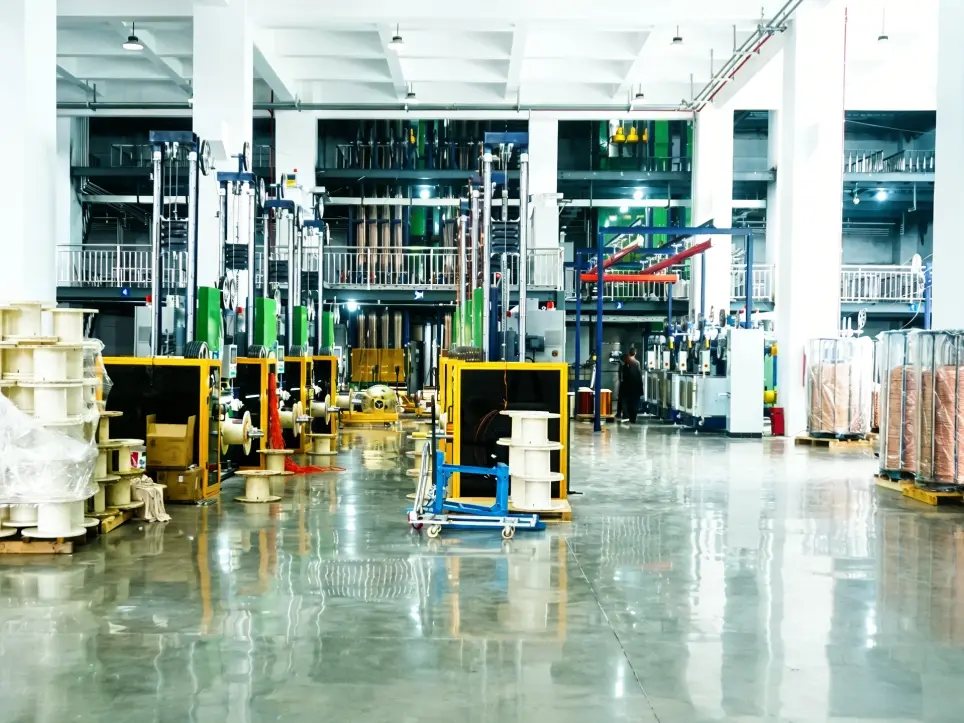
Faced with operational challenges caused by raw material price fluctuations, copper-clad aluminum magnet wires emerge as an alternative for motor design...
Learn More →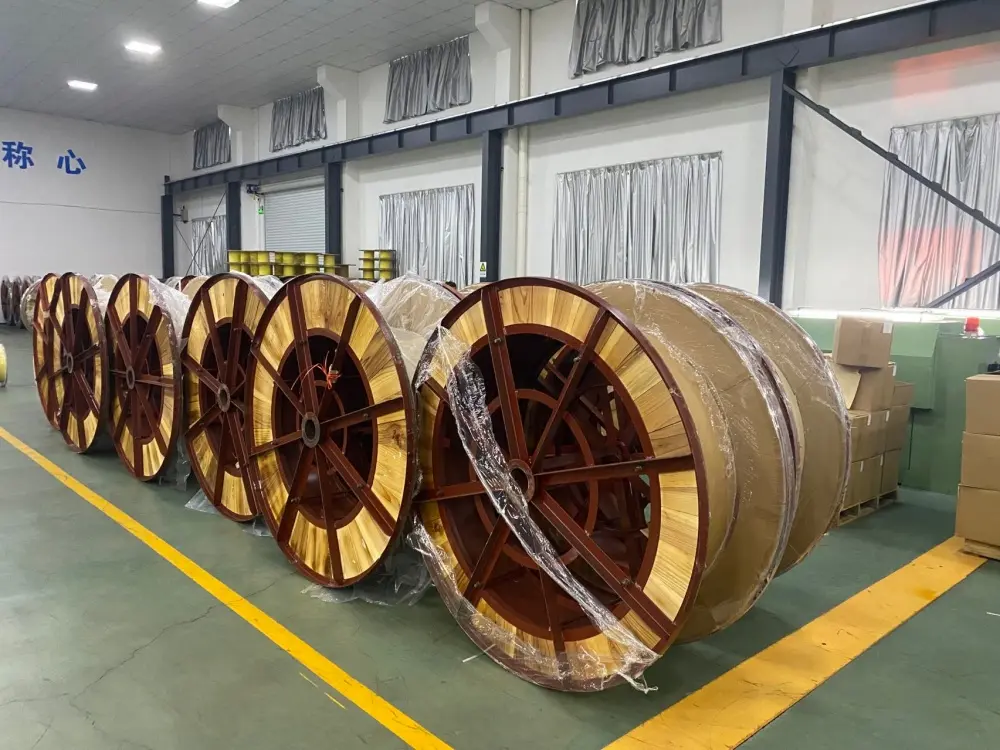
New Overseas Shipment News | High-quality CTC Continuously Transposed Conductors successfully exported to key clients in Turkey to support grid upgrades...
Learn More →